







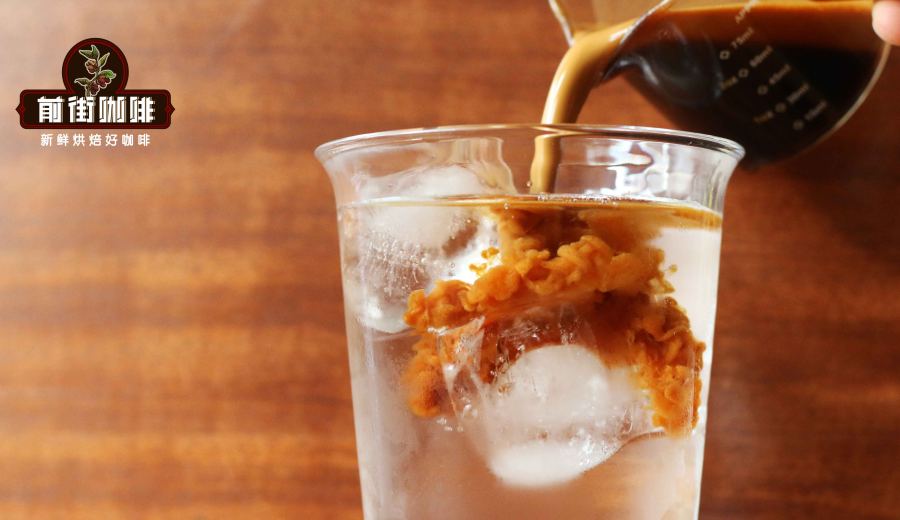
Introduction:Want to easily enjoy a cool and smooth pour-over coffee in the summer? Even without professional pour-over equipment at home, you can use common drip coffee bags to make flavorful iced pour-over coffee or cold brew. This article will detail both brewing methods — from selecting the right coffee beans, brew ratios, water temperature control, to specific steps and precautions — helping you achieve a professional-grade iced coffee experience with the simplest tools.
On a hot summer day, a refreshing iced coffee is often a lifesaver for coffee lovers. Even without expensive pour-over gear, as long as you have drip coffee bags on hand, you can easily make two types of iced coffee with distinctly different flavors: iced pour-over and cold brew. Not only are they simple to make, but you can also adjust them to your personal taste and enjoy the fun of DIY.
【Image placeholder: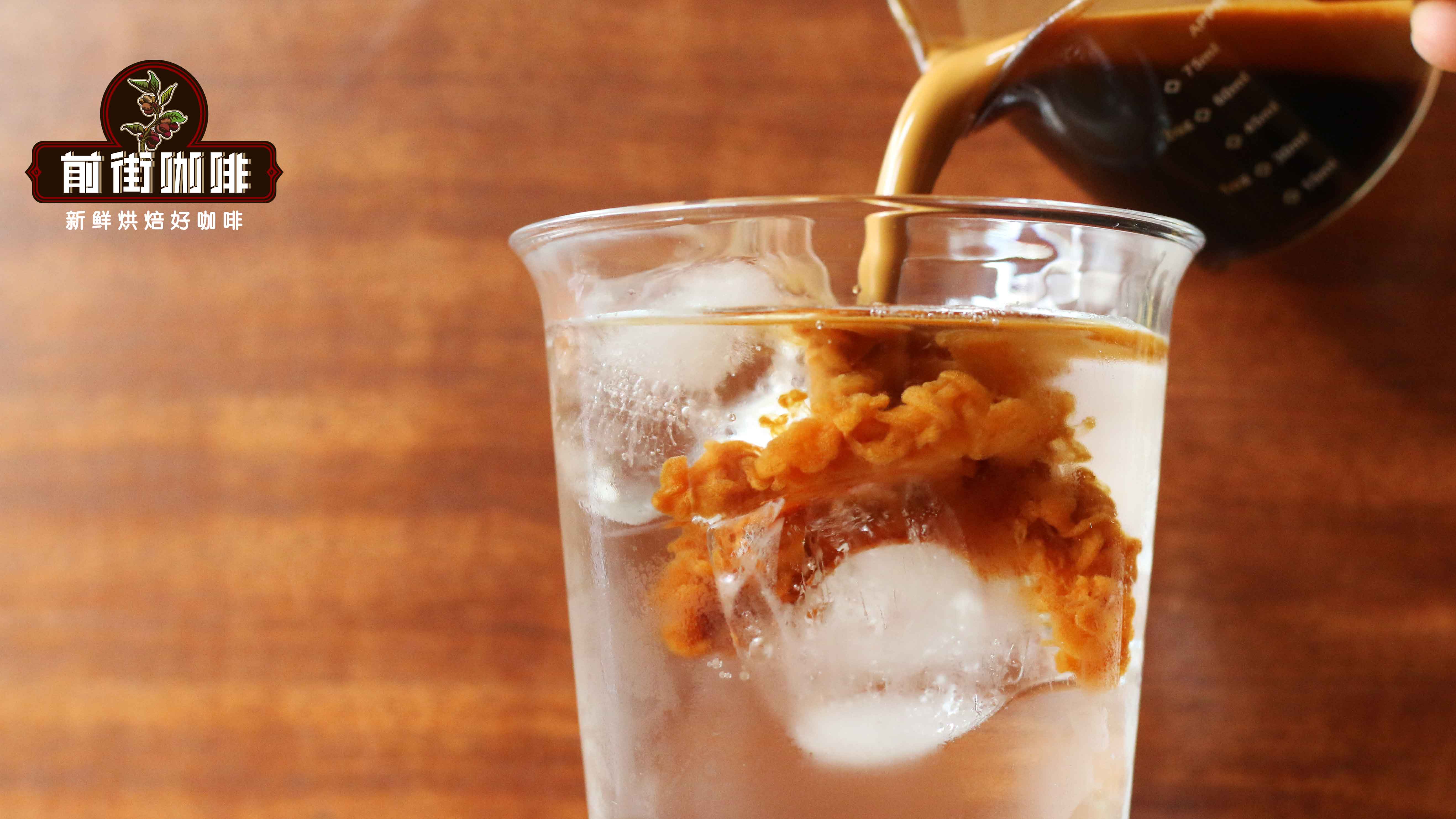 】
To brew delicious iced coffee, choosing the right beans is key. Depending on your flavor preferences, you can select from the following common drip coffee options: If you enjoy fresh floral and fruity notes, opt for bags with prominent floral characteristics, such as those from Panama; if you prefer bright acidity with berry and black tea profiles, varieties like Hua Kui are great choices; for a balanced and mellow taste, Brazilian beans are ideal due to their low acidity and rich body; if you’re after a bold, layered coffee experience, go for Indonesian Golden Mandheling drip bags, which are carefully hand-sorted with low defect rates.
【Image placeholder: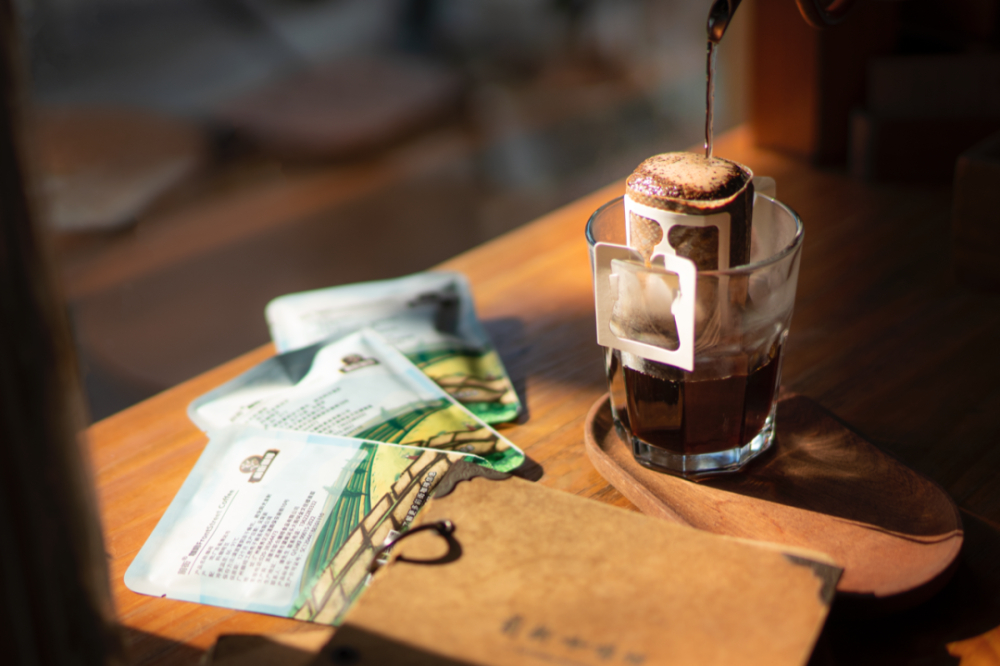 】
Although drip coffee bags are convenient and pre-ground, their brewing principle is similar to that of pour-over coffee, so you can apply pour-over techniques to make iced coffee. First, let’s introduce how to make iced pour-over coffee. This method is based on traditional hot pour-over, but during the brewing process, ice is added to rapidly lower the temperature, resulting in an iced coffee. However, as the ice melts, it dilutes the coffee, so you’ll need to adjust brewing parameters — including reducing the water volume and using a finer grind (though drip bags come pre-ground, so you’ll focus on adjusting water temperature and total water volume instead).
【Image placeholder: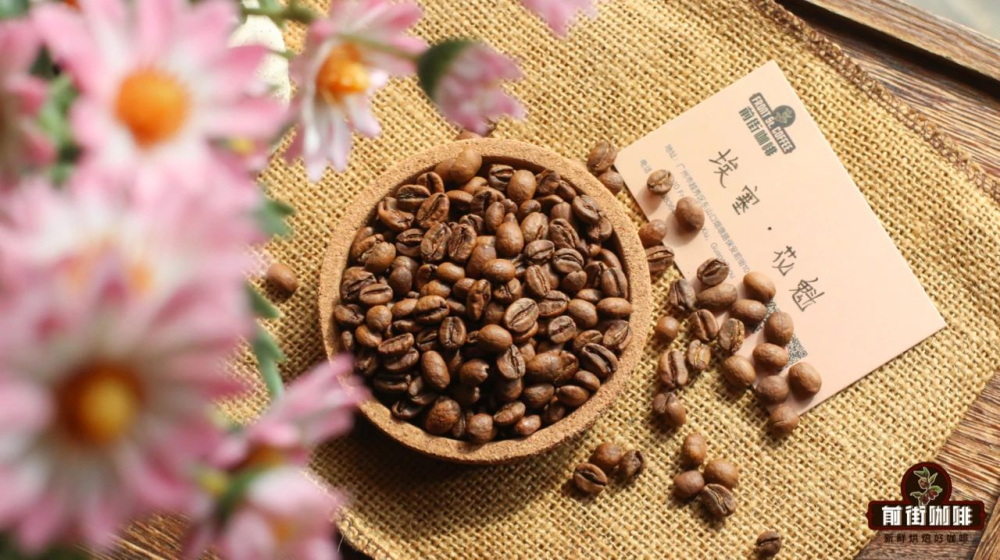 】
Take a single 10g drip bag as an example. It is recommended to set the water temperature at 93°C, using a coffee-to-water-to-ice ratio of 1:10:6 — that is, 10g of coffee grounds, 100ml of hot water, and 60g of ice. This ratio balances extraction efficiency with the dilution effect of melting ice. To brew, first place the ice in a tall glass or large short cup, hang the drip bag, then pour 20ml of hot water for a 25–30 second bloom to awaken the coffee grounds. Next, slowly pour the remaining 80ml of hot water in four equal parts (20ml each) in small circular motions, pausing slightly between pours to ensure full extraction. Once the dripping stops, remove the drip bag and gently stir before enjoying.
【Image placeholder: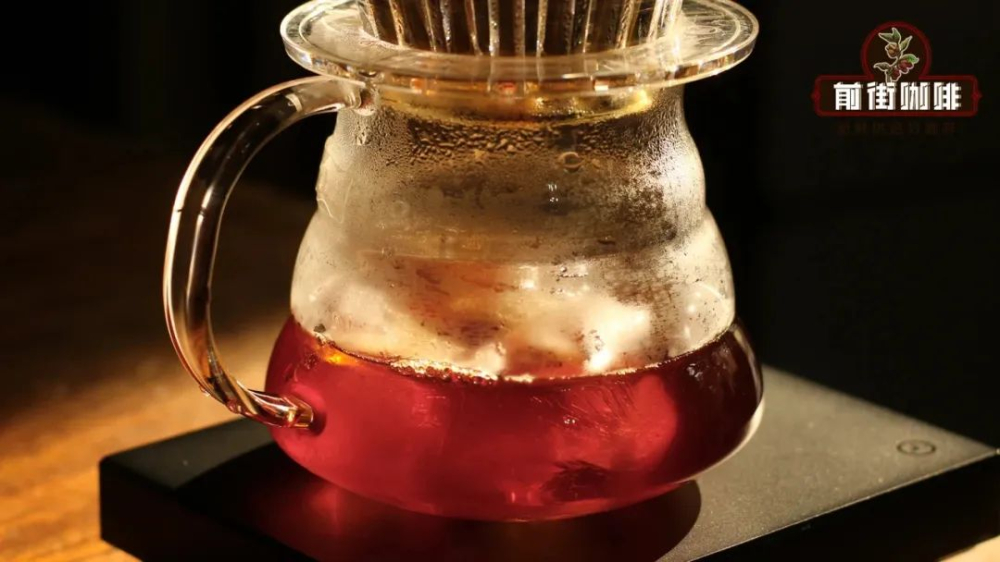 】
If you prefer a simpler and more hands-off brewing method, cold brew is the ideal choice. Compared to iced pour-over, cold brew is much easier — there’s no need to control water flow or deal with complex parameters. Just mix the coffee grounds with room temperature water and refrigerate. Depending on whether you plan to add ice, you can adjust the coffee-to-water ratio: if you intend to add ice for cooling, a 1:10 ratio is recommended; if you want to drink it straight, you can increase the ratio to 1:12 for a crisper taste.
【Image placeholder: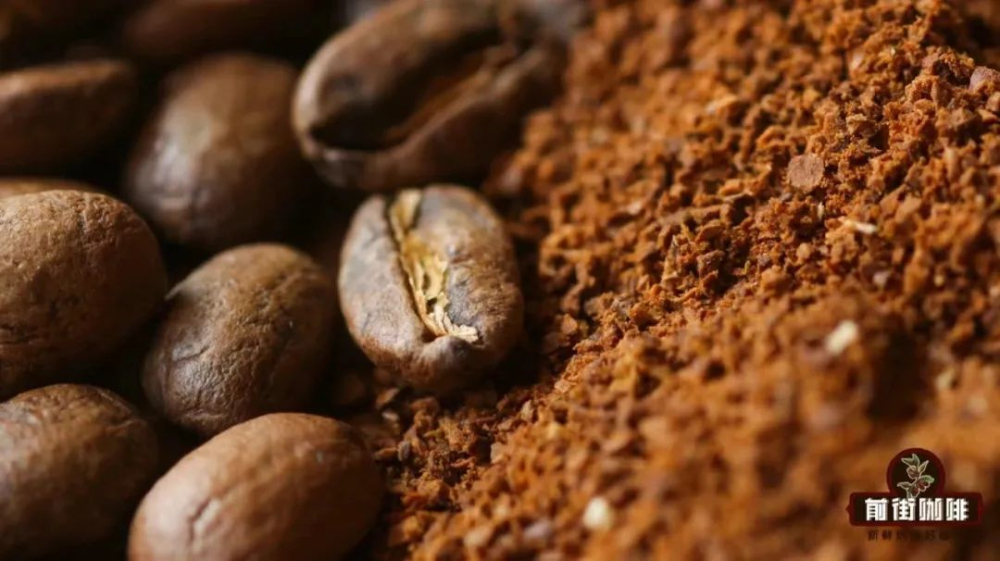 】
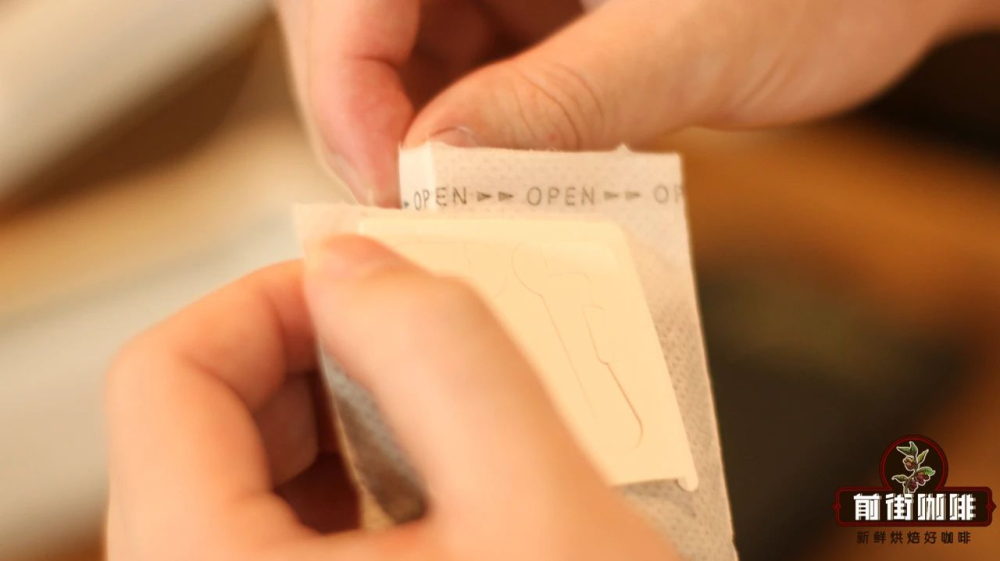
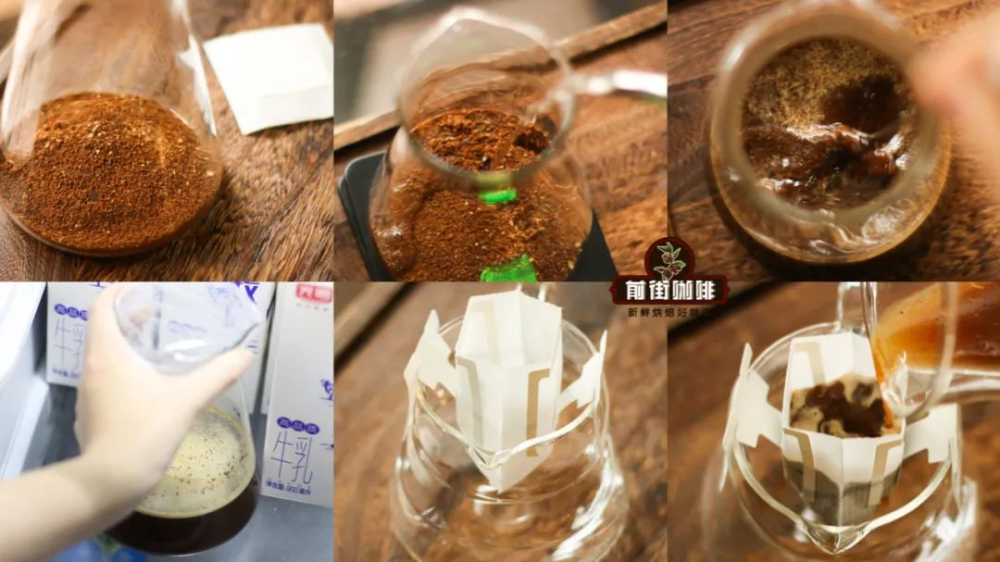
Since a single drip bag contains only 10g of coffee, using a 1:10 ratio would yield only about 80ml of coffee. It’s recommended to use 3–5 drip bags at once to get a sufficient amount. For example, using 4 drip bags (totaling 40g), with a 1:10 ratio, you’ll need to add 400ml of room temperature water. Pour the coffee grounds into a sealed bottle, add the water, gently stir until the grounds are fully saturated, then seal tightly and refrigerate for 8–12 hours. The longer it steeps, the stronger the flavor. After refrigeration, use the drip bag as a filter to pour the coffee into a cup and separate the grounds. Your cold brew is ready.
【Image placeholder: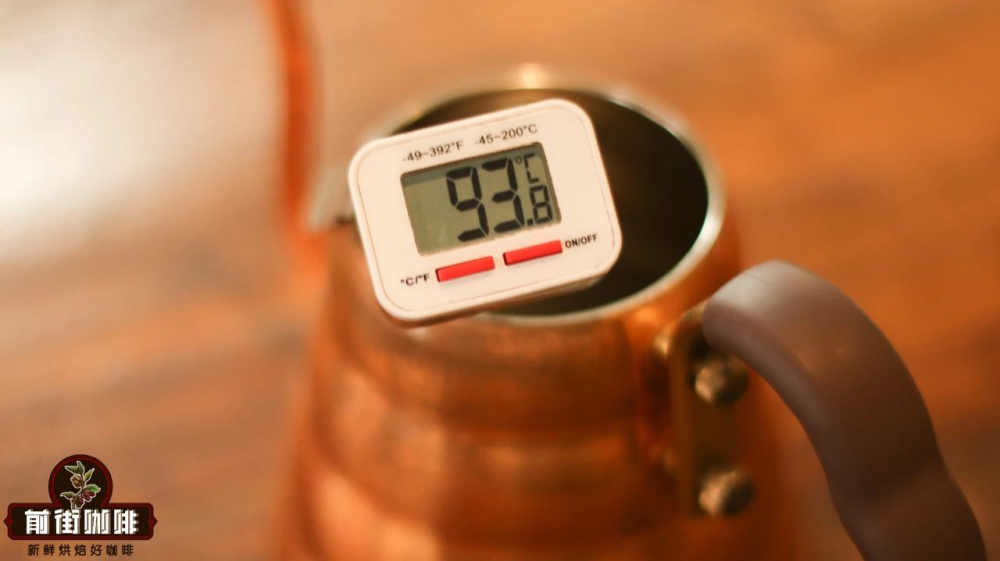 】
You can add ice cubes to the filtered cold brew according to your preference to enhance the refreshing feel. If you don’t finish it all at once, pour the coffee back into a sealed container and store it in the fridge. It’s best consumed within five days to maintain freshness. Since cold brew doesn’t involve heat, its flavor is typically smoother, with fewer impurities and harsh acids, making it perfect for those who prefer a low-intensity, easy-drinking coffee.
【Image placeholder: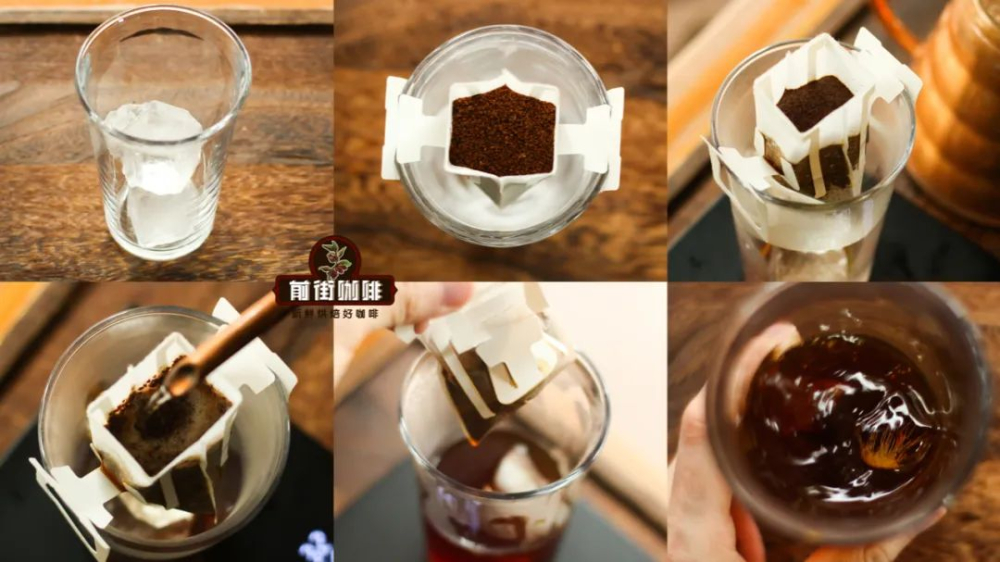 】【Image placeholder:
 】【Image placeholder:
 】【Image placeholder:
 】
The above content is compiled by CoffeeHunters, a coffee news website.


