








Introduction:Looking for a naturally sweet pour-over coffee? This article delves into the sources of coffee sweetness—from processing methods and roast levels to flavor profiles—to help you understand what makes coffee taste sweeter. We also handpicked five popular high-sweetness single-origin beans on the market, detailing their flavor performance in pour-over brewing and recommended parameters. Whether you prefer bright acidity with fruity sweetness or a rich caramel finish, you’ll find the perfect match.
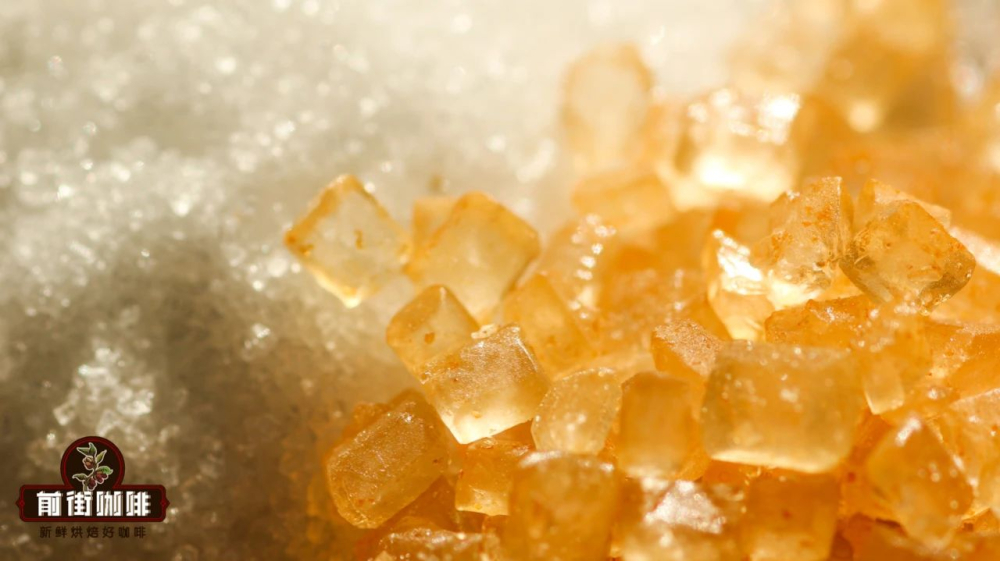
Everyone’s perception of coffee flavors varies—some love intense bitterness, others adore crisp acidity, while many seek out naturally sweet notes. But where does the sweetness in coffee come from? Beyond the contribution of sugars, aromatic compounds like furanones and pyrones also play a key role, evoking associations with honey and caramel. To explore the sweet potential of black coffee, the choice of processing method and roast level is crucial.

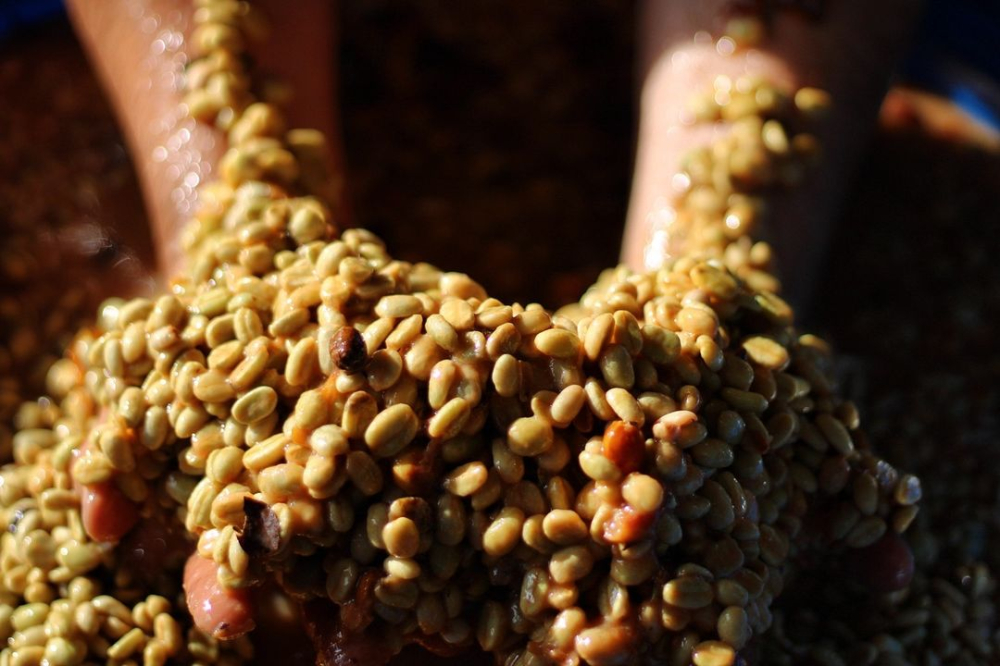
The foundation of coffee sweetness comes from the sugars inherent in the coffee fruit, but these are often masked by high acidity or bitterness. Fully ripe cherry processing ensures only mature coffee cherries are harvested, laying the groundwork for sweetness. The higher the degree of fermentation during processing, the more pronounced the sweetness tends to be. Processing methods like natural, black honey, and anaerobic natural can preserve more fructose and fermented aromas, making them common techniques for crafting sweet coffees.Special note: The “honey” in honey processing refers to the amount of residual mucilage, not actual honey. Black honey retains the most mucilage layer, so its sweetness is usually the most prominent.
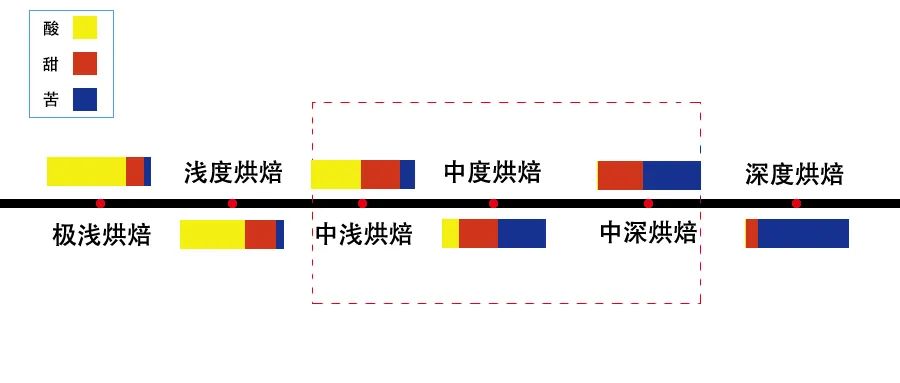
Roast level directly impacts sweetness expression. Too light a roast can highlight sharp acidity, while too dark a roast lets bitterness dominate.Medium-light to medium roast (Agtron approximately #55-#65)usually achieves an ideal balance of acidity and sweetness along with caramelized sweetness. In this range, the Maillard reaction develops moderately, preserving fruity tones while imparting warm sweet notes like caramel and crème brûlée.
Sweetness-oriented coffees can generally be divided into two main types: “sweet with acidity” and “sweet with bitterness.” The former emphasizes bright fruity notes, suiting those who enjoy a fresh profile; the latter showcases nutty and chocolatey tones, delivering a rich, lingering sweetness. Below, we’ve selected five representative high-sweetness single-origin beans and analyzed their unique flavor expressions in pour-over brewing.
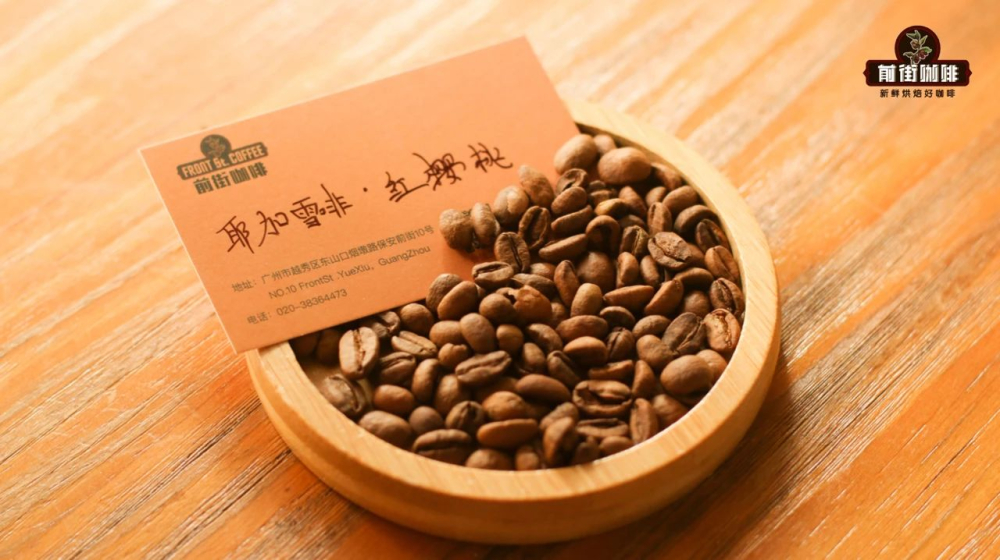
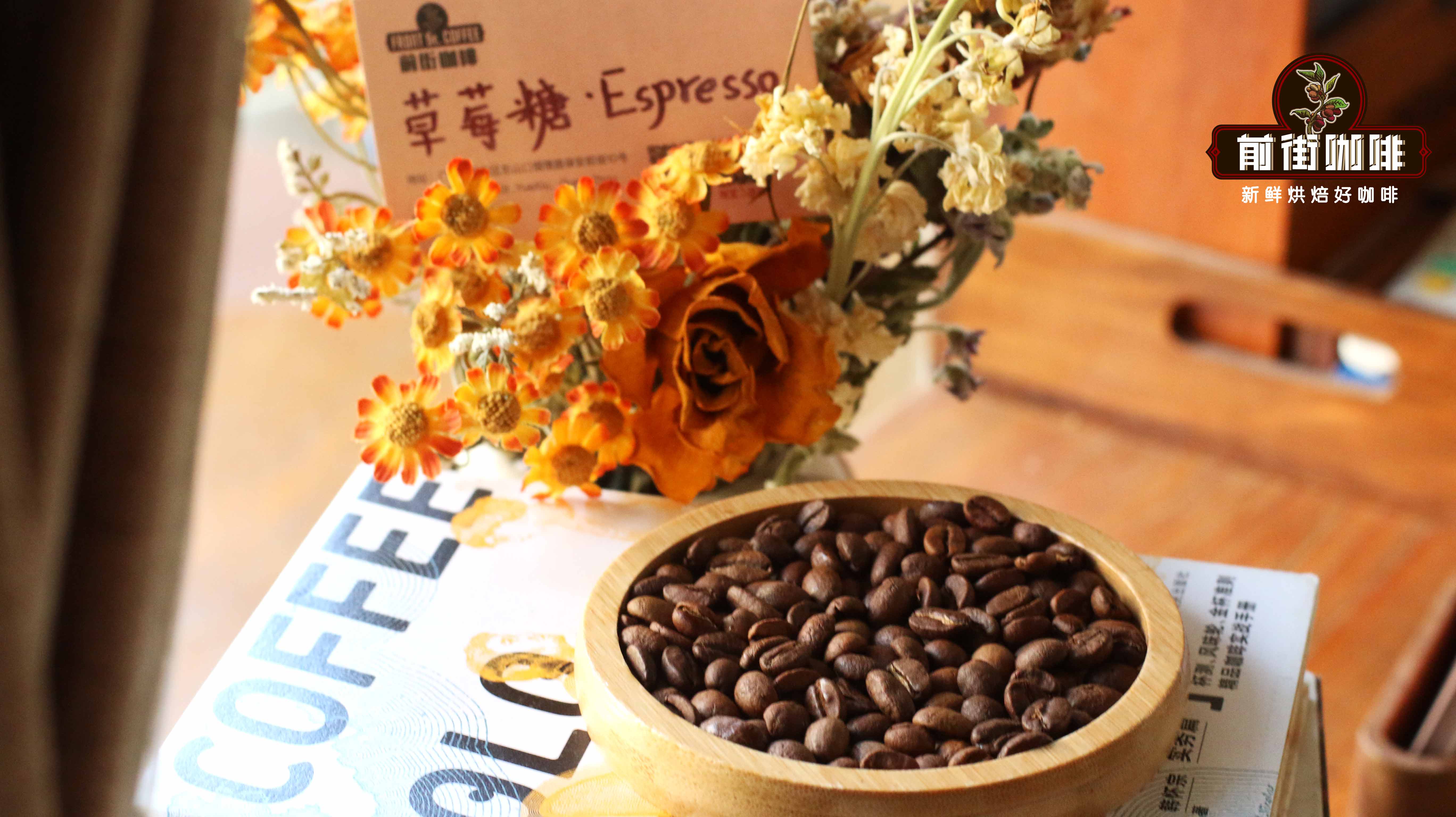
Sweet-with-Acidity Combinations:First up is the Yirgacheffe Natural Red Cherry, a classic light-roast bean renowned for its fully ripe cherry processing. A medium-light roast highlights ripe berries, fermented aromas, and citrus acidity, with a grape juice-like clean sweetness in the finish.Recommended pour-over parameters: 90–92°C water temperature, 1:15 coffee-to-water ratio, and a step extraction method to avoid over-extracting acidity.The Strawberry Sugar Blend combines Panamanian Geisha with Costa Rican honey-processed beans. A medium roast perfectly balances floral notes with caramel sweetness, with particularly prominent rose aromas and raisin tones. The Musician Series Mozart uses raisin honey processing, with a medium-light roast amplifying the sweetness reminiscent of Kyoho grapes, paired with fermented wine notes and rose undertones—ideal for those who prefer bold fruity richness.

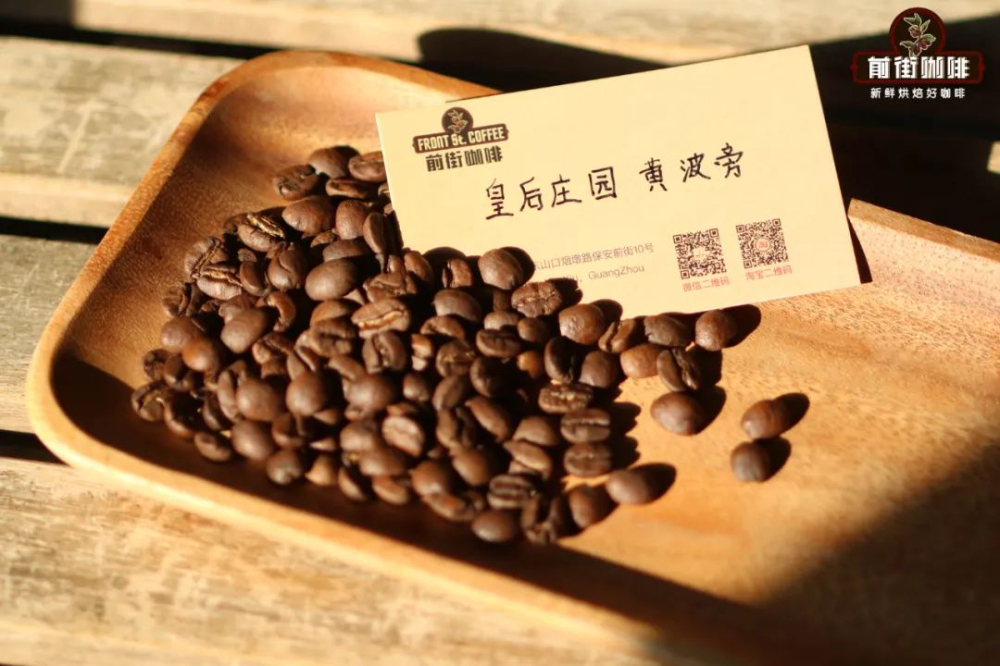
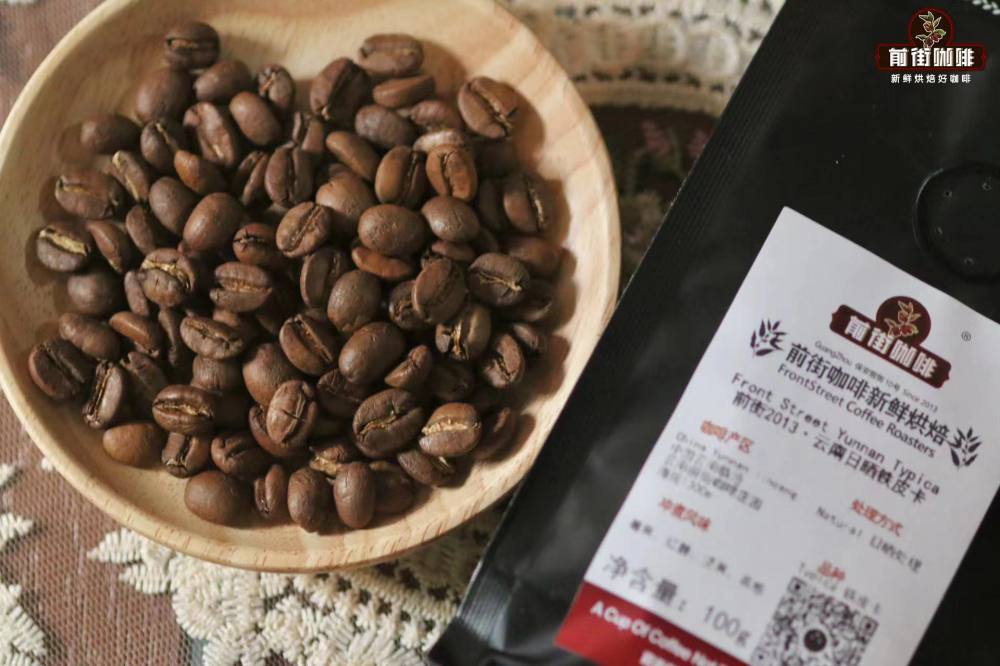
Sweet-with-Bitterness Choices:The Queen’s Estate Yellow Bourbon highlights sweetness through its natural processing, with a medium roast bringing out nutty, buttery, and cane sugar tones, suitable for various brewing methods.Note: Brazilian beans are denser, so it’s recommended to grind them slightly coarser than typical Central/South American beans (e.g., EK43 setting 8–9).Yunnan Small-Leaf Typica, a high-altitude-grown premium Arabica from China, showcases plum, dried fruit, and brown sugar sweetness when processed naturally. A medium roast enhances the chocolatey finish, making it an excellent choice for exploring Asian terroir sweetness.


If you prefer noticeable sweetness but don’t want to rely solely on processing or roasting, you can also enhance sweetness through brewing techniques. For example:Extend the pre-wetting time (30–45 seconds)to help ensure even blooming,or use the “dessert extraction method”—slightly reducing water flow intensity during the main extraction phase to allow the coffee grounds to release more sugars. Remember, sweetness perception also depends on individual taste sensitivity. We recommend experimenting with different processing methods and roast levels to find the sweetness expression that best suits your preferences.

The above content is compiled by CoffeeHunters, a coffee news website.

