







Introduction:Indonesian Mandheling coffee is renowned for its bold and rich flavor profile, and within this category, “Golden Mandheling” and “Ding Shang Golden Mandheling” often confuse coffee enthusiasts. Both are premium bean varieties from Sumatra, but they differ in brand background, regional selection, and processing details. This article provides an in-depth comparison of the two, covering aspects such as origin altitude, variety evolution, wet hulling characteristics, and pour over recommendations to help you find the Mandheling that best suits your taste.
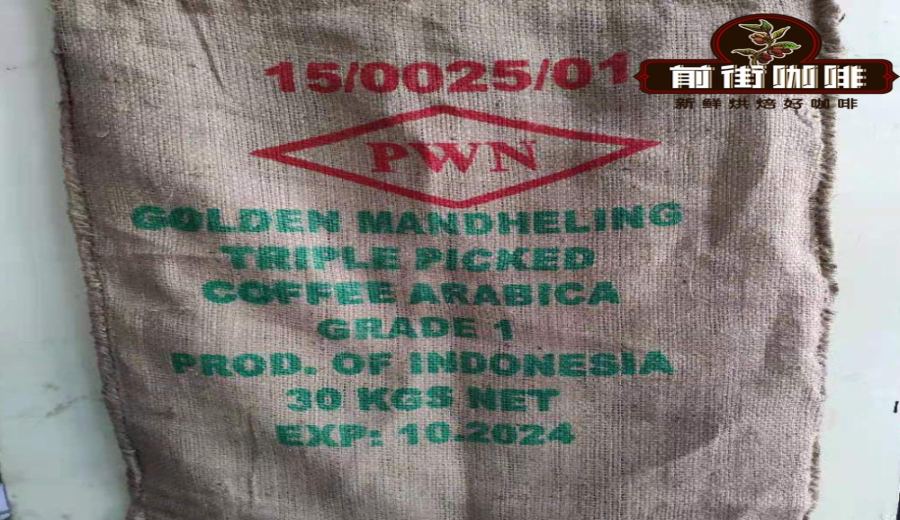
When it comes to specialty coffee from Indonesia, “Golden Mandheling” is undoubtedly a star product in the market. However, this highly acclaimed coffee bean was not originally launched by an Indonesian brand, but gained fame through demand in the Japanese market. Later, Indonesia’s PWN company incorporated it into its exclusive product line and registered the “Golden Mandheling” trademark, which led to the equally high-quality “Ding Shang Golden Mandheling (Gold Top Mandheling)” becoming a twin often compared in the market. What exactly are the differences between these two coffees? Let’s break it down from origin, variety, to processing methods.
The Origin of the Name “Mandheling” and Its Market Positioning
The term “Mandheling” actually originates from the “Mandailing” ethnic group in Sumatra, Indonesia. Originally a geographical and ethnic term, it accidentally became synonymous with coffee. Despite the widespread misunderstanding, it helped put Sumatran coffee on the map internationally. Especially after being promoted to Japan by PWN, Mandheling’s full-bodied texture and low acidity quickly won over the palates of many Asian consumers.
The Birth of Golden Mandheling: From Japanese Demand to an Exclusive Brand
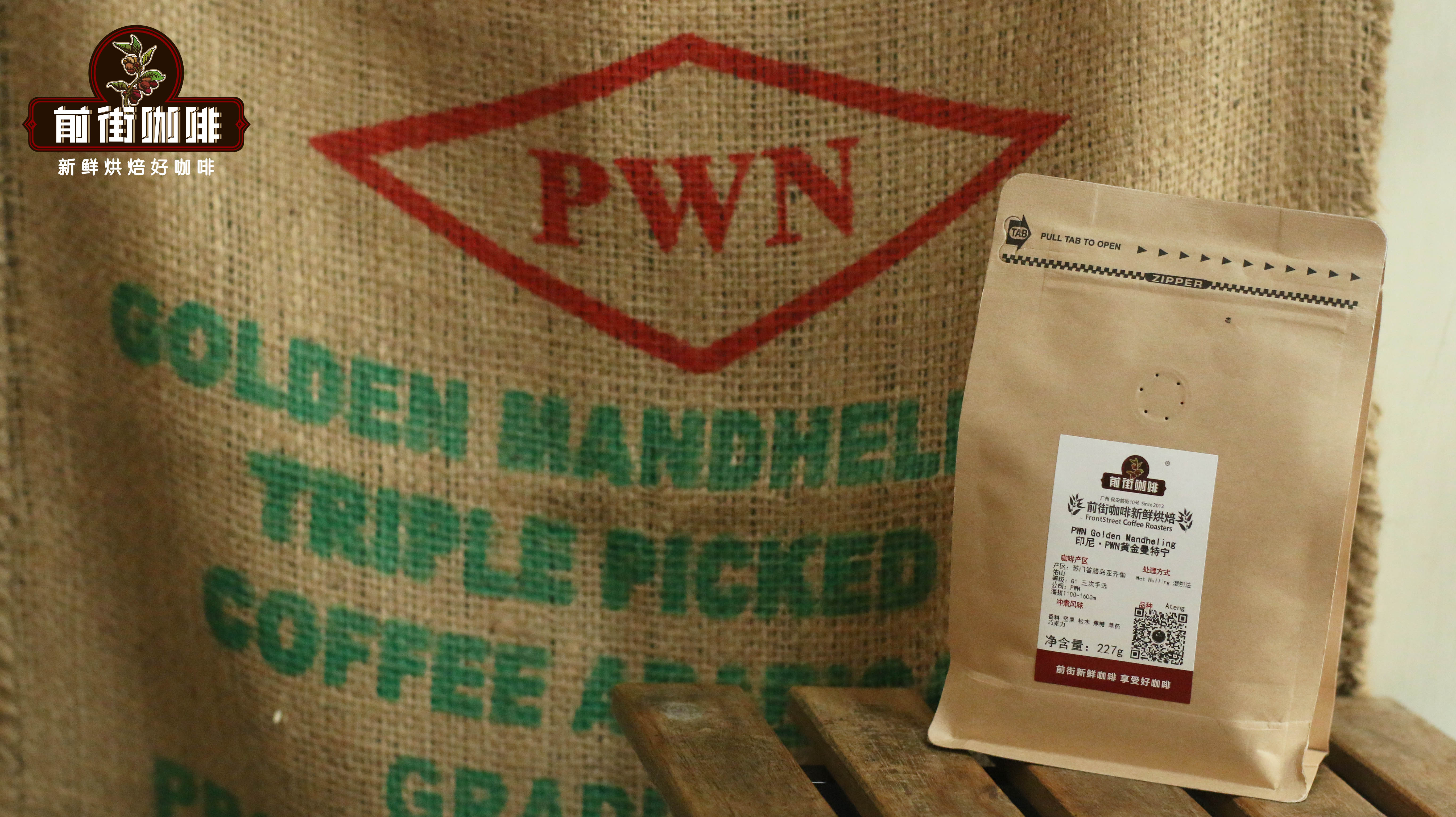
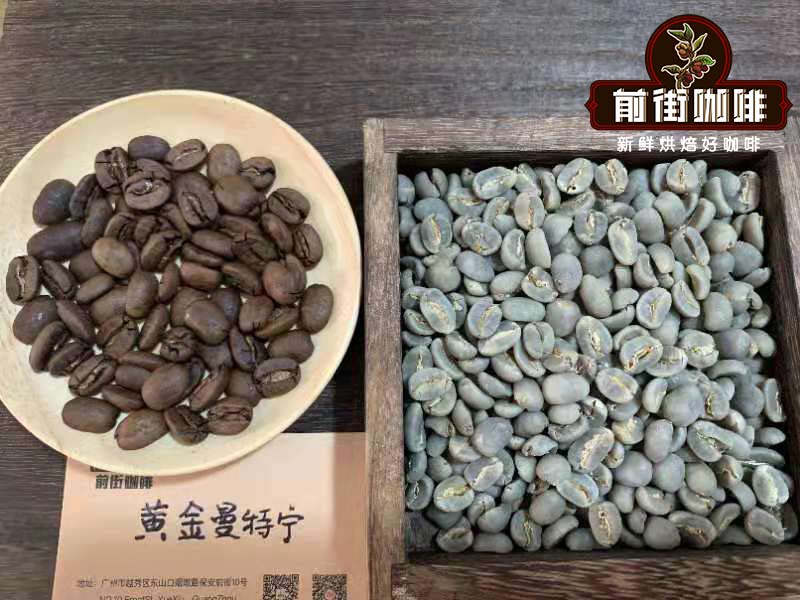
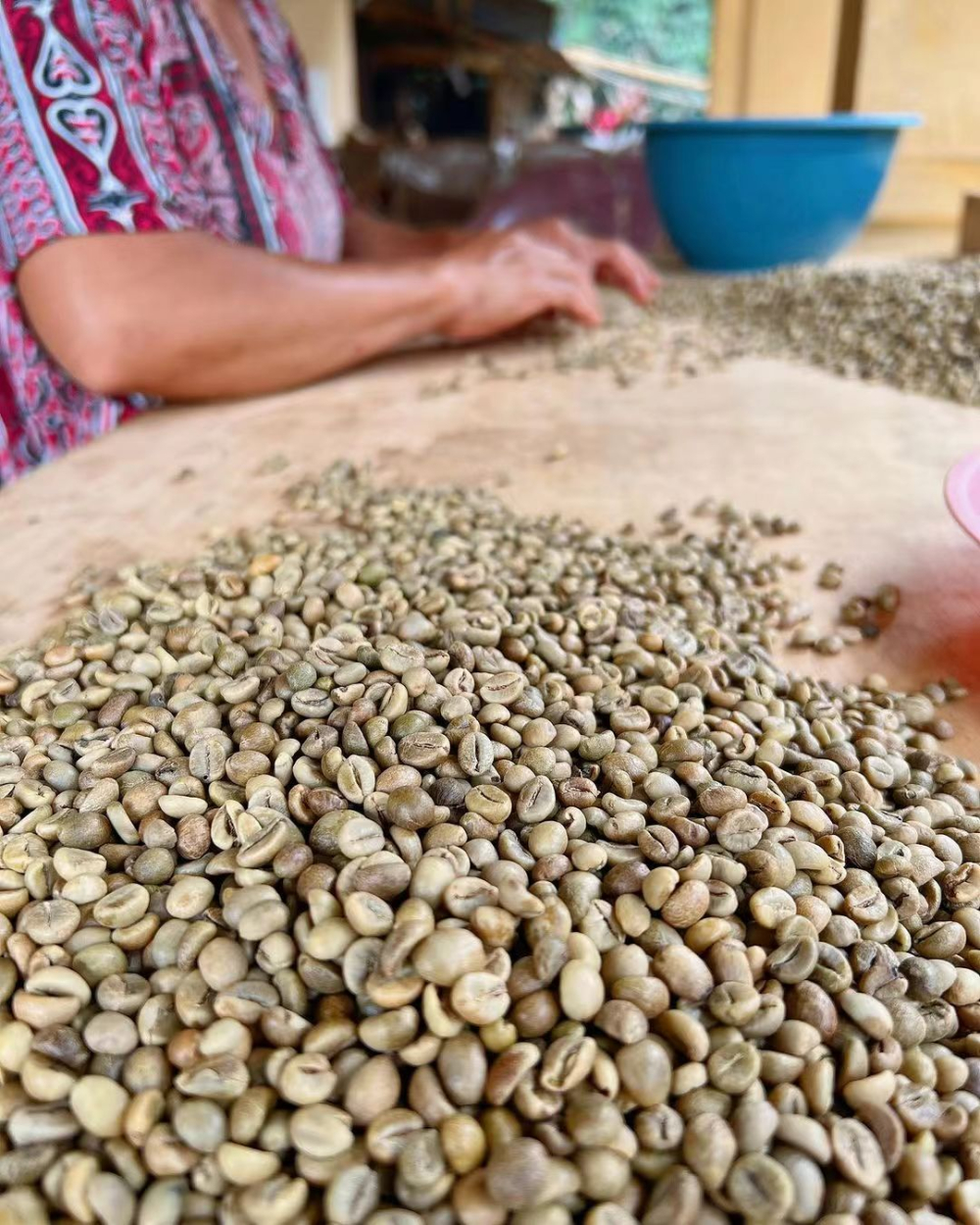
In the early days, Japanese importers had a strong demand for Sumatran coffee, but inconsistent quality was a major issue. To ensure a stable supply of high-quality beans, PWN implemented a strict screening system, selecting only G1 grade green beans — meaning fewer than 3 defects per 300g sample and bean size of 18 mesh or above. These beans underwent three rounds of manual sorting, significantly reducing defect rates and resulting in the clean, aromatic, and distinctly sweet “Golden Mandheling.”
However, the name “Golden Mandheling” was trademarked by PWN, preventing other Japanese importers from using it. As a result, they promoted the same quality beans under the name “Gold Top Mandheling (Ding Shang Golden Mandheling).” Thus, although their names differ, both actually come from high-altitude regions of Sumatra and undergo multiple rounds of rigorous selection.
Origin and Processing: Flavor Distinctions Between Lintong and Gayo Mountain
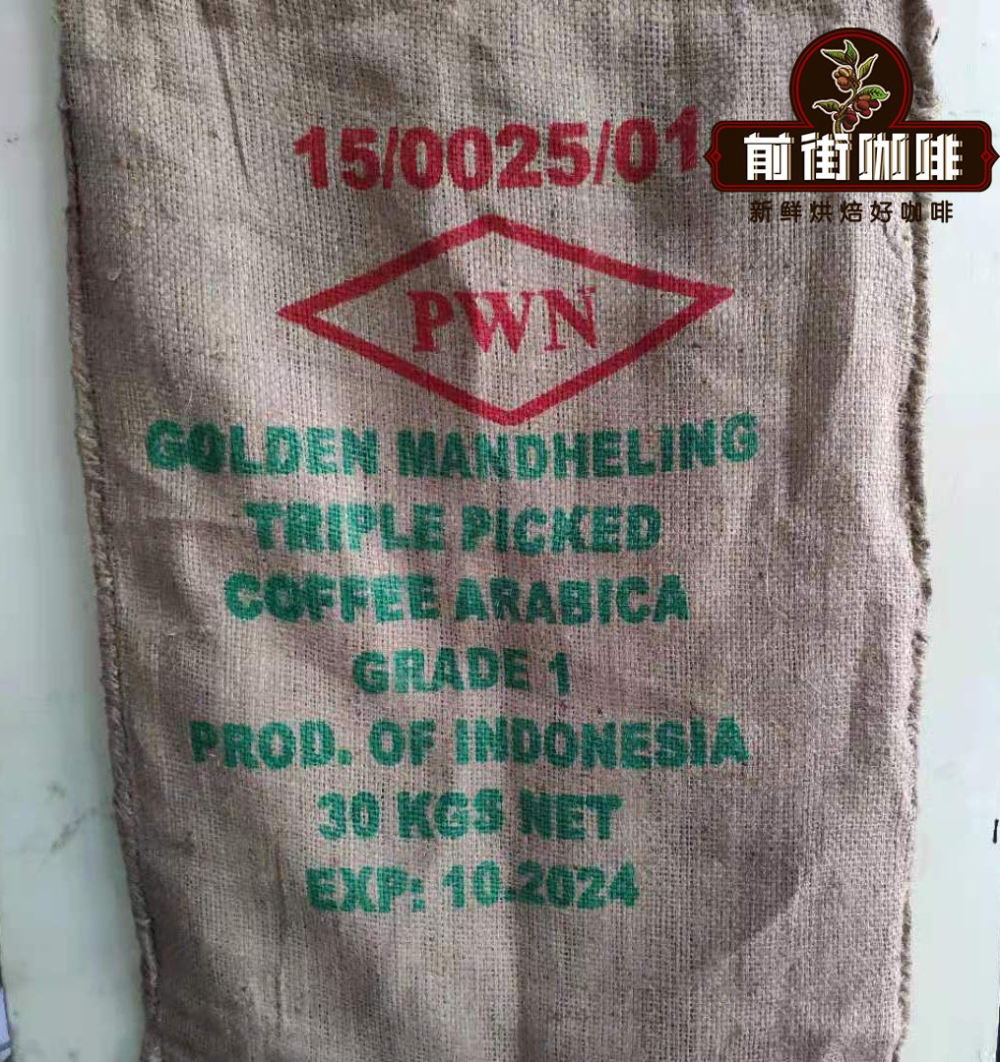
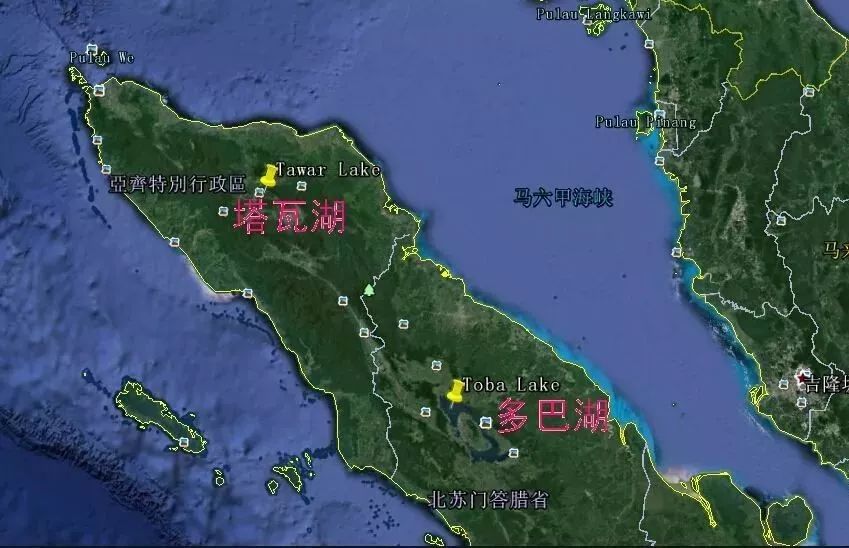
Traditionally, Golden Mandheling was mostly sourced from the Lintong region in northern Sumatra, but in 2020, PWN shifted its focus to Gayo Mountain in northern Aceh Province. Gayo Mountain has an average altitude between 1100 to 1600 meters, featuring a cool climate and significant day-night temperature variation that allows coffee cherries to ripen slowly, accumulating richer flavor compounds. This region, previously restricted due to political issues, has now resumed stable exports, and its coffee quality is even considered superior to that of the traditional Lintong region.
Variety Transition: From Typica to Ateng (Catimor)
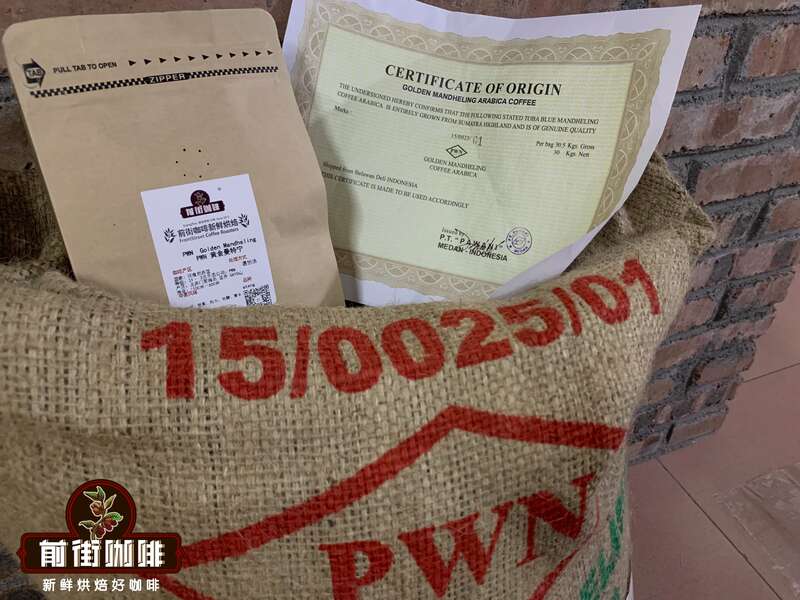
In the past, Golden Mandheling mainly used the traditional Typica variety. However, due to its susceptibility to disease and limited yield, PWN switched to the Ateng variety — commonly known as Catimor in Taiwan — after 2020. Catimor is a hybrid of Robusta’s Timor variety and Caturra, known for its disease resistance and high yield. However, its flavor profile tends to be more straightforward and benefits from refined post-harvest processing to enhance complexity.
Wet Hulling: The Key Process Shaping Mandheling’s Unique Flavor
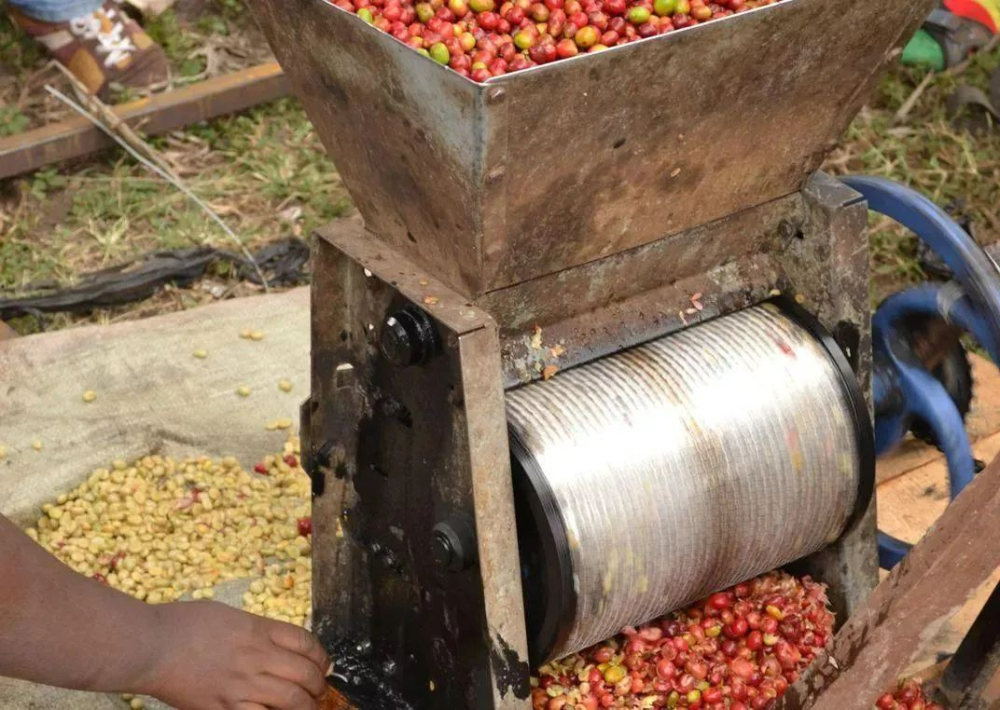
Indonesia’s unique wet hulling (Wet Hulling) method is central to defining Mandheling’s flavor profile. Due to the region’s rainy and humid climate, which is not conducive to the stable operation of traditional sun-drying or washed methods, farmers remove the pulp and ferment the beans, then prematurely strip off the parchment layer while the beans still retain a certain level of moisture. This leads to drying while the beans are still relatively moist. The process often results in compression marks on the bean surface, but these are normal and not defects. Wet hulling gives Mandheling its distinctive herbal, spicy, and earthy notes, while maintaining a solid base of chocolate and nutty richness.
Brewing Recommendations and Flavor Profile
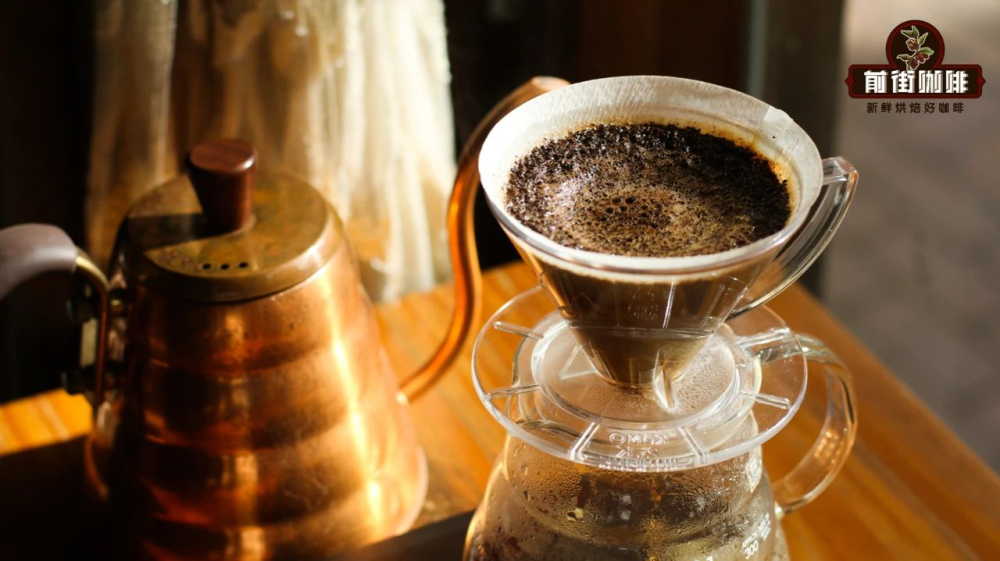
For coffee lovers who enjoy medium to dark roasts, Golden Mandheling is an excellent choice for pour over brewing. It is recommended to use a Kono filter, with a water temperature of 86°C, medium-fine grind (approximately EK43s setting 11), and a 1:15 coffee-to-water ratio. Start with a 30-second bloom using 30g of water, then pour in a small circular motion up to 125g for the first pour, followed by additional pouring to reach 225g before removing the filter. Total brew time is about 2 minutes. These parameters fully highlight its full body and layered flavors of spice, caramel, and nuts.
In terms of flavor, this coffee typically presents a rich nuttiness, aromas of black chocolate, with subtle herbal notes and a sweet caramel finish. The aftertaste is long and well-balanced. Whether you’re a beginner or a seasoned enthusiast, you can appreciate the unique charm of Sumatran coffee.
The above content is compiled by CoffeeHunters, a coffee news website.

