







Introduction:Want to understand how honey-processed coffee delivers captivating sweetness? This article takes an in-depth look at the Black Honey Caturra from Pilon Estate in Costa Rica’s Tarrazú region. We explore the growing environment of the Tarrazú region, key steps in the black honey process, and the differences among various honey processes (red honey, yellow honey, black honey). Learn how to select beans for pour over brewing and grasp the flavor profile, helping you find your own sweet coffee experience.
"Sweetness" is one of the key indicators when evaluating coffee quality. Many coffee enthusiasts hope to find beans with more pronounced sweetness. When it comes to coffees that excel in sweetness, Costa Rica’s honey-processed coffees are often the top choice. As the birthplace of the honey processing technique, Costa Rica has secured a strong position in the global specialty coffee market thanks to this method.
Recently, we came across a Black Honey Caturra from Pilon Estate in Costa Rica’s renowned Tarrazú region. These beans are not only grown in a high-altitude, premium location but also showcase rich, layered sweetness and fruity aromas through their unique honey processing. Let’s explore what makes this coffee so special.
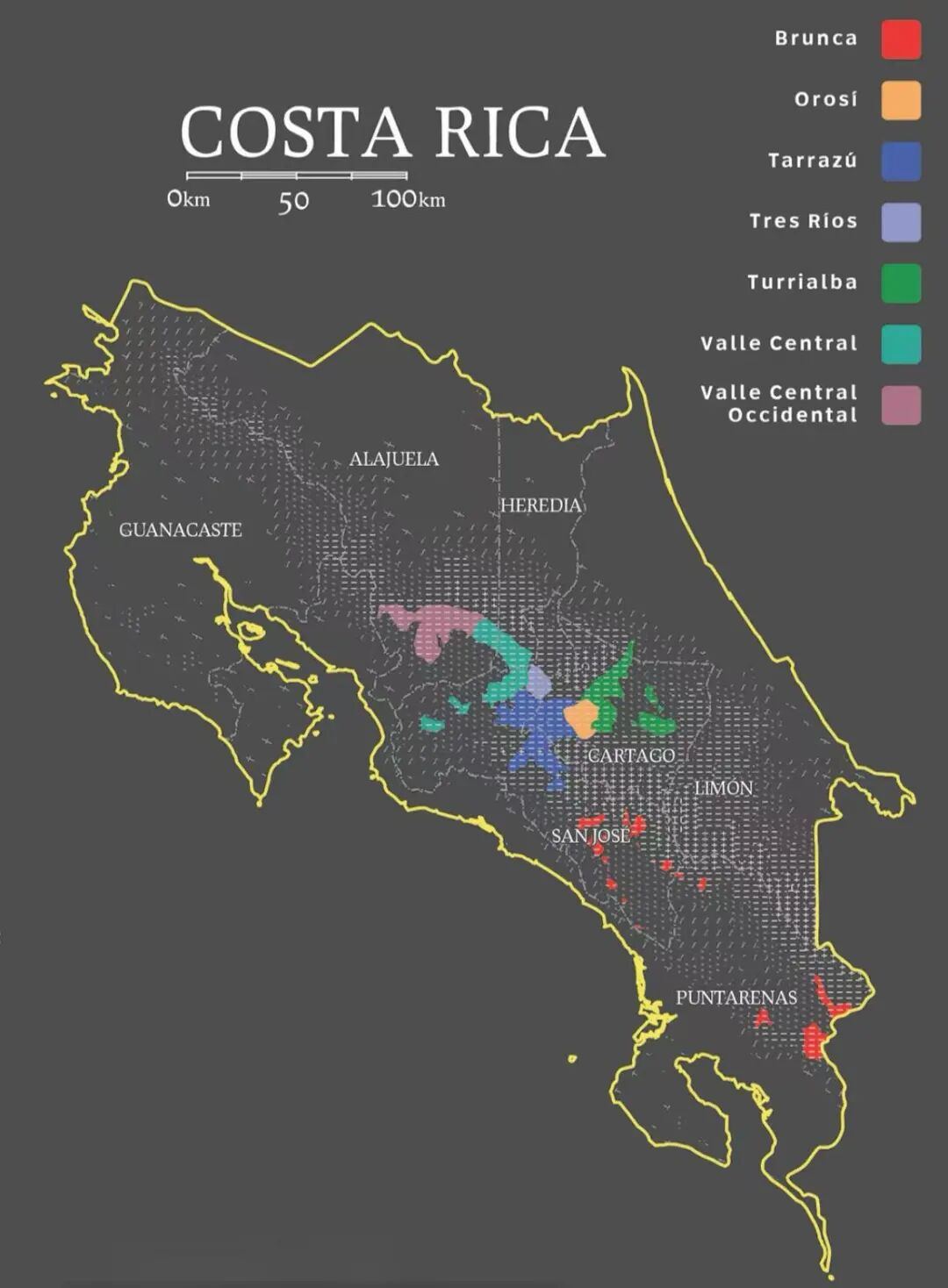
Pilon Estate is located in Costa Rica’s famous Tarrazú region and is jointly managed by Edgar Urena, Efrain Mendez, and their family members. The Tarrazú region lies in a volcanic zone, boasting a humid climate, fertile soil, and ideal elevation. The surrounding dense forests provide excellent shade, making it a prime spot for coffee cultivation.
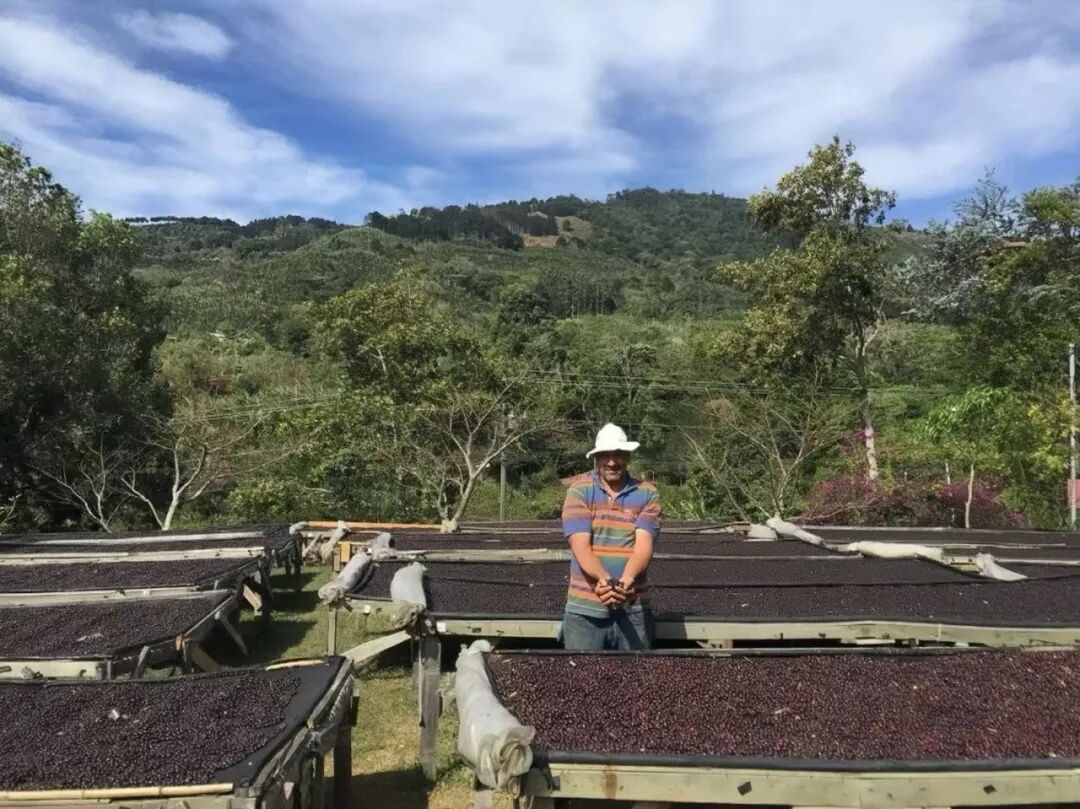
The estate sits on the border of Leon Cortez town in Tarrazú, where coffee is grown at elevations of approximately 1700–1800 meters, classified under Costa Rica’s highest grade—SHB (Strictly Hard Bean). The high altitude endows the beans with a denser structure and richer flavor potential. In fact, during the 2018 World Brewers Cup, a Japanese competitor used beans from Pilon Estate to win the championship, demonstrating the exceptional quality of these beans.
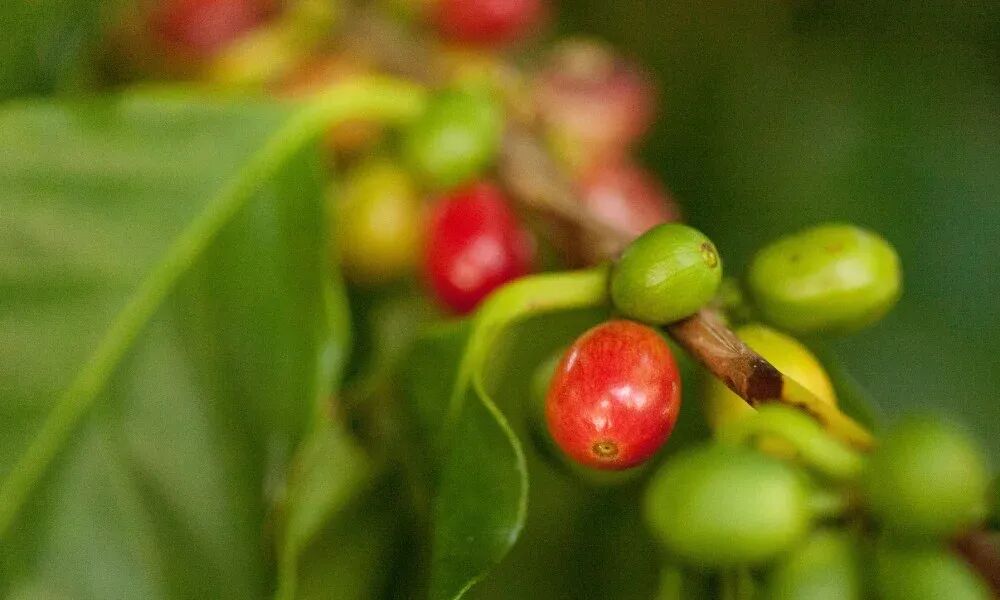
Our featured bean—the Caturra from Pilon Estate—is a black honey processed variety. Caturra is a mutation of the ancient Bourbon variety, originating in the early 20th century on a plantation in Minas Gerais, Brazil. Due to a genetic mutation, the plant is shorter than traditional Bourbon, and locals named it "Caturra" (meaning "small" in the Guarani language), or "卡杜拉" in Chinese.
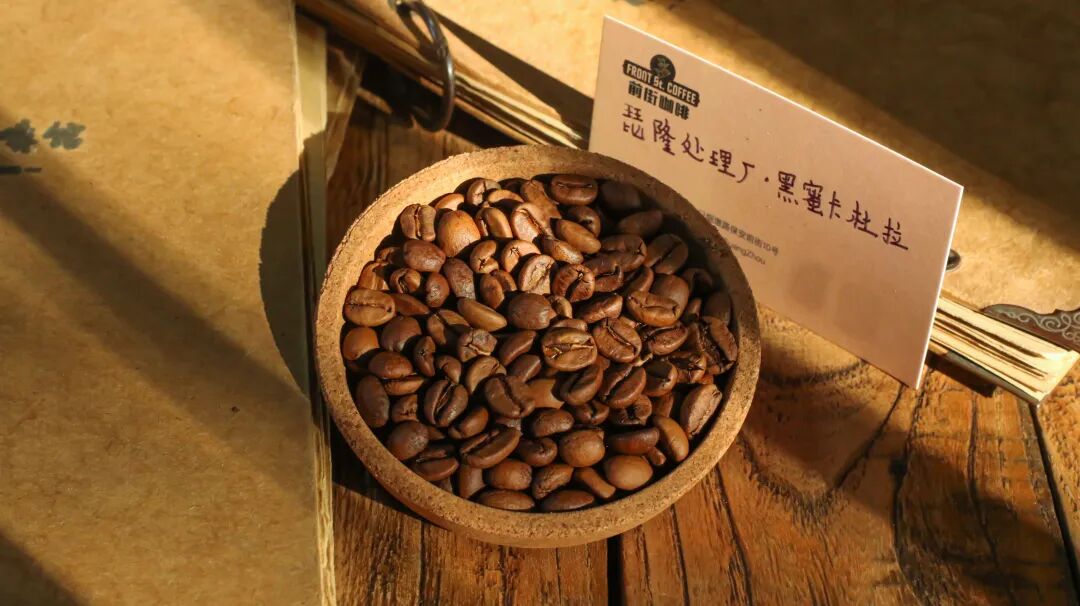
Caturra not only has a compact tree structure but can also be planted at higher densities, making harvesting and management easier. It requires more sunlight and less shade, hence it is known as a "sun-exposed coffee." In addition to being easy to grow and manage, it performs excellently in flavor, offering bright acidity and clear sweetness. It is a staple variety on many Central American coffee farms. Our menu also features several outstanding Caturra offerings, including Panama Geisha, Duncan Estate Caturra, and today’s star—Pilon Estate’s Black Honey Caturra.
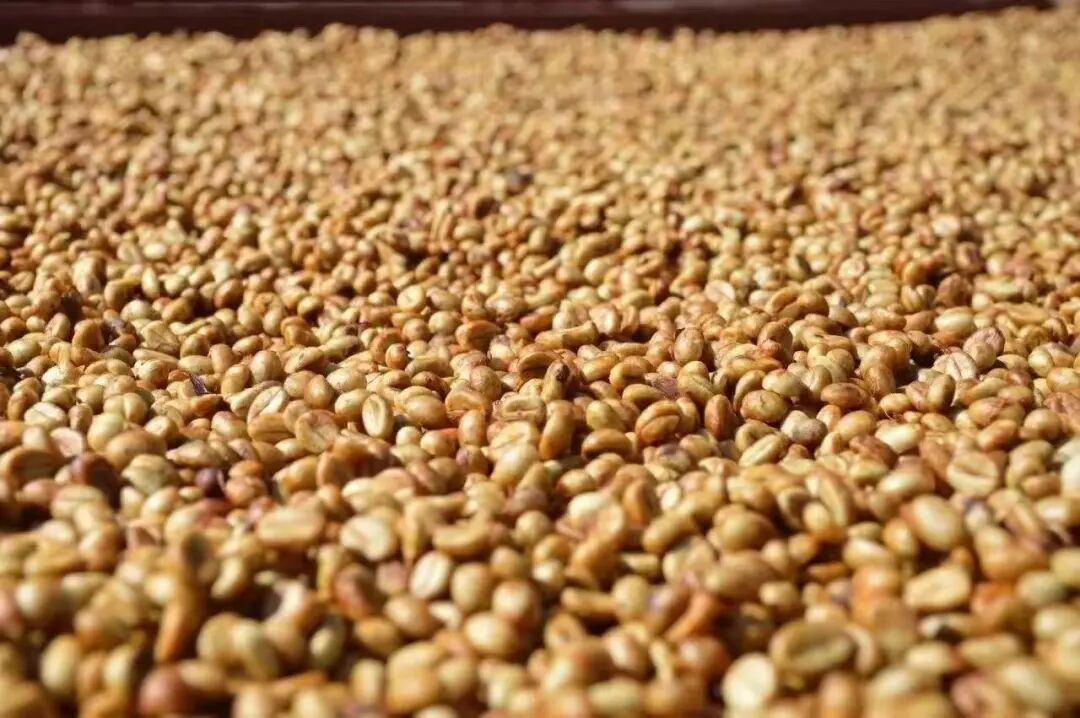
When it comes to honey processing, many may already be familiar, but what exactly is "black honey processing"? Honey processing actually originated from Brazil’s pulp natural method—a technique that balances efficiency with flavor expression. Its hallmark is the removal of the coffee fruit's outer skin and pulp while retaining varying degrees of the mucilage layer, followed by drying. This method not only shortens drying time but also conserves water effectively.
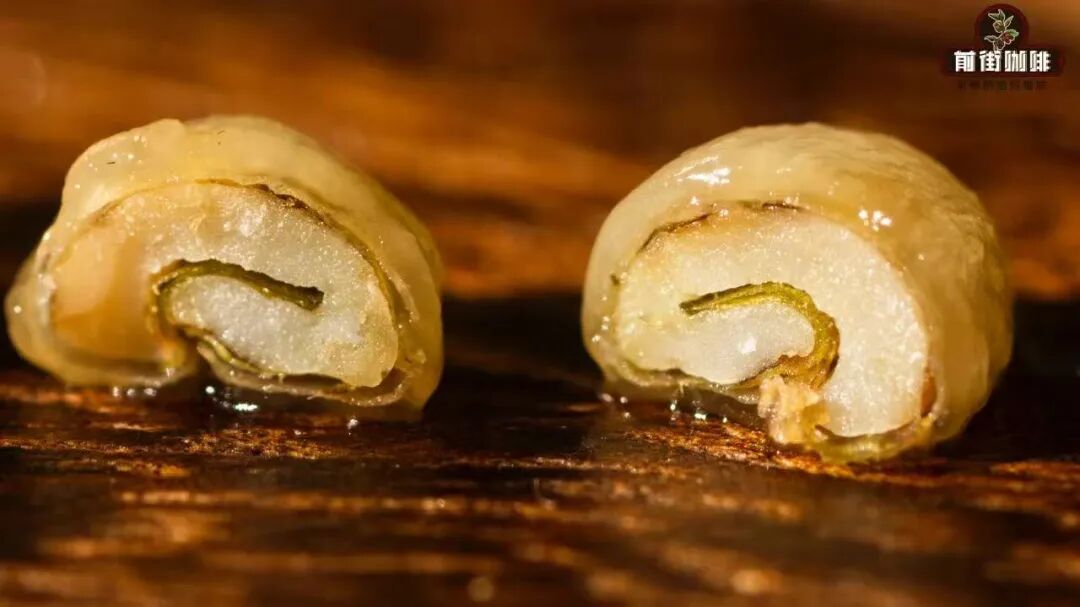
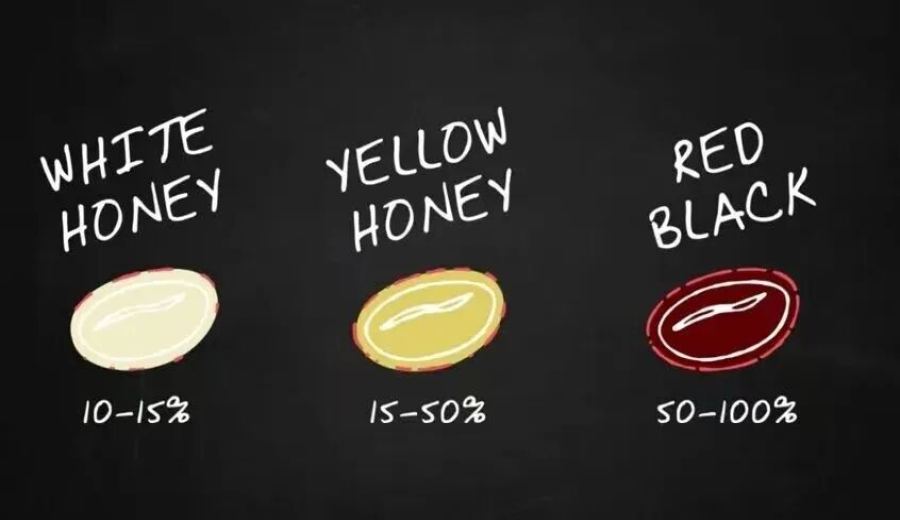
In honey processing, the term "honey" refers to the sticky texture produced during drying due to the sugars in the coffee mucilage, which resembles honey in appearance—hence the name. Depending on how much mucilage is retained, honey processing is divided into white honey, yellow honey, red honey, and black honey. The main differences lie in the amount of mucilage left before drying and the resulting bean color and flavor profile.
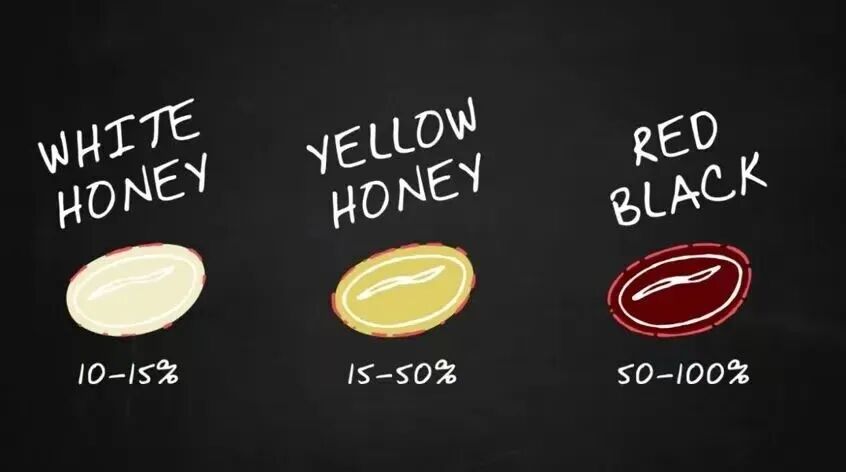
Among them, black honey processing retains the most mucilage—typically almost none is removed—resulting in the longest drying time, usually 14 days or more. To avoid rapid drying affecting sugar conversion, farmers often use covers to reduce direct sunlight, allowing the beans to ferment slowly and accumulate sugars, thus developing a richer sweetness and complex flavors.
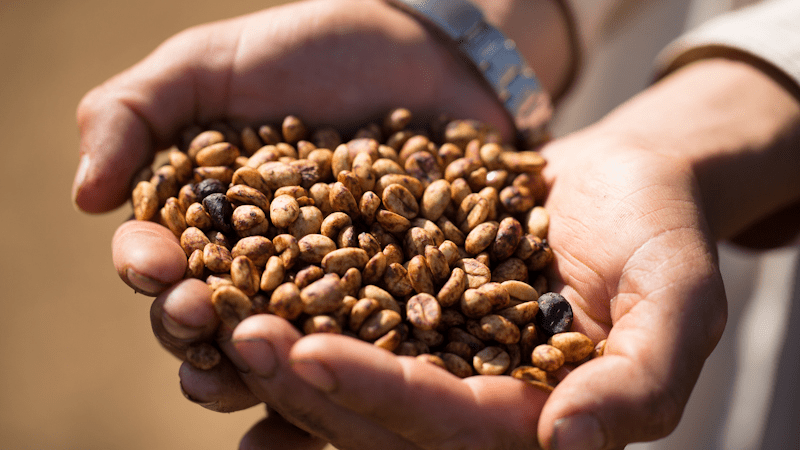
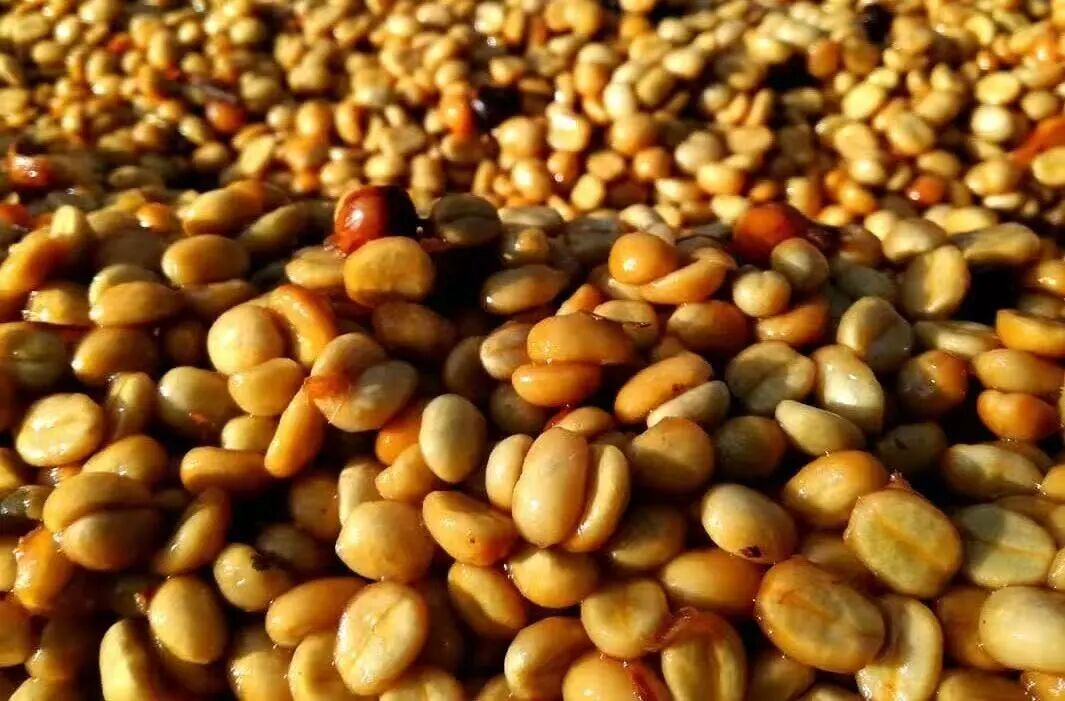
Observing the green beans of this Black Honey Caturra from Pilon Estate, due to the large and uneven distribution of mucilage, the raw beans have a slightly mottled appearance and emit a strong fermentation aroma—another typical trait of black honey processing.

To fully showcase the sweetness potential of these beans, we opted for a medium-light roast and conducted immediate cupping to capture its true flavor profile.
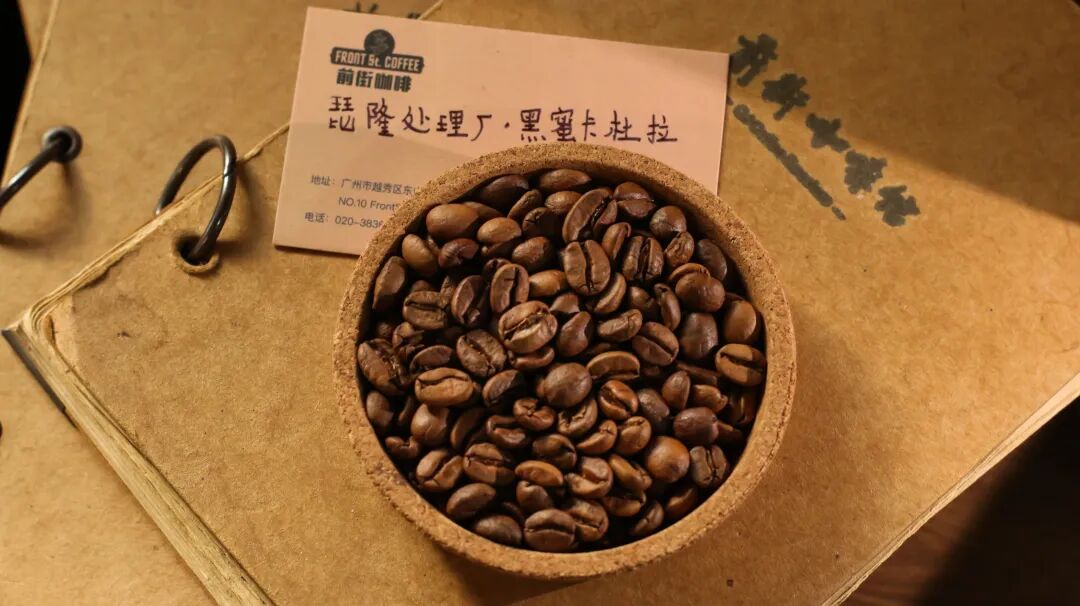
Costa Rica · Pilon Estate Black Honey Caturra
Region: Costa Rica, Tarrazú Region
Processing Farm: Pilon Estate
Elevation: 1800 meters
Processing Method: Black Honey
Variety: Caturra
Flavor: Grape, berries, floral, slight fermentation notes
In the dry aroma, this Black Honey Caturra reveals intense berry and grape sweetness, accompanied by soft floral notes and subtle fermentation undertones, delivering a rich and pleasant aromatic profile.

Upon tasting, the high-temperature stage offers a bright acidity of grape, green grape, and berries, along with delicate floral notes and gentle fermentation sensations. As the temperature slightly drops, the fine acidity reminiscent of apricots and the creamy, velvety sweetness gradually emerge, with a lingering finish akin to fruit wine. The overall mouthfeel is clean, layered, and long-lasting, making this a highly distinctive honey-processed coffee in terms of flavor expression.
The above content is compiled by CoffeeHunters, a coffee news website.

