







Introduction:Geisha coffee, with its distinctive floral and fruity acidity flavors, has become a star variety highly sought after by specialty coffee enthusiasts. But do you know the difference between it and Ethiopia’s Yirgacheffe? This article delves into the origins of Geisha, the characteristics of its major producing regions, with a special focus on the growing environment and processing methods at Panama’s Hacienda Esmeralda, and provides practical brewing parameters and flavor profiles for two classic bean varieties to help you find your own coffee preference.
The name Geisha (or Gesha) coffee originates from the coffee variety discovered in 1931 in the Gesha forest of southern Ethiopia. Its name coincidentally resembles the Japanese word for “geisha,” leading to its informal nickname as “Geisha coffee.” In fact, this is the scientific name of a coffee variety, not a designation for origin or brand. Although it is now grown in many places around the world, including Costa Rica, Colombia, and Yunnan in China, it is Panama that has truly brought Geisha to international fame.
The Origin and Discovery of Geisha
The Geisha variety was first discovered in 1931 in Ethiopia’s Gesha forest, then sent to a coffee research institution in Kenya, and subsequently introduced to Uganda, Tanzania, and even Costa Rica in 1953. It wasn’t until the 1970s that Panamanian coffee farmer Francisco Serracin obtained seeds through the CATIE research center in Costa Rica and began cultivating Geisha in Panama. Notably, Geisha was initially identified as having exceptional and surprising flavor profiles through cupping comparisons across various harvest batches, making it the result of repeated verification and careful selection.

Basic Differences Between Geisha and Yirgacheffe
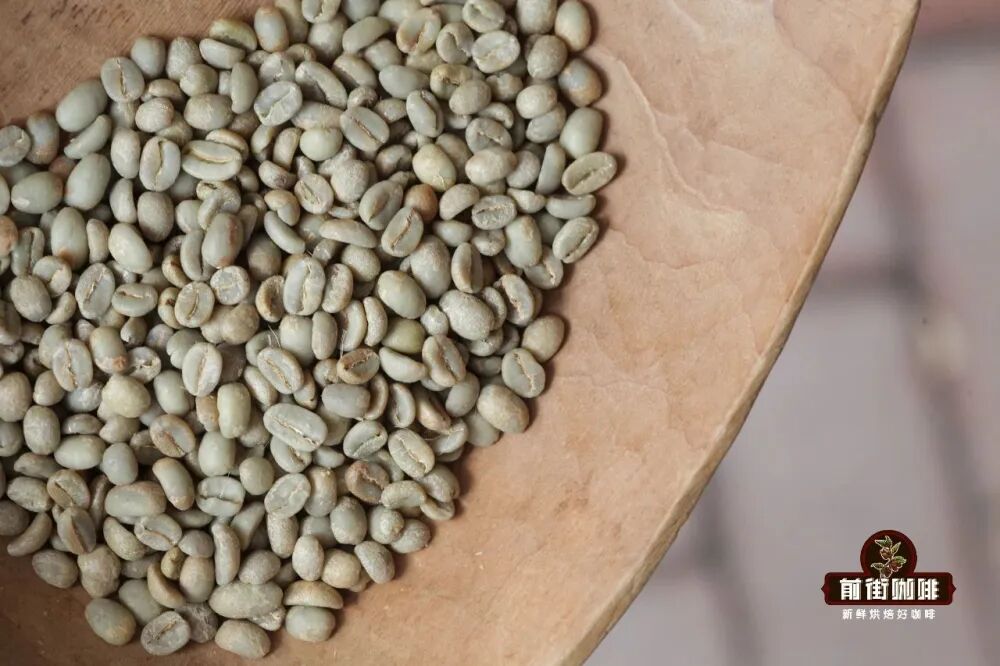
Although both Geisha and Yirgacheffe belong to the Arabica species, they differ fundamentally in variety and regional characteristics. Yirgacheffe is a renowned specialty coffee region in Ethiopia, where the beans produced are mostly local heirloom varieties (Heirloom), with a wide range of types and genetic diversity. The beans vary in size due to the region's rich and not yet fully classified coffee gene pool. In contrast, Geisha is a distinct coffee variety with highly recognizable flavor characteristics.
The Unique Environment of the Yirgacheffe Region
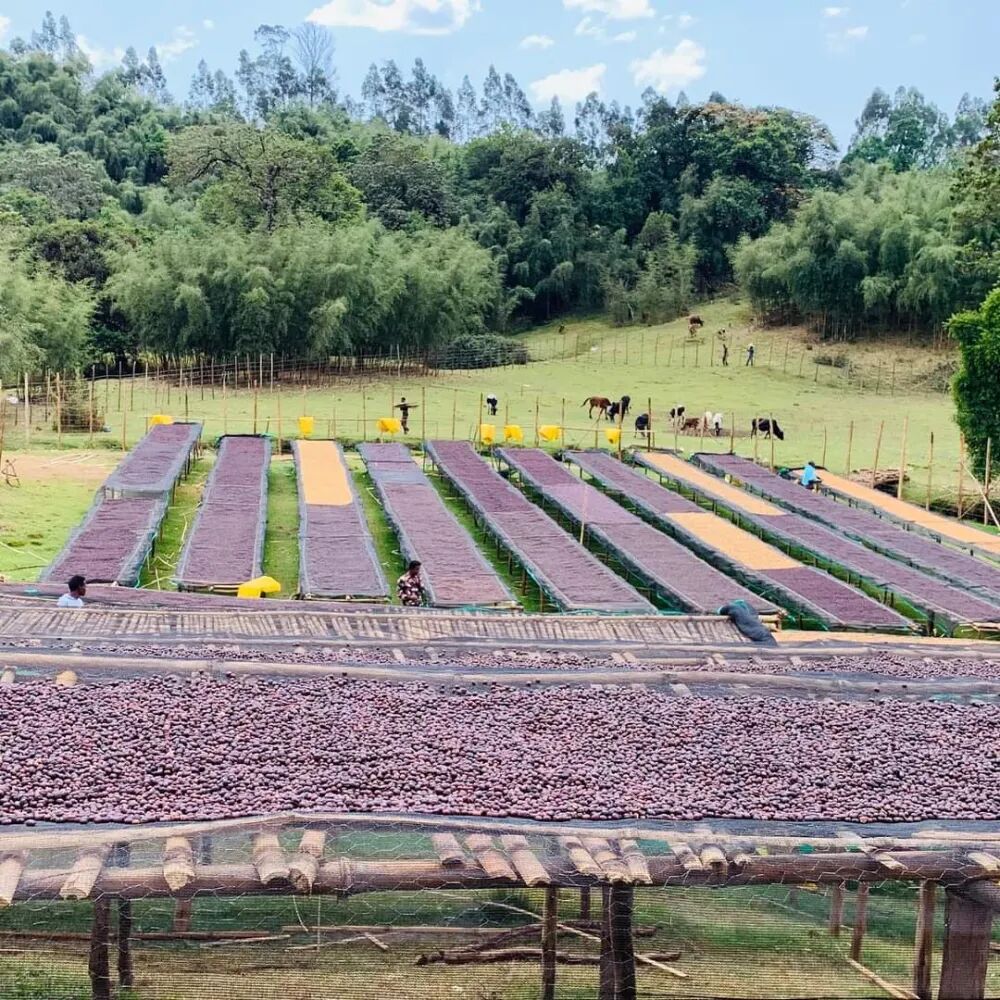
Yirgacheffe is a highland town located in Ethiopia’s Gedeo Zone, at an altitude of 1700 to 2200 meters. With a cool climate and long growth cycle, the coffee cherries can accumulate richer aromatic compounds. Local coffee is mostly grown by smallholders in their backyards, intercropped with other plants to provide moderate shade. After harvest, the coffee is usually processed collectively by cooperatives, among which the washed processing method particularly contributes to the bright and clear flavor profile of Yirgacheffe.
The Rise of Panamanian Geisha
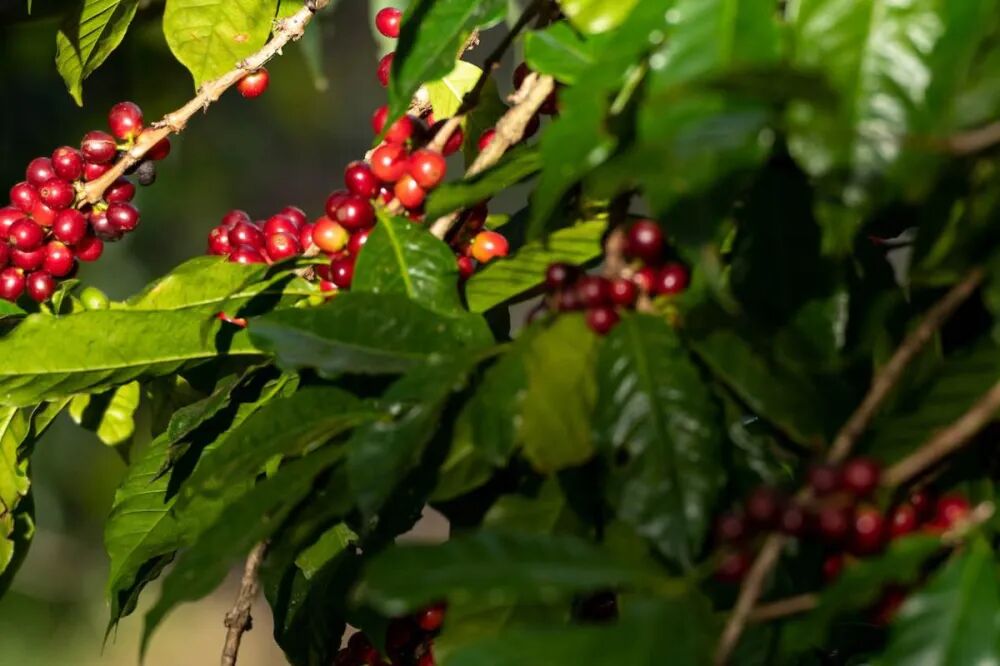
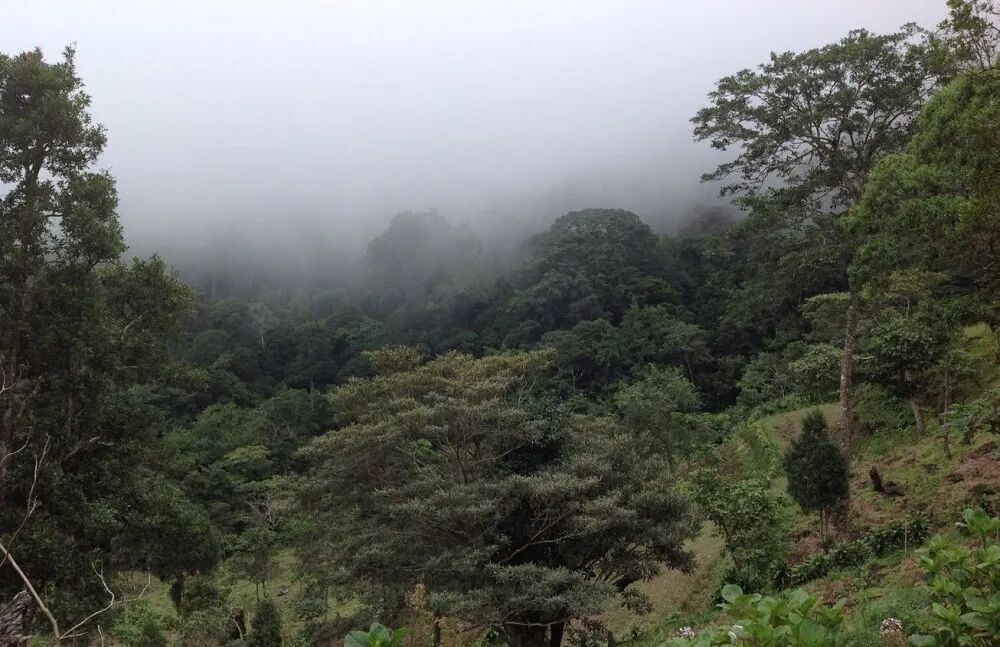
Compared to its performance in its place of origin, the Geisha variety has found an ideal growing environment in Panama. Especially in the Boquete region, where the central mountains block cold air, creating a stable high-altitude microclimate, along with fertile volcanic soil and moderate cloud cover, allowing Geisha to exhibit its ultimate potential. High-altitude cultivation slows the ripening of coffee cherries, enabling the accumulation of more complex flavor compounds, resulting in clear floral notes, citrus acidity, juicy mouthfeel, and a lingering honey and green tea finish.
Contributions of Hacienda Esmeralda and Elida Estate
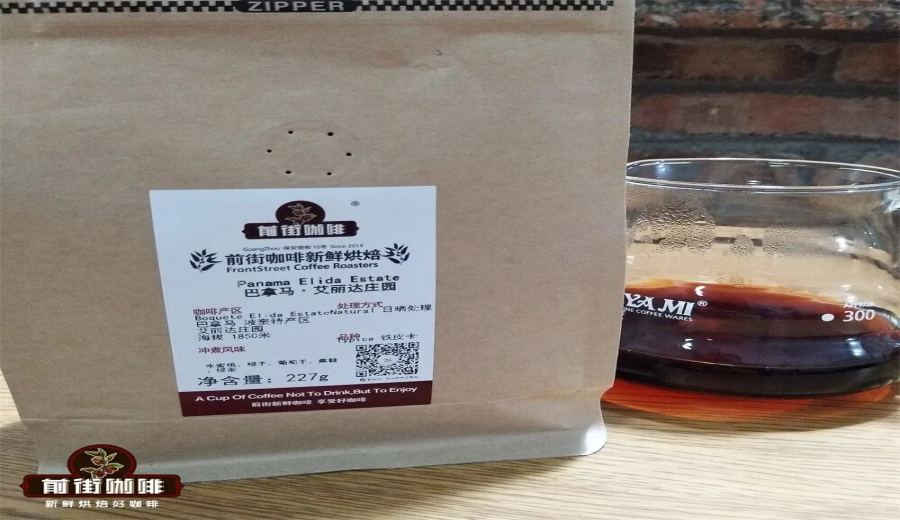
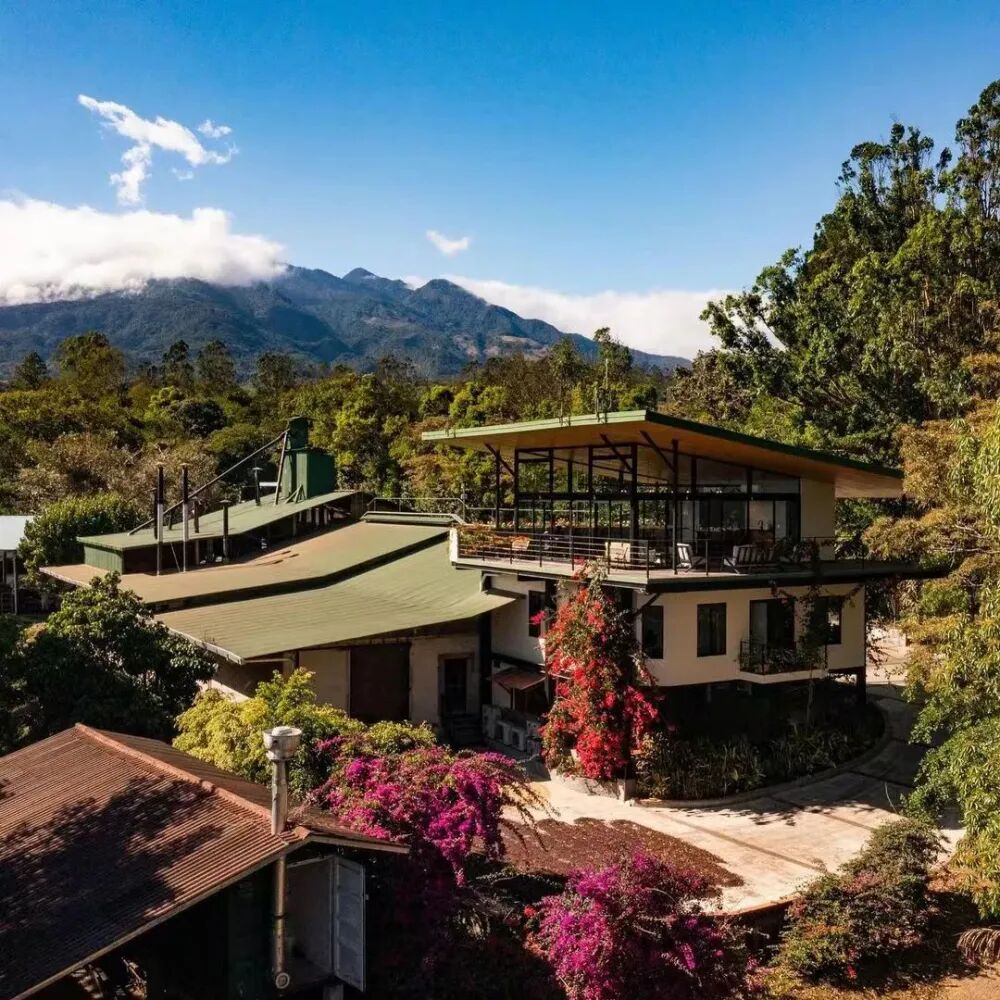
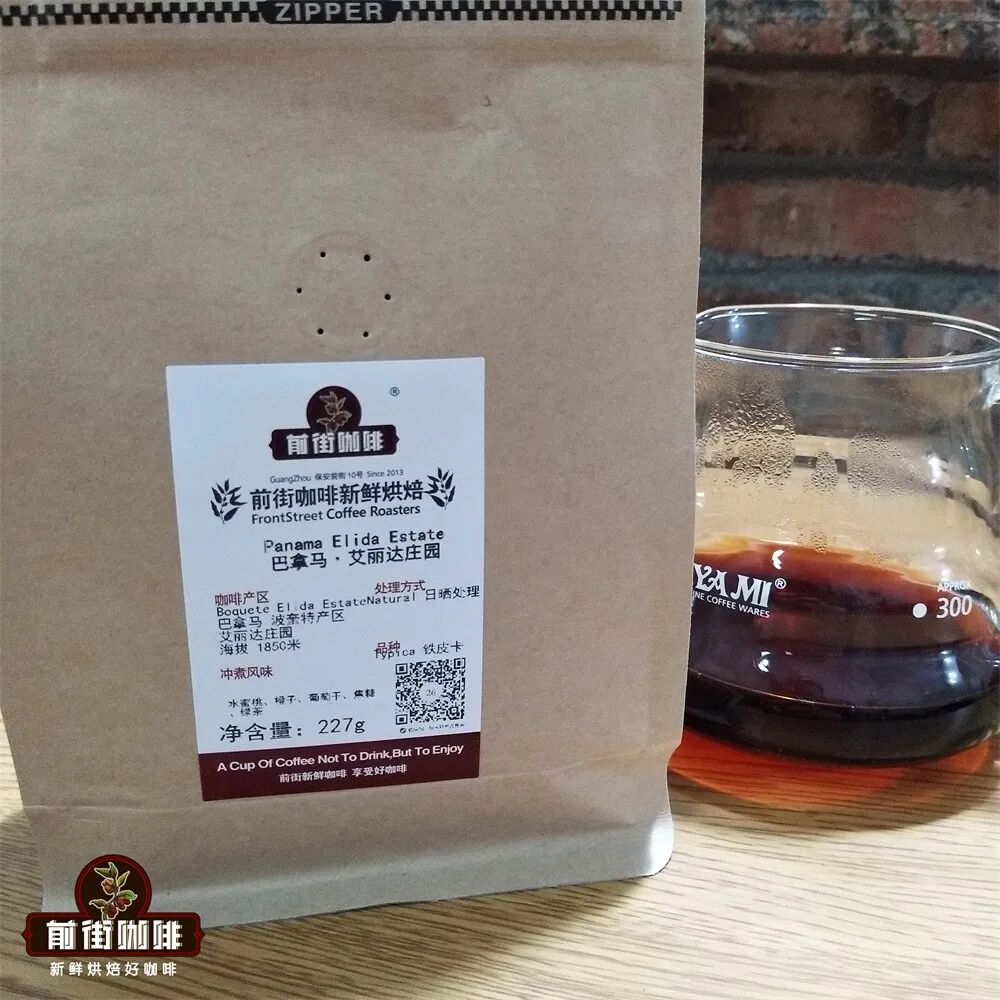
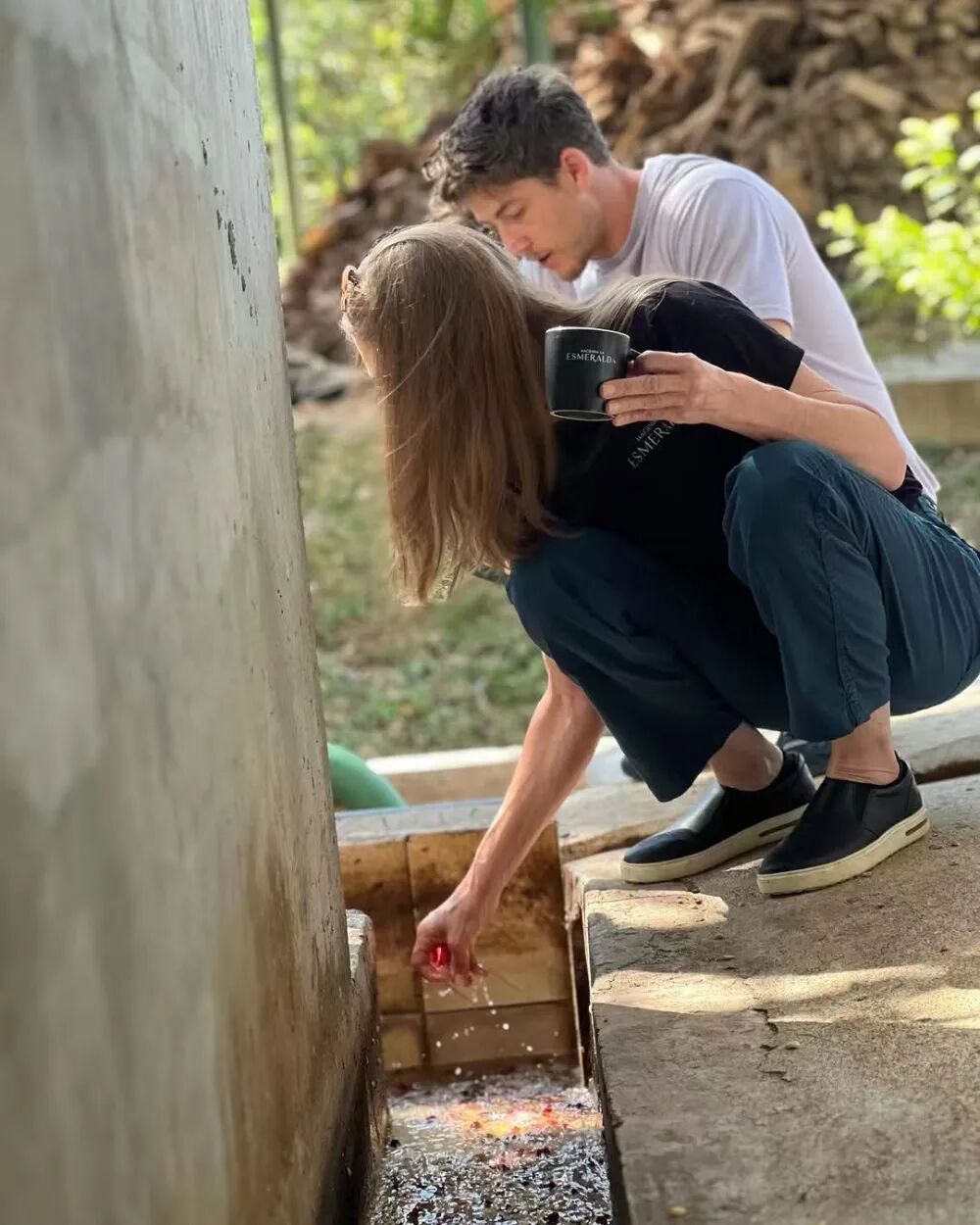
Panama’s Hacienda Esmeralda (La Esmeralda) is a key promoter of the Geisha variety. The estate’s Jaramillo, Cañas Verdes, and El Velo farms, due to differences in altitude and microclimate, grow different grades of Geisha, distinguished by red and green labels. Additionally, Elida Estate, with its century-long planting history and location in the high-altitude area of the Barú volcano, also produces highly acclaimed Geisha varieties, further enhancing Panama’s international reputation for Geisha.

The Impact of Processing Methods
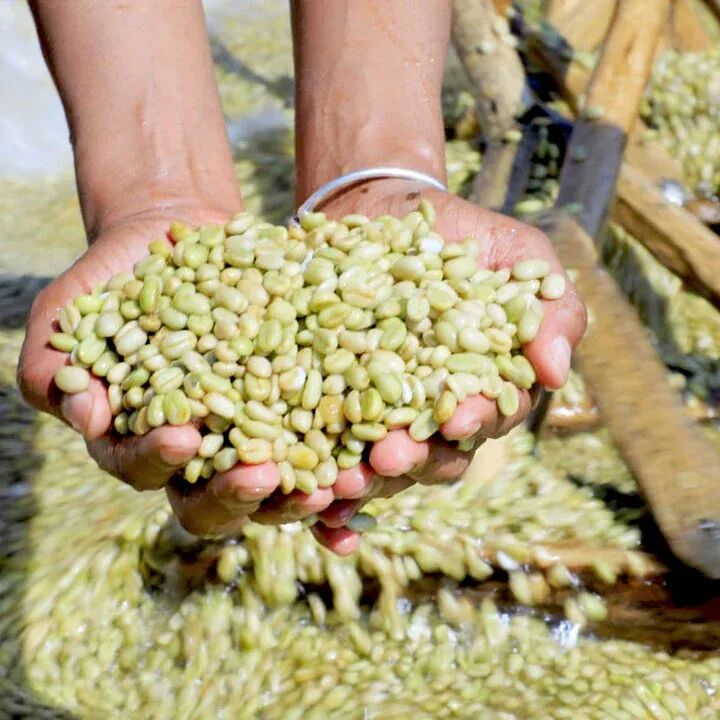
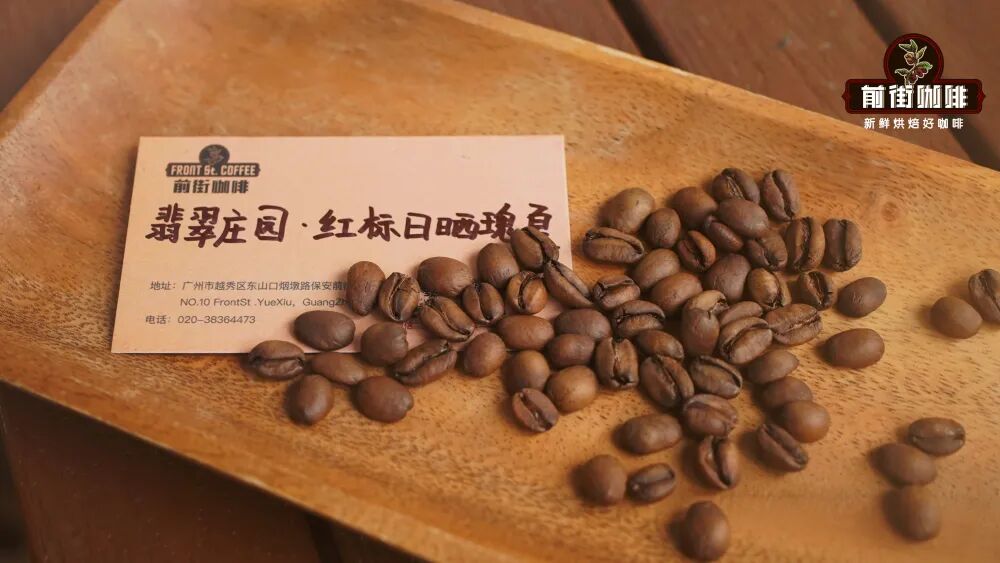
Both Geisha and Yirgacheffe can be processed using either washed or natural (sun-dried) methods, and different processing techniques significantly affect the final flavor profile. For example, washed processing typically results in cleaner, brighter acidity and citrus notes, while natural processing enhances sweetness, fruitiness, and body. Hacienda Esmeralda’s washed green-label Geisha and natural red-label Geisha are classic representatives of these two processing methods—the former emphasizes clean acidity and a green tea–honey finish, while the latter showcases intense floral and berry flavors.
Practical Brewing Recommendations and Parameters
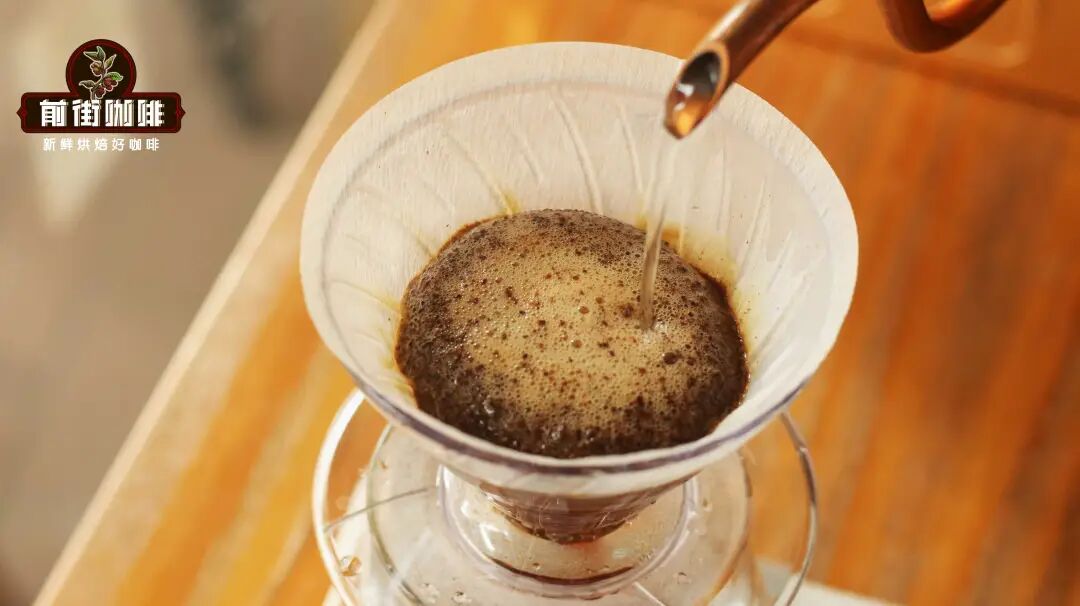
Both Geisha and Yirgacheffe are generally brewed as light roasts. It is recommended to use a medium-fine grind (approximately 80% passing through a Chinese No. 20 sieve), paired with water heated to 91–92°C to fully bring out their flavors. Using a V60 dripper as an example, you can use 15 grams of coffee grounds, with a coffee-to-water ratio of 1:15. For the first bloom, pour 30 grams of water and let it sit for 30 seconds; then pour 125 grams at the 1-minute mark and 225 grams at the 1:40 mark, aiming for a total brew time of around 2 minutes to achieve the best balance.
Quick Reference for Flavor Profiles
- Washed Yirgacheffe: Lemon, citrus, floral, cane sugar, with a honey and oolong tea finish
- Natural Red Cherry Yirgacheffe: Lemon, berries, licorice, sweet orange, distinctly sweet, with a black tea-like aftertaste
- Washed Boquete Geisha: Bergamot, lemon, citrus, smooth mouthfeel, with green tea and honey sweetness in the finish
- Natural Elida Geisha: Rose, berries, fermentation notes, nuts, with rich layers
In summary, what makes Geisha coffee so captivating is its high selectivity for environment and the extraordinary flavor it can express under the right conditions. Whether you prefer the bright and refreshing Yirgacheffe or the layered, floral-rich Panamanian Geisha, it is recommended to try different combinations of regions and processing methods to find the cup that suits your taste best.




The above content is compiled by CoffeeHunters, a coffee news website.

