







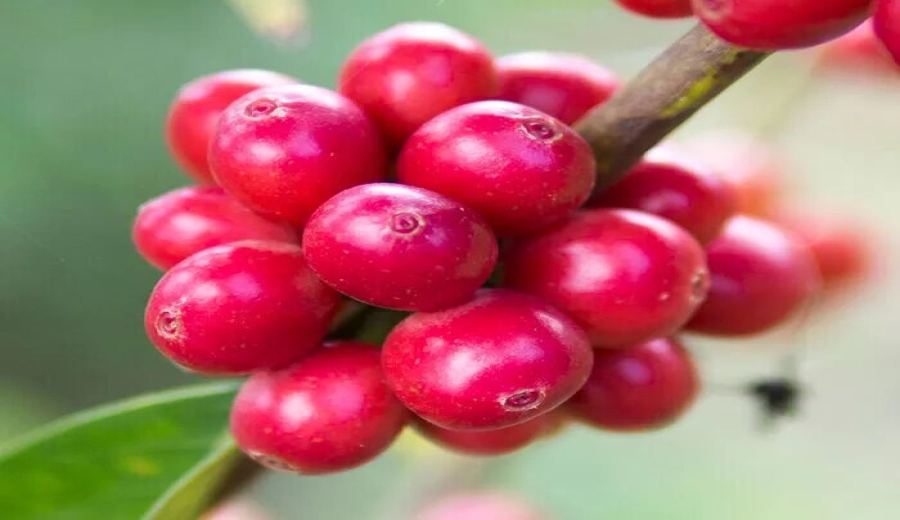
Introduction:Geisha coffee rose to global fame from Panama, but its original variety actually originates from Ethiopia. This article delves into the discovery of the Gori Gesha forest, how Gesha Village established a rigorous quality grading system, and compares the processing methods and flavor profiles of popular offerings such as the Green Label, Gold Label (Gesha 1931), and Jade Green Label from Gesha Village — helping coffee enthusiasts choose the Geisha beans that suit their taste.
When it comes to specialty coffee, Geisha is undoubtedly an unforgettable name. This variety, which once shot to fame in Panama, helped the world rediscover the potential of Central American coffee and propelled Panamanian coffee prices to new heights. But did you know? Geisha is not actually native to Panama; its roots can be traced back to the birthplace of coffee — Ethiopia.
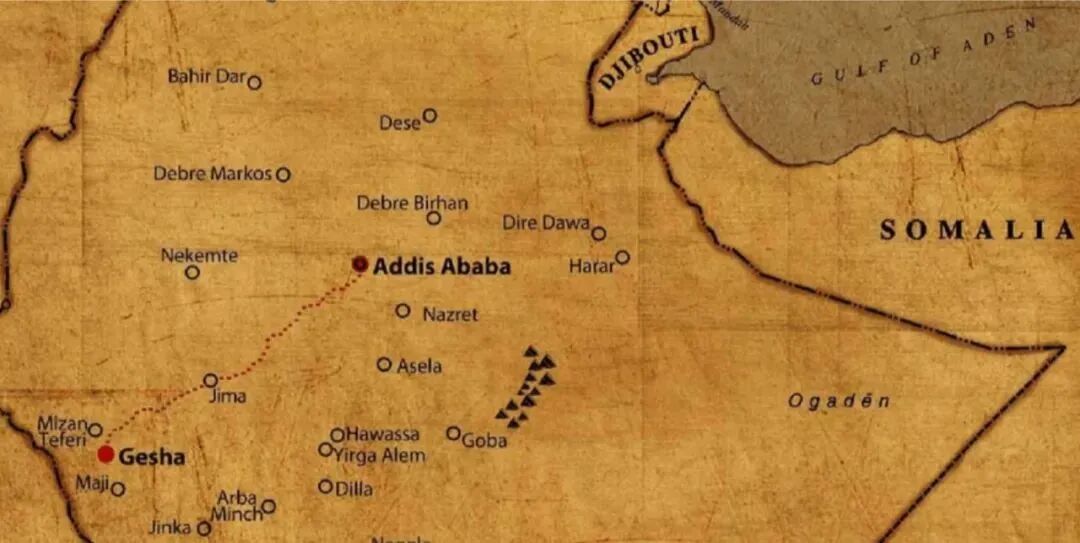
Ethiopia is home to numerous wild coffee varieties, many of which locals can’t even distinguish individually, often collectively referred to as "Ethiopian heirlooms." The famous Panamanian Geisha was first discovered in a forest called "Gesha," then traveled through Kenya, Uganda, Tanzania, eventually reaching Costa Rica, and was later introduced to Panama from there.
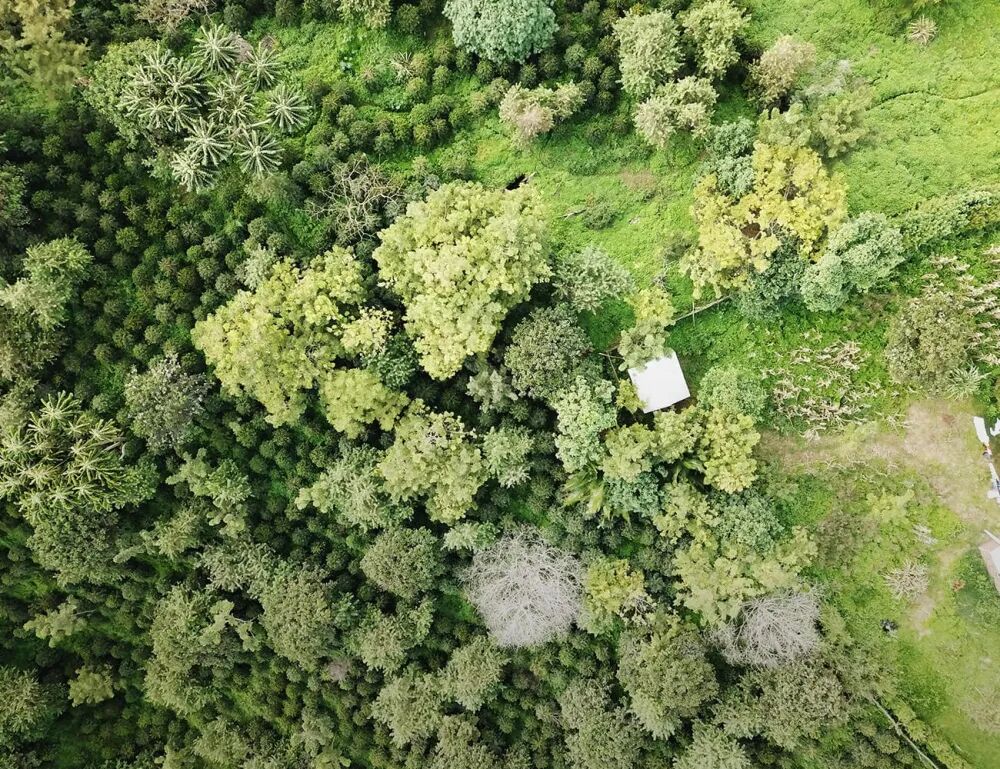
Documentary filmmaker Adam Overton and his photographer wife Rachel Samuel founded the Gesha Village Coffee Estate near the Gori Gesha forest. Led by mule farm owner and BOP judge Willem Boot, they ventured deep into the surrounding jungles for exploration and unexpectedly discovered various wild coffee trees, the most astonishing of which was wild Geisha.

It was only later that they learned they had found the actual Gori Gesha forest — the very place where the Geisha variety was first discovered. They collected seeds from the wild trees, selected them, and planted them at Gesha Village. The estate was established on 475 hectares of land about 12 miles from the Gori Gesha forest, officially forming the Gesha Village Coffee Estate.
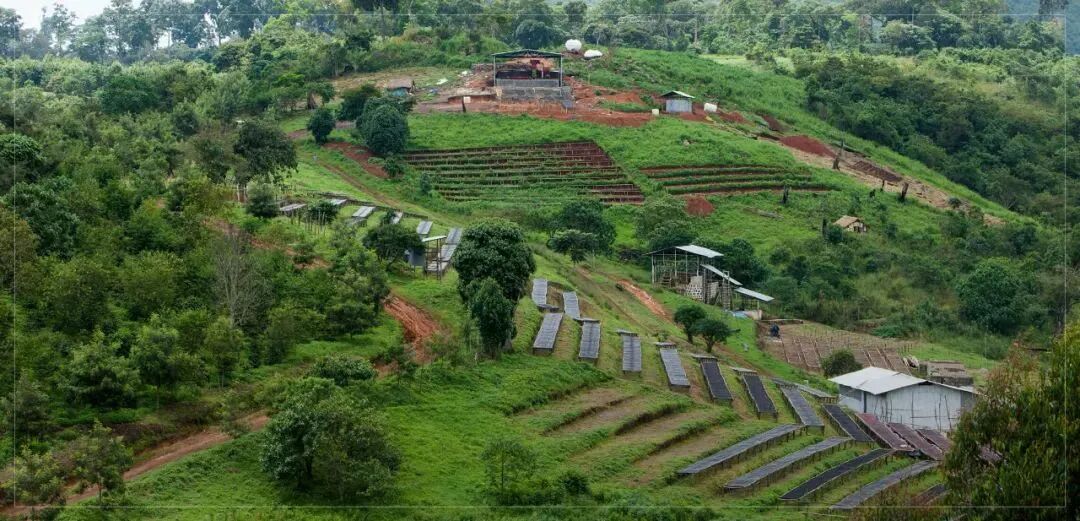
In Ethiopia, large estates are uncommon, and there’s no grading system like those in Central and South America. However, Willem Boot and Adam decided to emulate the model of the Hacienda La Esmeralda estate, transforming Gesha Village into Ethiopia’s first coffee farm with a complete quality control and traceability system. Their products are divided into auction-grade, Gold Label, Red Label, Green Label, and Chaka lots, each with traceable origin information.

Because both Gesha Village and Panama’s Hacienda La Esmeralda have clear grading systems and brand color naming conventions, many consumers easily confuse the two, especially when it comes to Green Label and Red Label products. Take the Green Label, for example: Hacienda La Esmeralda’s Green Label is usually washed processed, sourced from three farms (Jaramillo, Canas Verdes, and El Velo) at altitudes of 1600–1800 meters, showcasing the classic Panamanian Geisha profile — such as bright floral and fruity notes.
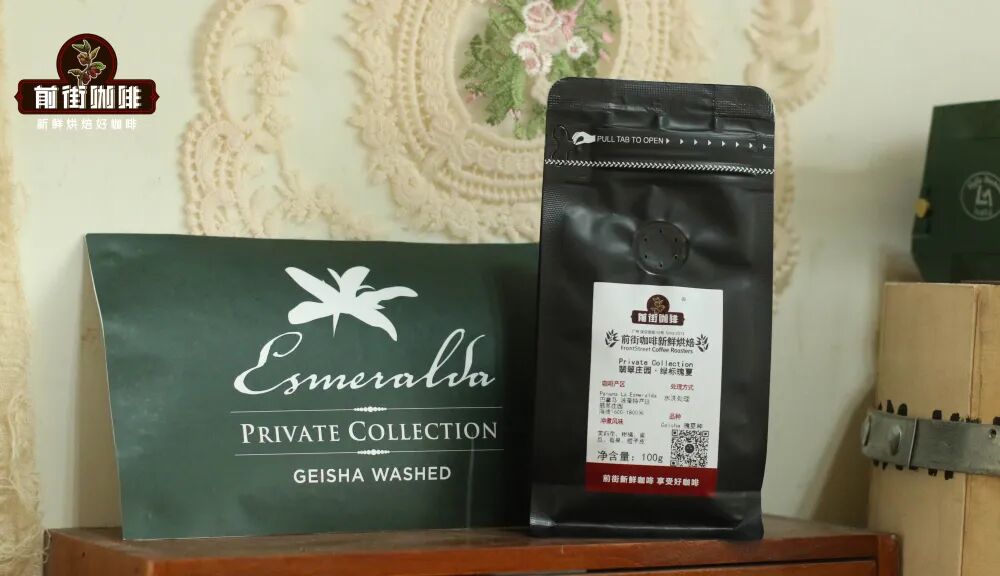
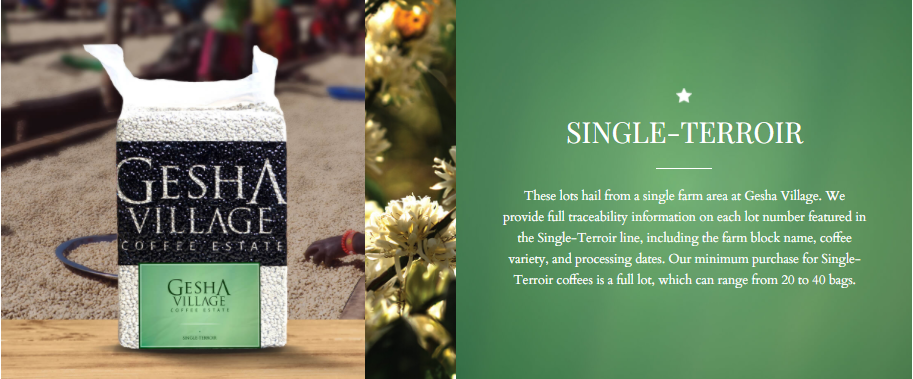
In contrast, the Green Label from one coffee farm refers to Geisha beans from a single plot and a single variety, with complete origin and processing information — something quite rare among most Ethiopian coffees. One coffee shop once imported this farm’s natural Green Label, roasted at a medium-light level, emphasizing the expression of floral and fruity aromas.
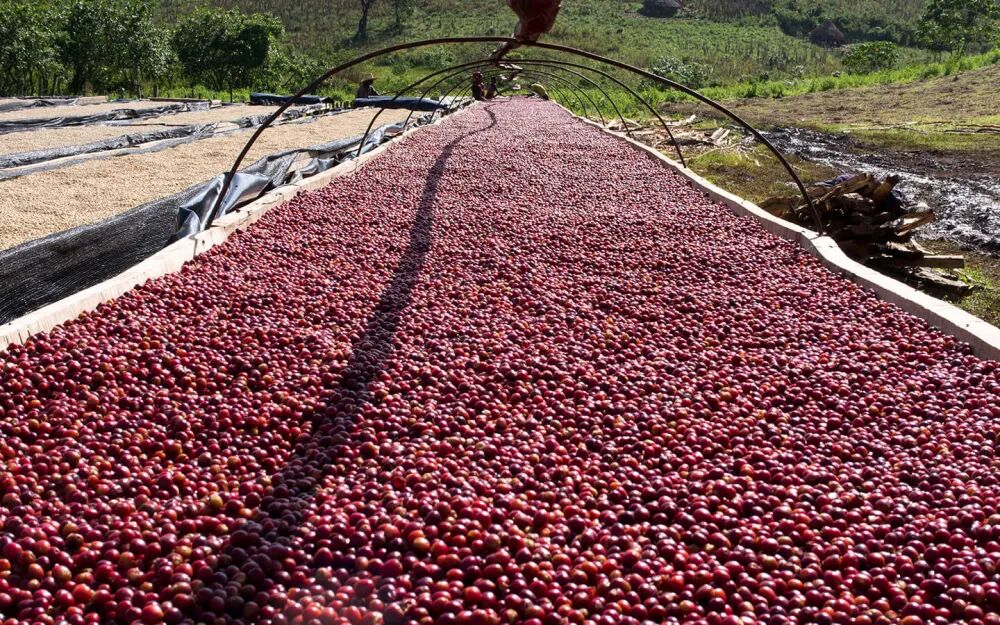
Regarding processing methods, this coffee shop’s farm coffee mostly uses natural processing. The process includes first removing impurities, then placing the coffee cherries in thin layers on African raised beds and covering them with plastic sheeting for sun drying. During this period, the cherries are turned and sorted multiple times to remove defective and unripe beans, with the entire drying time lasting about 18 to 30 days. This method brings out rich sweetness and soft acidity, along with complex fruit aromas.
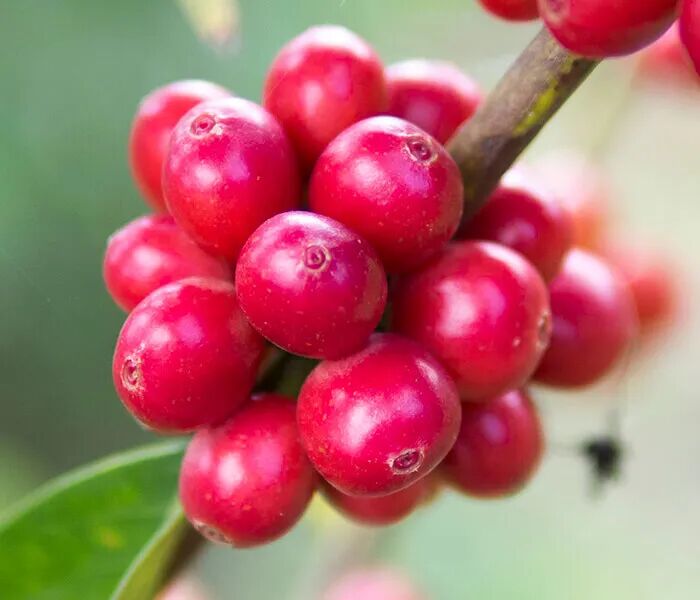
Speaking of varieties, Hacienda La Esmeralda mainly plants a disease-resistant variety recorded as “geisha T2722.” Meanwhile, this farm grows two main varieties: one is Gori Gesha from the Gori Gesha forest — the variety used in this farm’s Green Label; the other is Gesha 1931, named to commemorate the year Geisha was first discovered in 1931 — the variety used in one coffee shop’s Gold Label.
To better understand the differences, one coffee shop once conducted a cupping comparison between Panama’s Green Label Geisha and this farm’s Green Label. Both used 11.3 grams of coffee beans, brewed at 94°C. The first four minutes focused on smelling the wet aroma, followed by breaking the crust, scooping out the grounds, and tasting. The results showed that the two Green Labels had completely different flavor directions.

The Hacienda La Esmeralda Jade Green Label washed Geisha excelled in exceptional cleanliness, with a smooth mouthfeel. Its flavors included white flowers, blueberries, lemons, and a tea-like character, while its sweetness featured honey and brown sugar notes. In contrast, the Gesha Village Green Label showcased intense berry and candied fruit aromas, with bright acidity from cherries and citrus, and a delicate floral and black tea note in the aftertaste — offering a richly layered and distinctive overall flavor profile.
The above content is compiled by CoffeeHunters, a coffee news website.

