







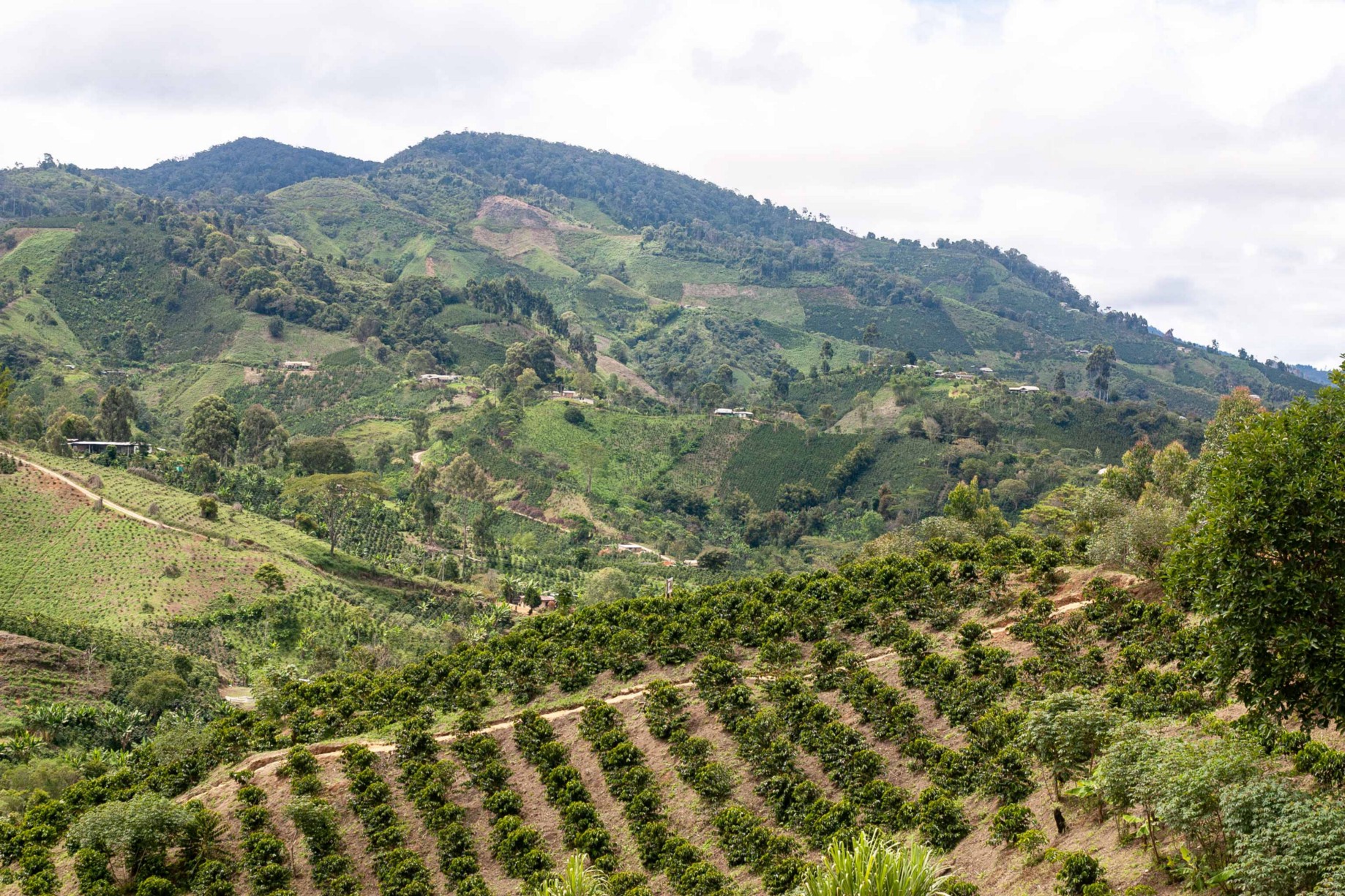
Introduction:Colombia is the world's second-largest producer of Arabica coffee, renowned for its rich aroma and distinctive flavors. This article delves into Colombia’s six renowned coffee-growing regions, including Huila, Cauca, and Nariño, analyzing how altitude, soil, and microclimates influence the flavors of the coffee. It also explains the steps of the washed processing method and the pour over brewing parameters, helping coffee enthusiasts better understand the essence of Colombian coffee.

Colombia is the world’s second-largest producer of Arabica coffee beans, and its coffee is internationally acclaimed for its mild yet bold aroma and unique flavor profile. According to data, Colombia’s coffee industry gradually developed after missionaries introduced coffee trees in 1723, entered a rapid expansion phase by the late 19th century, and by 1912, coffee had become the country’s primary export commodity, accounting for over 50% of total exports.
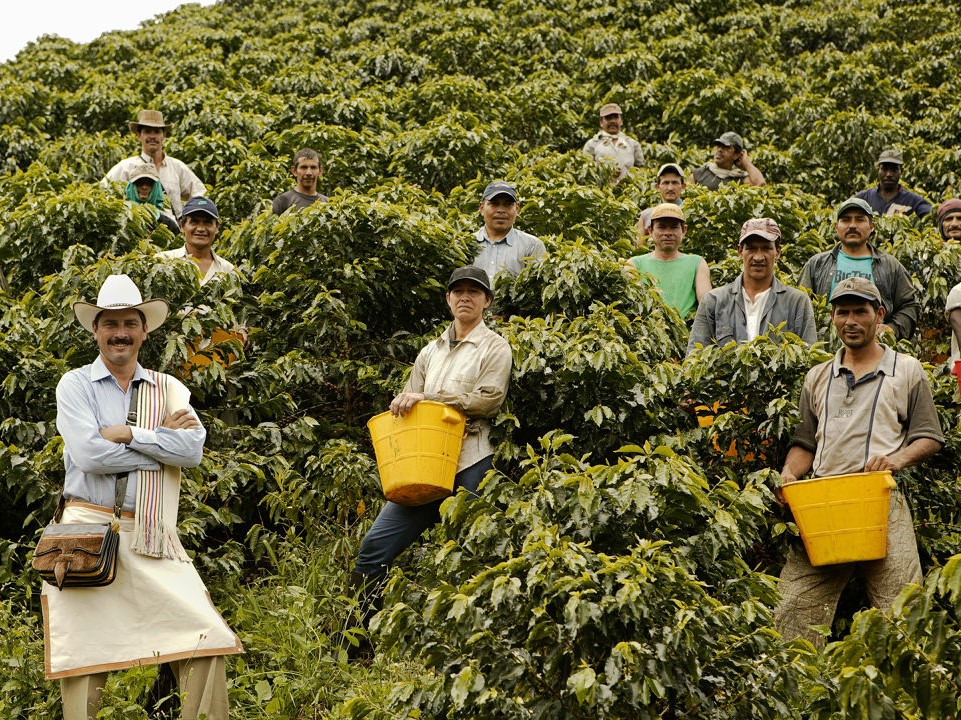
Colombia’s unique geography straddles the equator, with its main coffee-growing regions concentrated between 2 and 8 degrees north latitude, particularly within the so-called “three rivers and two valleys” area, encompassing the Andes Mountains and their surrounding fertile valleys. This region benefits from high altitudes (e.g., Bogotá, the capital, at around 2,600–3,000 meters), fertile volcanic soils, suitable rainfall, and the diverse microclimates created by the Andes Mountains, all of which contribute to high-quality and high-yield coffee growing conditions.
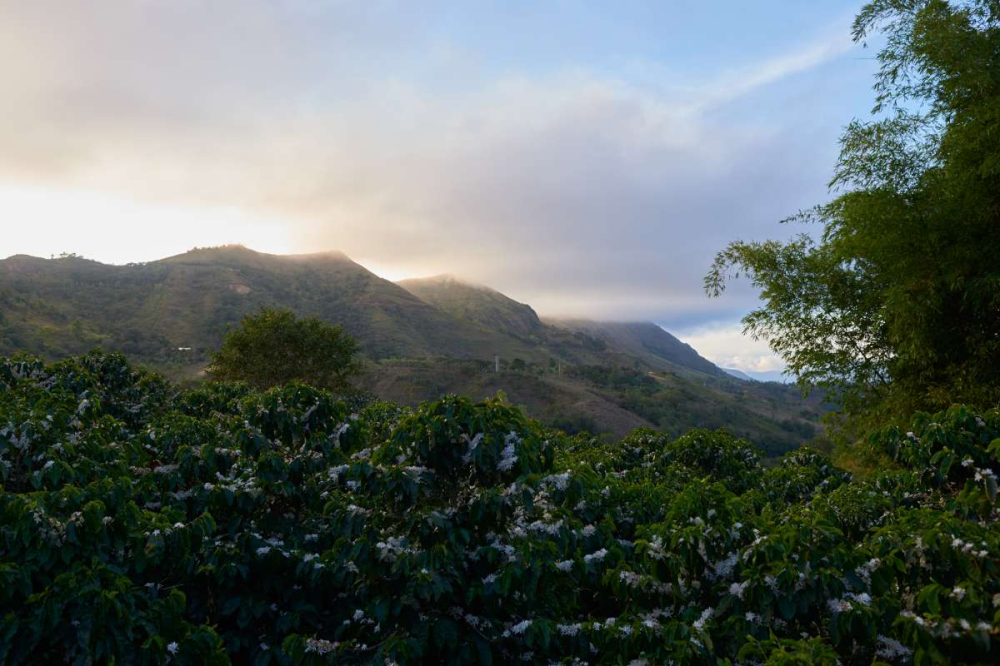
Colombia is one of the few South American countries with both Pacific and Caribbean coastlines, and many of its coffee-growing areas are located on volcanic soils. Among these, the southern departments of Huila and Nariño are particularly renowned. These regions are home to the active Huila and Galeras volcanoes, whose volcanic ash is rich in minerals that continuously nourish the soil, enhancing the complexity and depth of coffee flavors. For example, the regions that won the SCAA’s Best Coffee of the Year awards in 2009 and 2010 owe their success to the revitalizing effects of volcanic soil.
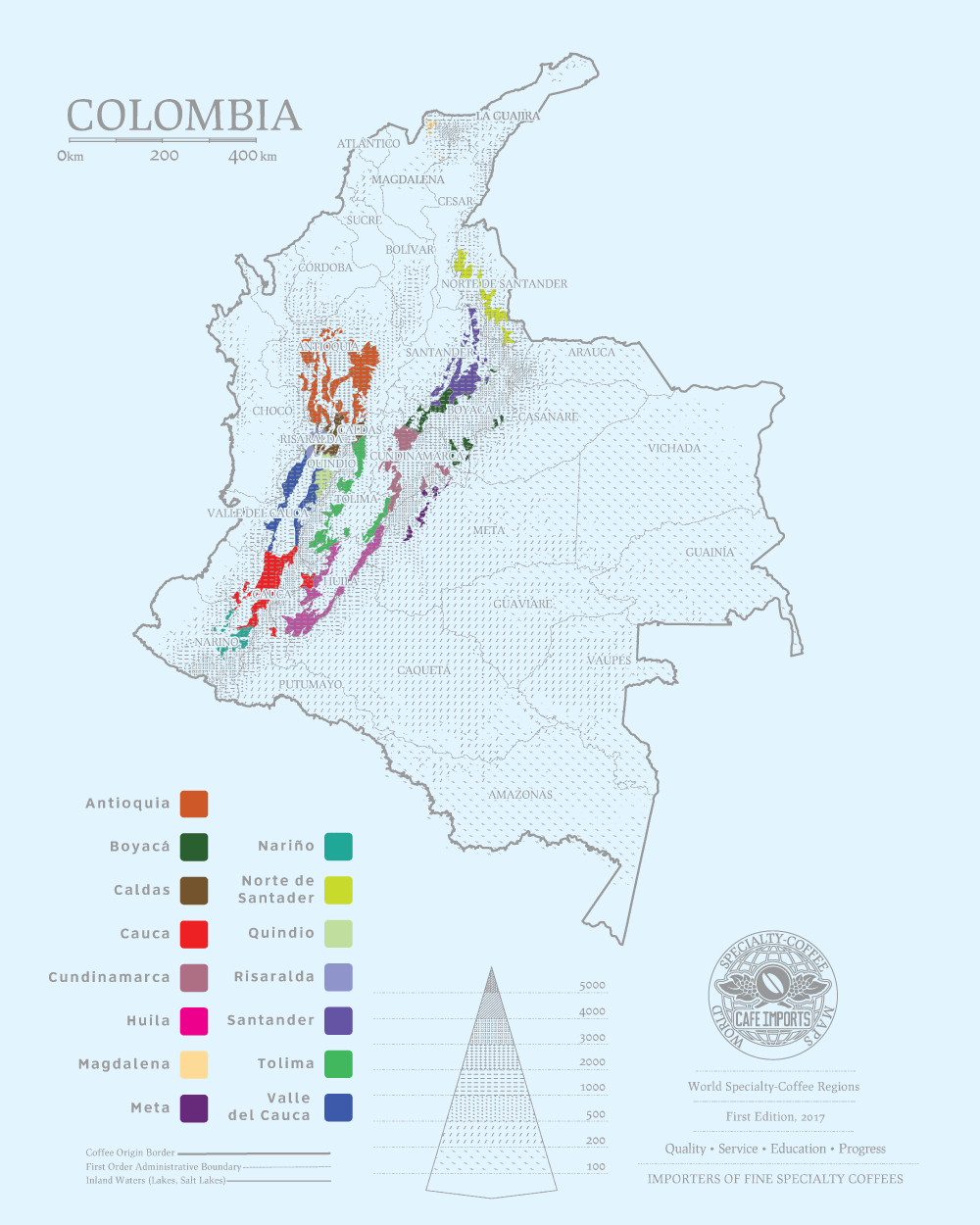
Colombia’s main coffee-growing regions include Cauca, Huila, Santander, Nariño, Tolima, and Caldas. Due to differences in altitude, soil, and climate, each region produces coffee with distinct characteristics. Traditionally, coffee is categorized into “hard beans” and “soft beans,” with the former represented by Colombian coffee—known for its rich, balanced flavors and well-balanced acidity and sweetness—and the latter, such as Brazilian coffee, being softer and lower in acidity.
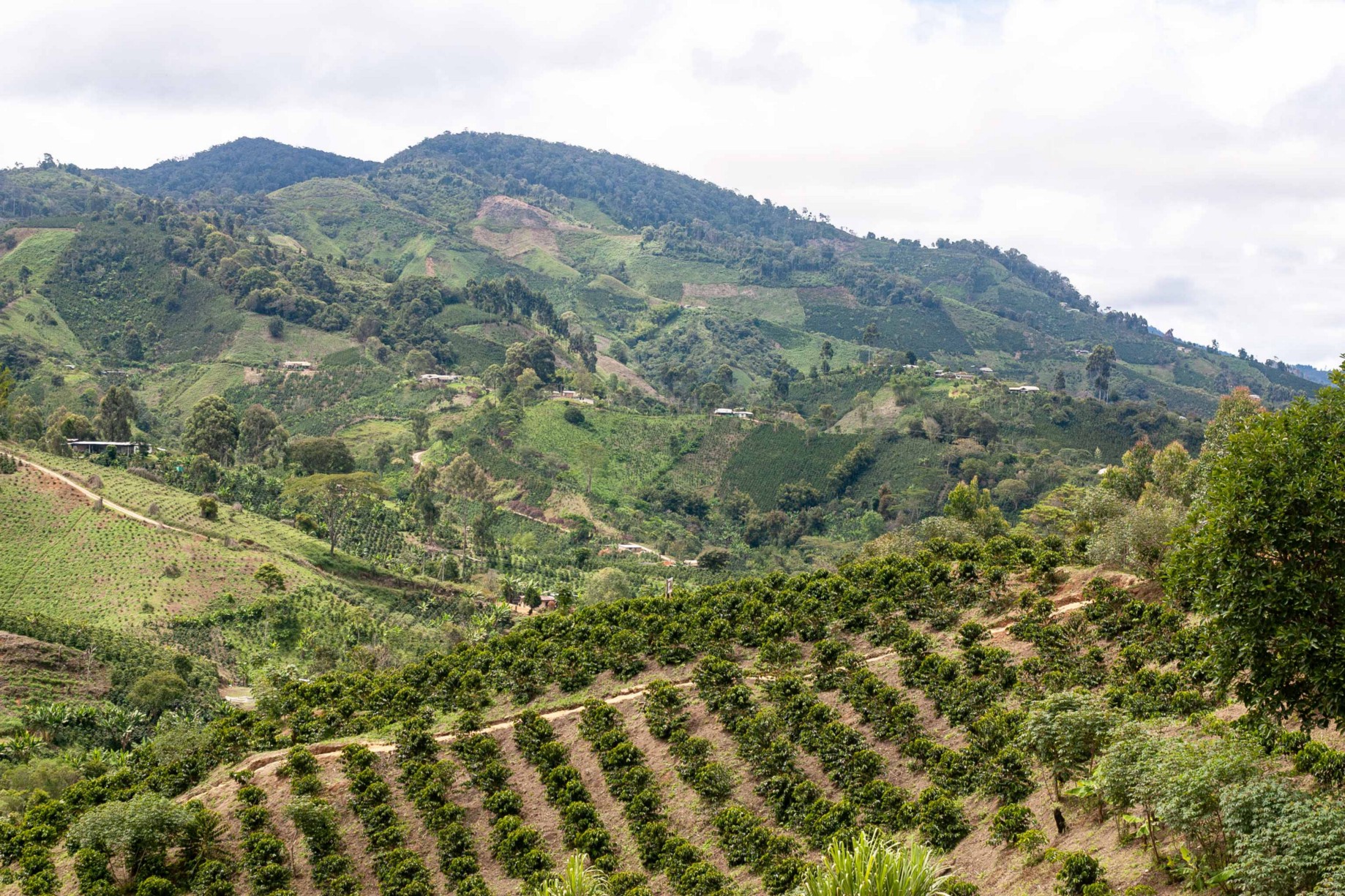
The Cauca region is located in southern Colombia, characterized by mountainous terrain and the Popayán Plateau, with superior altitudes and stable climates. Its main rainy season occurs from October to December, and the fertile volcanic soils provide an ideal environment for coffee cultivation. Although the Tolima department was once affected by armed conflict, local smallholder farmers and cooperatives have maintained a high standard of coffee quality. The 2008 SCAA champion coffee bean came from this region.
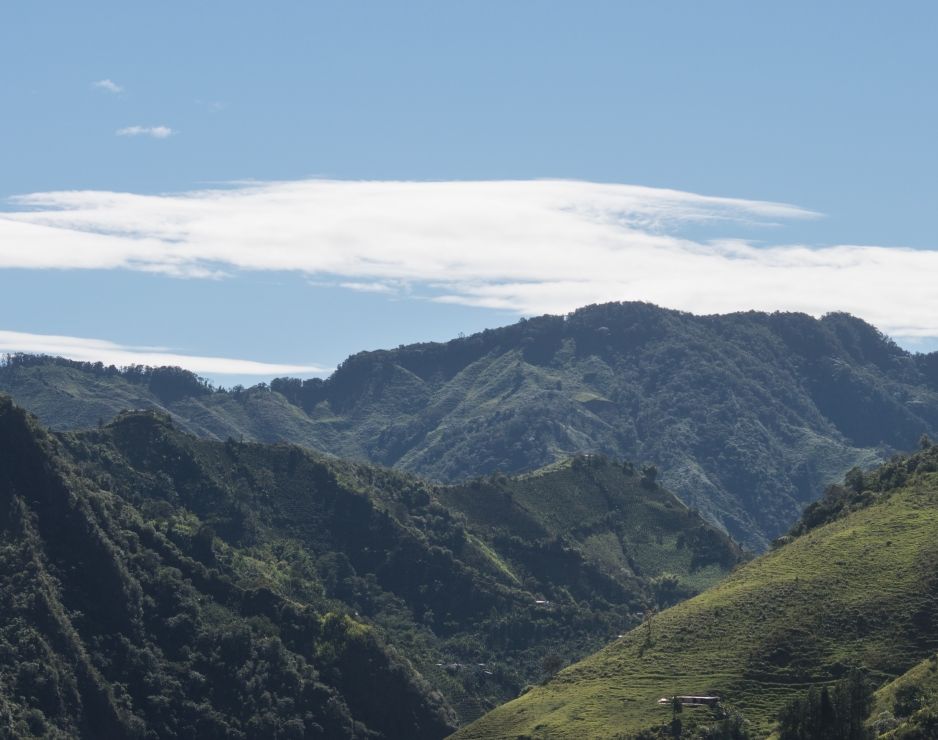
Huila boasts over 16,000 hectares of coffee plantations and is one of Colombia’s most flavorful coffee-growing regions, known for its intense fruitiness and smooth mouthfeel. Both the 2009 and 2010 SCAA champions originated here. Nariño challenges cultivation with its high altitudes and is primarily operated by small-scale farmers, with an average farming area of just about 1 hectare. The region mainly grows the Typica variety, has only one harvest season per year, but produces coffee of extremely high quality. Caldas is one of the core coffee-producing regions of Colombia, as well as the birthplace of the FNC and the disease-resistant Castillo variety. Together with Antioquia and Quindío, it forms the main coffee-producing triangle. Santander is one of Colombia’s oldest coffee-growing regions, with planting altitudes of around 1,400 to 1,600 meters. Though less frequently mentioned, it holds a significant position.
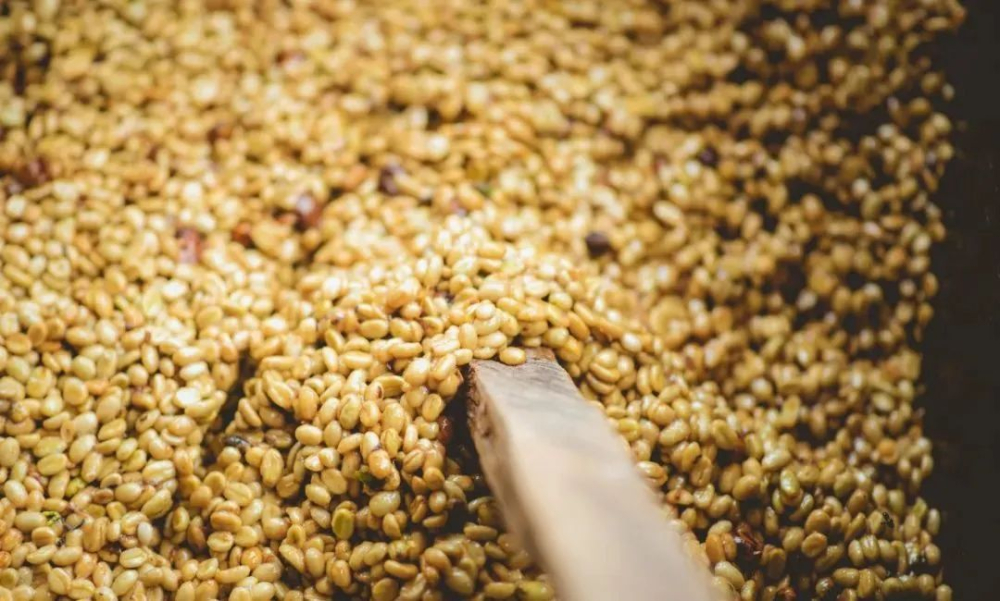
Among the many regions, Huila is often chosen as the representative of Colombian coffee due to its stable and expressive flavors. Generally, coffee beans processed using the washed method can more clearly showcase the intrinsic flavors of the region. The steps of washed processing include: first removing floaters, then using a depulper to remove the outer skin and pulp, followed by fermentation to remove the mucilage, subsequently washing away residual fermentation matter, and finally drying and using a huller to remove the parchment and silver skin. The entire process requires a significant amount of water and demands meticulous operation.
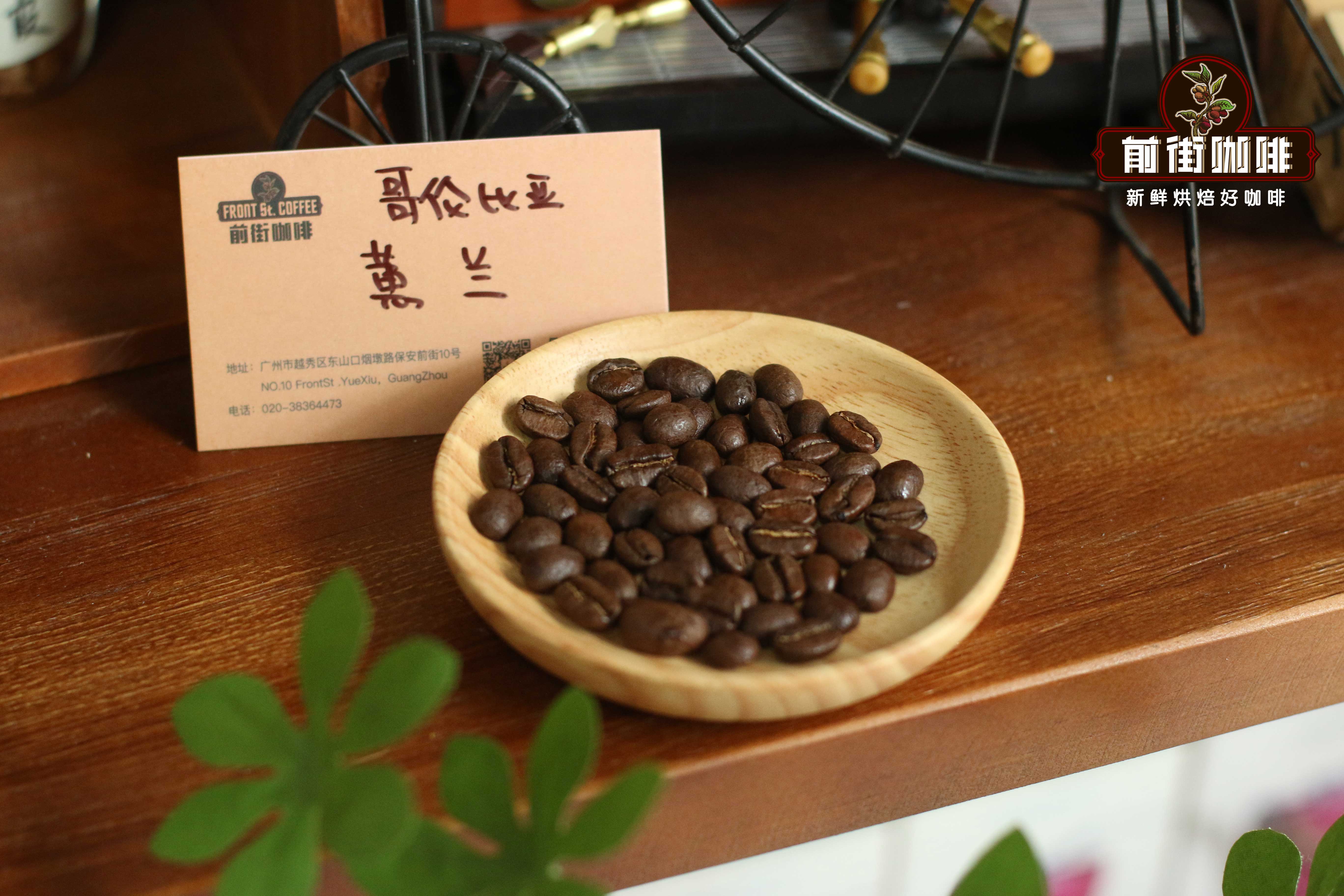
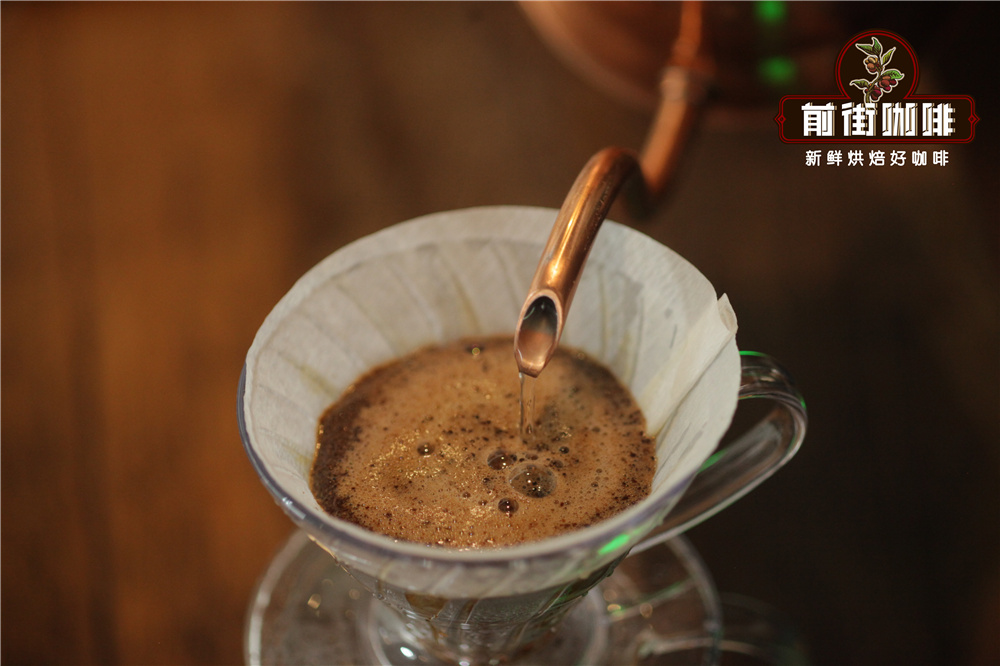
Taking washed Huila coffee beans from Colombia as an example, they are grown at altitudes between 1,500 and 1,800 meters, with the Caturra variety. After medium roasting, they exhibit notes of nuts, chocolate, and caramel, with a gentle acidity. For pour over brewing, it is recommended to use a Hario V60 dripper, with a water temperature of about 90°C, a coffee-to-water ratio of 1:15, a grind size of about 80% passing through a #20 filter, 15 grams of coffee, and a total water volume of 225 grams. Use a three-stage pouring method: the first stage involves pouring 30 grams for a 30-second bloom, the second stage slowly pours up to 125 grams, and the third stage continues pouring up to 225 grams before stopping. The total extraction time is about 2 minutes, which fully highlights its layered and balanced flavor profile.

The above content is compiled by CoffeeHunters, a coffee news website.

