







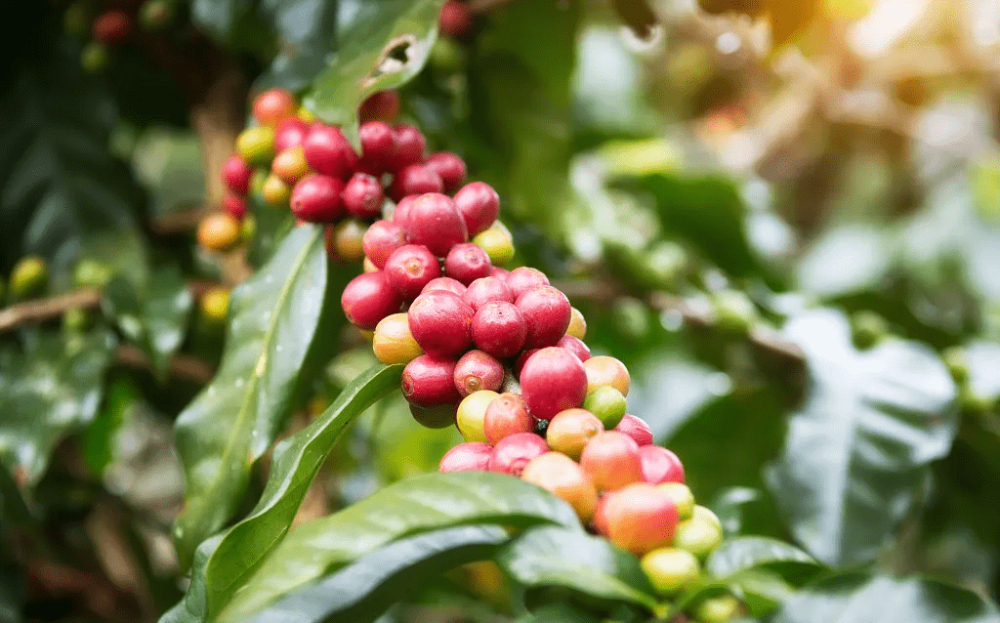
Introduction:The Huila region of Colombia, blessed with high altitudes and volcanic soil, produces uniquely flavorful coffee beans. The washed processing method preserves a clean, bright acidity along with a chocolatey base. This article delves into the regional characteristics and varietal advantages of Huila washed coffee beans, and provides practical pour over techniques and extraction parameters to help you easily brew a well-balanced, rich black coffee.
As a globally renowned coffee-producing country, Colombia is traversed by the Andes Mountains, offering diverse and ideal growing environments. Among them, the Huila region has consistently stood out in international coffee competitions since the 21st century, and obtained official origin certification in 2013, becoming a focal point for specialty coffee enthusiasts.
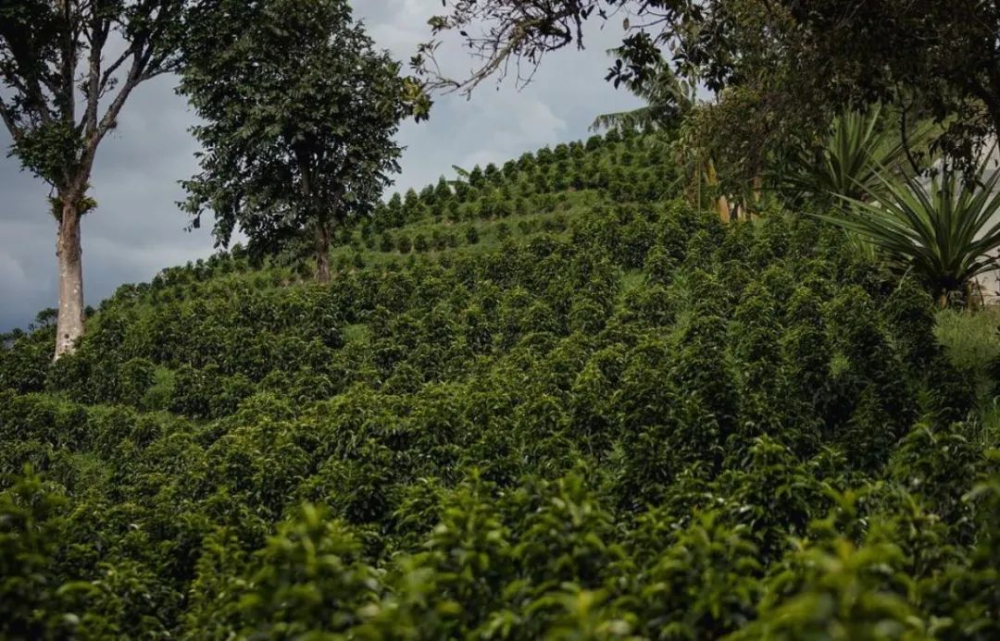
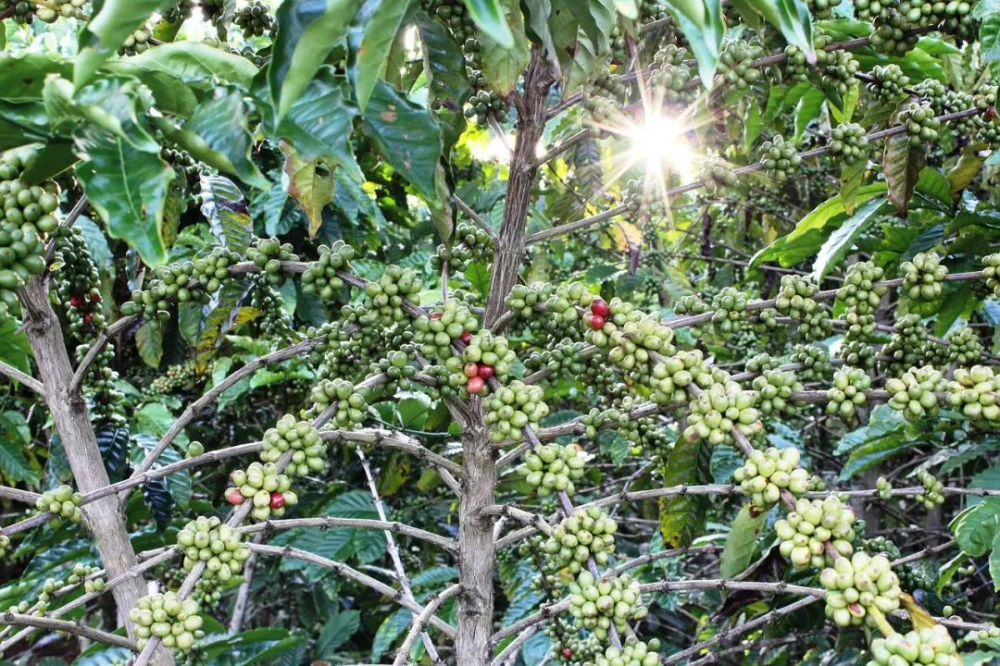
Located in the southwest of Colombia near the Huila Volcano, the region benefits from fertile volcanic ash brought by volcanic activity, which enriches the soil with abundant nutrients, greatly aiding coffee tree growth. The area enjoys a mild climate with evenly distributed rainfall throughout the year, coupled with high-altitude terrain—some planting areas exceed 2000 meters above sea level—resulting in coffee that often exhibits pronounced acidity, rich layers, and intense chocolate and nutty flavor notes.
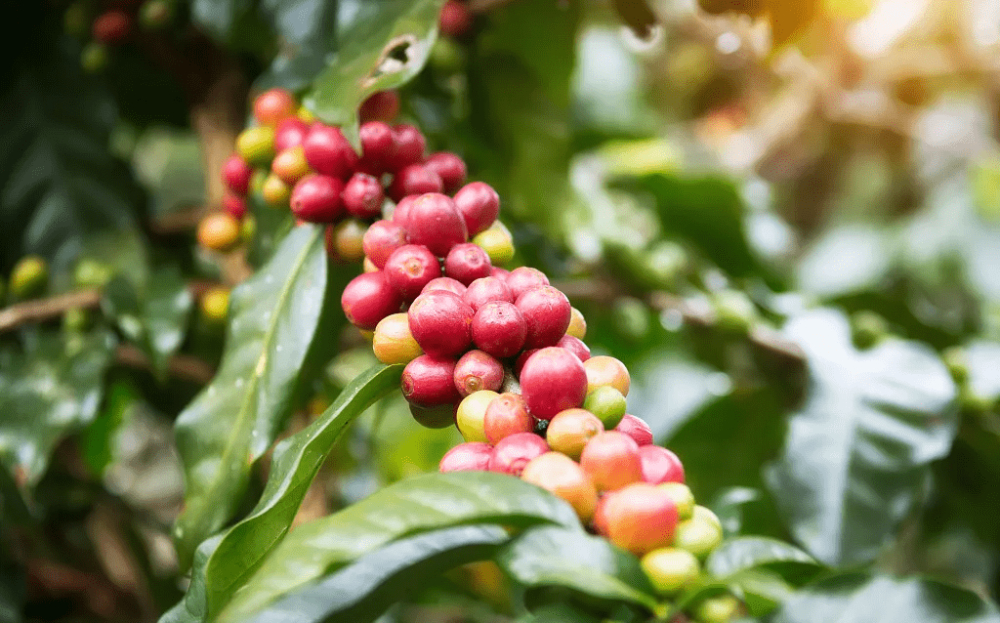
Coffee production in Huila is predominantly carried out by small farms, with most individual farms covering no more than 1.5 hectares. Farmers generally retain shade trees within their种植 areas, which not only regulate the microclimate but also facilitate the slow ripening of coffee cherries, further enhancing the complexity of the final flavors. When the coffee cherries reach optimal ripeness, farmers carefully select the fullest ones and process them while fresh to ensure each batch retains peak freshness and flavor potential.
Among various processing methods, washed processing best faithfully presents the inherent flavor characteristics of the coffee beans. Colombia is rich in water resources, and many family-run farms are equipped with dedicated green bean processing equipment (such as Ecomill or Eco-Pulper). During processing, farmers place harvested coffee cherries into the machines to remove the outer skin and pulp, then use a small amount of water to wash away most of the mucilage. The parchment beans, still retaining some mucilage, are then left to ferment in small concrete tanks or tiled basins for about 24 hours. Once the mucilage naturally breaks down, the beans are thoroughly rinsed with clean water and finally spread out to dry until the target moisture content is reached.
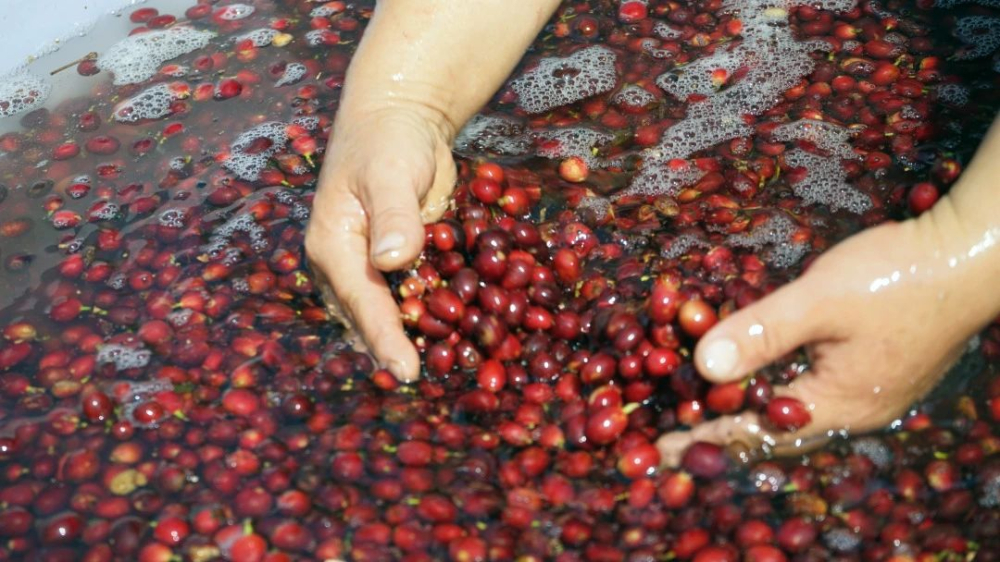
This meticulous processing method not only maintains high coffee quality but also allows Huila washed beans to showcase a clear and clean flavor profile. One coffee shop, when selecting a daily drinker bean, particularly favored washed-processed batches, using the widely planted and consistently performing Caturra variety.
Caturra is a natural mutation of the Bourbon variety, first discovered in Brazil in 1937. This variety boasts advantages such as high yield and strong disease resistance, with relatively short plant stature that facilitates harvesting. It can maintain good growth even under high sunlight conditions, hence it is often referred to as "sun-grown coffee." Caturra thrives at altitudes between 700 and 1700 meters. Although it can grow at various elevations, coffee produced at higher altitudes tends to have more concentrated and brighter flavors, albeit with slightly lower yields.
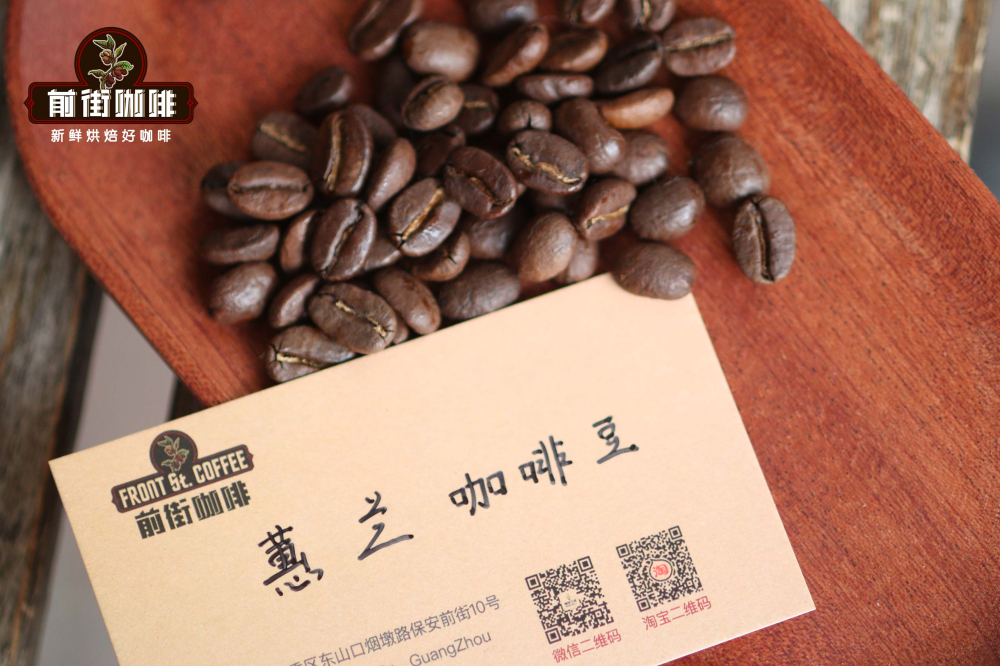
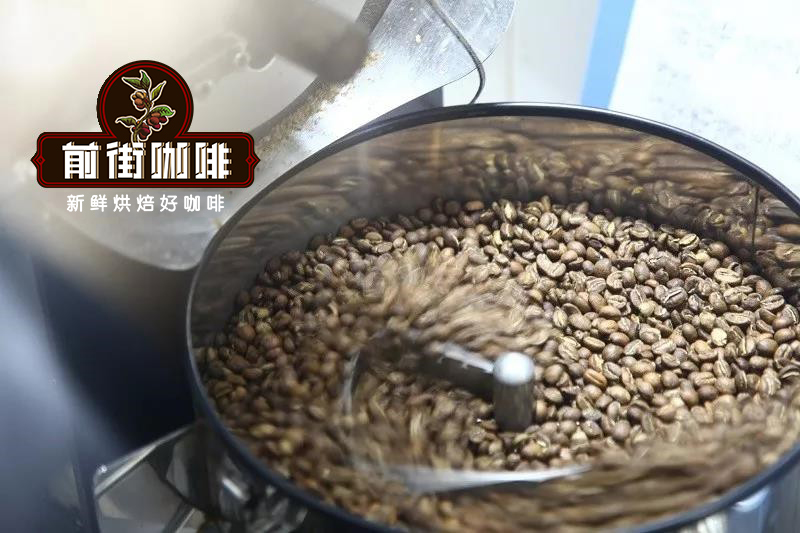
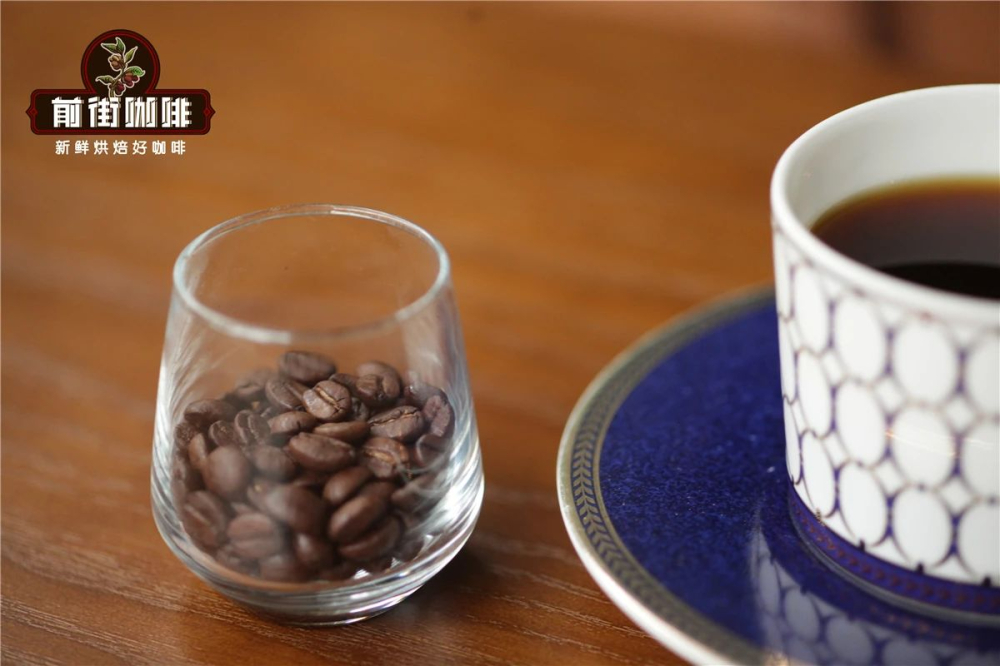
This Huila washed daily drinker bean, through medium-depth roasting, skillfully balances the coffee’s acidity and body. The roaster chose this roast level to highlight the common nuttiness of Colombian coffee while retaining moderate acidity, resulting in a more three-dimensional overall flavor profile. Before its official release, this bean underwent multiple cuppings to ensure it met ideal standards in both flavor expression and extraction suitability.
For the medium-depth roasted Huila washed beans, it is recommended to use a KONO filter for pour over to fully bring out its rich chocolate and nutty tones. Due to the darker roast level, the coffee beans have a looser texture and faster water absorption rate, so a medium grind size (approximately 75% passing through a standard 20-number sieve) is advised, with water temperature controlled at a slightly lower 90°C to avoid over-extraction and unwanted off-flavors.
The design feature of the KONO filter lies in its unique rib structure—with exhaust slots only located in the bottom quarter of the filter. When the water level exceeds this point, the water volume inside the filter gradually rises, applying pressure through the weight of the water, combined with a relatively narrow outlet, effectively prolonging the contact time between coffee grounds and water, thereby enhancing the dissolution efficiency of soluble substances and delivering a richer, smoother coffee taste.
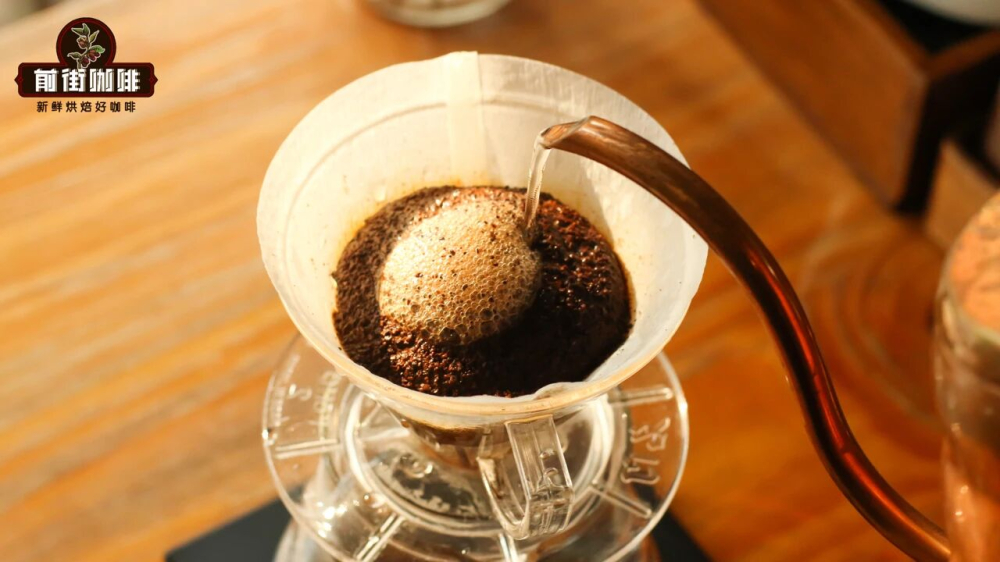
Suggested practical pour over parameters are as follows: use a KONO filter, water temperature 90°C, grind size is medium-fine with 75% passing through a 20-number sieve, coffee-to-water ratio 1:15, total coffee dose 15 grams, using a three-pour extraction method.
Specific steps: First, place the coffee grounds into the filter, pour about twice the amount of hot water (around 30 grams) for a 30-second bloom to allow the coffee grounds to fully expand and release aroma; then pour with a thin stream in circular motions from the inside out, pause when the total water volume reaches 125 grams and wait for the coffee bed to slightly settle; continue pouring with the same thin stream until reaching 225 grams, until all the coffee liquid has dripped through, with the total extraction time being around 2 minutes.

The finished coffee offers an immediate impression of distinct chocolate, nut, and caramel roast aromas, with a rich, smooth mouthfeel, notable sweetness, and an overall clean presentation. As the coffee cools slightly, the delicate and soft acidity becomes more apparent, adding layers and vibrancy to the overall flavor.
The above content is compiled by CoffeeHunters, a coffee news website.

