








Introduction:The market is filled with a wide variety of coffee beverages, ranging from classic Americano and latte to the more distinctive cappuccino and pour over coffee, each with its own unique characteristics. This article delves into the ingredients, ratios, flavor profiles, and brewing details of mainstream coffee types, helping readers understand the uniqueness of each coffee and find the one that best suits their taste, while also addressing the common question of “which coffee is tasty and not bitter.”
With the continuous entry of international coffee chain brands, coffee culture has rapidly developed around the world, and the variety of coffee beverages available to consumers has become increasingly diverse. From affordable instant coffee to meticulously crafted freshly ground coffee, there are supporters for each. However, faced with so many choices, many people still do not fully understand the basic composition, flavor differences, and suitable scenarios of various coffees. This article will provide a detailed introduction to mainstream coffee types including Americano, latte, cappuccino, mocha, and pour over, analyzing their formula ratios, taste characteristics, and practical recommendations.

Americano: Simple yet layered black coffee
Americano is one of the most basic espresso-based drinks, made by mixing a shot of espresso with hot water, without any additional ingredients, making it a typical black coffee. Its origin is said to be related to American soldiers during World War II, who were not accustomed to the strong bitterness of Italian espresso, so they diluted it with water, creating this relatively milder beverage. Today, Americano has become a daily choice for coffee lovers worldwide.
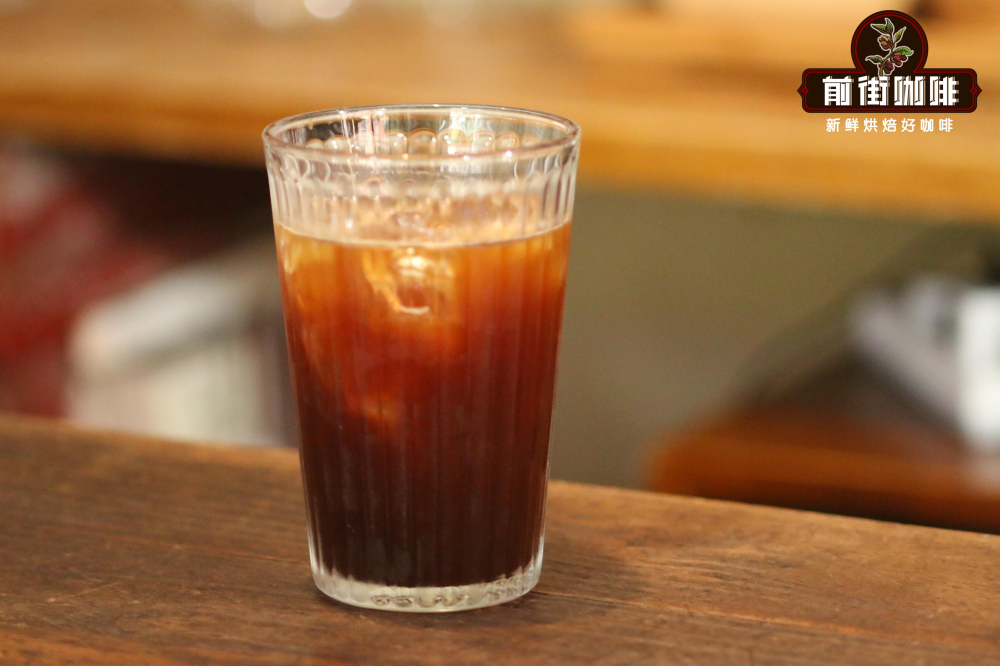
There is no strict ratio requirement for Americano, but a common brewing ratio is 1:6, such as using 40 grams of espresso liquid mixed with 240 grams of hot water at about 88°C. For iced Americano, it is usually made with 120 grams of ice cubes plus 120 grams of room temperature water instead of hot water, and it is recommended to drink it before the ice completely melts to achieve the best taste. Based on practical experience, hot Americano often exhibits notes of roasted nuts and chocolate, with a caramel aroma in the aftertaste; whereas iced Americano may have a refreshing acidity and sweetness with hints of cream, vanilla, and berries, making it suitable for summer consumption.

Latte: The classic combination of milk and espresso
Latte (Latte) is one of the most popular coffee beverages, accounting for a very high proportion of coffee products on the market, as it combines a large amount of sweet milk with a small amount of espresso, resulting in a mild and easily acceptable flavor. Its main components are espresso and milk, with a flexible ratio, usually between 1:5 and 1:8. A common practice is to use 40 grams of espresso liquid paired with 240 grams of milk.
When making hot latte, the milk is first steamed using a steam wand to 55-65°C to create a fine and moderately thick layer of microfoam, which is then evenly combined with the extracted coffee liquid. Finally, latte art can be optionally added as decoration. Based on tasting feedback, a latte from a certain shop often carries a sweet aroma reminiscent of liqueur-filled chocolate, with a creamy smooth texture. For iced latte, ice cubes and milk are added first, followed by the coffee liquid, and it is recommended that customers stir well before drinking to evenly distribute the flavors.



Cappuccino: A small cup of premium coffee with rich foam
Cappuccino, like latte, is also composed of espresso and milk, but the biggest difference lies in its top layer covered with thick, fine microfoam. The traditional ratio was once 1:1:1 (espresso:milk:foam), but such a configuration could make the coffee overly strong and the foam too thick, affecting the overall drinking experience. Modern practices focus more on balance to highlight the delicate texture of the foam and the aroma of the coffee.
A cappuccino from a certain shop typically uses a small 180 ml cup size, maintaining a 11/10 fullness of foam thickness, combining double espresso (about 40 grams of coffee liquid) with 150 ml of steamed milk. The resulting beverage has a rich flavor with sweet notes of chocolate and milk, and the dense texture of the foam adds an extra layer of drinking experience.

Flat White: Intense and refined mini latte
Flat White (Flat White) originated in Australia and is considered a concentrated version of hot latte. Its key feature is the use of Ristretto (restricted extraction espresso) as the base, along with a reduced total liquid volume and even thinner microfoam, resulting in a more concentrated coffee flavor. Compared to latte, Flat White has a smaller cup size, a slightly lower milk ratio, and the foam almost touches the rim of the cup, giving a “flat” visual effect.
A Flat White from a certain shop is typically made by extracting double Ristretto (about 30 grams of coffee liquid) using 20 grams of coffee grounds, and then adding 150 ml of hot milk with extremely thin microfoam. This coffee has a distinct flavor, often featuring complex aromas of whiskey, cream, and berries, making it suitable for those who enjoy a strong coffee taste but do not want it to be overly intense.


Mocha: A chocolate-flavored coffee dessert
Mocha (Mocha) is a classic beverage that combines coffee and chocolate elements, originating from the port of Mocha in Yemen, hence the name. This coffee usually involves adding chocolate syrup, powder, or solid chocolate to the espresso, then pouring in hot milk and creating latte art, sometimes finishing with a sprinkle of cocoa powder for added aroma. Iced mocha is made by incorporating chocolate elements into an iced latte base.
When making hot mocha, about 15 grams of chocolate syrup is commonly mixed with the espresso first, followed by the addition of hot milk, and finally topped with a dusting of cocoa powder. Mocha coffee combines the richness of coffee with the sweetness of chocolate, making it suitable for consumers who enjoy sweets but also want to enjoy coffee.

Pour over coffee: The art of brewing to explore the essence of coffee
Pour over coffee is a method that manually controls water temperature, grind size, brewing time, and water flow rate to extract the flavor compounds from coffee grounds. The basic process involves grinding coffee beans into powder, then evenly pouring water through the coffee bed using a pour over kettle, allowing the water to pass through the coffee layer and then filtering out the grounds through paper to obtain a clear black coffee.
The greatest appeal of pour over coffee lies in its ability to clearly showcase the unique flavors of coffee beans from different origins, varieties, and processing methods, presenting notes ranging from fruity and floral to nutty and chocolatey. Many coffee enthusiasts adjust parameters according to personal taste to explore their ideal extraction profile. Most single-origin coffee beans on the market are suitable for pour over brewing, making it an excellent way for beginners to understand the essence of coffee.

The above content is compiled by CoffeeHunters, a coffee news website.


