







Introduction:To brew a great cup of coffee, grind size is key. The coarseness or fineness of coffee grounds required varies greatly depending on the brewing method — from the coarse grind used in a French press to the ultra-fine grind needed for espresso. Even slight differences can affect the flavor. This article takes an in-depth look at the ideal grind settings for various brewing devices, teaches you how to determine whether your grind is just right, and offers practical adjustment tips to help you easily master the secrets of coffee grinding.
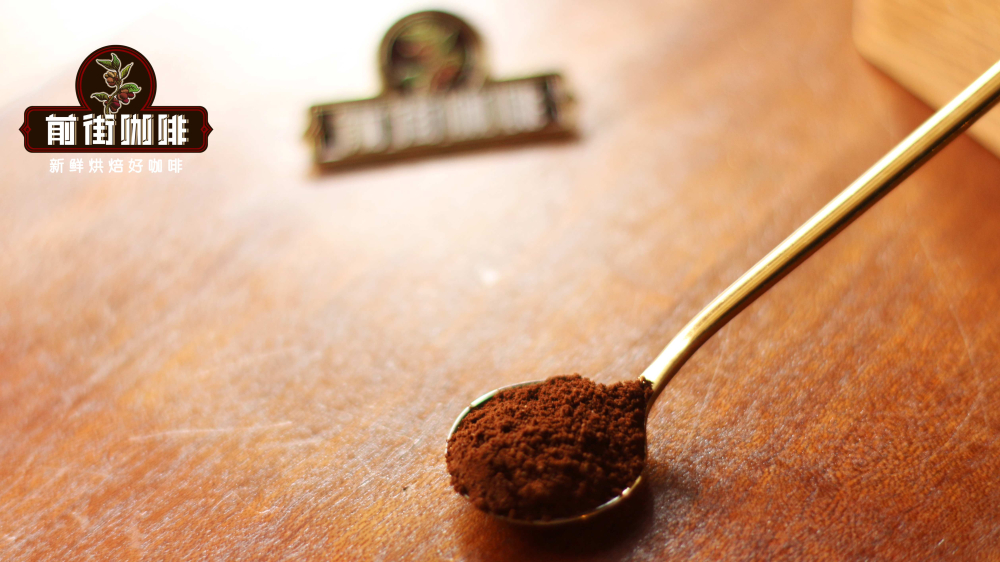
Observing the various brewing methods used in coffee shops, you’ll find that coffee grind sizes can generally be divided into two categories: one is a medium-coarse grind similar to sugar, suitable for pour over, French press, siphon, and cold brew; the other is an extremely fine grind between flour and sand, which is the standard for making espresso.
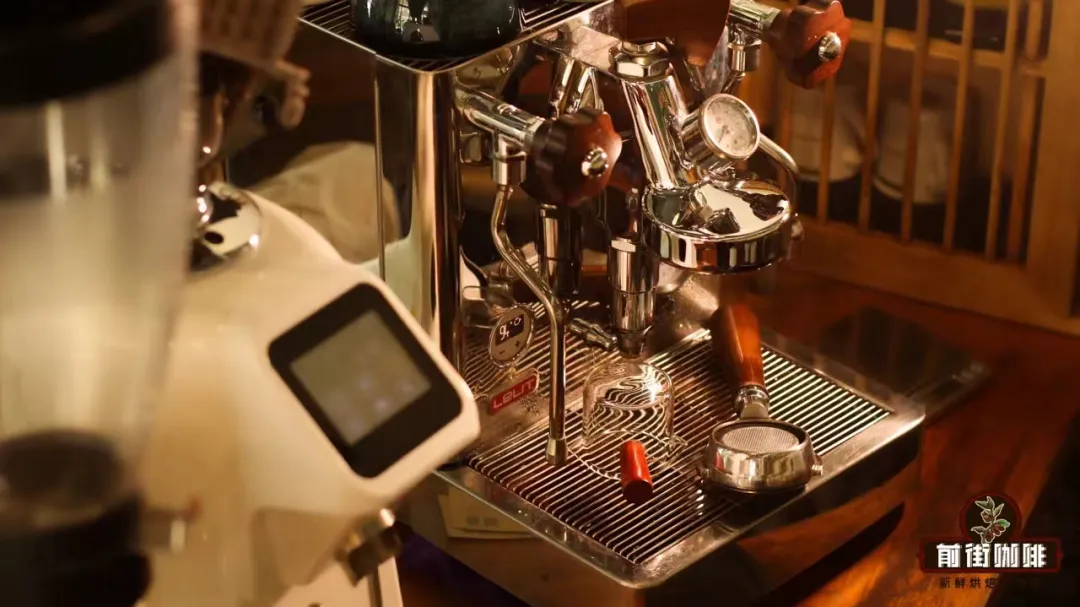
So, how do you accurately determine the ideal grind size for espresso? According to the definition by the Italian Espresso National Institute and the World Barista Championship (WBC), a qualified espresso must be extracted under 9 atmospheres of pressure and 90.5–96°C hot water within 20 to 30 seconds, yielding about 30 milliliters (1 ounce) of concentrated coffee rich in crema (golden crema).
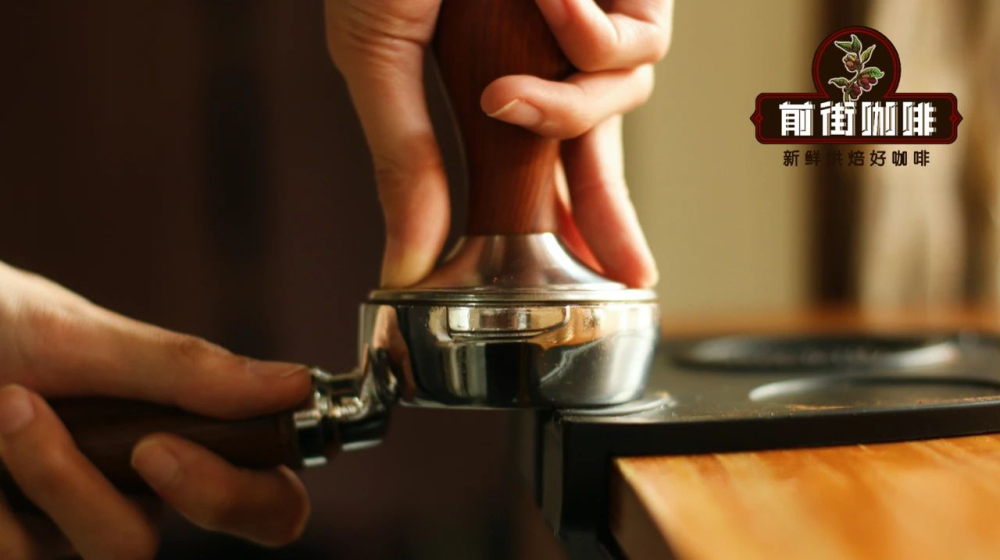
Although the above definition does not directly specify exact grind size values, understanding the relationship between time and grind coarseness allows you to easily find the right setting. Simply put, assuming proper distribution and tamping, the finer the coffee is ground, the slower water flows through, leading to longer extraction times and flavors that may become overly bitter or over-extracted. Conversely, if the grind is too coarse, extraction time shortens, potentially resulting in sour flavors and under-extraction.
Therefore, when you’re trying a new origin of espresso beans for the first time, or have switched to a new grinder, it’s recommended to follow these steps to adjust the grind size: First, set a basic extraction parameter — for example, using 20 grams of coffee grounds (adjust according to portafilter basket capacity), with a 1:2 coffee-to-water ratio (i.e., extracting 40 grams of coffee liquid; it’s recommended to measure by weight for better accuracy). This parameter works well for most medium-light to medium-roast espresso blends, highlighting their fruity and sweet notes.
At the same time, fix the extraction pressure at 9 bars and set the water temperature to 93°C. Then, simply fine-tune the grind size so that the extraction time falls within the ideal range of 20 to 30 seconds. Be sure to note that if your grinder has a dosing chamber, always clean out any residual coffee grounds after each adjustment to avoid affecting the accuracy of subsequent tests.
Once you’ve successfully adjusted the extraction time to your target range, don’t rush to celebrate — tasting is key. Carefully evaluate the coffee’s flavor profile, check for any undesirable notes such as bitterness, sour spikes, or wateriness, and confirm whether the coffee expresses the characteristics it should. If the flavors aren’t quite right, further fine-tuning of the grind size — or even re-evaluating overall extraction parameters — may be necessary.
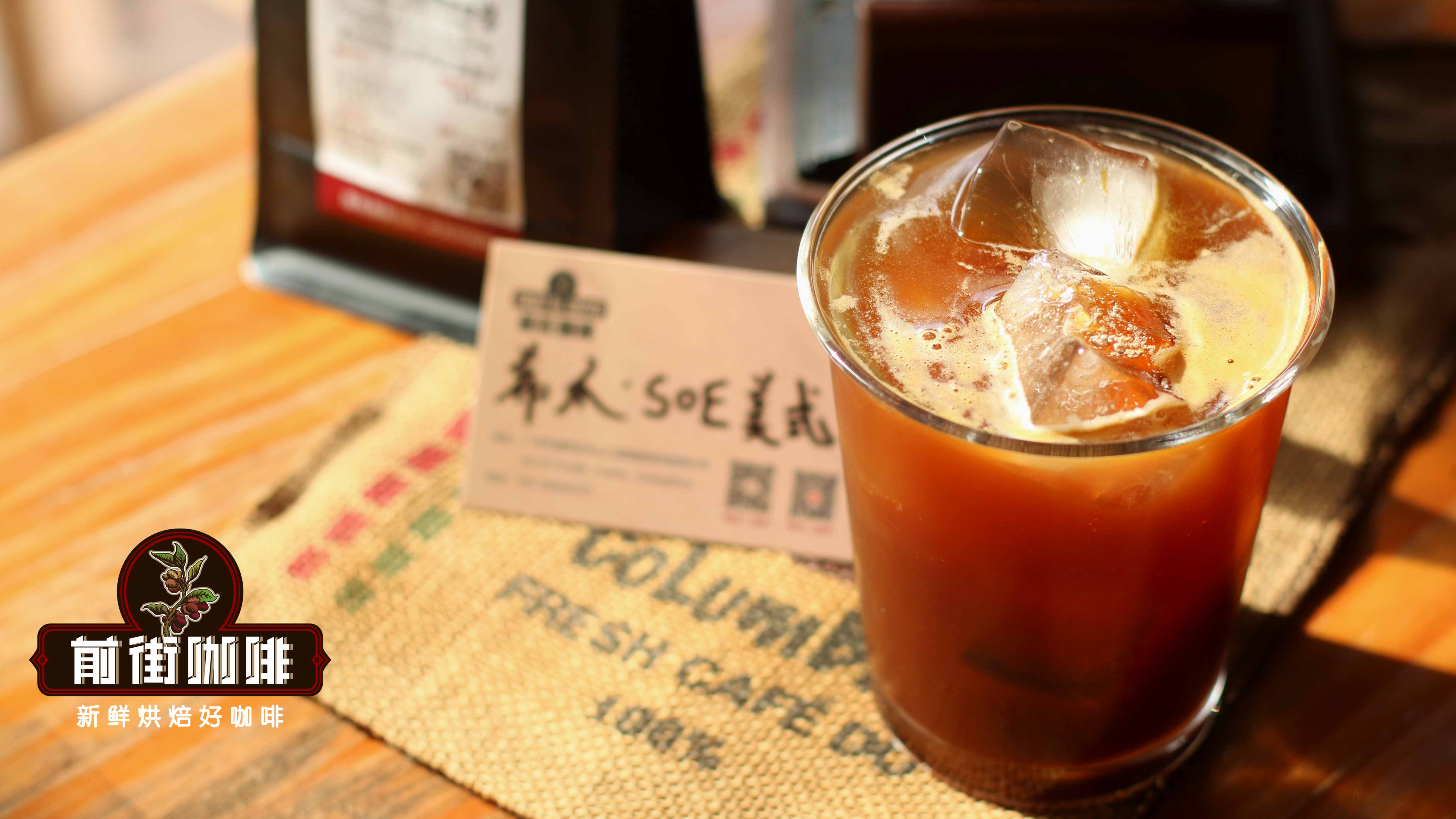
For example, when testing a Colombian Gesha single-origin (SOE) coffee, if under correct grind size and flow rate, 20 grams of coffee grounds yield 40 grams of coffee liquid in 30 seconds, and you can taste rich notes of grape, passionfruit, and citrus but also detect some slight burnt bitterness, you might try reducing the coffee dose by 0.2–0.5 grams to speed up the flow rate, thereby improving the overall balance and layering of flavors.
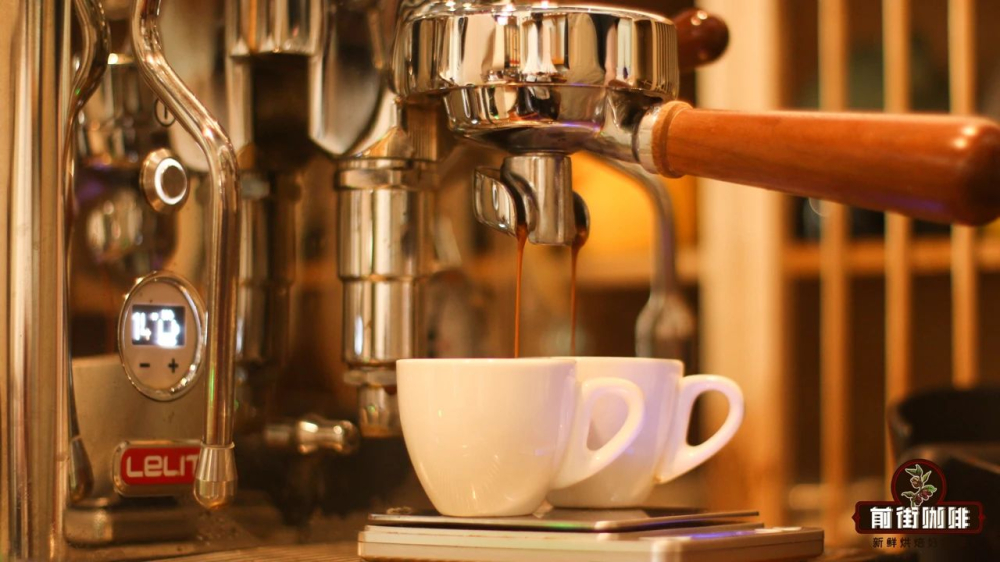
In summary, determining whether the grind size for espresso is appropriate requires a comprehensive consideration of extraction time, flow rate, and the final flavor profile. It’s recommended to first ensure that extraction parameters are within a reasonable range, then verify through actual tasting. If flaws or unexpected flavors are found, you can make precise adjustments to the grind size to gradually find your optimal settings.
In terms of extended applications, besides espresso, other common home brewing devices also have their own ideal grind coarseness: French press suits a grind close to sea salt in coarseness, siphon requires a medium-coarse grind, pour over suggests a medium-fine grind between superfine and white sugar, while cold brew can use an even coarser grind to reduce the risk of over-extraction. Mastering these basic principles will elevate the flavor of your coffee no matter which brewing method you use.
The above content is compiled by CoffeeHunters, a coffee news website.


