







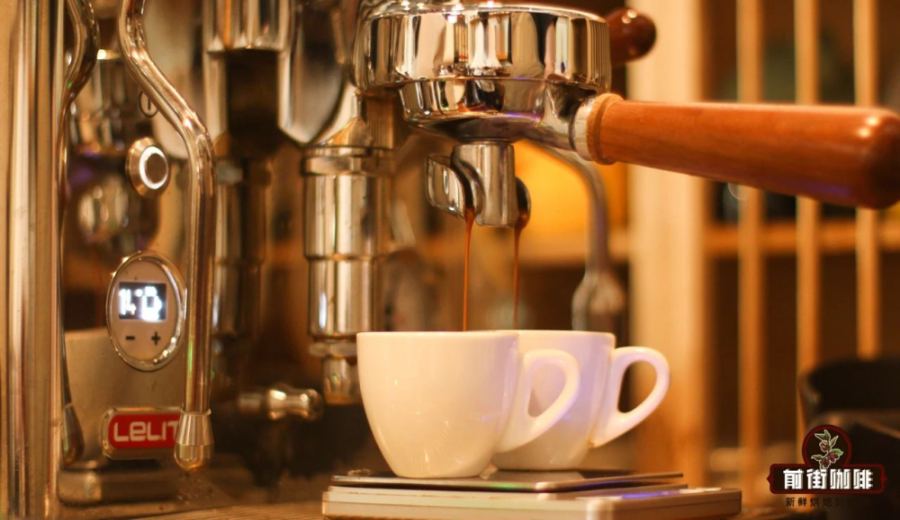
Introduction:Want to brew professional-grade coffee with a fully automatic coffee machine? This article dives deep into whether home fully automatic machines can use single-origin beans and provides key espresso parameters: practical settings such as coffee-to-water ratio, grind size, and extraction time. From selecting beans to machine cleaning, this comprehensive guide helps you brew your ideal cup.
Thanks to their ease of use, fully automatic coffee machines have become common appliances in homes and offices—just one touch completes the process from grinding to brewing. However, many users still have questions about whether single-origin beans can be used and how to adjust extraction parameters.
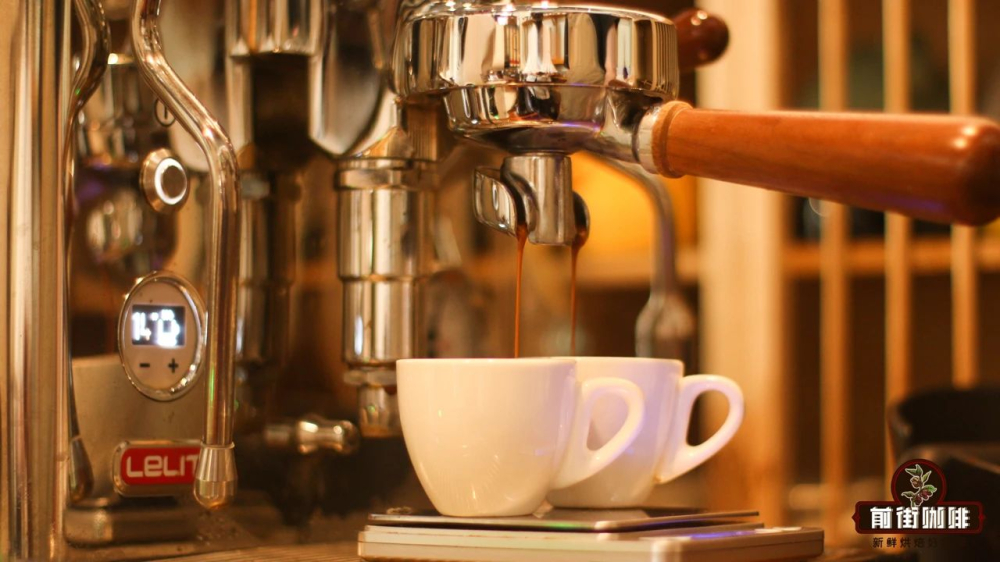
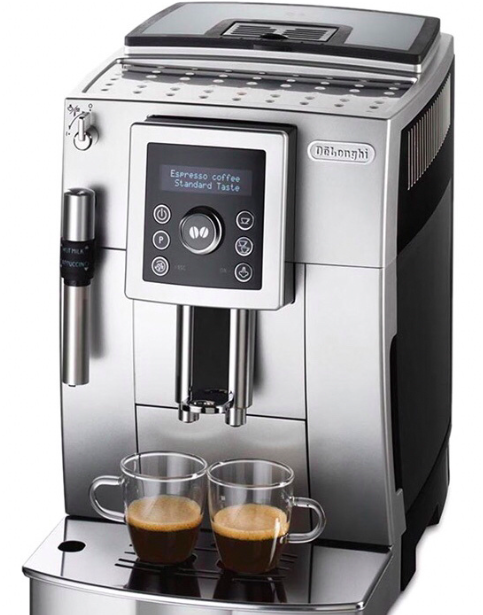
Currently, the most common fully automatic coffee machines on the market can be divided into two types: traditional models and all-in-one/capsule machines. The former directly uses whole beans for grinding and brewing, while the latter mostly use pre-ground coffee or capsules. Though both are equally convenient, they differ in bean variety options and flavor performance.
Before using a fully automatic coffee machine, it’s recommended to clean and prepare the machine properly, including regularly cleaning parts like the water tank and coffee grounds container, to maintain a pure coffee taste. Meanwhile, choosing the right type of coffee bean based on personal taste is a crucial factor affecting the final flavor.
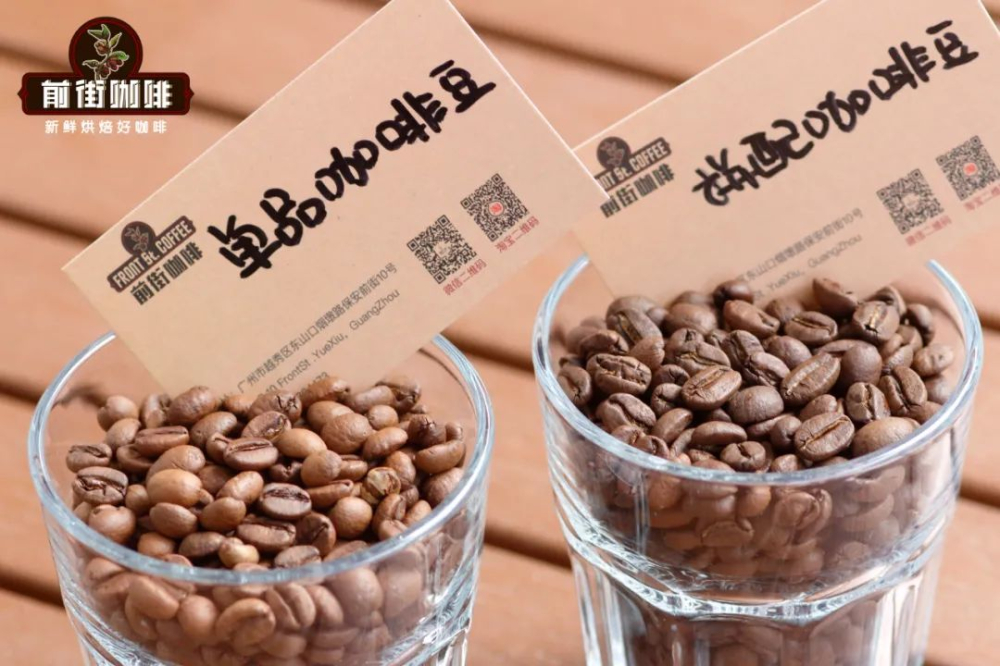
If you prefer a bright and clear flavor profile, consider using single-origin beans. These beans usually come from a single region or farm, offering relatively pure flavor characteristics—for example, sun-dried beans from Ethiopia’s Yirgacheffe region often showcase layers of berries, citrus, and caramel. However, note that due to their distinct flavors, single-origin beans may not always suit the intense richness typically desired in traditional espresso. Choose based on your machine’s capabilities and personal preference.
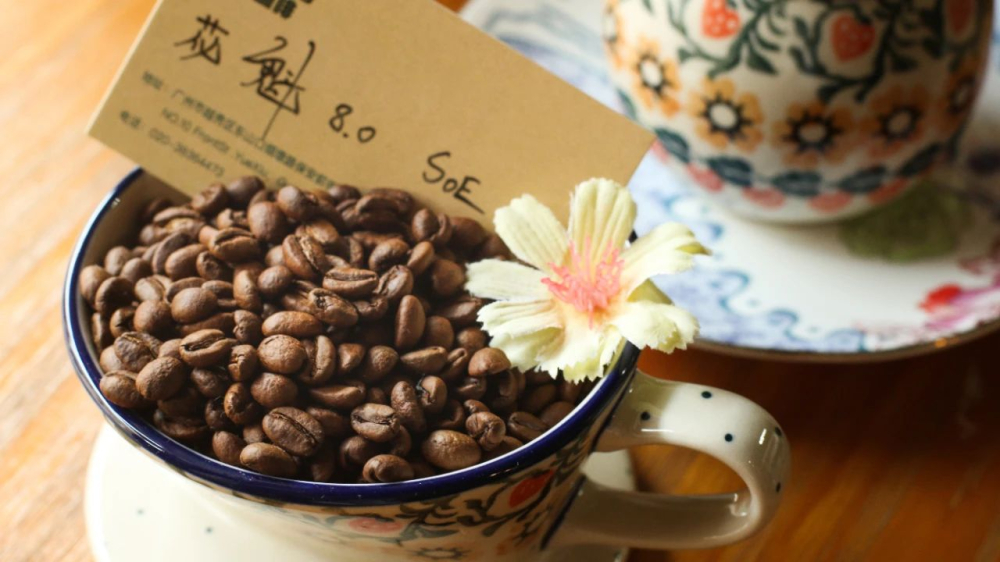
Conversely, if you’re aiming for a stable and rich taste, espresso blends are usually the more reliable choice. These beans are created by blending beans from different regions to ensure consistent flavor and intensity, making them highly suitable for milk-based drinks like lattes and cappuccinos. When using a fully automatic coffee machine, it’s recommended to prioritize blends for a more balanced extraction.
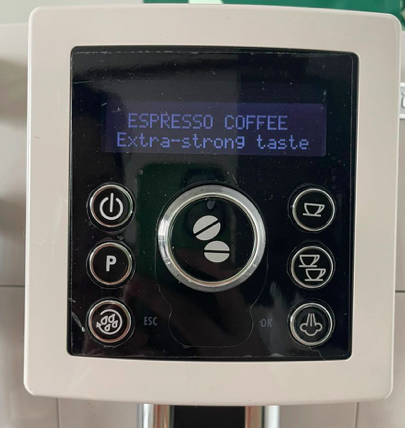
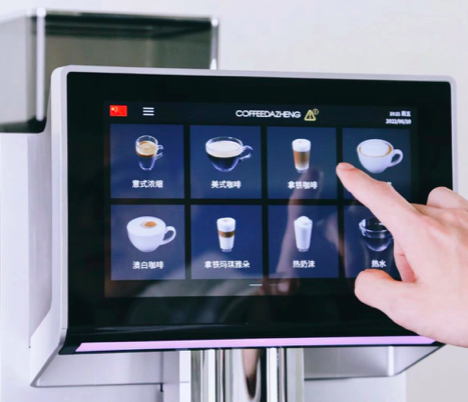
Before turning the machine on, make sure it’s connected to the appropriate voltage and go through the basic settings. Most models offer options such as “small cup” and “large cup,” along with adjustable parameters like temperature, strength, and double-shot mode. Some advanced models even allow users to customize coffee dosage and grind coarseness—adjust these finely according to the characteristics of the beans you’ve chosen.
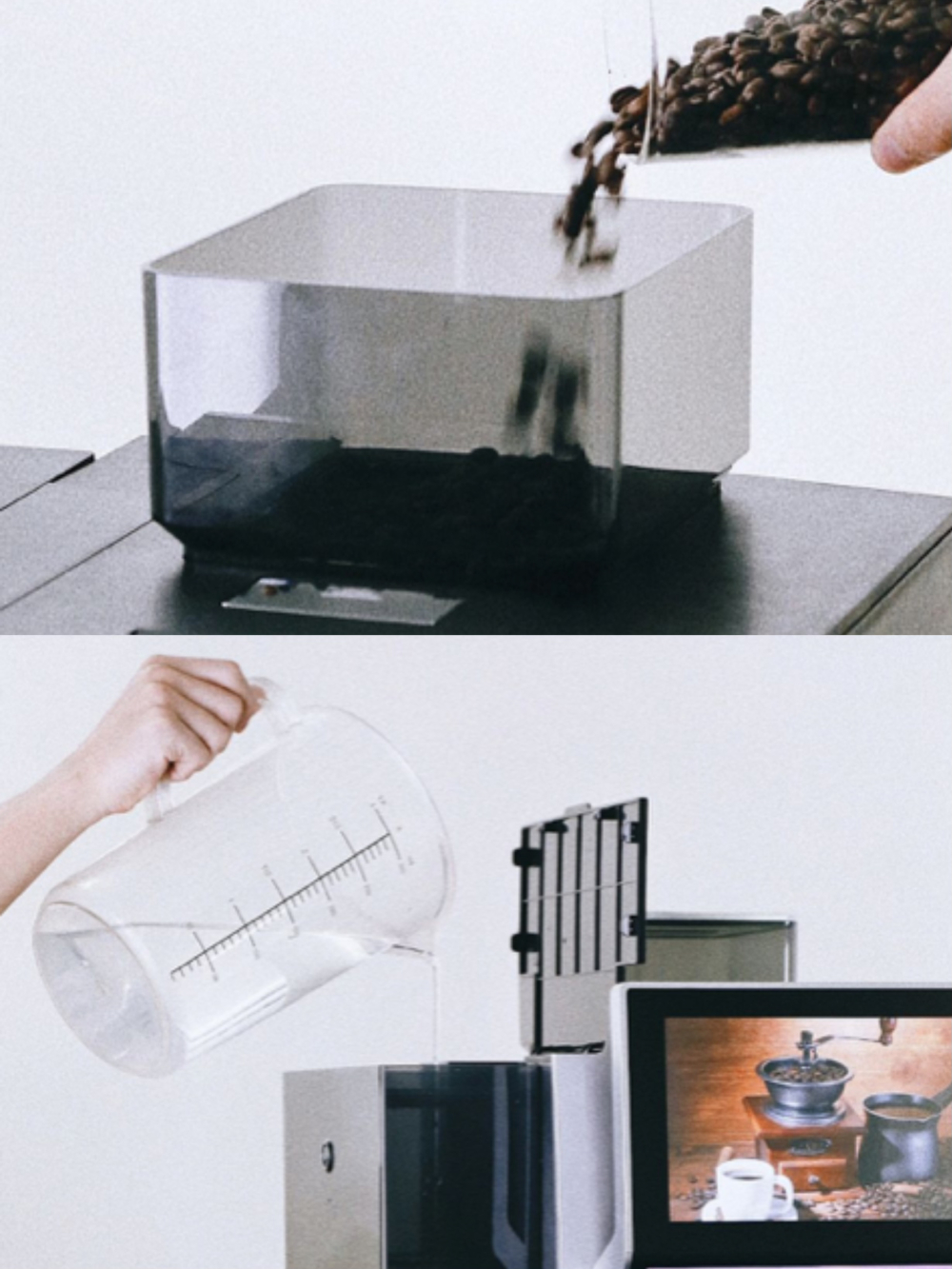
During the bean and water filling stages, do not exceed the machine’s maximum bean hopper and water tank capacities. It’s generally advised to fill them to about 3/4 full to ensure smooth grinding and brewing. Using fresh beans roasted to the proper degree can significantly improve extraction quality and flavor.
Regarding espresso extraction parameters, it’s recommended to set the coffee-to-water ratio between 1:2 and 1:3, adjust the grind size to medium-fine, and control the extraction time within 25–30 seconds. These values help you achieve a rich and balanced coffee liquid, suitable for pairing with milk or enjoying on its own.
Post-use cleaning and maintenance are equally important. It’s recommended to regularly clean the coffee grounds container and water tank, and when the machine will not be used for an extended period, remove any leftover beans and moisture to prevent mold and off-flavors. Keeping the machine in good condition ensures that every extraction delivers the best possible flavor.
The above content is compiled by CoffeeHunters, a coffee news website.

