







Introduction:Want to learn about the origins and characteristics of premium African coffee? This article delves into the geographical advantages and flavor profiles of Ethiopia’s Yirgacheffe region, analyzes the differences between washed and natural processing methods, and recommends high-value, fruit-forward beans perfect for pour over beginners — helping you discover your own African coffee profile.
When it comes to Africa, many people think of vast deserts, unique tribal cultures, and an air of mystery. Yet, it is precisely this continent’s high altitudes and diverse climates that have made it the cradle of the world’s finest coffees. In fact, the very first coffee tree was discovered in the Horn of Africa, and Ethiopia — the birthplace of coffee — is home to the star coffee region of Yirgacheffe.
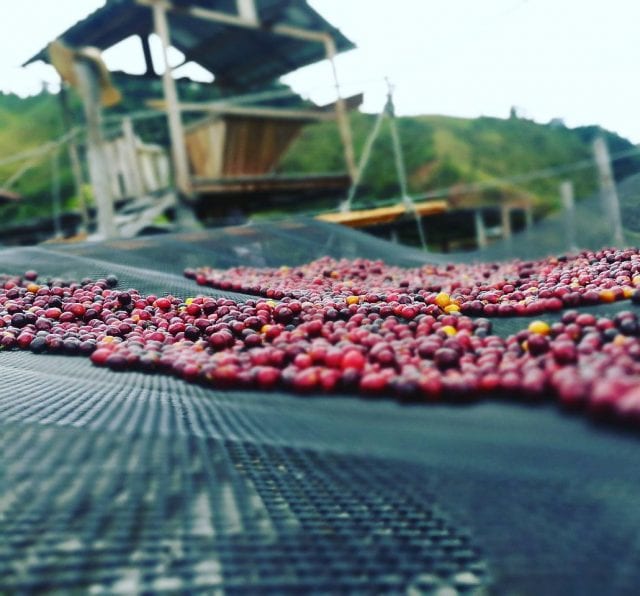
The town of Yirgacheffe is part of Ethiopia’s Sidamo region, with plantations situated at elevations between 1,700 and 2,200 meters. It serves not only as an administrative center but also as the home of numerous smallholder coffee farmers. Since most local farmers operate on a family scale, yields are limited. As a result, harvested coffee cherries are typically sent to cooperative processing facilities, where they undergo unified processing before being exported under the cooperative's name — ensuring consistent quality.
The high-altitude environment creates significant diurnal temperature variations, effectively slowing the ripening process of the coffee cherries and allowing the beans to accumulate richer flavor compounds. This is why Yirgacheffe coffee is famed for its distinctive floral and fruity aromas and vibrant, bright acidity — completely shattering the stereotype that “coffee is bitter,” and showcasing a clean, clear, and layered high-quality profile.
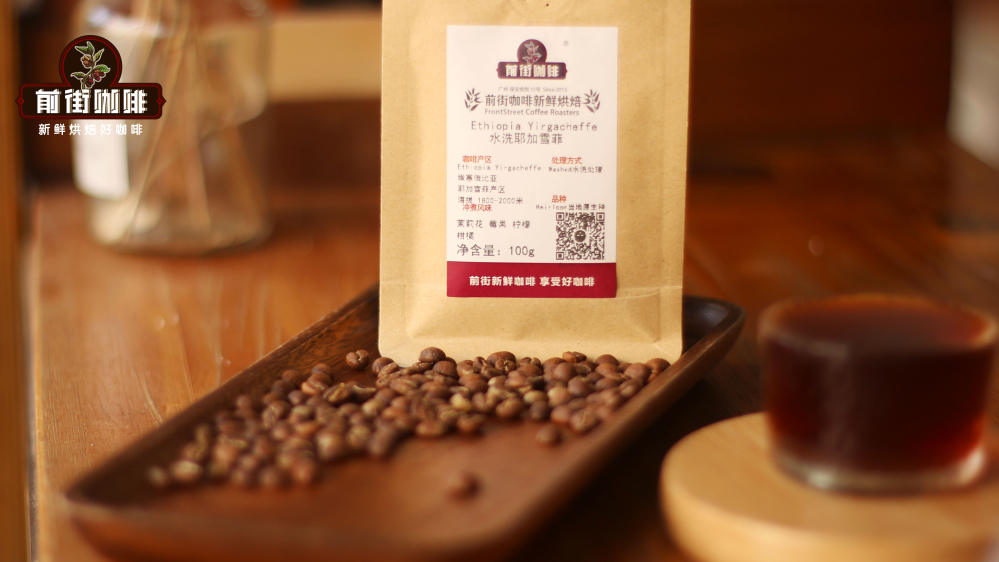
Pour over beans from Yirgacheffe often feature pronounced citrus notes, delicate white floral tones, and a honey-like sweet aftertaste. These flavor combinations give the coffee an overall refreshing and pleasant character, making it an excellent choice for daily pour over or as an introductory option for those trying African beans for the first time.
In terms of processing methods, Yirgacheffe coffee is mainly divided into two categories: washed and natural. Each has its own strengths in terms of craftsmanship, flavor expression, and market positioning.
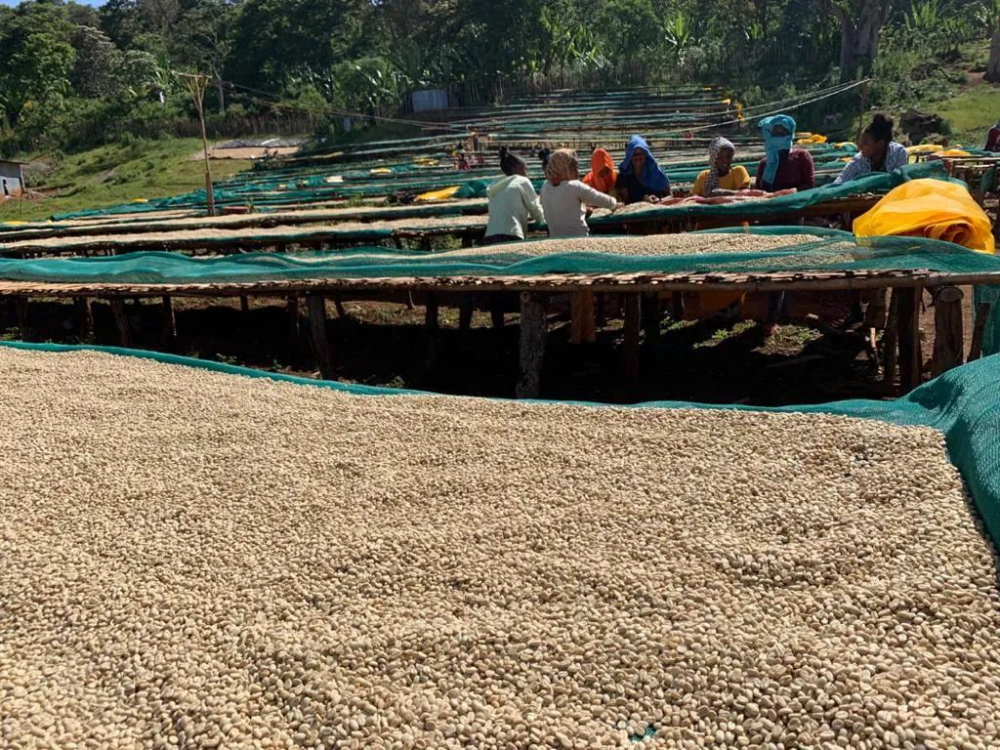
Washed Processing MethodEmphasizes precision and cleanliness. After harvest, the coffee cherries are first mechanically stripped of their outer skin and pulp, leaving the mucilage-covered beans. These are then placed in fermentation tanks with clean water for 12 to 36 hours, during which natural acids break down the mucilage layer. The beans are subsequently thoroughly washed with clean water and then spread out to dry on sun patios. This method effectively removes defective beans and foreign matter, resulting in uniform, clean-looking green beans and relatively stable flavor profiles — thus generally regarded as a hallmark of high quality, commanding higher market prices.
If you prefer a clean, tea-like coffee with bright acidity, consider trying washed-process Yirgacheffe beans. Common flavor profiles include jasmine floral notes, citrus acidity, along with soft berry and tea-like nuances — ideal for those who enjoy well-layered and cleanly lingering cups.
In contrast, the natural processing methodIs more traditional and natural. Harvested coffee cherries are not de-pulped but are instead placed directly on drying beds and slowly dried under the sun. This technique is especially common in regions with dry climates or limited water resources. Statistics show that around 70% of Ethiopian coffee is processed naturally. Because the entire cherry is dried, sugars from the fruit pulp can penetrate the seed, resulting in coffee with lower acidity, higher sweetness, and a richer, more complex fruit character.

The flavor profile of natural Yirgacheffe tends to be more intense. In addition to prominent citrus and berry aromas, you may also detect sweet notes reminiscent of fermented fruit, honey-like richness, and even a hint of creamy smoothness. Though slightly less clean than washed beans, natural Yirgacheffe offers a more robust and layered cup.
Overall, whether you prefer the refreshing, fruit-forward character of washed beans or the sweet, full-bodied flavors of natural ones, the Yirgacheffe region offers a wide variety of choices to satisfy the palates of different pour over enthusiasts. With the right grind size and water temperature settings, you can easily brew an exceptional cup that captures the essence of African coffee.

The above content is compiled by CoffeeHunters, a coffee news website.

