








Introduction:For coffee enthusiasts who brew at home using an espresso machine, selecting the right coffee beans is key to extraction quality. Should you choose a blend or a single-origin espresso (SOE)? How can you ensure your espresso boasts rich crema and balanced flavor? This article delves into the differences between blends and single-origin beans, helping you master the essentials of medium-dark roasting, freshness, and crema performance. We also recommend several classic blends perfect for home use, so even beginners can easily pull professional-quality shots.
In the world of coffee, a blend is a mixture of beans sourced from different regions or countries, often used in espresso preparation. These beans are thoughtfully combined to deliver a balanced and multi-layered flavor profile, making them especially well-suited as the base for espresso. In contrast, SOE (Single Origin Espresso) uses beans from a single origin, usually offering clearer and more distinct flavors—often showcasing pronounced fruit acidity or unique regional characteristics—but they may require more advanced brewing skills.
Many home espresso machine users often face a dilemma: should they go with a blend or an SOE? If you're aiming for a stable, crema-rich, and flavor-balanced shot, a medium-dark roasted blend is generally the more approachable and beginner-friendly choice. These beans not only bring out notes of caramel, chocolate, and cocoa but also tend to produce a rich crema, making them ideal for daily drinking or as a solid foundation for new brewers.
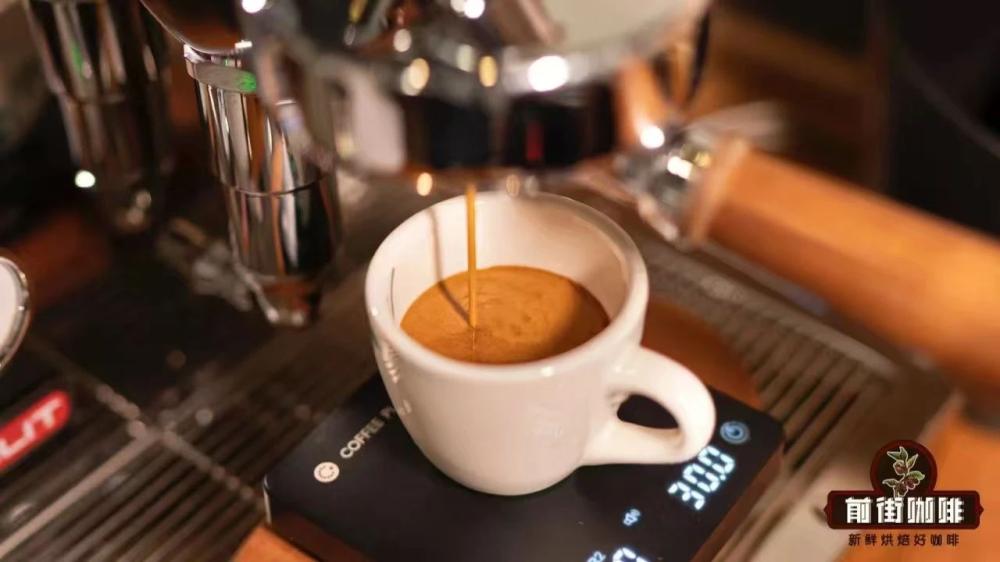
However, when selecting the right blend from the many options on the market, there are a few simple yet important criteria to follow: freshness, medium-dark roast level, and excellent crema performance. These three factors not only affect extraction results but also directly determine the flavor complexity and overall mouthfeel of the coffee.
First,Freshnessis a crucial factor influencing coffee flavor. Whether you’re brewing espresso or using other methods, a coffee bean’s flavor gradually diminishes two months after roasting—especially its delicate aromatic compounds. If beans are unused beyond two months, even the best technique will struggle to extract rich crema and aroma. It’s recommended to choose beans roasted within 10 days, as this preserves the highest levels of volatile aromatic substances and extends the optimal drinking window.
Second,Medium-Dark Roastinghelps enhance the bold body and rich aromas needed for espresso. As the roast level deepens, the internal cell structure of the coffee bean becomes more porous, releasing more caramelized compounds and roasty notes such as hazelnut, cream, chocolate, and caramel. These flavors not only boost the coffee’s intensity but also encourage greater gas release as hot water passes through the coffee grounds—resulting in that coveted golden crema on top of your espresso.
Finally,Rich Cremais not just a visual delight but also a key component that affects taste and latte art performance. The density and stability of crema directly influence how espresso flavors are released and provide a better foundation for milk drinks like lattes and cappuccinos. When purchasing, look for products labeled as having “excellent crema performance” or flavor descriptions that suggest crema-friendly traits such as chocolate, caramel, or nuts.
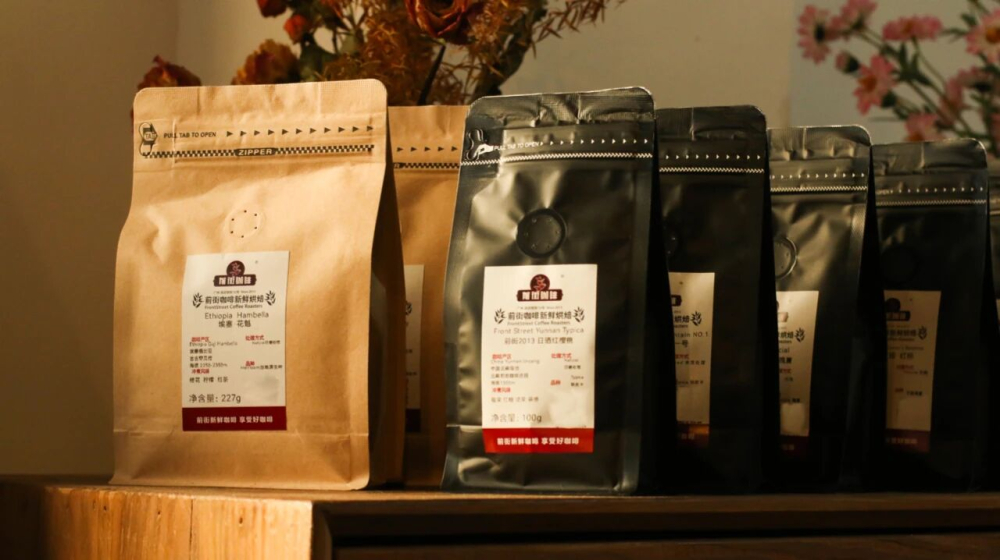
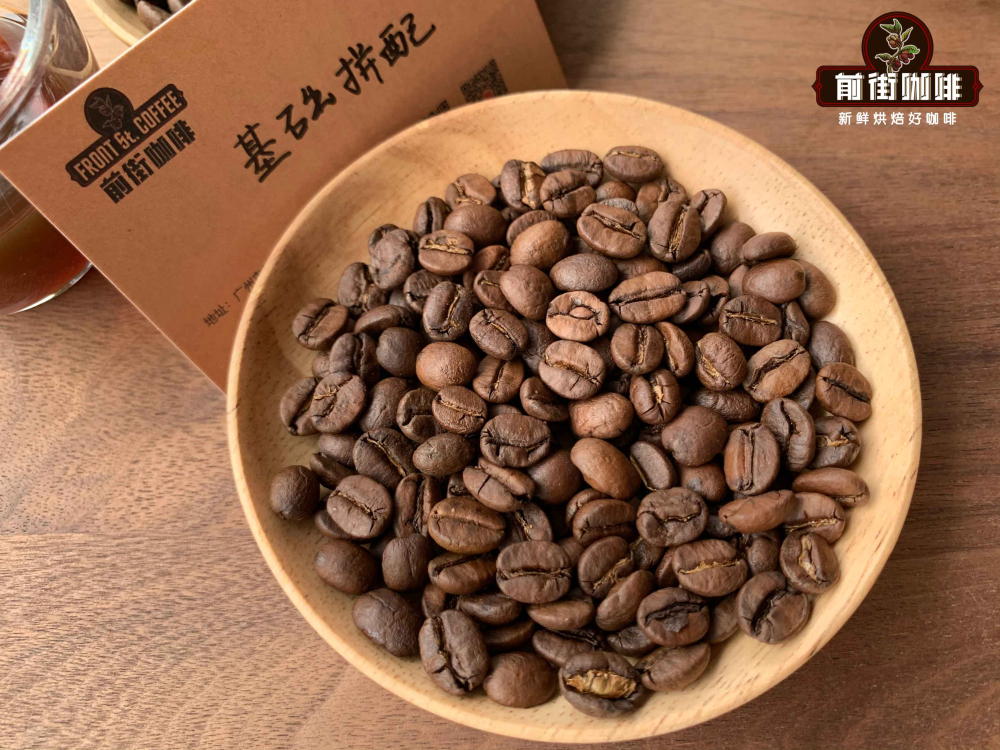
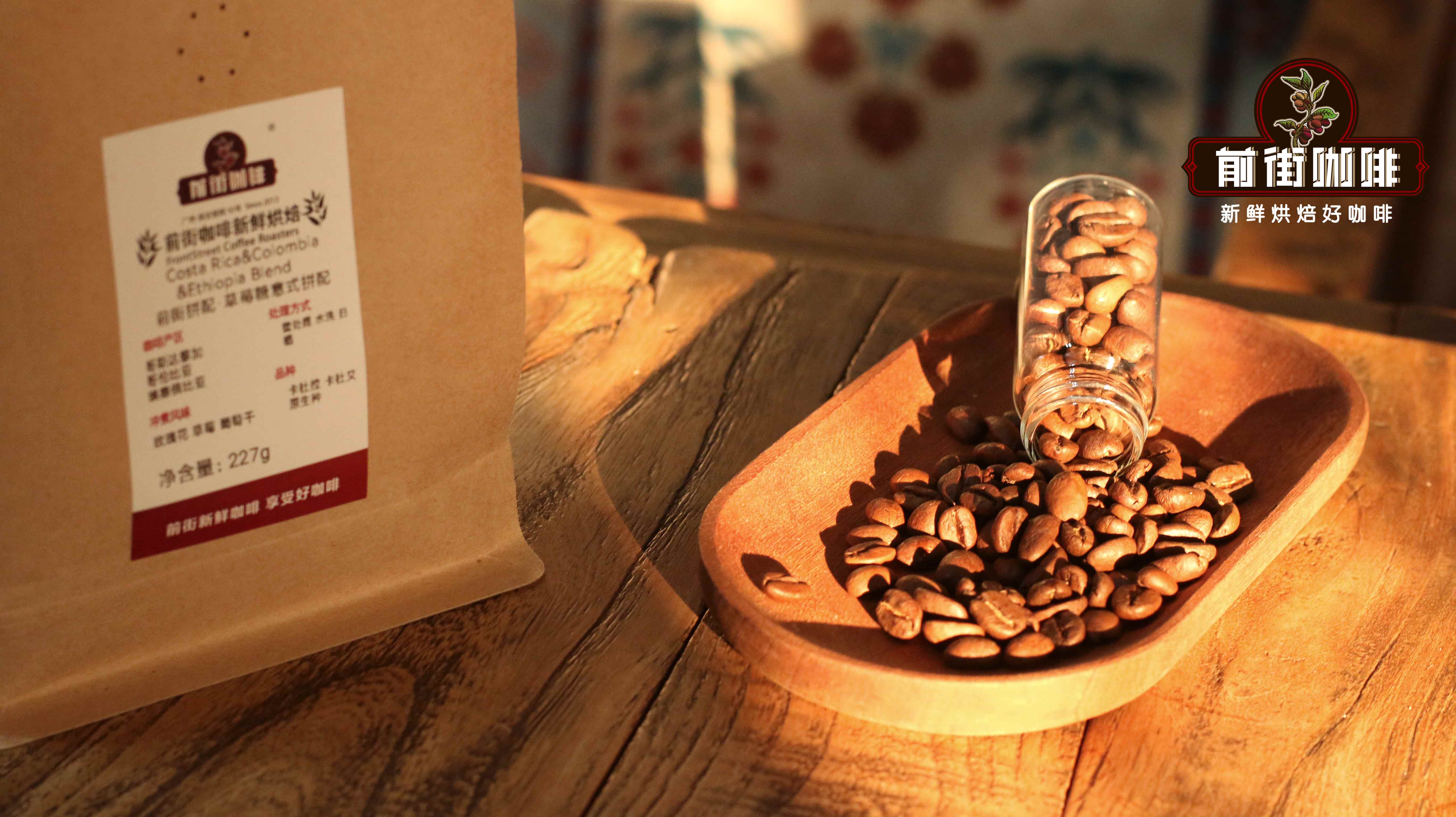
Here are several blends designed for home espresso machines, each with distinctive flavor profiles: The first combines the nutty tones of Mandheling, the body of Brazilian beans, and the sweetness of Vietnamese beans, delivering pronounced notes of dark chocolate and caramel—ideal for those who prefer a bold cup. The second blends Robusta with Colombian beans, emphasizing a strong and steady base, suitable for those who enjoy intense flavors or want a solid foundation for milk-based drinks. The third incorporates the mild acidity of Yunnan small beans, complemented by the balance of Brazilian beans, resulting in soft fruity acidity layered with nutty caramel notes. The fourth is somewhat unique, featuring a medium roast suitable for use with a moka pot, showcasing flavors like strawberry taffy, rose blossom, and citrus—offering a bright finish that appeals to fans of floral and fruity profiles.
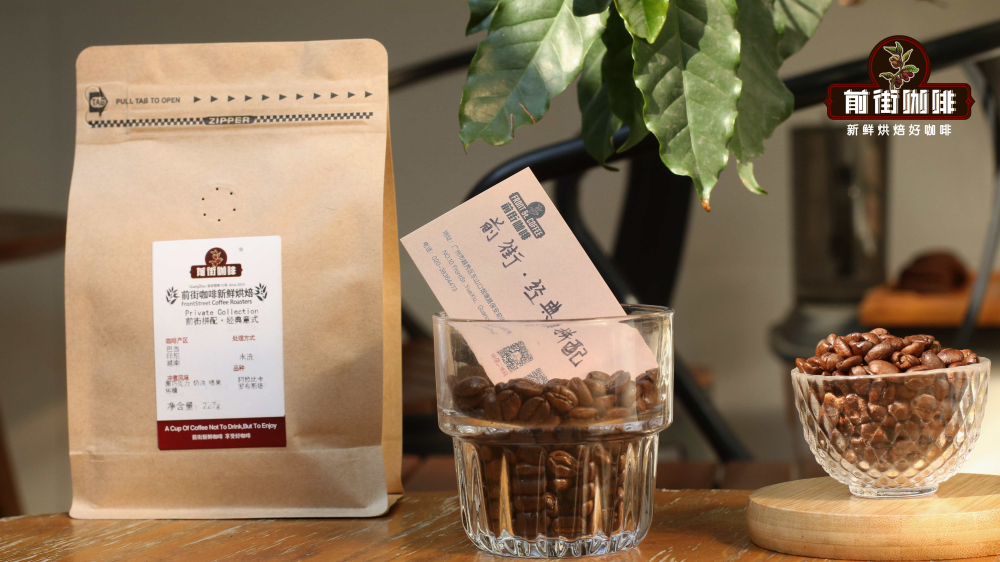
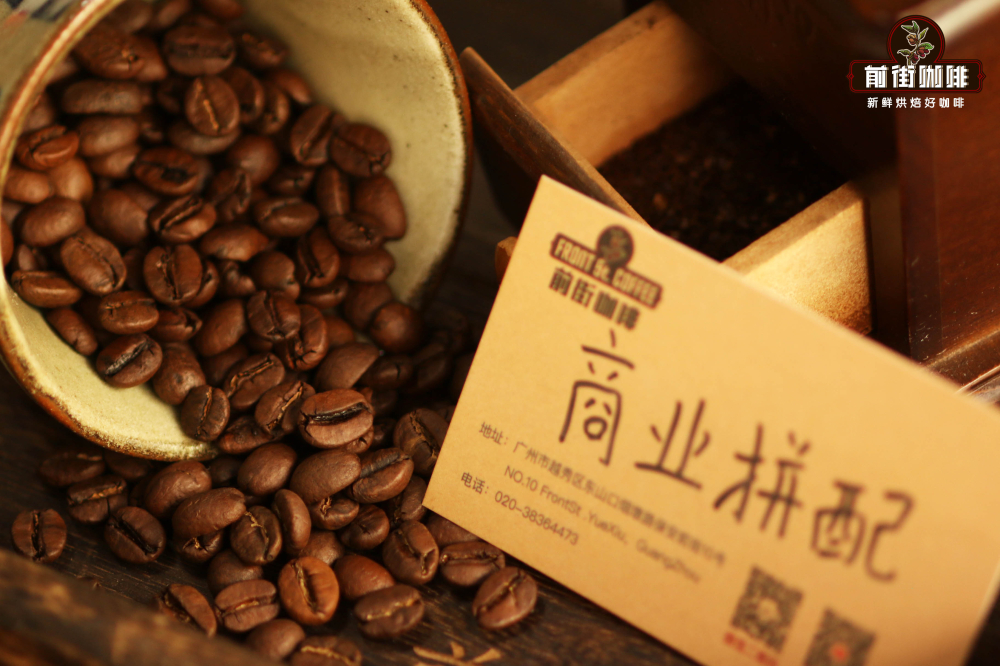
When buying blended coffee, it’s advisable to choose brands or roasters known for consistent quality and reliable supply chains to ensure each batch maintains freshness and flavor consistency. For home espresso users, freshness and roast level matter far more than simply chasing fancy names or origins. By mastering the above tips and trying our recommended blends, you too can easily brew professional-grade espresso with rich crema and balanced flavor at home.
The above content is compiled by CoffeeHunters, a coffee news website.

