







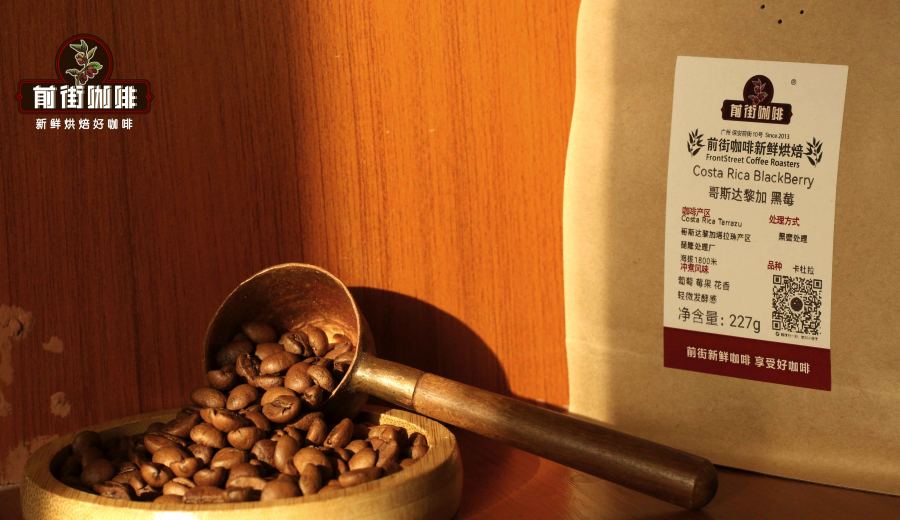
Introduction:Want to brew richly crema-ed, layered espresso at home? Choosing the right coffee beans is key. This article delves into how to select high-quality espresso beans—including tips on freshness, roast level selection, and recommendations for uniquely flavorful high-sweetness SOEs and blends—to help you enjoy a rich taste and aroma whether you're pulling espresso or brewing Americano.
In the world of espresso, the shot of espresso itself is the core. It’s not only the base for many classic coffee drinks but also loved for its intense flavor, rich body, and long-lasting aftertaste. However, to pull the ideal shot, aside from equipment and technique, choosing the right coffee beans is an essential step that shouldn't be overlooked.
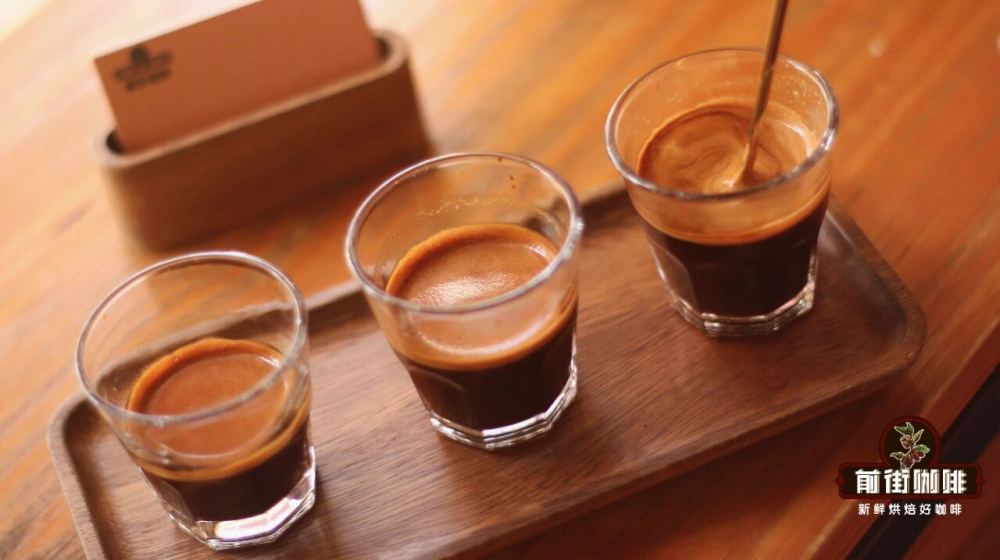
There are countless types of coffee beans on the market, and for beginners, it can often be overwhelming to choose. If you don’t want to spend a lot of money only to end up with a bland experience, selecting a brand with a good reputation is the first step. Among the many brands, some have earned recommendations from baristas thanks to their consistent quality and reasonable pricing. The beans from this brand are shipped within five days of roasting and maintain their freshness—perfect for users seeking optimal flavor expression.
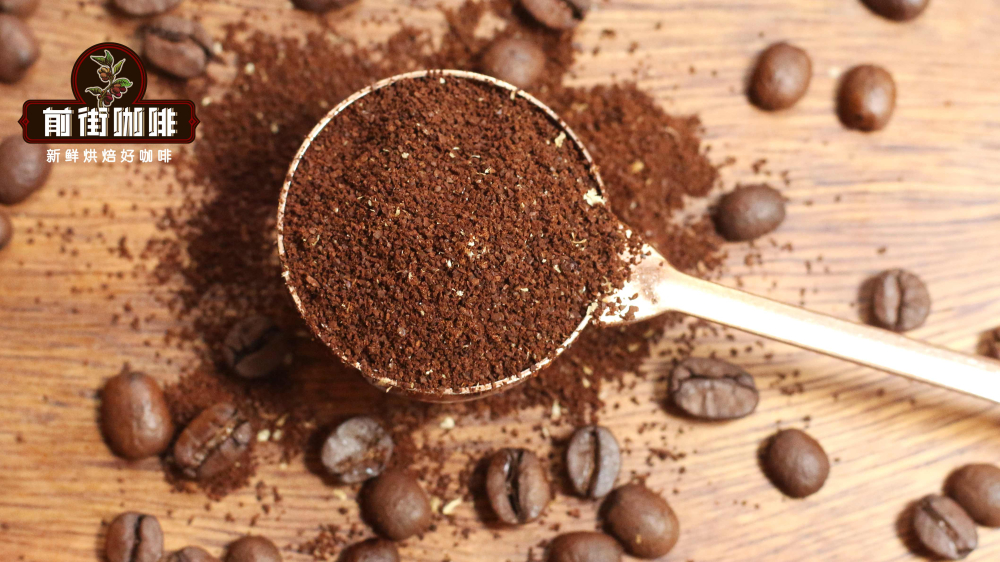
The freshness of coffee beans has a huge impact on flavor. Freshly roasted beans contain a large amount of carbon dioxide, which helps release aroma and flavor compounds during extraction. However, over time, the carbon dioxide in the beans gradually dissipates, and so does the flavor. Generally speaking, freshly roasted coffee beans are best enjoyed within 40 to 50 days of roasting. Once ground, the aroma volatilizes even faster, with noticeable flavor decline occurring around 20 days later. Therefore, it’s recommended to choose freshly roasted whole beans and grind them just before brewing, according to your extraction needs.
Espresso extraction conditions—including high water temperature, high pressure, and fine grind size—make the choice of roast level especially crucial. Light roasts can bring overly high acidity and an under-rounded mouthfeel, while dark roasts may lead to excessive bitterness and monotonous burnt notes. As a result, medium roast becomes the top choice for most espresso, balancing acidity, sweetness, and bitterness while bringing out rich caramel, nutty, and chocolatey tones—ideal for making espresso and all kinds of espresso-based drinks.
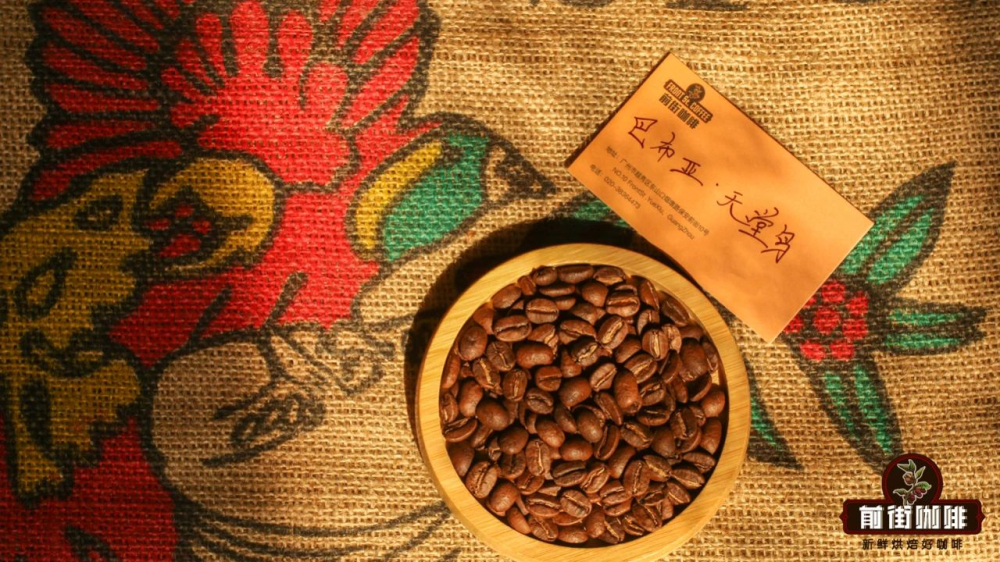
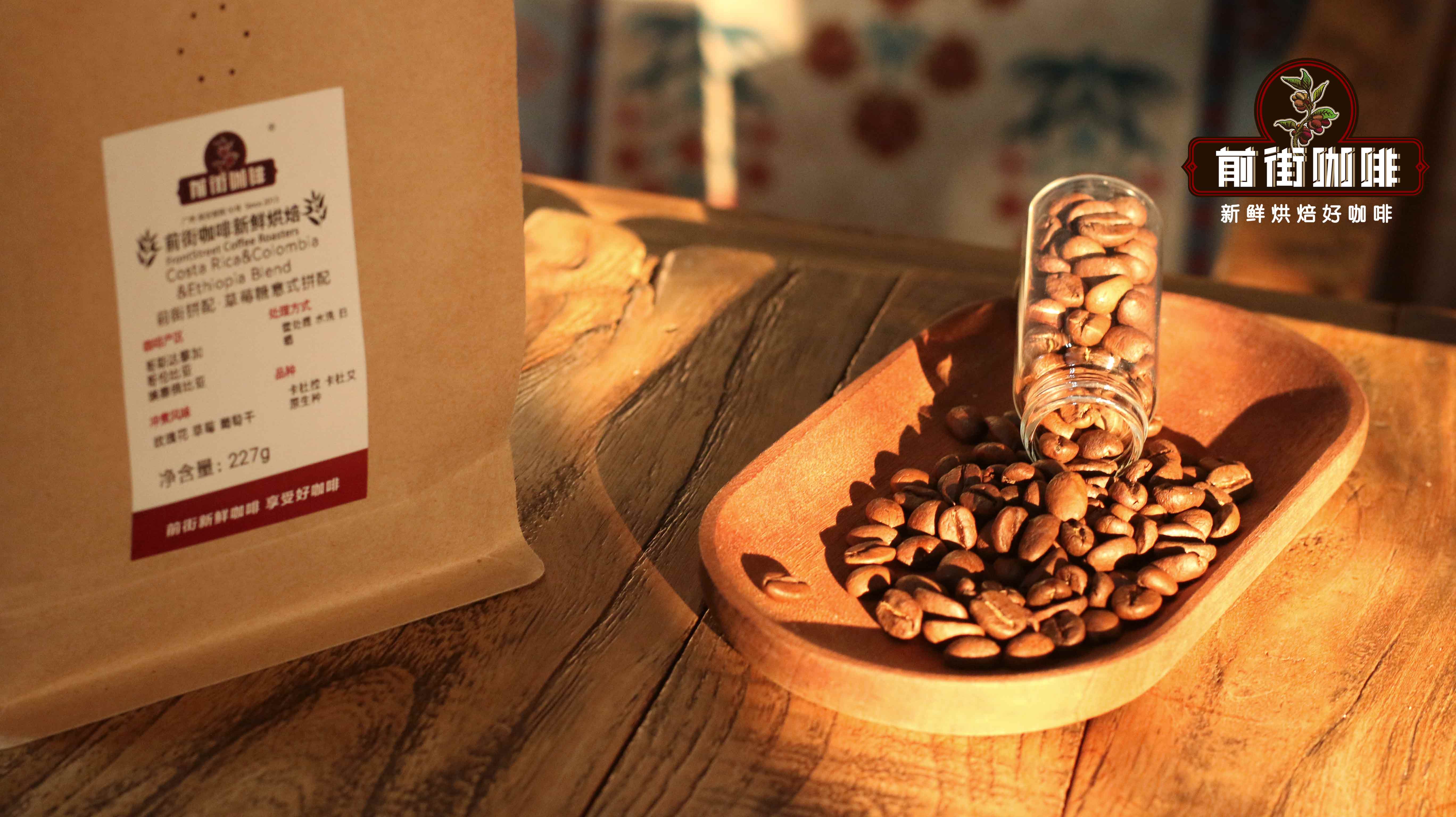
If you prefer sweet, well-balanced espresso with harmonious acidity and bitterness, here are several high-sweetness beans worth trying. First is the strawberry candy blend, combining the sweetness of Costa Rica honey-processed beans, the citrus and floral notes of Ethiopian beans, and the chocolate and nutty characteristics of Colombian beans. This blend, when brewed, offers aromas of rose, strawberry taffy, and dried blueberries, with balanced acidity and sweetness plus a soft almond aftertaste, rich crema, and a velvety mouthfeel.
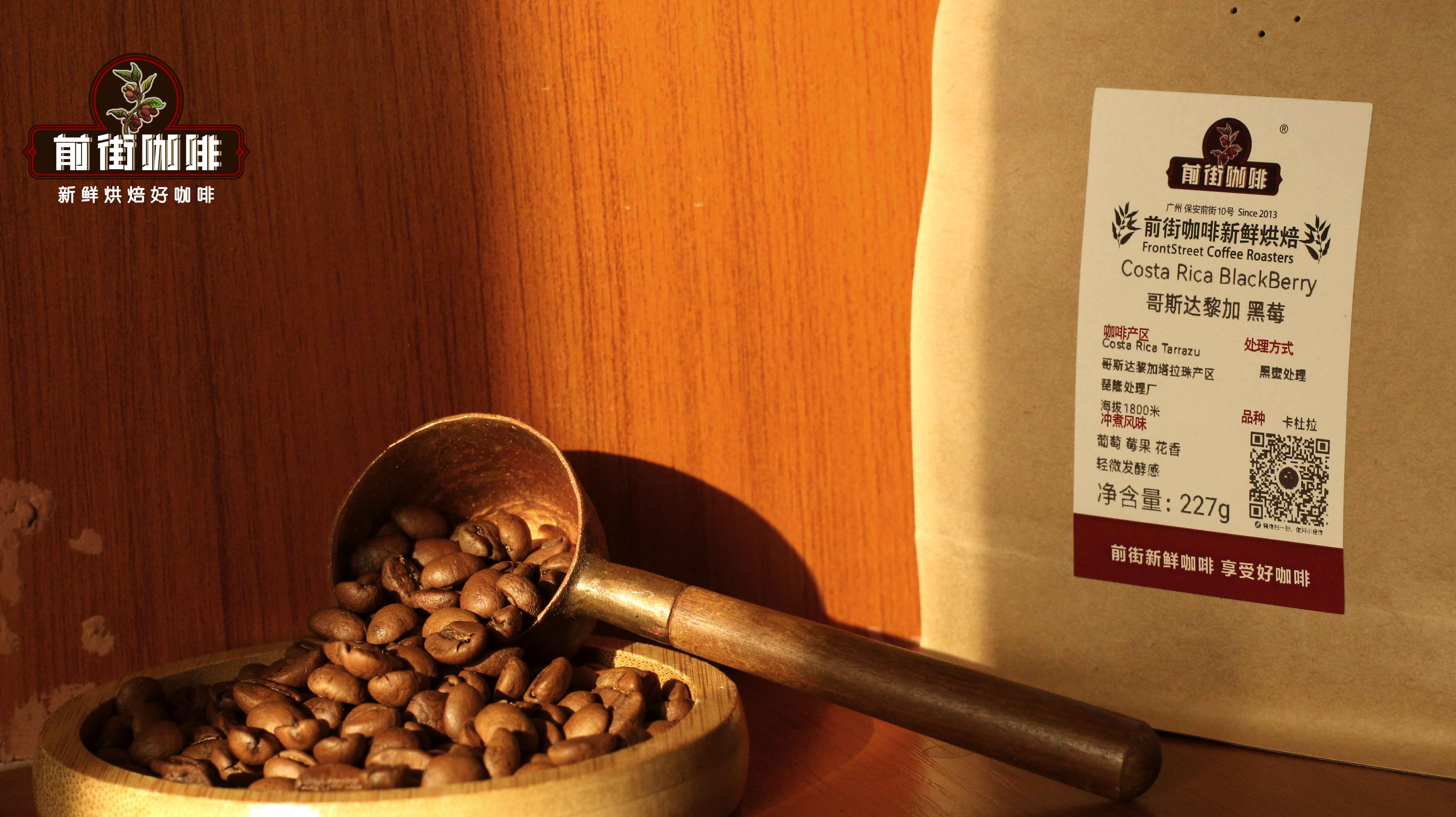
Also highly popular is the Costa Rica blackberry SOE. This single-origin bean features natural sweetness with notes of longan, grape, and honey, paired with delicate floral aromas, resulting in a smooth and rich body. It’s suitable for those who don’t prefer high acidity but still seek complexity. Whether used for espresso or Americano, it delivers a balanced cup that's fragrant, neither sour nor bitter.
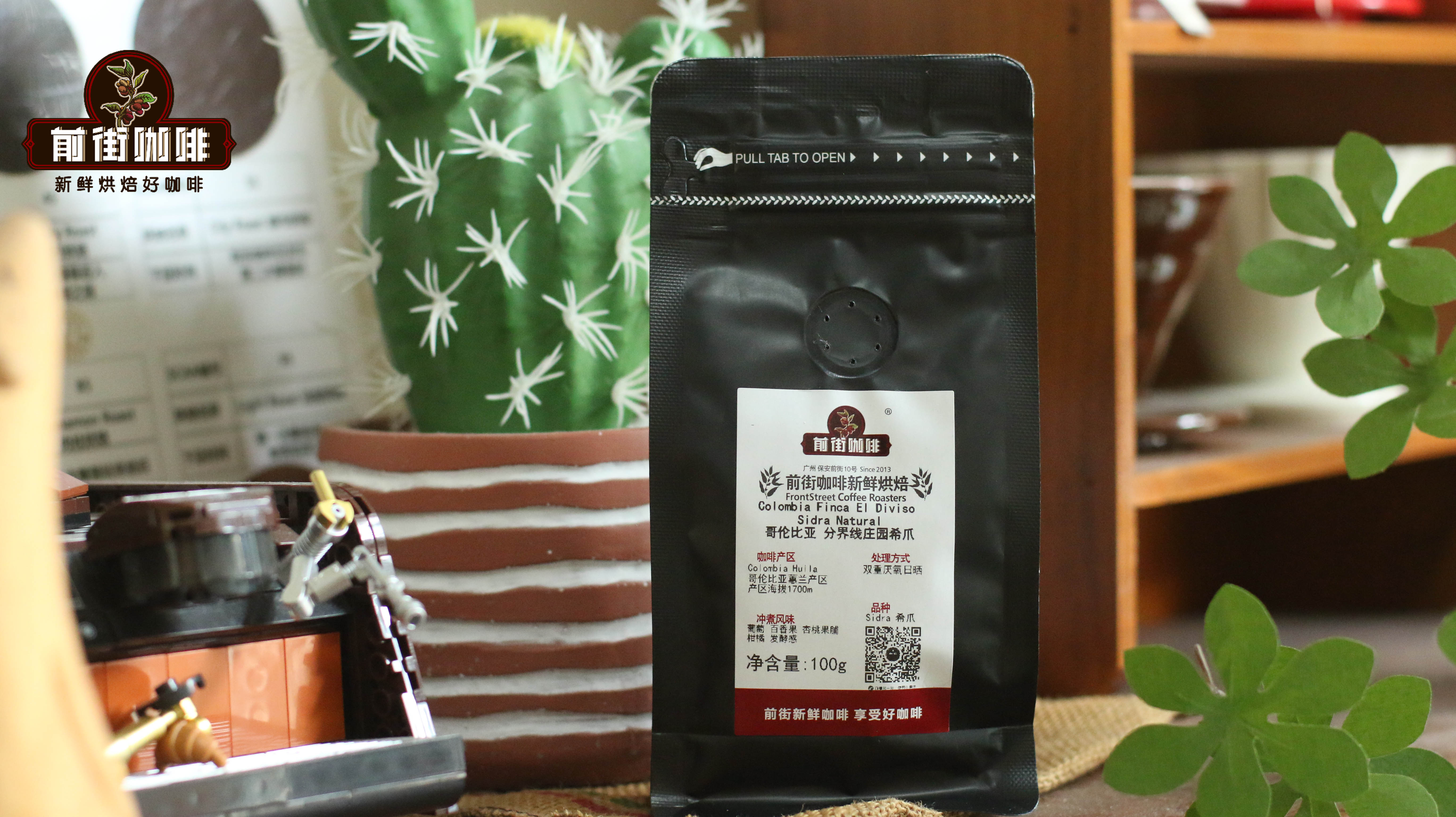
If you enjoy coffee with intense fruitiness, another excellent option comes from a certain roaster’s Sidamo SOE. This bean offers bright flavors of passionfruit, grape, apricot, and citrus, with a finish that brings sweet notes reminiscent of chocolate and mild spices. The aftertaste is long-lasting and layered, like fruit wine. It’s great for making iced Americano, offering a refreshing experience akin to grape juice.
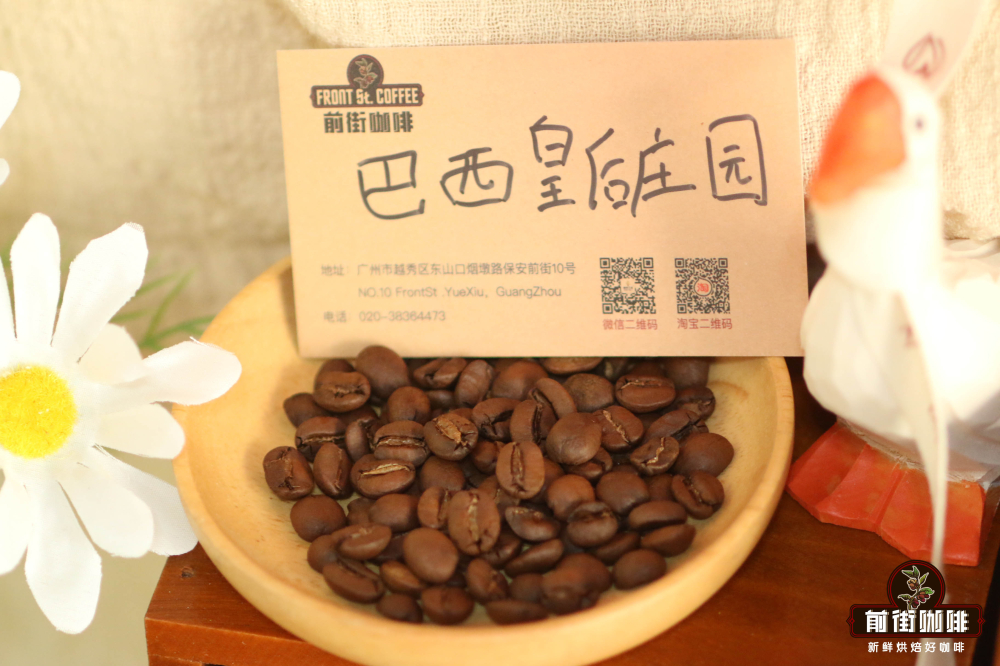
Finally, don’t overlook the Brazilian Queen Estate SOE. This medium-roast bean is known for its stable flavor profile. When brewed, it gives off aromas of toasted bread, peanuts, butter, and cookies. Used for Americano, it delivers a natural cane sugar sweetness, while in a latte, it highlights the perfect pairing of chocolate and milk—perfect for coffee lovers who enjoy a smooth and mellow taste.
The above content is compiled by CoffeeHunters, a coffee news website.

