







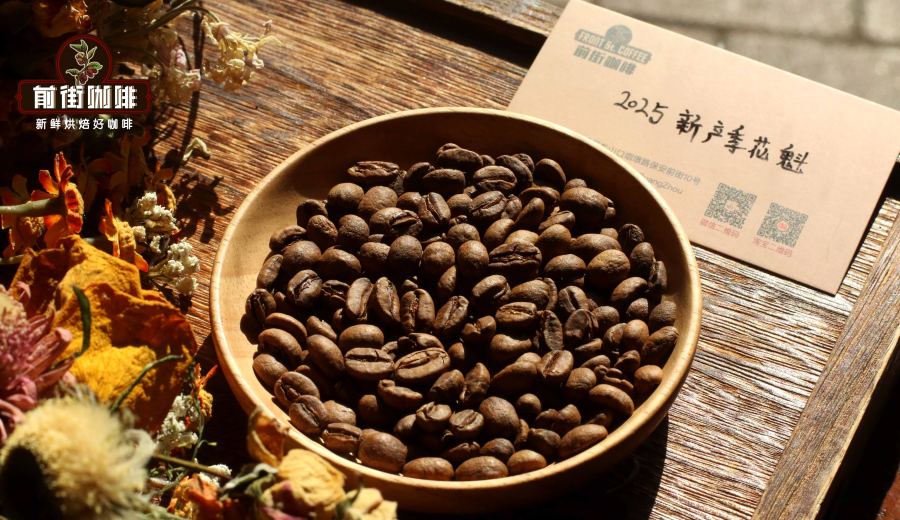
Introduction:Whether you're opening a coffee shop or upgrading the quality of your in-store coffee offerings, choosing the right commercial coffee beans is key. This article delves into the characteristics of single-origin and blended coffee beans, with a focus on practical purchasing considerations for espresso blends. Covering freshness, roasters, extraction parameters, and specific product recommendations, it provides a comprehensive decision-making reference to help you find the beans that best suit your shop’s needs.
Coffee beans on the market can generally be divided into two main categories: single-origin and blends. Single-origin beans come from a specific region or farm—such as Mandheling from Indonesia, Colombian beans from South America, and Yirgacheffe from Africa. Each type exhibits unique flavor profiles due to differences in origin and variety, such as spices, dark chocolate, citrus, or floral notes. These beans are typically best brewed using methods like pour over or French press, which can fully highlight their intricate details and layers.
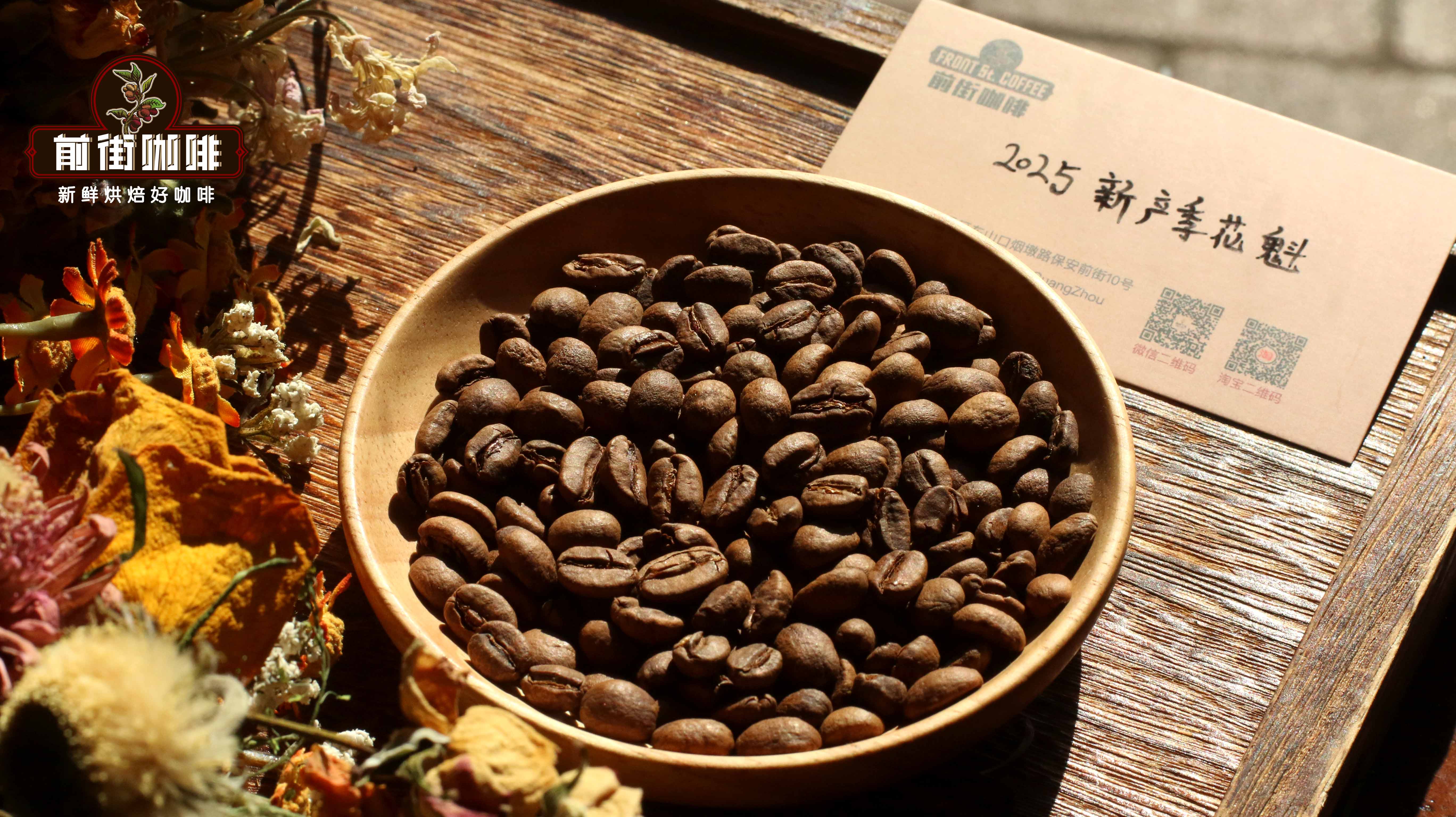
In contrast, blended coffee beans are crafted by combining two or more single-origin beans in specific proportions, aiming to achieve balanced and consistent flavors. Blending techniques can compensate for the shortcomings of individual bean varieties, creating deeper and more complex taste profiles. This makes them particularly well-suited for crafting specialty espresso-based drinks such as lattes, cappuccinos, and flat whites. As a result, most professional coffee shops opt for stable espresso blends as their core offerings.
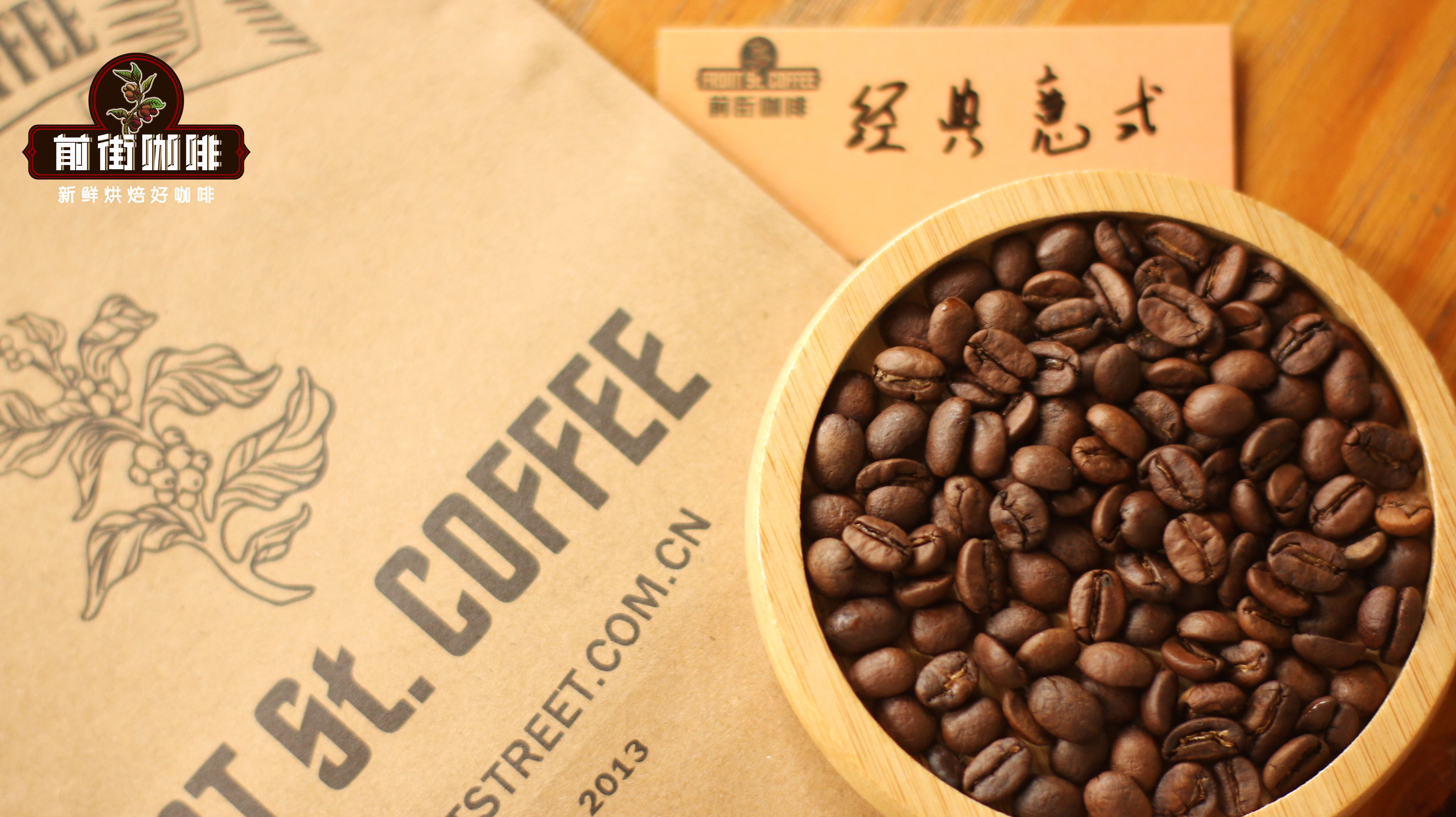
When selecting commercial espresso blend beans, there are several core factors that should not be overlooked. First and foremost, freshness is the primary determinant of coffee flavor. It is recommended to prioritize domestic supply chains and avoid brands roasted overseas. This is because coffee beans continue to oxidize after roasting, and the flavor difference between beans roasted five days ago versus two months ago can be significant.
Secondly, for large-scale and stable commercial demands, it is advisable to choose professionally self-roasted brands with scale. Such brands usually operate large-capacity roasting equipment, ensuring consistency in quality across each batch, which helps maintain the standard of your shop’s output. Additionally, once you’ve selected the right roaster, proper extraction becomes a key factor in influencing the taste of the coffee. Espresso extraction requires a comprehensive consideration of parameters such as grind size, brew ratio, tamp pressure, flow rate, and extraction time—all of which directly impact the coffee’s aroma, acid-sweet balance, and body.
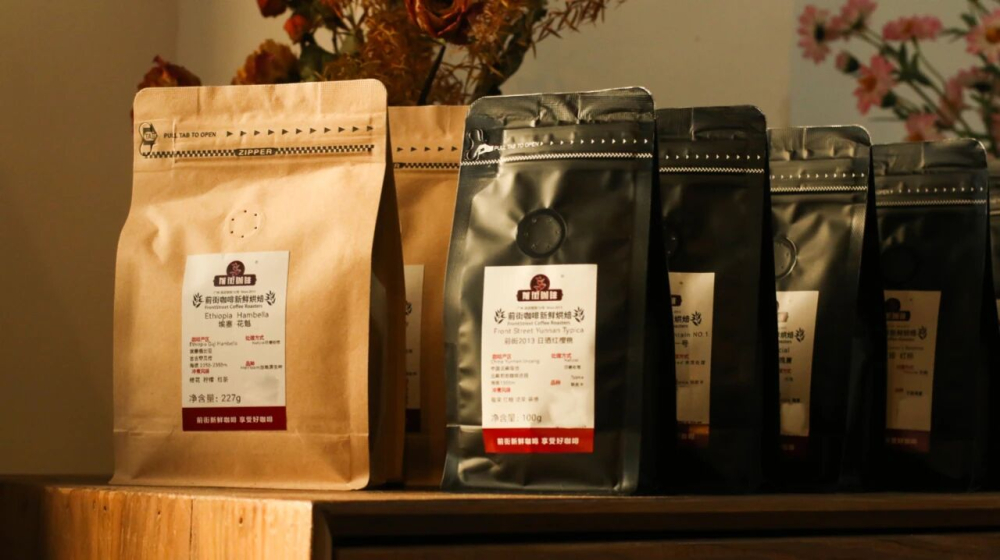
Among the many espresso blend products, some brands offer multiple formulations tailored to different application scenarios, suitable for everyone from beginners to professional shop owners. For example, some blends combine beans from Brazil, Colombia, and Vietnam. These recipes often present a caramel-like sweetness, paired with flavors of nuts, dark chocolate, and cocoa, achieving an overall balanced acid-sweet profile with a slightly bitter and deep finish. They are suitable for coffee shops of all sizes and meet the need for stable, high-volume daily output.
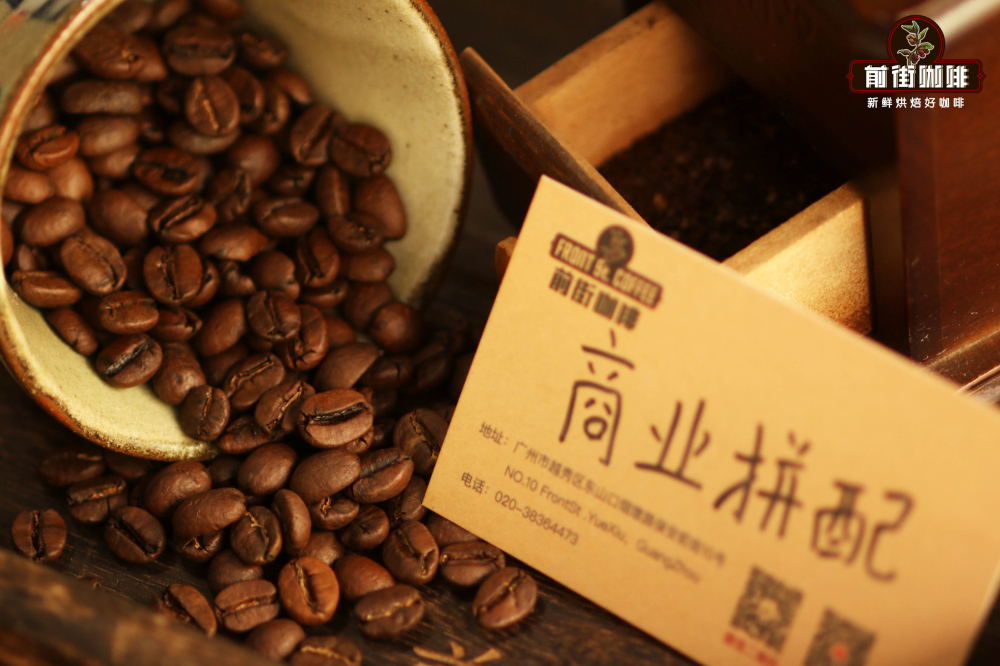
Another type of blend leans toward using key coffee varieties from South American regions such as Colombia and Brazil. These blends typically yield a comfortable balance of bitterness and sweetness when extracted, performing well whether used for Americanos or milk-based coffees. In the case of Americanos, the result is a smooth texture with a chocolatey aftertaste. Meanwhile, in lattes or cappuccinos, they release multi-layered aromas of nuts, cocoa, cookies, and caramel, delivering a rich and well-rounded cup with a pleasant lingering finish—ideal for consumers seeking balanced and complex flavors.
In summary, selecting commercial coffee beans involves not only considering the bean origin and blend ratios but also paying attention to freshness, roasting consistency, and actual extraction performance. Whether you are a new coffee shop owner or an established business looking to elevate your in-store coffee quality, a deep understanding of these key elements will help you make more precise choices—ensuring that every cup becomes a delightful surprise for your customers.

The above content is compiled by CoffeeHunters, a coffee news website.

