








Introduction:To brew a rich and full-bodied Espresso at home, choosing the right coffee beans is key. This article delves into why medium-dark roasted blends are the preferred choice for espresso, and features 5 high-value blends that balance flavor and cost-effectiveness. From crema performance to sweetness balance, we’ll help you find the espresso beans that suit your taste best — and cover roast level and extraction essentials in one go.
Espresso is a concentrated coffee extracted under high pressure and high temperature for a short time, resulting in a beverage with highly concentrated strength and flavor. It’s often used as the base for drinks like lattes and Americanos. Since the extraction time is brief — only about 20–30 seconds — using a light roast can easily lead to overly pronounced acidity or under-extraction, resulting in a thin-tasting shot. Conversely, choosing an overly dark roast may produce burnt bitterness and over-extracted flavors. Therefore,blends roasted to a medium-dark to medium levelare the ideal choice for making espresso.
In addition, the bean variety composition is also extremely important. While single-origin beans can perform excellently in pour over brewing, they often lack sufficient flavor complexity or have overly sharp acidity, making it difficult to achieve balance during espresso extraction. Therefore, most professional espressos use blends, where beans from different regions and processing methods complement each other to bring out a rich, sweet, and well-balanced acidity in the cup.
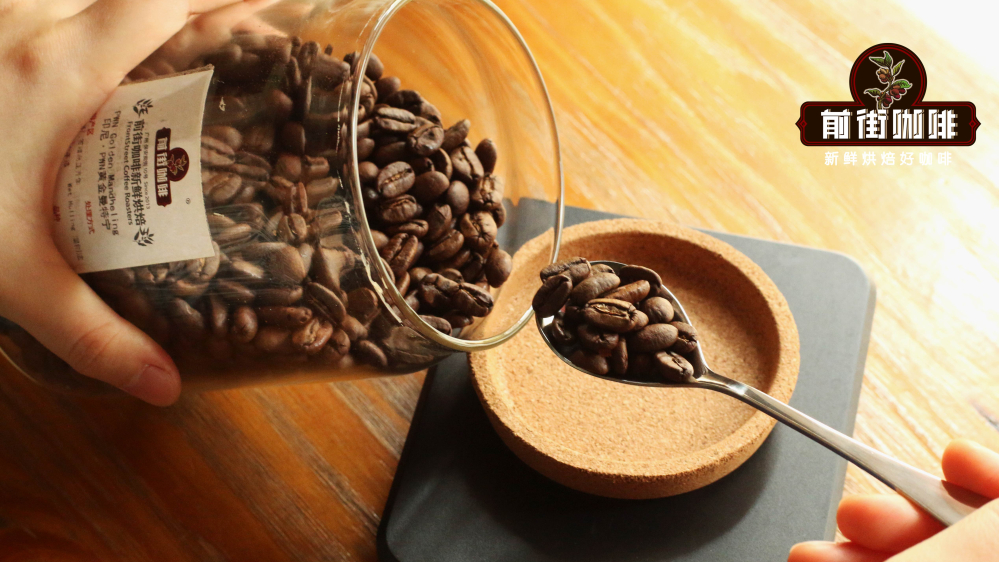
Below are 5 high-value blends recommended for home espresso brewing. Each has its own unique flavor profile, so whether you’re just starting out or already an experienced coffee enthusiast, you’ll be able to find the one that suits your palate the best.
1. Premium Blended Espresso Beans: A blend of Colombian and Brazilian beans. The Colombian provides nutty and chocolatey notes, while the Brazilian contributes a creamy, peanut-like body. Together, they yield rich crema, a smooth mouthfeel, and a slight bitter edge of classic American flavor — perfect for those who prefer balanced taste.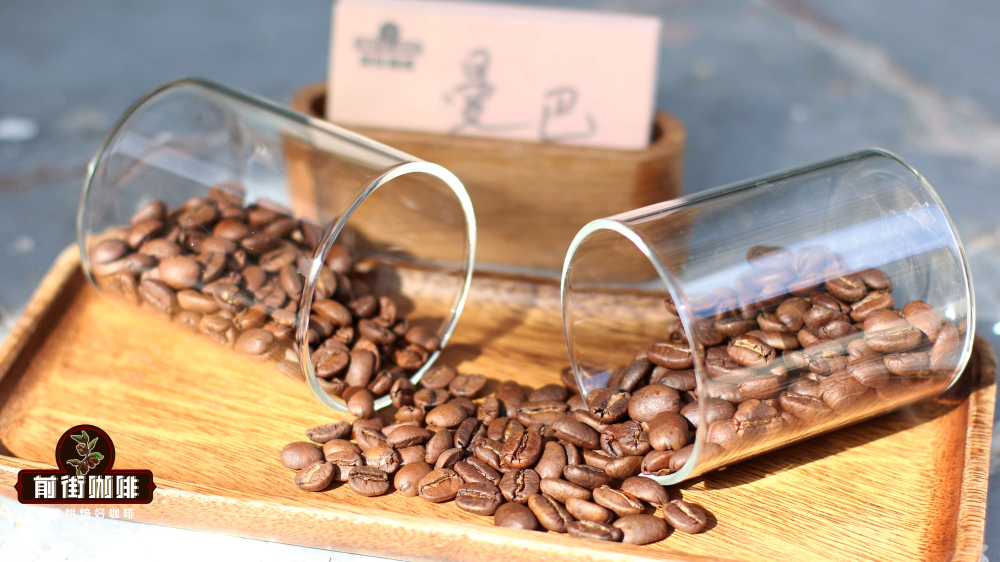
2. Commercial Blended Espresso Beans: This blend includes Robusta beans along with Colombian and Brazilian beans, producing intense nutty and chocolate aromas. It’s rich, full-bodied, and has abundant crema, making it suitable for those who enjoy bold espresso or café-style daily shots. It also pairs well with milk-based drinks.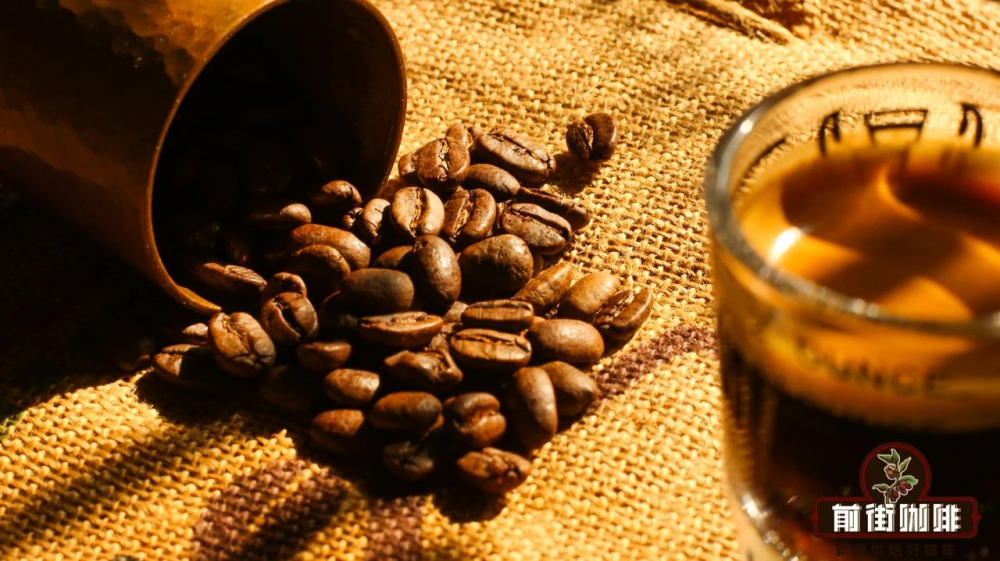
3. Strawberry Candy Espresso Beans: Combining Costa Rican honey-processed beans, Colombian Huila, and Ethiopian Yirgacheffe, this blend creates a pronounced fruity and floral sweetness with notes of rose, grape, and dried blueberry. The crema is moderately present — a must-try for those who love sweet and fruity profiles.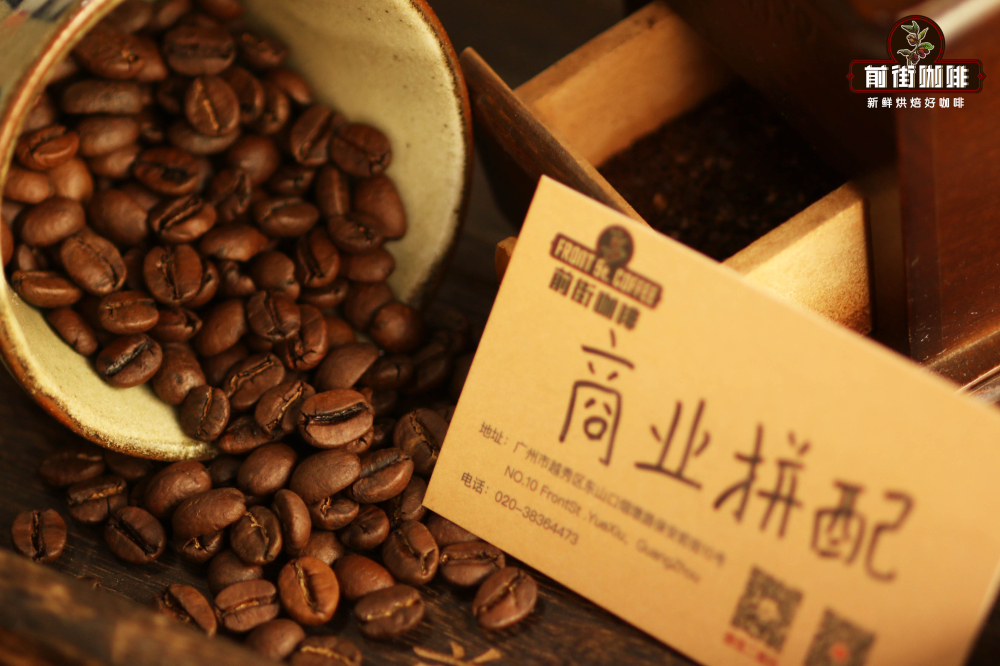
4. Classic Blended Espresso Beans: Comprising Brazilian, Indonesian Mandheling, and Vietnamese beans, this blend is dark roasted to highlight intense caramel and nutty aromas. It has a dense crema and is ideal for making Americanos or lattes. Whether brewed with hot water or milk, it delivers a rich and smooth taste.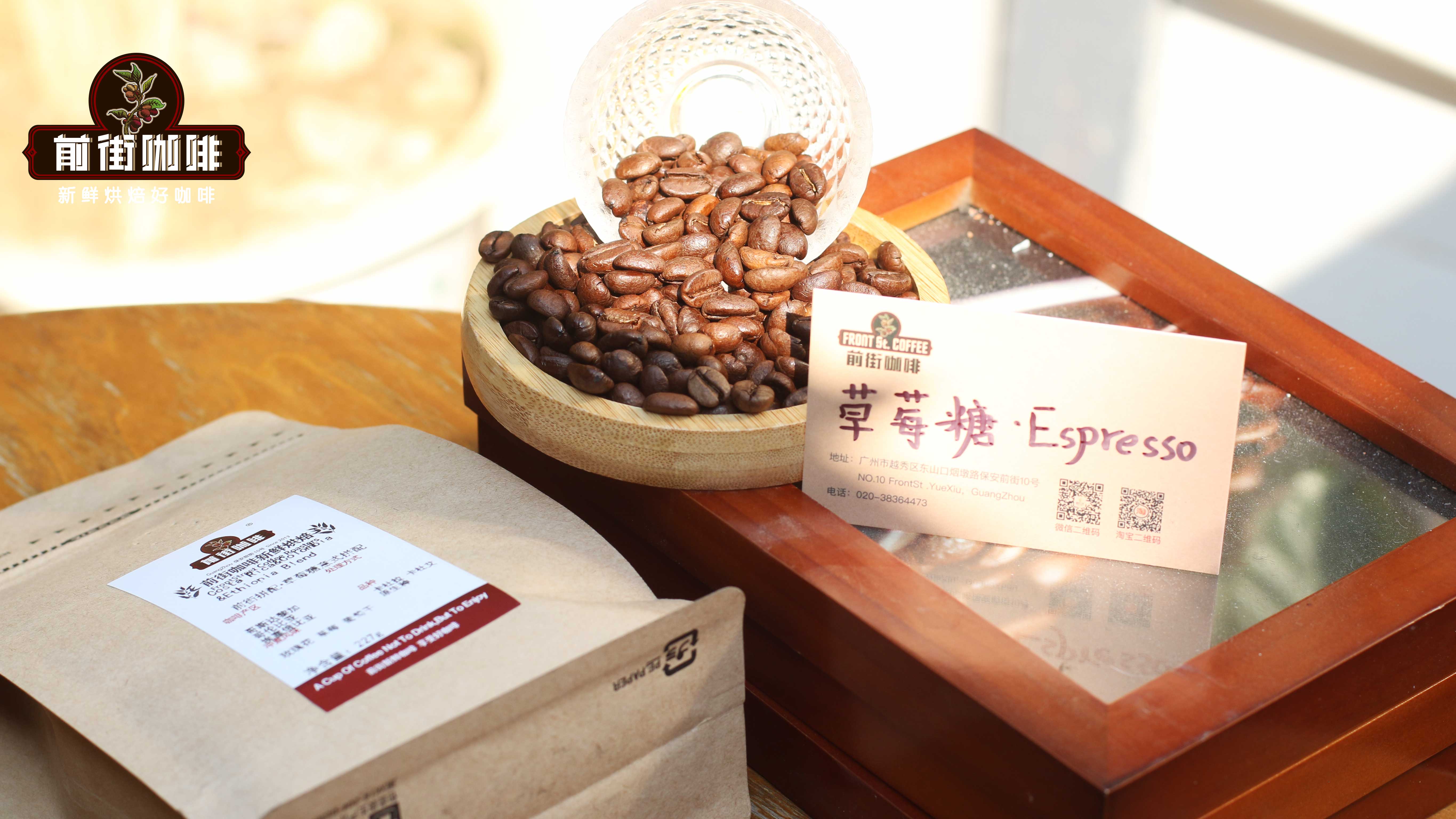
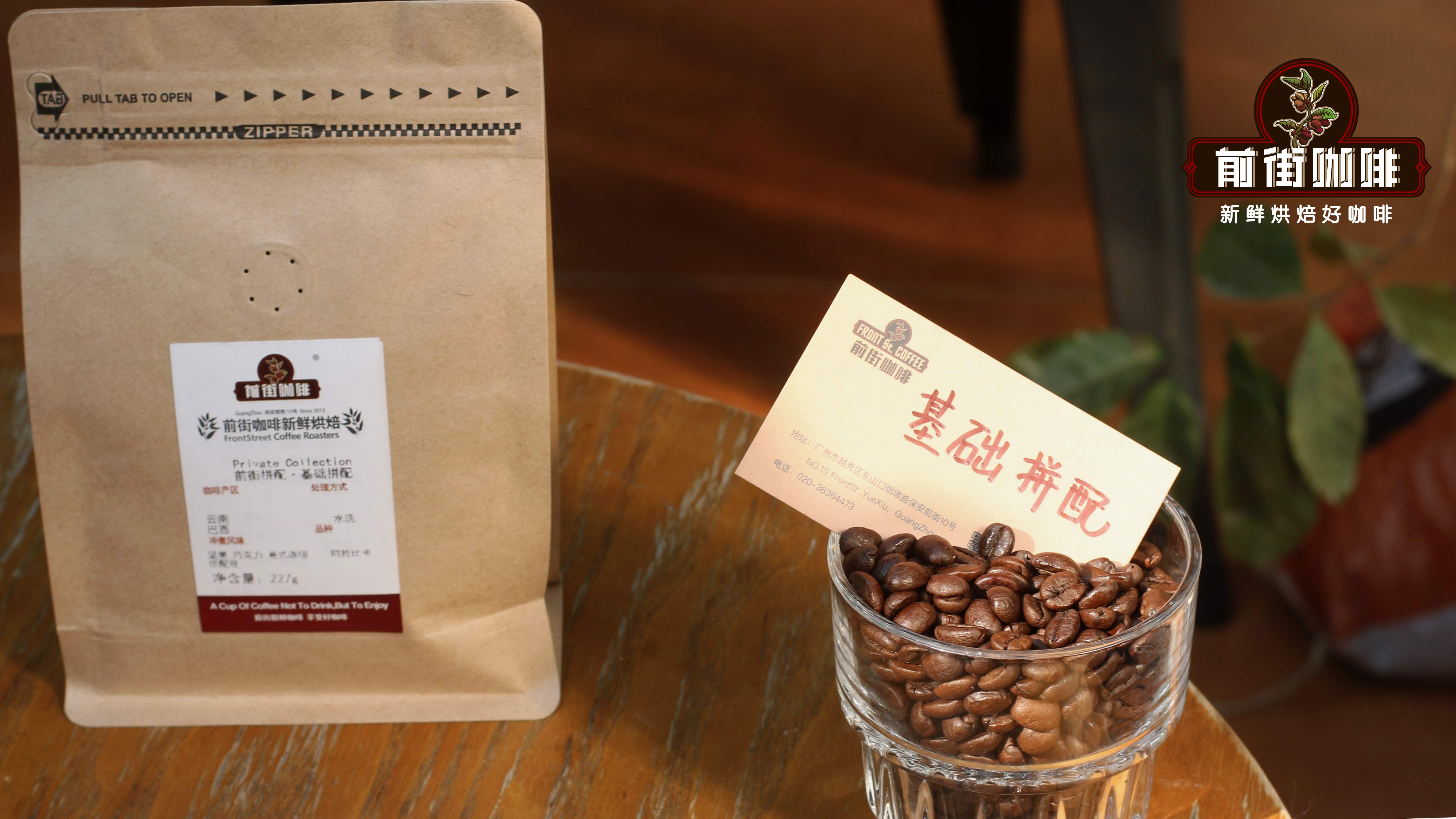
5. Basic Blended Espresso Beans: A blend of Yunnan and Brazilian beans, focusing on high cost-performance and universal flavor. Suitable for budget-conscious users or beginners to espresso, it offers a balanced taste and wide appeal — an economical and reliable choice for home or small shop use.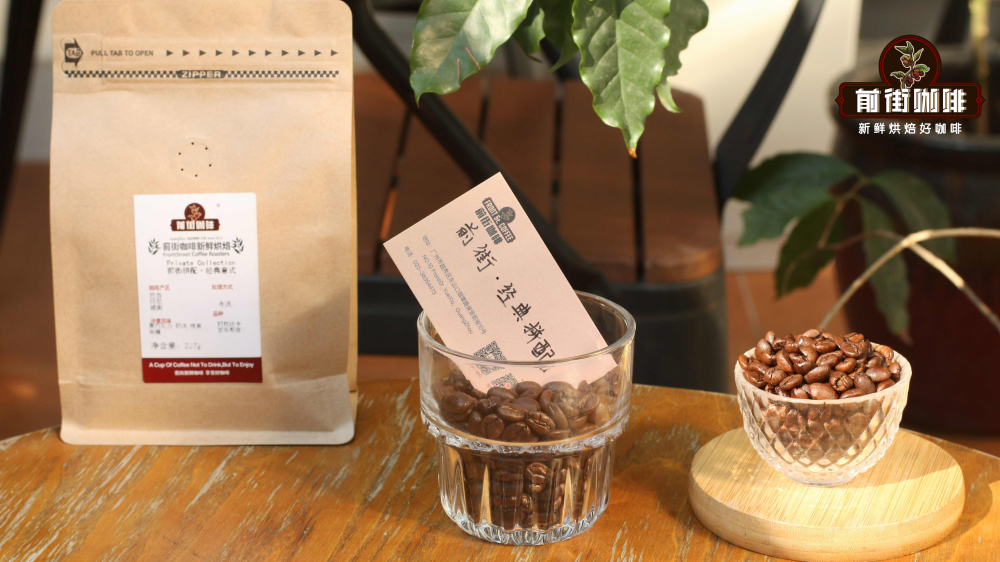
When selecting espresso beans, in addition to paying attention to roast level and blend composition, it’s recommended to choose products with clearly markedroast date (not expiration date), and prioritize professional roasters that emphasize freshly roasted beans. Fresh coffee beans retain the most aroma and flavor, which is one of the keys to a successful espresso.
Finally, no matter which beans you choose, it’s recommended to use a grind size and extraction parameters suited for espresso (such as 9–10 bar pressure, 90–96°C water temperature, and 20–30 second extraction time) to fully bring out the beans’ potential. Remember, a great espresso is not just about the beans — it’s the result of the entire extraction process.
The above content is compiled by CoffeeHunters, a coffee news website.

