








Introduction:Dive deep into the extraction secrets of espresso coffee! This article dissects a single shot of espresso into three phases—front, middle, and back—comparing the flavor differences and visual changes across each phase. Using a standard parameter of 20 grams of coffee grounds and 40 grams of extracted liquid, it reveals the mystery of the golden extraction window. From crema texture, acidity-sweetness balance, to body performance, it takes you through the key techniques that professional baristas use to evaluate espresso quality.
The specialty coffee culture has been deeply rooted in the Chinese market for over thirty years and has shown explosive growth in recent years. When consumers often wonder, “If pour over equals specialty, can espresso also join the ranks of specialty coffee?”, international competition data provides the answer—especially on the Nordic stage, where espresso extraction remains a core element in assessing coffee quality.
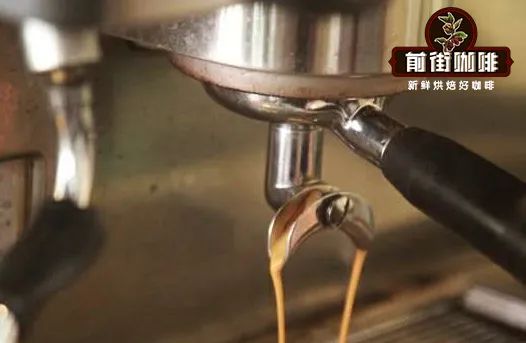
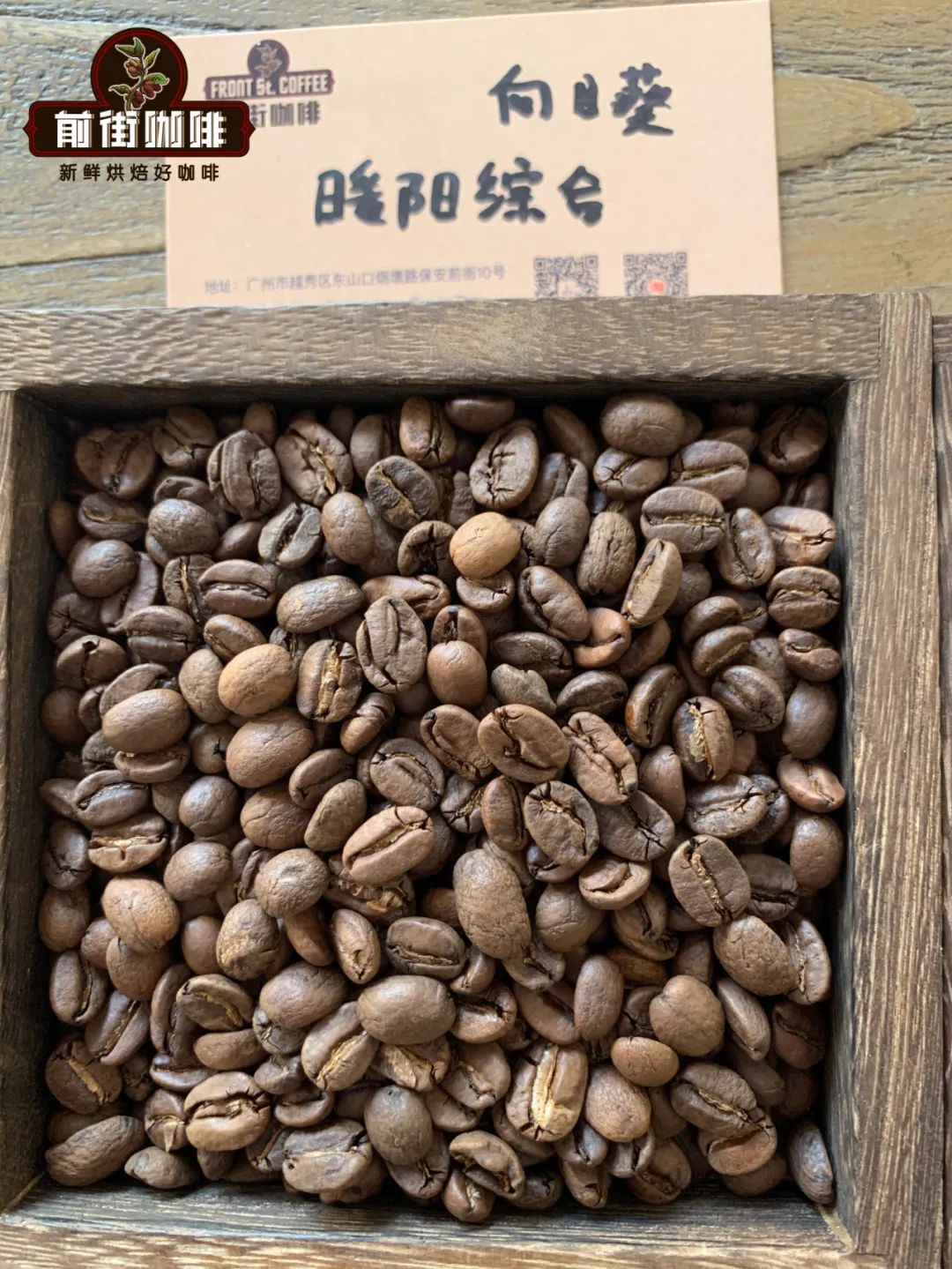
Just as segmented flow cutoff is used to test the feasibility of pour over recipes, this experiment breaks down the espresso extraction process into three stages to observe how flavors evolve. We selected the store’s signature “Sunflower Warm Sun” blend, composed of 70% Honduran Sherry-toned beans and 30% Yirgacheffe sun-dried Red Cherry beans (independently roasted batches), which brings rich layers of chocolate, cream, vanilla, sherry aroma, and a caramel finish.
To ensure data accuracy, we maintained a consistent baseline parameter of 20 grams of coffee grounds and extracted 40 grams of espresso over 28 seconds, calibrated multiple times. The segmentation was done via equal-volume cutoff, dividing the total liquid into three cups of approximately 13.3 grams each (actual measurements: front segment 13.2g / middle segment 13.7g / back segment 13.8g).
Visual observations show significant differences:Front Segment (0–15 seconds)The liquid is dark in color, with a thick layer of dark brown crema on the surface. When shaken, it has a dense, yogurt-like texture;Middle Segment (15–21 seconds)The color lightens to an amber tone, the crema density decreases, and the fluidity is similar to whole milk;Back Segment (21–28 seconds)It becomes noticeably diluted, with a thin, pale yellow foam resembling water, and a nearly aqueous feel.
The flavor dimension offers even more intriguing insights:Front SegmentWith an extremely high concentration, it delivers a strong impact, featuring bright lemon acidity mixed with a slightly salty mineral note, accompanied by complex floral aromas and the bitterness of dark chocolate. The body is full but may come off as intense;Middle SegmentReaches the ideal balance point, with a medium body carrying a harmonious symphony of dark chocolate, roasted nuts, and fresh cream, followed by a gentle caramel sweetness in the aftertaste;Back SegmentThough lighter in flavor, its moderate dilution allows the residual cocoa fermentation notes to unfold, presenting a soft wine-like character.
The experiment confirms: over 80% of the flavor compounds in espresso are concentrated in the front segment, but excessive concentration can overwhelm the palate; the middle segment achieves the best balance between concentration and flavor expression; the back segment, though mild in taste, showcases the coffee’s fundamental purity. It should be noted that this test was conducted under stable grind size and extraction parameters, and the three-segment analysis method is also a common tool used by baristas to diagnose extraction issues—by separating the three phases of liquid, it helps pinpoint at which stage off-flavors emerge, thus optimizing variables such as grind coarseness, tamp pressure, or water temperature.
The above content is compiled by CoffeeHunters, a coffee news website.


