







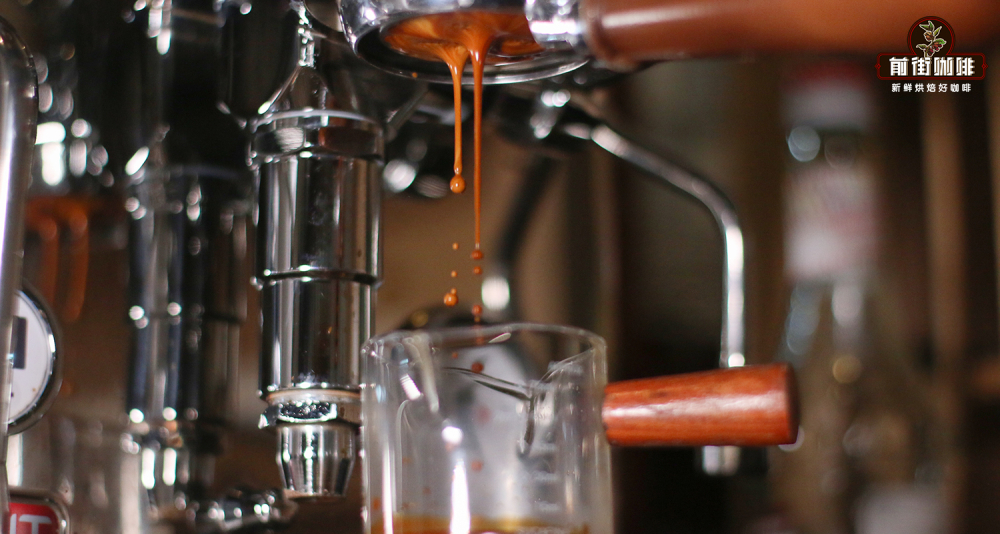
Introduction:Espresso is renowned for its intense flavor and short extraction time, but brewing a shot with rich crema and layered complexity requires precise control of several key parameters. This article delves into the extraction principles of espresso—from grind size, water temperature, coffee-to-water ratio to time control—guiding you through scientifically adjusting these variables to extract the perfect shot that balances dark chocolate and nutty notes, along with recommended classic blend combinations for different preferences.
Espresso is one of the essences of coffee culture, capturing the most primal aromas and flavors of coffee through its high-concentration, short-duration extraction method. This type of coffee is not only bold and intense but also serves as the foundation for many coffee beverages. However, crafting a truly satisfying espresso requires an in-depth understanding of various extraction variables, including the fine-tuning of multiple factors such as grind size, water temperature, pressure, extraction time, and coffee-to-water ratio.
The foremost key to extracting espresso lies in freshly roasted coffee beans.Freshness not only directly affects the expression of aroma but also relates to the thickness and stability of the crema (coffee oils). Generally, it is recommended to use coffee beans within 5 to 14 days post-roast to achieve optimal extraction results. Fresh beans can release richer aromatic compounds while forming a dense and fine layer of crema, laying a solid foundation for the entire cup.
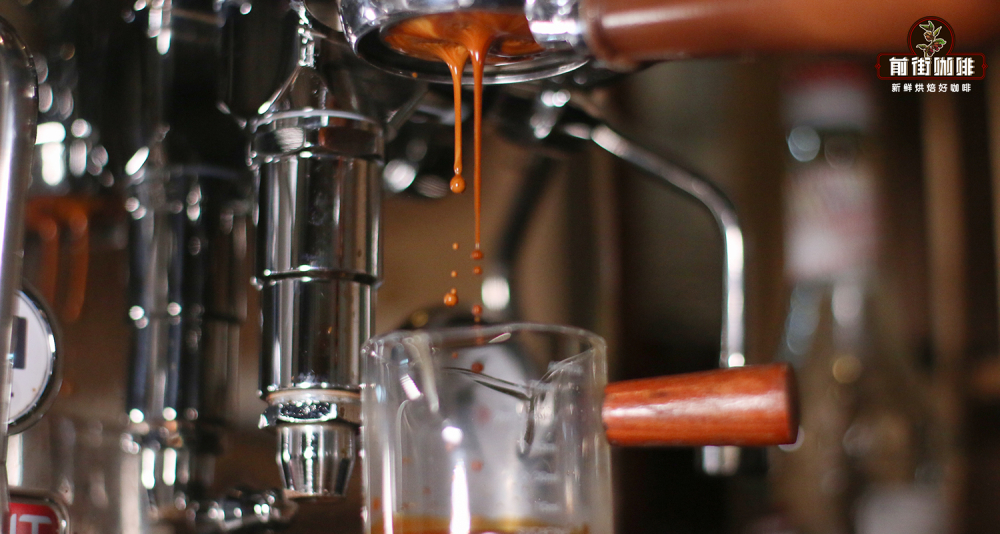
The outcome of espresso extraction is closely related to the roast level of the coffee beans.Lighter roasts, due to their harder texture and poorer water absorption, are prone to channeling and splattering during short, high-pressure extractions, leading to uneven extraction and insufficient flavor.Therefore, if you aim to consistently extract a rich and balanced espresso, it is advisable to choose medium, medium-dark, or dark roasted beans. These roast levels can better withstand high-pressure, short-duration extraction and showcase rich caramel, nutty, and chocolatey tones.
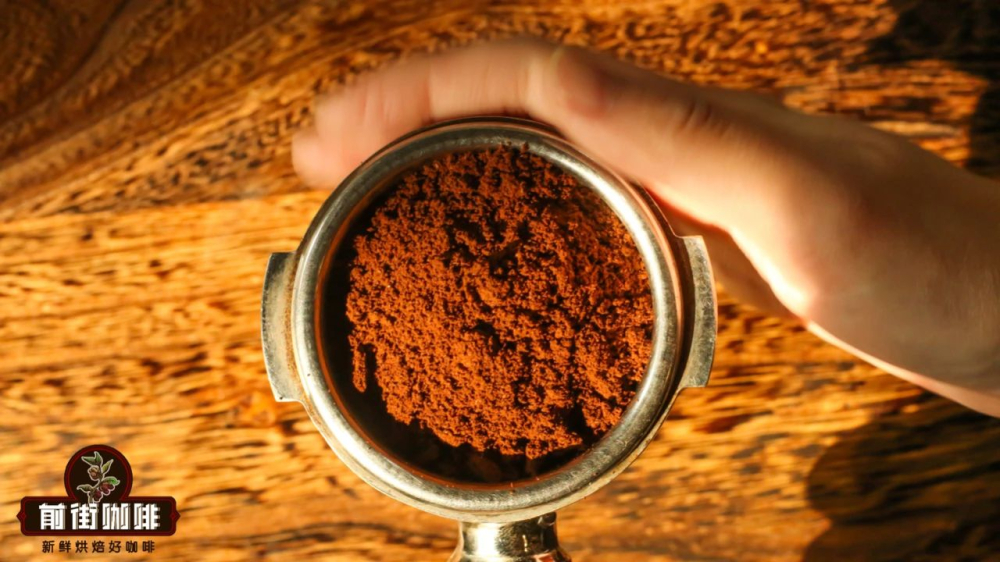
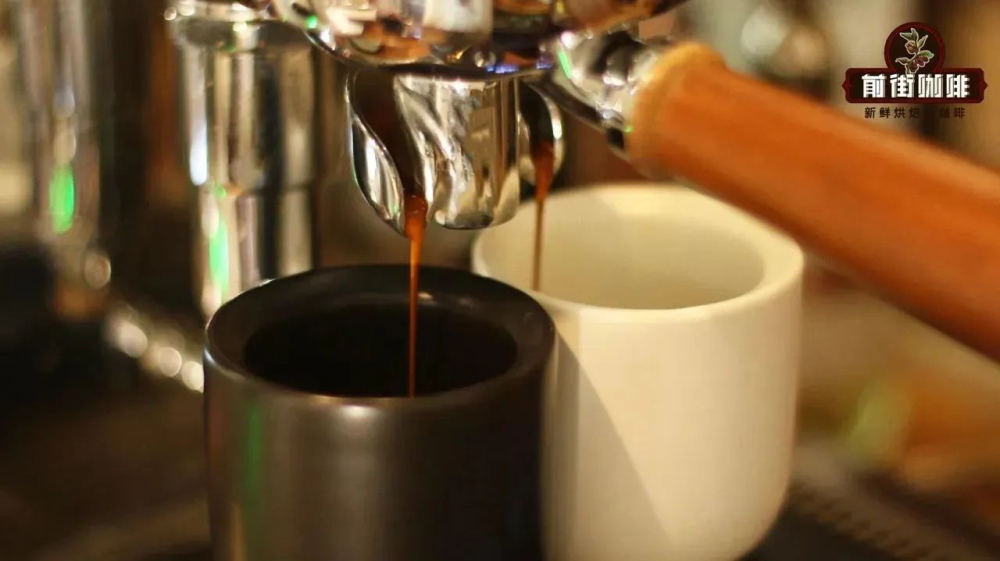
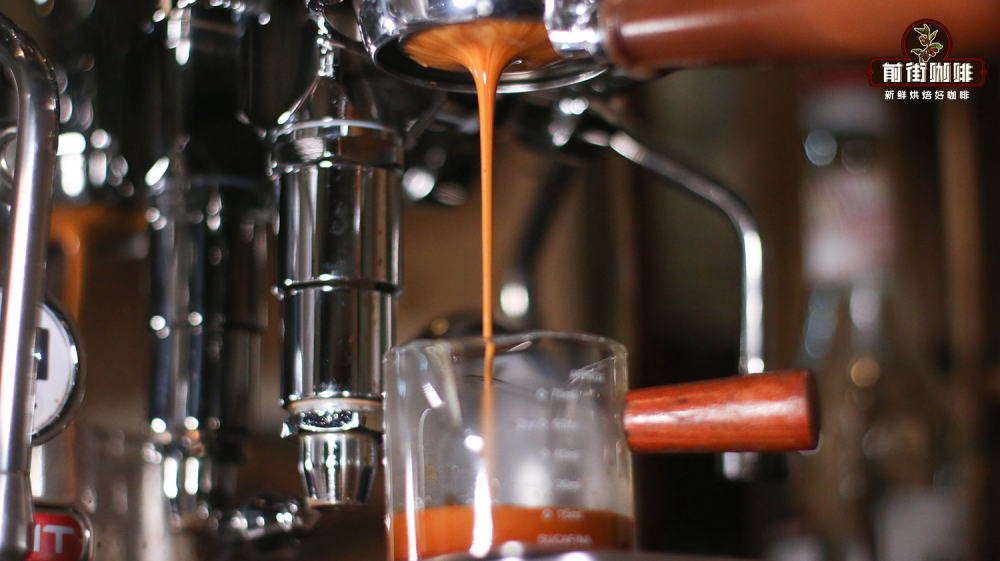
In terms of practical extraction parameters, many professional baristas use 20 grams of coffee grounds, with a 1:2 coffee-to-water ratio (i.e., extracting 40 grams of coffee liquid), under 9 bar of pressure, controlling the time between 25 to 30 seconds for completion. This standard range can be used as an entry-level reference, but actual operation still requires fine-tuning based on the characteristics of the coffee beans, climatic conditions, and equipment status to pursue the best flavor expression.

The coffee-to-water ratio is one of the key factors influencing the concentration and mouthfeel of espresso. Although 1:2 is considered an industry common standard, it is not absolute. Standard single shots (about 8–9 grams) and double shots (about 18–20 grams) typically yield 28–30 grams and 30–40 grams of coffee liquid, respectively, with time controlled at 25–30 seconds being ideal. It is worth noting,that changes in coffee dosage will directly affect the density and flow rate of the coffee puck, thereby altering extraction efficiency and the final flavor profile of the coffee.。
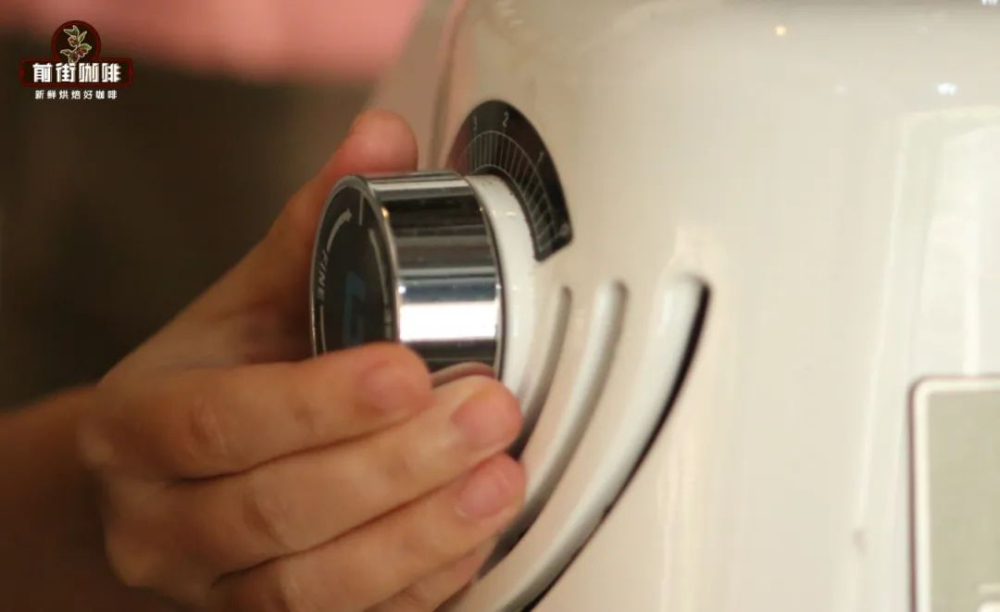
Regarding grind size, because espresso extraction time is extremely short,the coffee grounds must be ground very finely and uniformly to release sufficient aromatic and flavor compounds within a short period.This usually requires a professional-grade espresso grinder to ensure the stability of grind particle size. If the grind is too coarse, water will pass through too quickly, resulting in under-extraction, with flavors tasting sour and thin; conversely, if the grind is too fine, it may lead to over-extraction, causing the coffee to taste bitter and sharp. Beginners are advised to adjust the grinder settings gradually by observing flow rate and tasting to find the most suitable fineness.
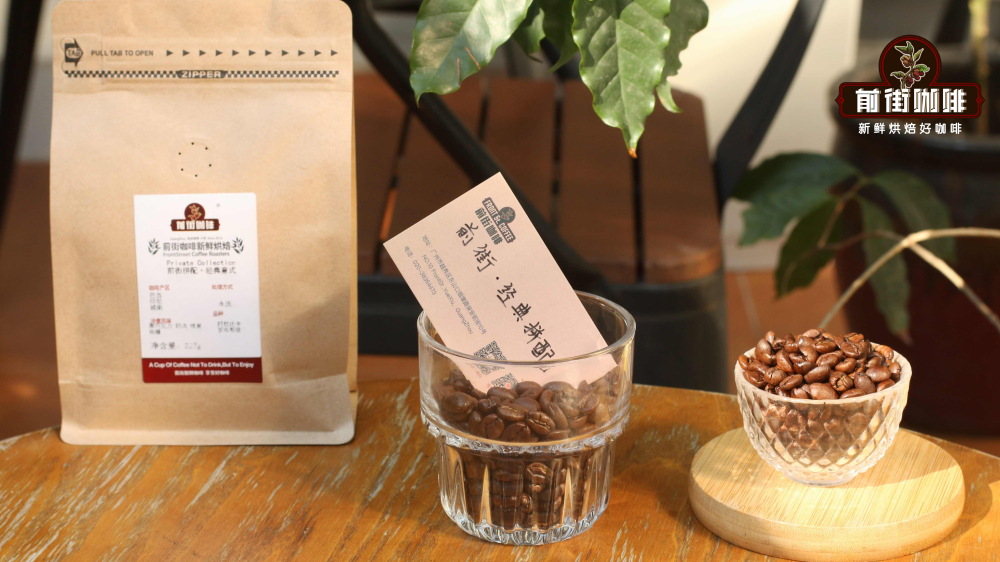
When actually adjusting extraction parameters, it is necessary to comprehensively consider multiple variable factors, such as daily humidity, the rest state of the coffee beans, and the wear level of the grinder. For example, on rainy days when humidity is higher, coffee grounds may absorb moisture and affect flow rate, in which case you can slightly adjust the grind size or coffee dosage to maintain stable extraction. Most shops set the water temperature at 92–96°C, maintain the pressure at 9 bar, and fine-tune the extraction results by altering coffee dosage, liquid weight, and grind coarseness.
For example, if you find the extraction time is too short (e.g., extraction completes in 26 seconds), it indicates the flow rate is too fast, and you may need to increase the coffee dosage (e.g., by 0.1 gram each time) or adjust the grind finer to slow down the water flow; conversely, if the extraction time is too long, you might consider reducing the coffee dosage or slightly adjusting the grind coarser to improve the flow rate. After each adjustment, it is recommended to taste the coffee liquid, observing its aroma, sweet-acid balance, and aftertaste performance, gradually approaching the ideal extraction state.
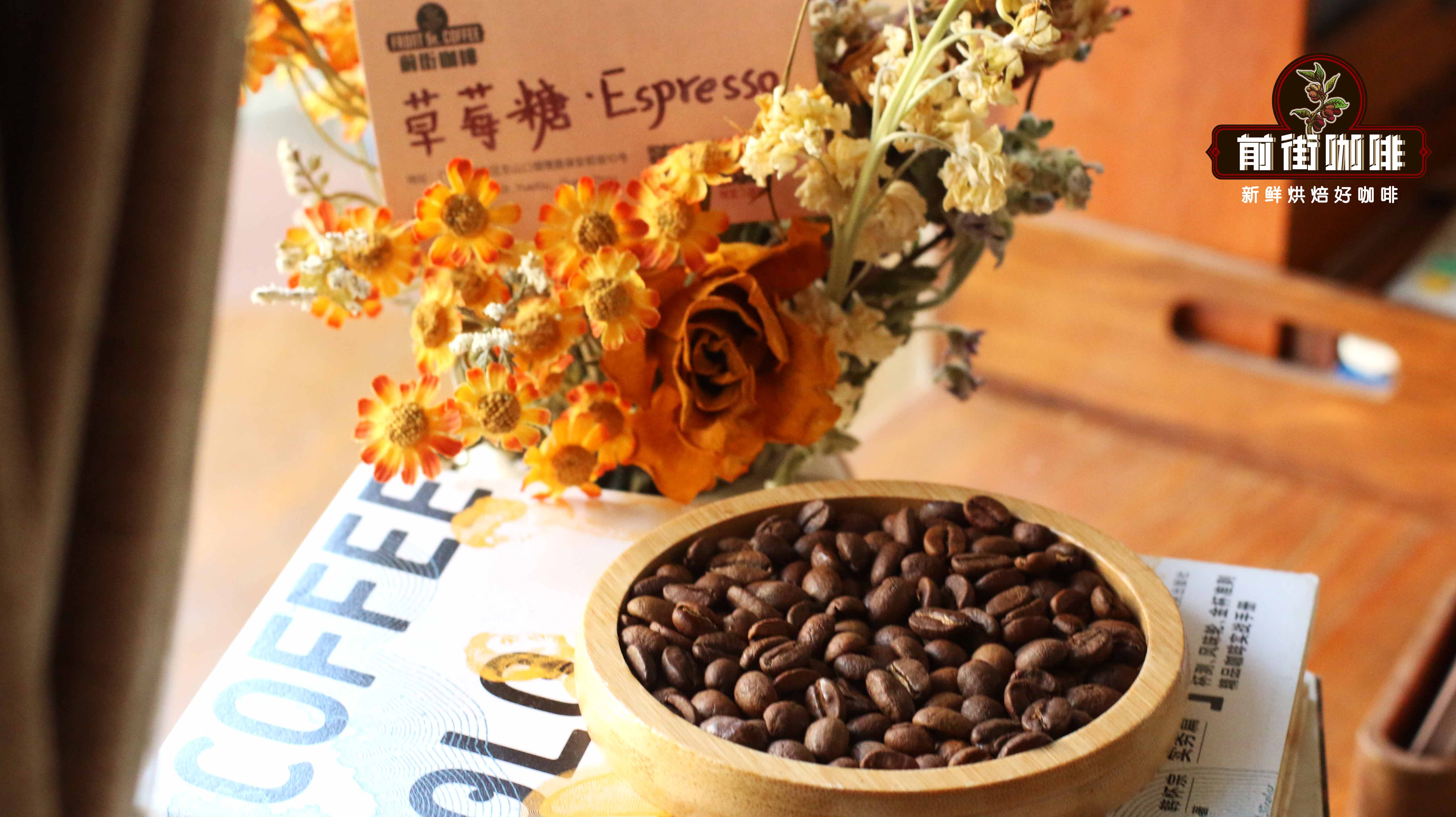
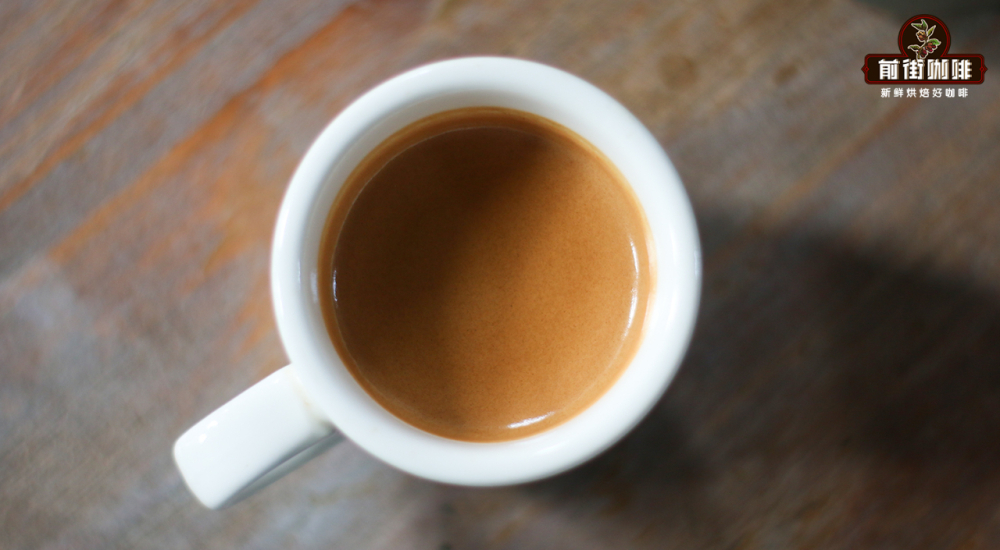
A successfully extracted espresso should present rich notes of vanilla and cocoa, with a fruity acidity and sweetness upon entry. As the temperature drops, the flavors of dark chocolate and creamy undertones will gradually emerge, with an overall smooth mouthfeel and long-lasting finish. If you can steadily control all the aforementioned parameters, even beginner coffee enthusiasts can gradually brew espresso approaching a professional level.

The above content is compiled by CoffeeHunters, a coffee news website.


