








Introduction:Want to brew delicious and affordable coffee at home with an espresso machine? Choosing the right beans is key. This article will help you understand the three common flavor profiles in espresso extraction based on your personal taste preferences, and recommend several high-value home-use beans. We’ll also remind you how to manage roast dates so that every cup is fresh and flavorful.
Unlike the professional equipment found in coffee shops, home espresso machine users tend to prioritize value and practicality. Whether you’re making Americano or latte, selecting a “daily drinker” bean suited for everyday use is crucial. Especially when using an espresso machine, because high-pressure extraction amplifies flavor characteristics, choosing the right beans becomes even more important. Understanding your own taste preference is the first step in picking the right coffee beans.
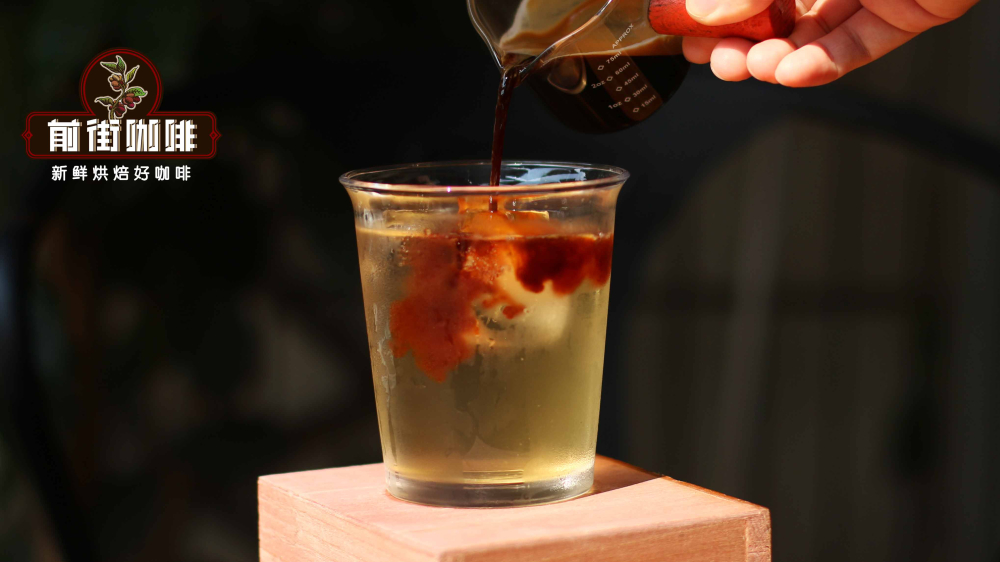
Common flavor profiles in espresso extraction can generally be divided into three types: bold and rich, sweet and acidic with floral notes, and balanced acidity with bitterness. These characteristics mostly stem from differences in roast levels and bean variety combinations. For example, if you prefer a bold flavor, you can choose beans with chocolate, nut, and caramel notes—these have rich crema and a long aftertaste, making them ideal for daily enjoyment. If you lean toward a fresh and sweet profile, consider blends with floral and fruity aromas and a creamy texture—these offer a soft mouthfeel without strong bitterness. For those who want a balance of acidity and bitterness with layered complexity, go for beans with mild fruit acidity, pronounced caramel sweetness, and dark chocolate tones—these are often great value too.
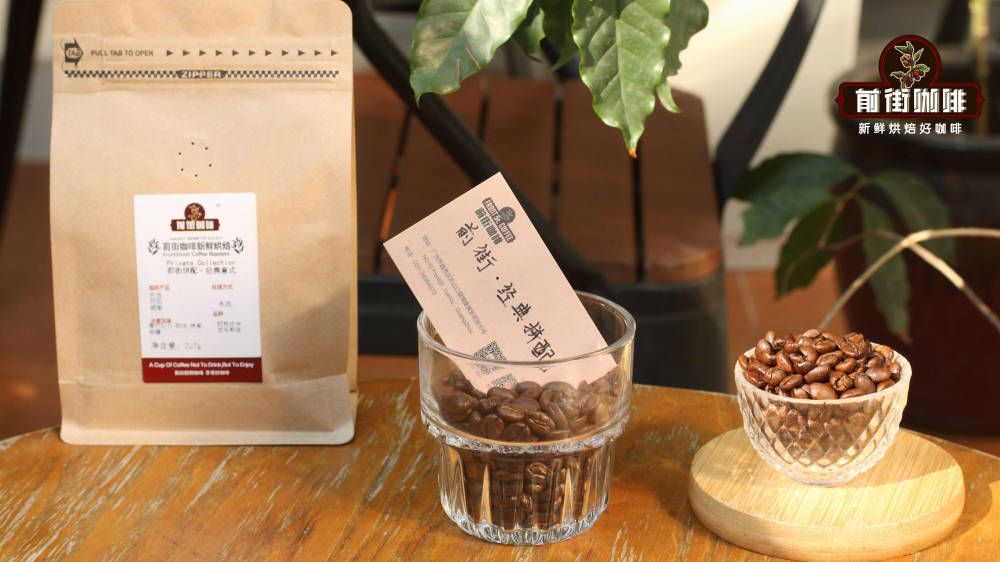
The first recommendation is a blend in the bold and rich style. These coffees often exhibit intense chocolate, nut, and caramel aromas, with a full and smooth mouthfeel and excellent crema performance. They’re very suitable for users who enjoy traditional espresso flavors and are a common staple in many households. The second type features noticeable floral and fruity sweetness, with delicate notes of rose, raisin, and almond, giving the coffee a dessert-like experience—especially suitable for those who aren’t used to bitter tastes. The third option offers a balanced acidity-to-bitterness ratio, blending light fruit acidity with distinct caramel sweetness, resulting in a refined and smooth cup. It’s ideal for coffee enthusiasts wanting to explore more layers, and it’s also relatively budget-friendly.
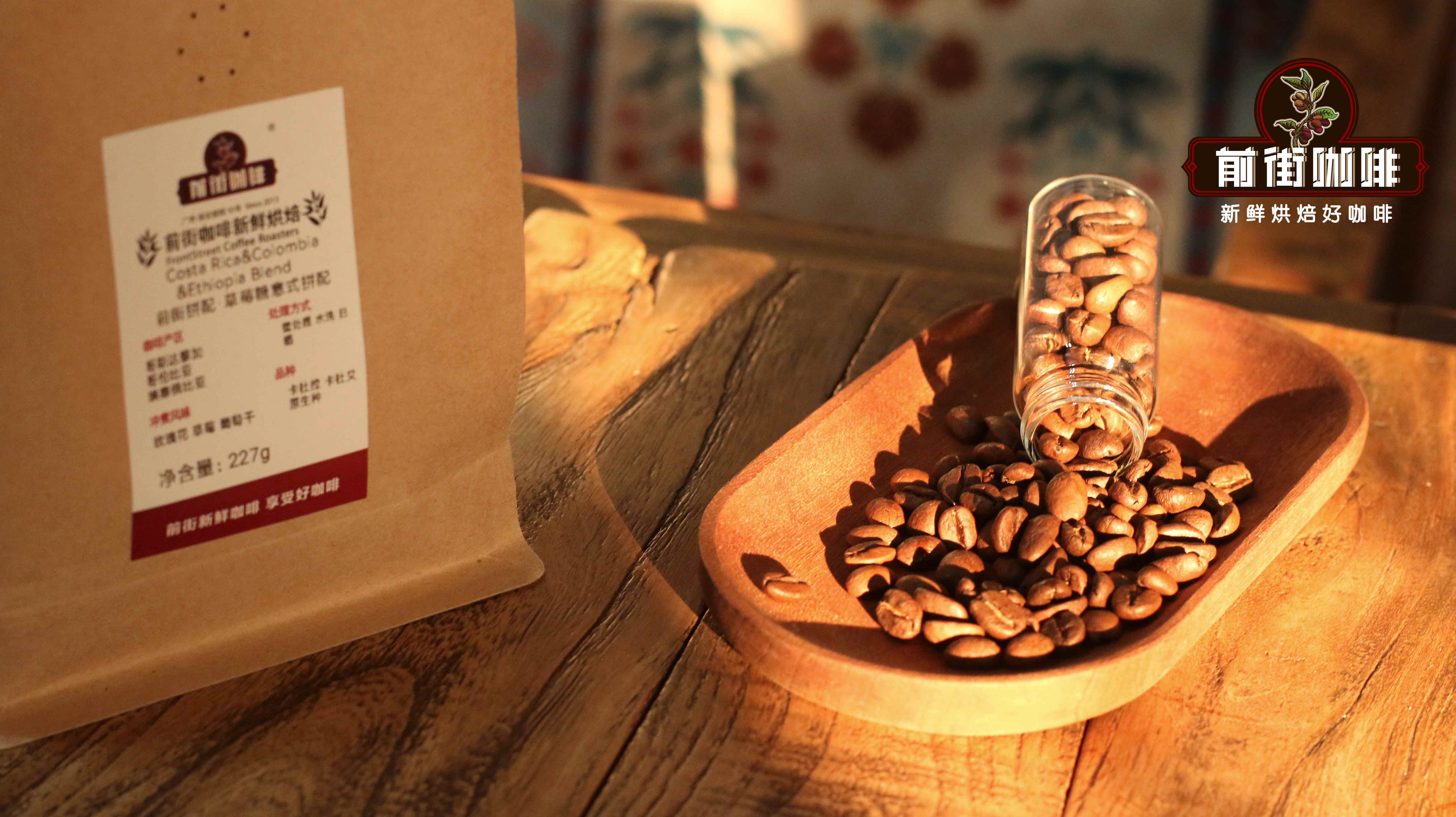
When buying home-use beans, it’s recommended to prioritize well-established roasters with good roasting techniques and consistent output. Purchasing through official channels ensures greater reliability. Pay special attention to the roast date, as coffee beans are at their peak flavor 4 to 30 days after roasting. After 30 days, aroma and flavor gradually diminish, and even with proper storage, it’s hard to restore their best condition.
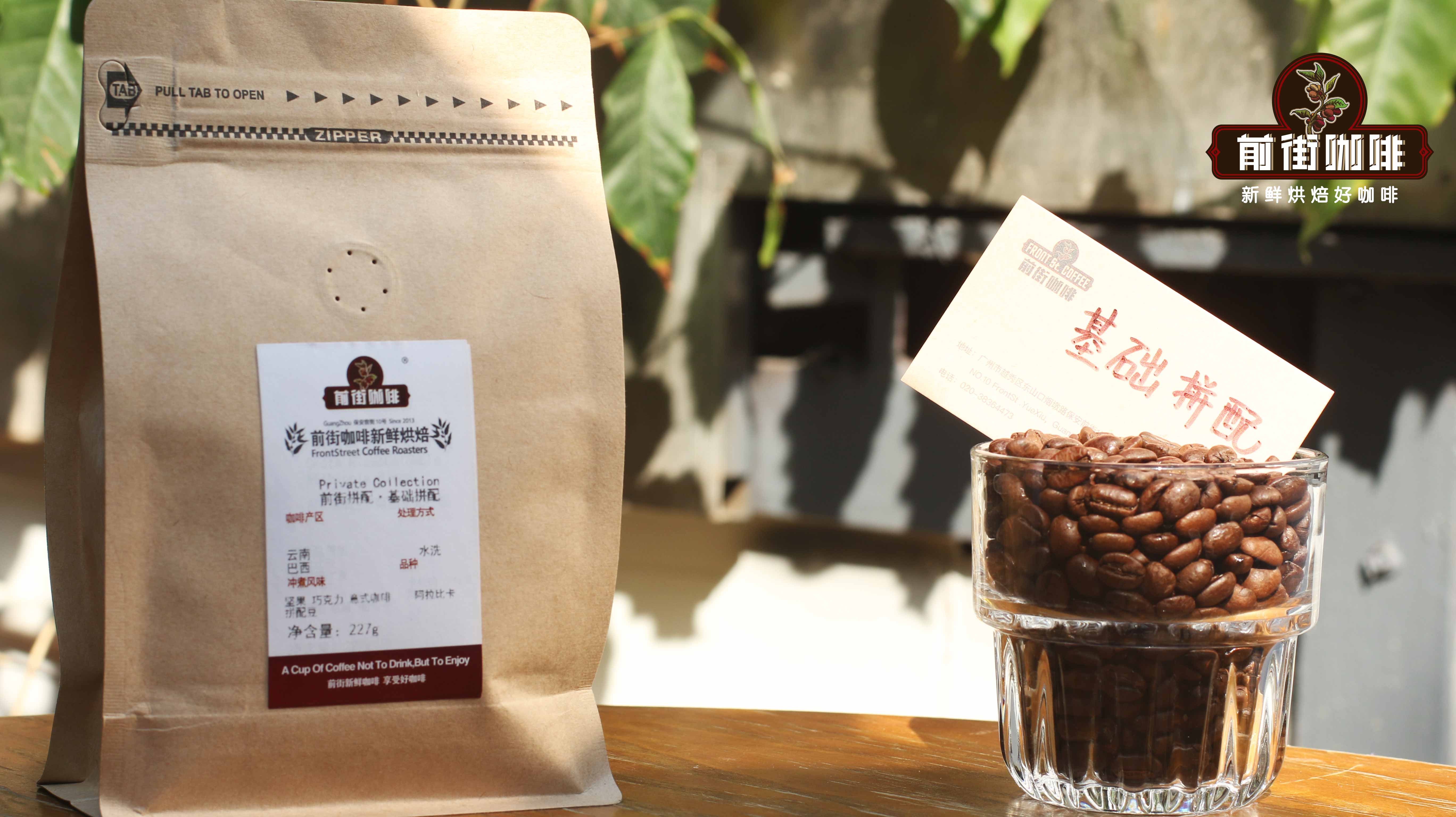
It’s advised to choose products with clearly marked roast dates and that can be delivered quickly, ensuring they arrive at their flavor peak. Generally speaking, freshly roasted coffee beans release richer aromas after grinding, which has a particularly noticeable impact on espresso extraction—resulting in thicker crema and a more dimensional overall taste. Additionally, for storage, it’s recommended to use an airtight container and keep it away from light, avoiding moisture or prolonged exposure to air, which can affect flavor performance.
In summary, selecting suitable home espresso beans not only enhances your daily coffee experience but also helps you better understand your own taste preferences. Whether you’re a beginner or an experienced coffee enthusiast, mastering flavor categories and paying attention to roast freshness are essential keys to making every cup more delicious.
The above content is compiled by CoffeeHunters, a coffee news website.

