








Introduction:Understanding the characteristics and roasting methods of Italian-style coffee beans is the foundation for mastering the flavor of espresso. This article delves into whether it is normal for Italian coffee beans to have an oily surface, the appropriate roast level for extraction, and provides a detailed guide on how to properly taste traditional Espresso. It also recommends several high-cost-performance classic Italian blend coffee beans to help beginners build the right coffee knowledge and bean selection direction.
Italian-style coffee beans are specifically designed for high-pressure extraction using espresso machines, primarily used to make espresso. To ensure stable flavor during each extraction, most Italian coffee beans are blends from beans sourced from different regions. This helps balance acidity, sweetness, bitterness, and saltiness, while also catering to the taste experience when making Americano or latte.
It is worth noting that not all coffee beans are suitable for the high-pressure, high-temperature extraction environment of espresso machines. If light-roast beans are used, not only is extraction difficult, but the resulting espresso often has prominent acidity, weak aroma, and it is hard to generate crema, leading to an inferior final drink flavor.
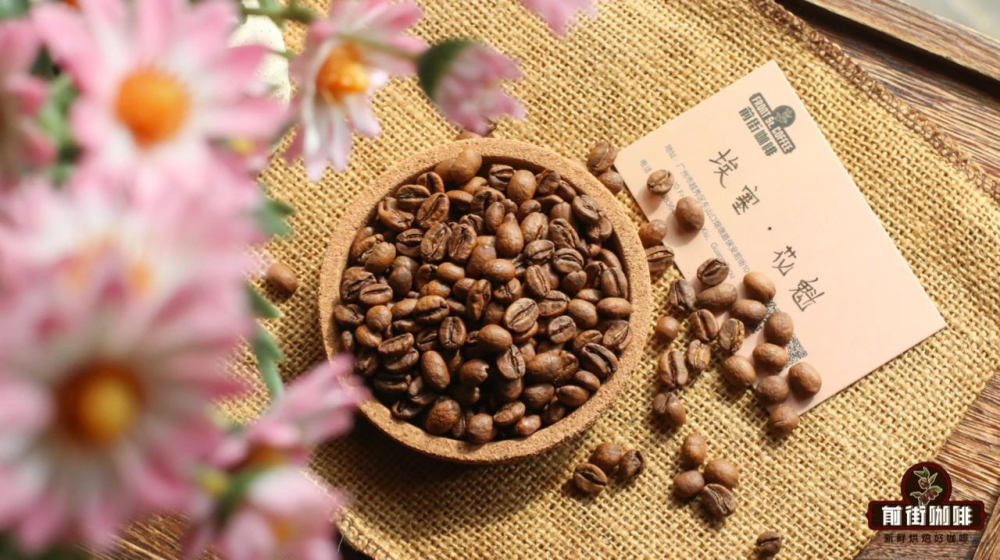
If you want to brew a refreshing Americano with a sweet aftertaste, or a rich and balanced latte, it is recommended to choose medium-dark to dark roasted blends. For example, a well-known medium-roasted brand of coffee beans, another well-known brand, or a dark-roasted third well-known brand—these are all classic options suitable for beginners to try.
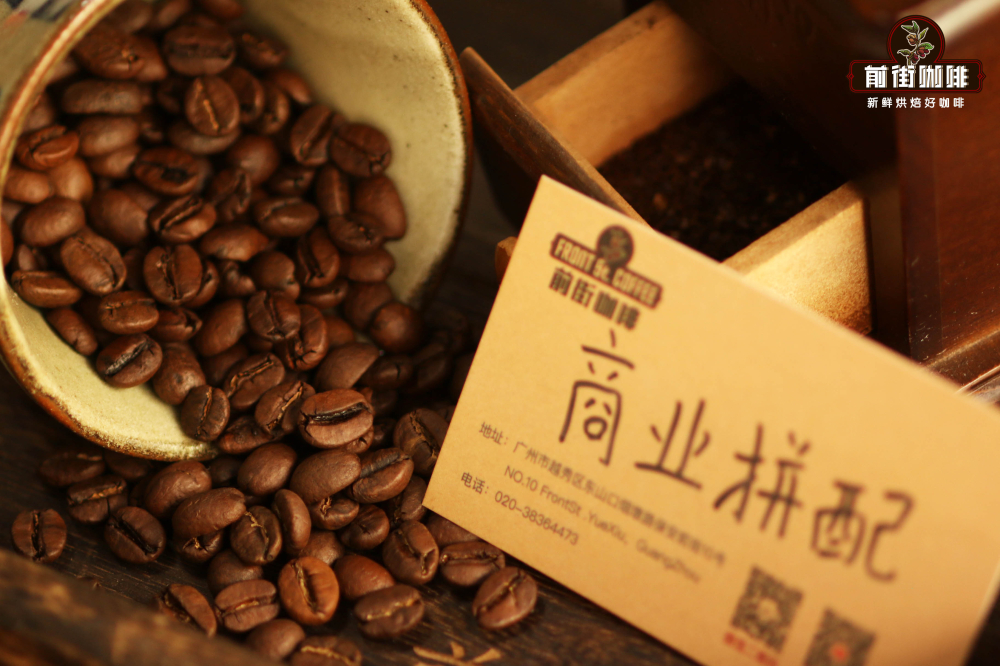
Many coffee beginners are puzzled by the oily sheen on the surface of coffee beans, even worrying if it indicates the beans have gone bad. In fact, it is normal for coffee beans to become oily, and this does not reflect quality or necessarily mean the beans are damp.
After coffee beans are roasted, they accumulate a large amount of carbon dioxide inside. Over time and with changes in the environment, these gases gradually release. Especially under normal temperature and pressure, as carbon dioxide is released, it can carry some internal lipids to the surface of the beans, creating what we see as the “oily” phenomenon. This is more commonly seen in dark-roasted coffee beans because the roasting process loosens the bean structure, making it easier for lipids to be released along with the gases.
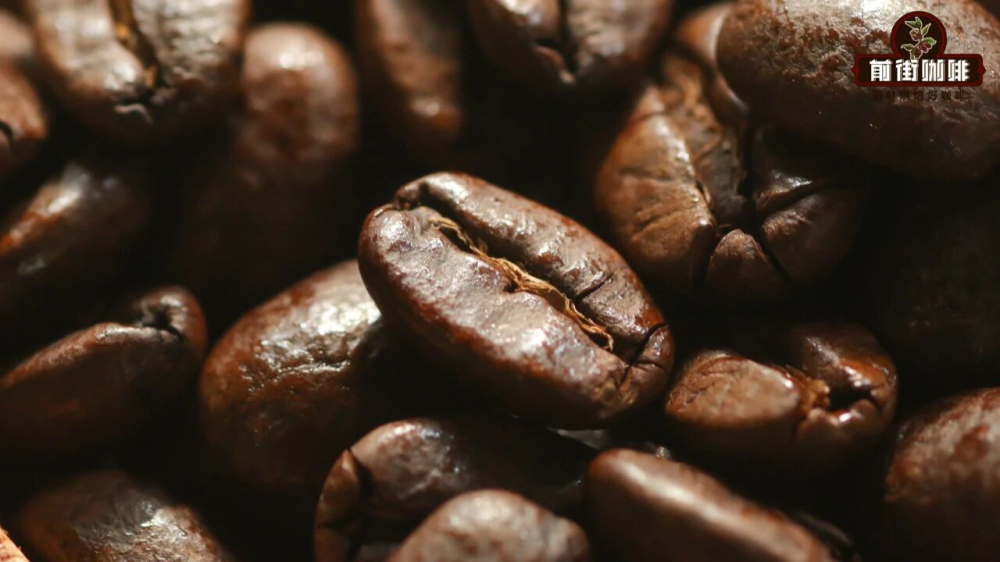
The speed at which beans become oily is also closely related to the roast level. Generally speaking, for the same type of beans, the deeper the roast, the faster the oil surfaces. Therefore, common Italian blends are usually medium-dark or dark roasted, and are more likely to show an oily sheen after some use. This is normal and there is no need for excessive concern.
Traditional Italian coffee, especially Espresso, also has its own specific drinking etiquette. When a customer orders an "Espresso," the barista typically completes the extraction within two minutes and serves a small cup of espresso accompanied by a small glass of water and a metal teaspoon.
It is recommended to take a sip of water first to cleanse the palate and reset the taste buds, which helps to more accurately perceive the delicate flavors of the coffee. Then, you can gently stir the crema and coffee liquid on the surface of the espresso with the teaspoon to even out the overall flavor. The first sip is recommended to taste the crema to experience the intense roasty aroma; then sip the coffee liquid to feel the complex layers such as nuts, chocolate, berries, and even wine-like notes. Finally, take another sip of water to help identify any subtle sweetness and cleanliness in the aftertaste.

When selecting Italian coffee beans, it is recommended to choose freshly roasted products with stable quality. Taking a locally renowned roasting brand as an example, its commercially available Italian blend beans not only offer balanced flavor and high cost-performance, but are also the daily choice of many coffee shops.
These blends are usually medium-dark or dark roasted, emphasizing a strong flavor profile and good crema performance. They are very suitable for making espresso-based drinks, whether enjoyed as a straight Espresso or used in milk-based coffees such as lattes and cappuccinos, all of which can showcase a stable and layered flavor expression.
The above content is compiled by CoffeeHunters, a coffee news website.

