







Introduction:Want to enjoy the aroma of coffee but worried about palpitations, insomnia, or stomach discomfort? Low-caffeine coffee might be a great choice for you. This article delves into the definition of low-caffeine coffee, how it differs from regular coffee, explores whether it qualifies as specialty coffee, and explains the safe daily intake limit. It also recommends low-caffeine coffee beans suitable for pour over brewing and introduces their processing methods to help you find a suitable and delicious low-caffeine option.
Many people love the unique aroma and flavor of coffee but shy away from it due to issues like palpitations, insomnia, or stomach discomfort after drinking. For this group, low-caffeine coffee offers a compromise. But do you understand the definition, production method, and actual caffeine content of low-caffeine coffee? How does it significantly differ from regular coffee? More importantly, can low-caffeine coffee be classified as specialty coffee? This article will answer these questions one by one and recommend several low-caffeine coffee beans suitable for pour over brewing to help you find the right choice for yourself.
First, let’s get to know what caffeine is. Caffeine is a naturally occurring plant alkaloid and the most widely consumed central nervous system stimulant in the world. It has the effect of refreshing the mind and plays a role in certain medical applications. However, due to differences in individual genetic makeup, the ability to metabolize caffeine varies significantly. Some people may experience noticeable discomfort even with small amounts of caffeine. Additionally,according to multiple studies, it is recommended that adults consume no more than 400 milligrams of caffeine per day, which is roughly equivalent to 4 standard cups of coffeeto avoid potential adverse effects.
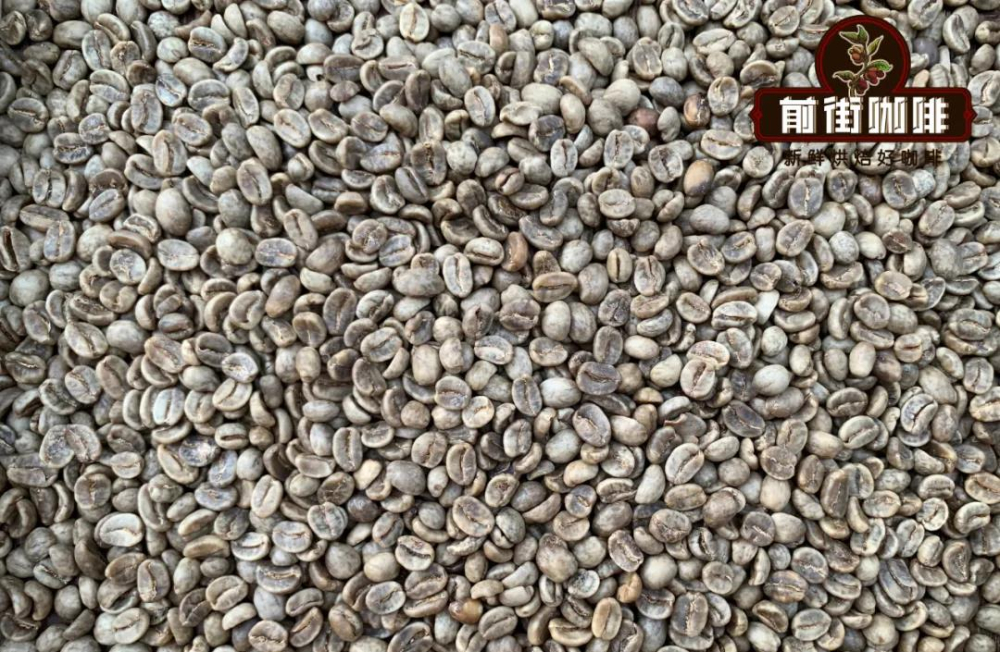
So, what exactly is low-caffeine coffee? The so-called low-caffeine coffee (Decaffeinated Coffee, abbreviated as Decaf) is not completely caffeine-free, but refers to coffee products with significantly reduced caffeine content. Its production process mainly involves extracting caffeine from green beans using special processing techniques before roasting. According to USDA standards, decaffeinated coffee beans must have a residual caffeine content of less than 3% of the original level. For example, a regular cup of coffee (about 12 ounces, or approximately 354 milliliters) usually contains around 180 milligrams of caffeine, while the decaffeinated version may only have about 5.4 milligrams left — a very significant reduction.
However, it’s worth noting that although the caffeine proportion in low-caffeine coffee is noticeably lower, it’s still not advisable to drink it excessively without restraint. This is because caffeine content can still be influenced by the coffee bean variety, roast level, and brewing method. For example,Robusta coffee beans naturally contain more caffeine than Arabica, so even the low-caffeine version of Robusta beans may have a different actual impact compared to regular low-caffeine Arabica beans. In addition, different brewing methods such as drip filtration, French press, or pour over can also affect the final amount of caffeine intake, which is worth paying attention to.

If you’re looking for low-caffeine coffee beans suitable for pour over brewing, there are some options on the market that have undergone strict processing and offer good flavor performance. Among them, beans processed using the Swiss Water Process are the top choice for many coffee enthusiasts. This method uses pure water as a medium and employs an activated carbon filtration system to selectively remove caffeine without affecting other flavor compounds, thus preserving a richer taste profile.
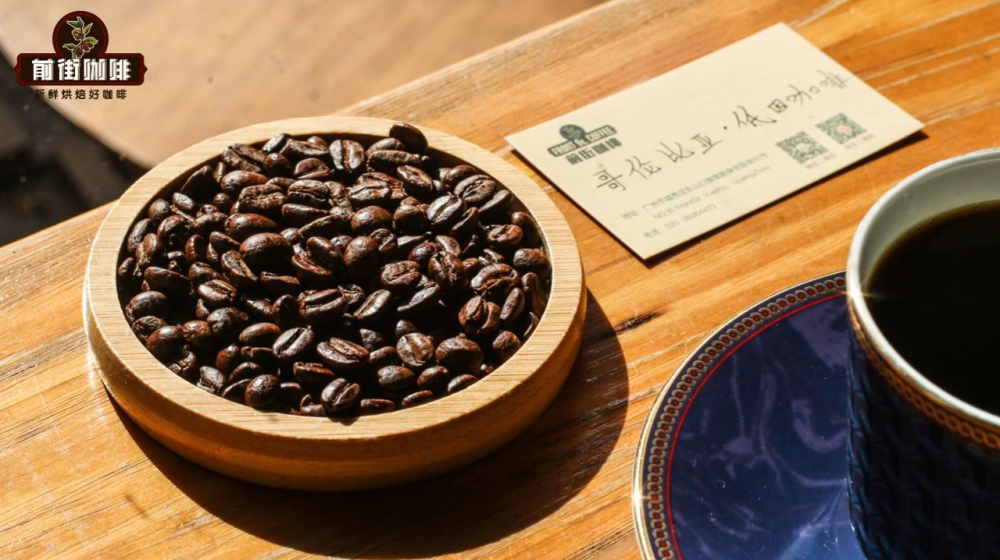
For example, a low-caffeine coffee bean from Colombia’s Huila region, grown at an altitude of 1750 meters, includes varieties such as Typica, Caturra, and Castillo. It is processed using the Swiss Water method and meets the high-quality Supremo grade. This bean exhibits distinct flavors of dark chocolate, caramel, and nuts, with a rich and layered mouthfeel. It’s highly suitable for pour over brewing, fully showcasing its smooth and delicate characteristics while meeting low-caffeine needs. It’s definitely a great option for coffee lovers who are sensitive to caffeine but still want to enjoy the pleasure of pour over.
The above content is compiled by CoffeeHunters, a coffee news website.

