







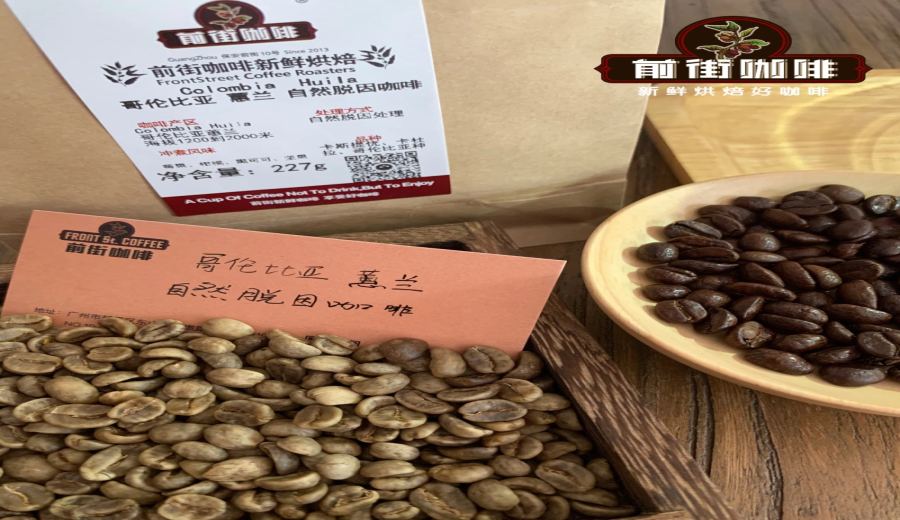
Introduction:In recent years, decaffeinated coffee has been increasingly favored by coffee enthusiasts who prioritize health and sleep quality. But can decaf coffee really help with fat loss? How does its flavor differ from regular coffee? This article delves into the definition, types, and health benefits of decaffeinated coffee, and provides practical pour over parameters and flavor evaluations to help readers find the right specialty decaf beans and brewing method for their preferences.
When it comes to decaffeinated coffee, the first thing to understand is what “decaf” actually means. Generally speaking, the caffeine content in coffee beans is calculated by weight. Arabica varieties contain approximately 0.9% to 1.4% caffeine (averaging around 1.2%), while Robusta beans have even higher levels, ranging from 1.8% to 4% (averaging about 2.2%). Decaf coffee can be divided into two main categories: naturally low-caffeine beans and those that have undergone artificial decaffeination processes. According to EU standards, the caffeine content after processing must be below 0.1% of the raw bean’s original caffeine level, whereas the U.S. FDA requires that at least 97% of the original caffeine be removed, leaving no more than 3%. These strict standards ensure that decaf coffee on the market maintains basic guarantees in both flavor and safety.
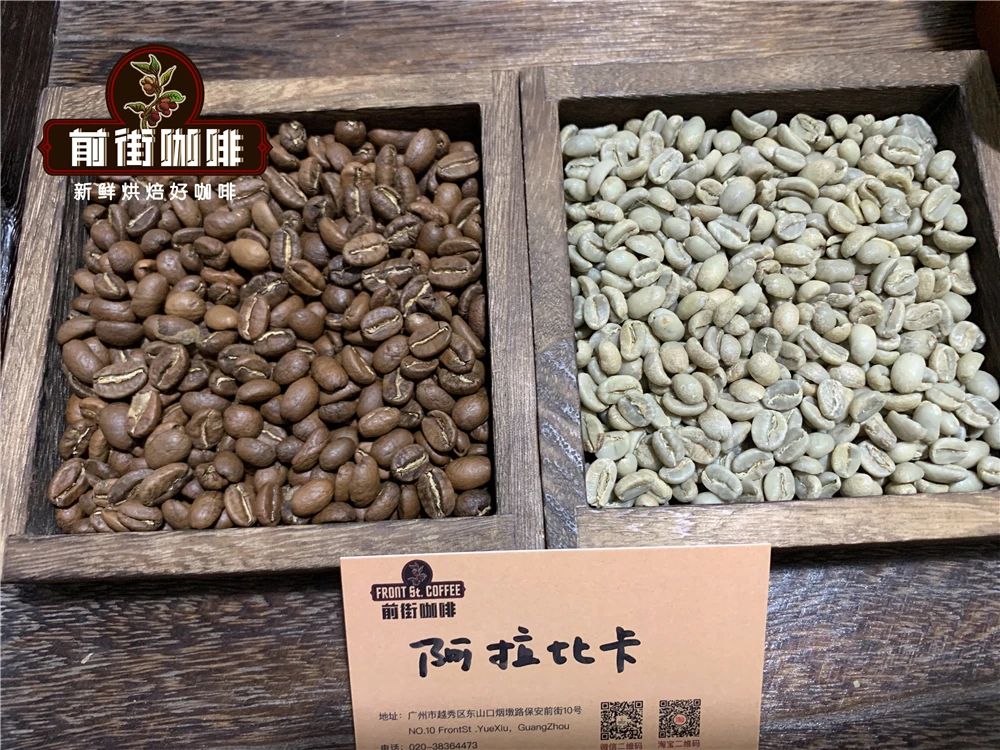
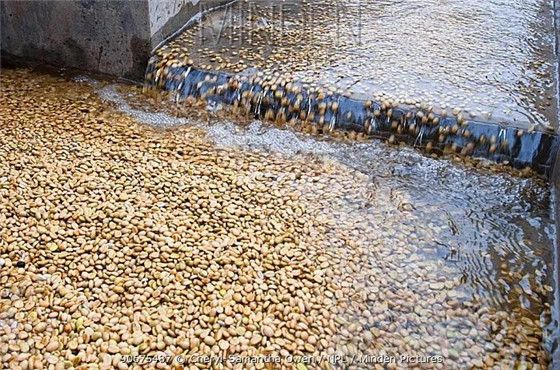
Common decaffeination methods include direct/indirect solvent-based processes, supercritical carbon dioxide, Swiss Water Process, and mountain water process. Among these, the Swiss Water Process is currently one of the most widely used and recognized as a relatively natural technique. This method involves soaking green beans in hot water to dissolve caffeine and other soluble substances, then using activated carbon filters to specifically remove the caffeine. Finally, the decaffeinated solution is reused to soak the beans, achieving the decaf effect. This process does not use chemical solvents, and although it may result in some loss of flavor, it effectively retains the basic characteristics of the coffee while achieving a caffeine removal rate of up to 99.9%.
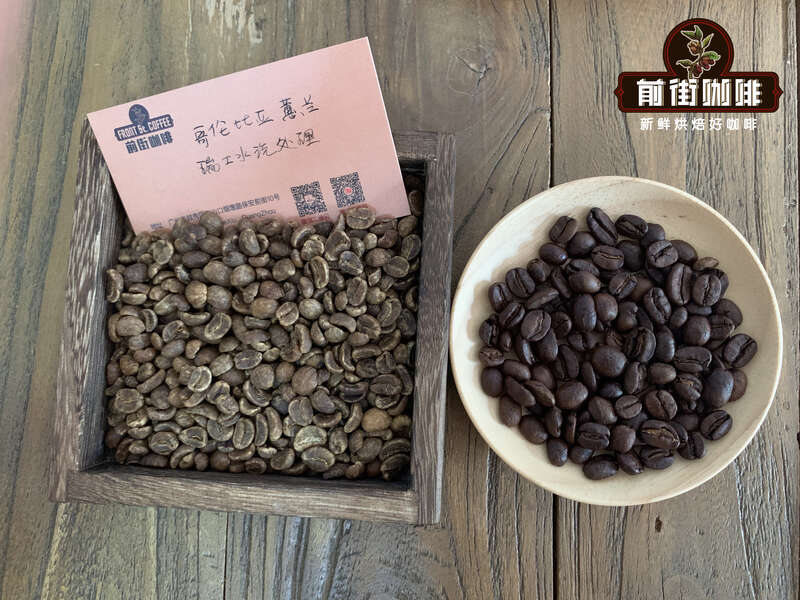
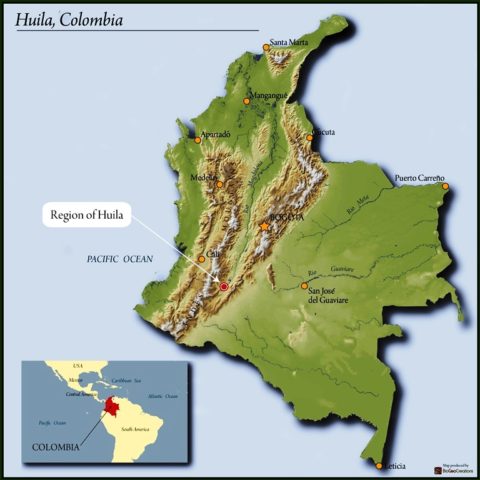
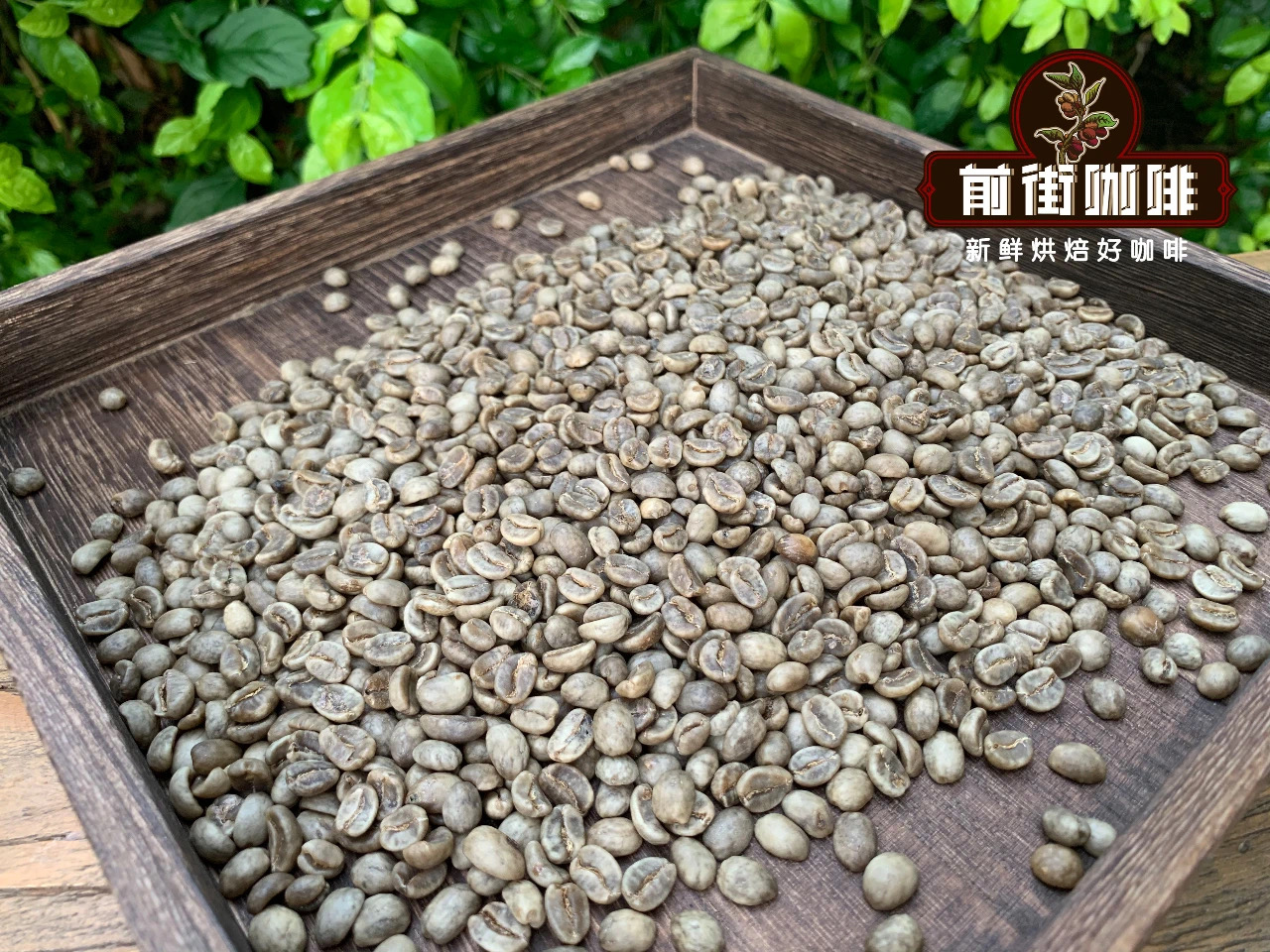
Many people wonder if decaf coffee can actually taste good. The answer is closely related to the quality of the beans selected. The key to a delicious cup of decaf coffee lies in the origin, variety, and processing method of the green beans. For example, a coffee bean from Colombia’s Huila region, grown at an altitude of about 1750 meters, of the Typica variety, and processed using the Swiss Water method, often showcases enticing flavors such as berries, citrus, cocoa, and nuts. This region is known for its high altitudes and meticulous farming practices, and even after decaffeination, the beans retain a richly layered flavor profile.
It’s worth noting that the “bad taste” often associated with decaf coffee is usually related to bean selection and processing. Some commercially available decaf coffees, in order to reduce costs, use lower-quality commercial-grade Robusta beans with inherently bland flavors as raw materials, and then decaffeinate them—naturally making it difficult to deliver satisfying taste. In contrast, if high-quality Arabica beans are used, such as Colombia Supremo grade beans, even after decaffeination, they can still deliver a rich and layered flavor profile, far from being dull or boring.
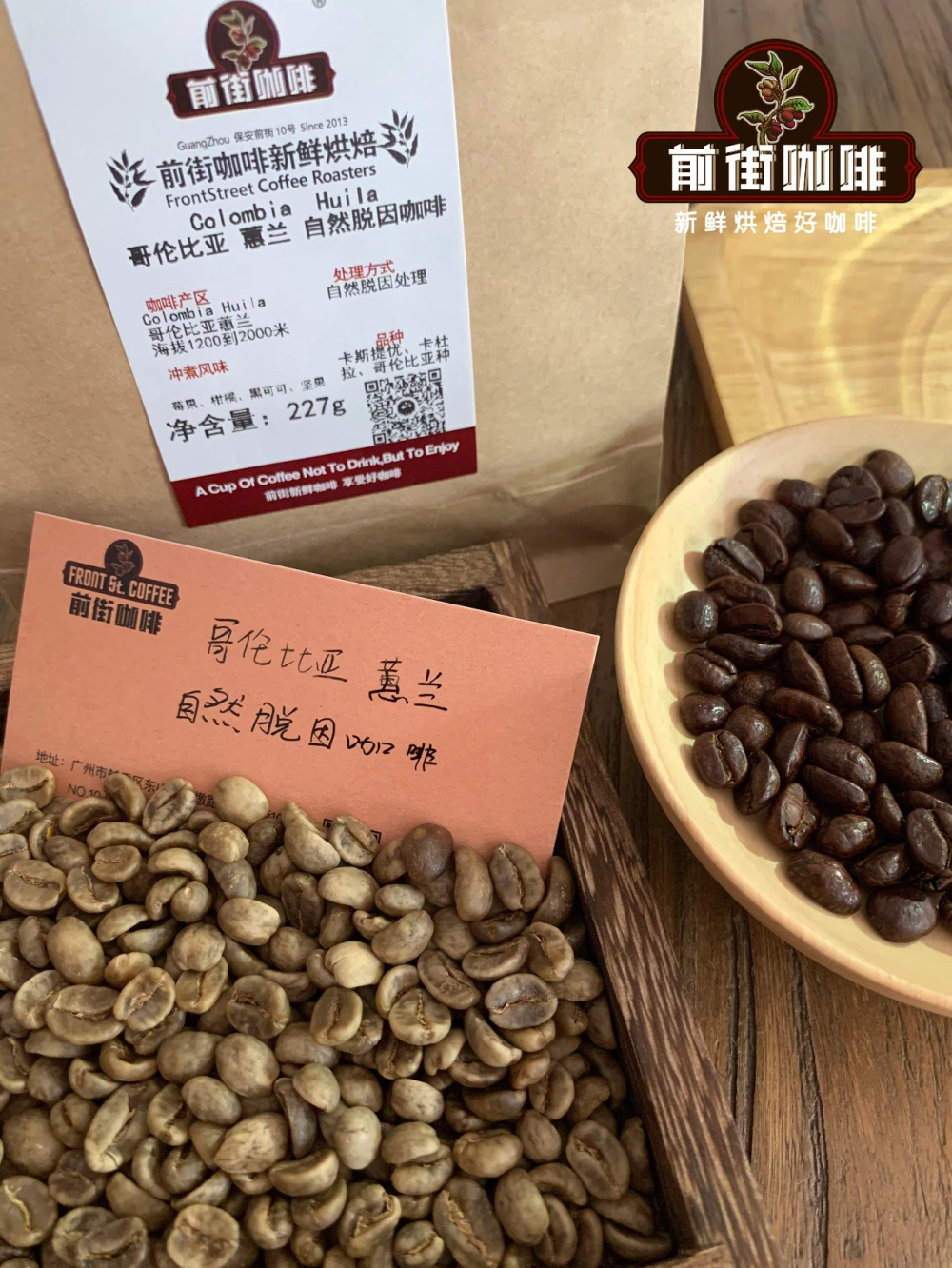
In terms of health, decaf coffee is not completely caffeine-free, but the caffeine content is controlled to be below 3% of the original beans—that is, about 97% of the caffeine is removed. For most people, drinking decaffeinated coffee daily remains within a safe range and is unlikely to cause side effects such as insomnia or palpitations. Therefore, it is suitable for those who are sensitive to caffeine, often have trouble sleeping at night, or wish to control caffeine intake without giving up the flavor of coffee. However, excessive consumption may still lead to cumulative exceedance, so it is recommended to drink in moderation and pay attention to individual physical reactions.
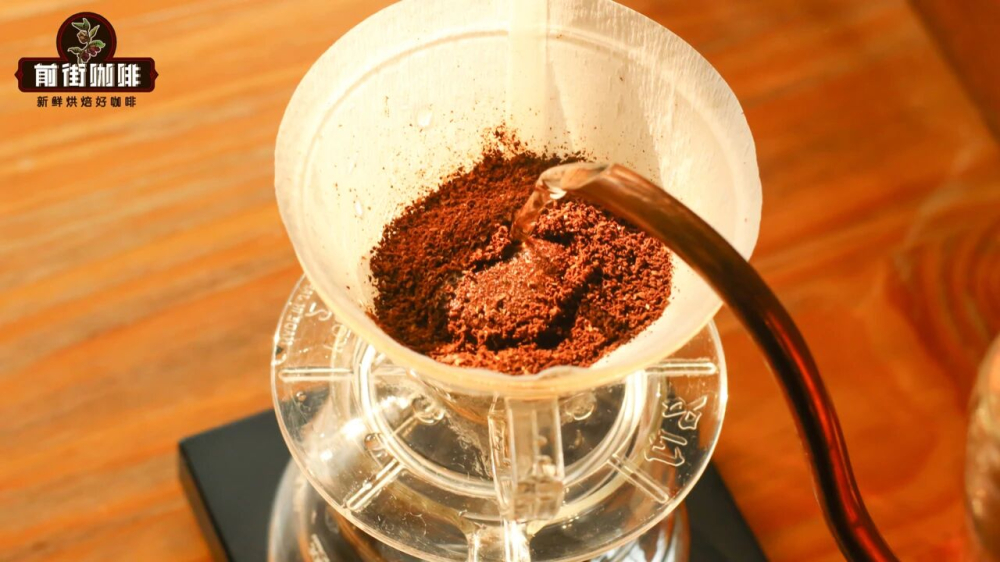
If you want to brew decaf coffee at home, there are some suggested parameters to consider. Since decaf beans undergo subtle changes in fiber structure during the decaffeination process and have higher water absorption, it is recommended to use a coarser grind (similar to brown sugar, with about 70% passing through a Chinese standard No. 20 sieve), and adjust the water temperature and brewing time. Practical parameters are as follows: using a Kono filter, water temperature around 88.8°C, 15 grams of coffee grounds, a 1:15 coffee-to-water ratio, with a total extraction time of about 2 minutes and 10 seconds. Specific steps can follow the step-by-step pouring method: first pour 30 milliliters of hot water for a 30-second bloom, then pour 150 milliliters of hot water in a circular motion to extract coffee oils and aroma, and finally add 45 milliliters to complete the extraction. This approach can fully bring out the richness and sweetness of decaf coffee.
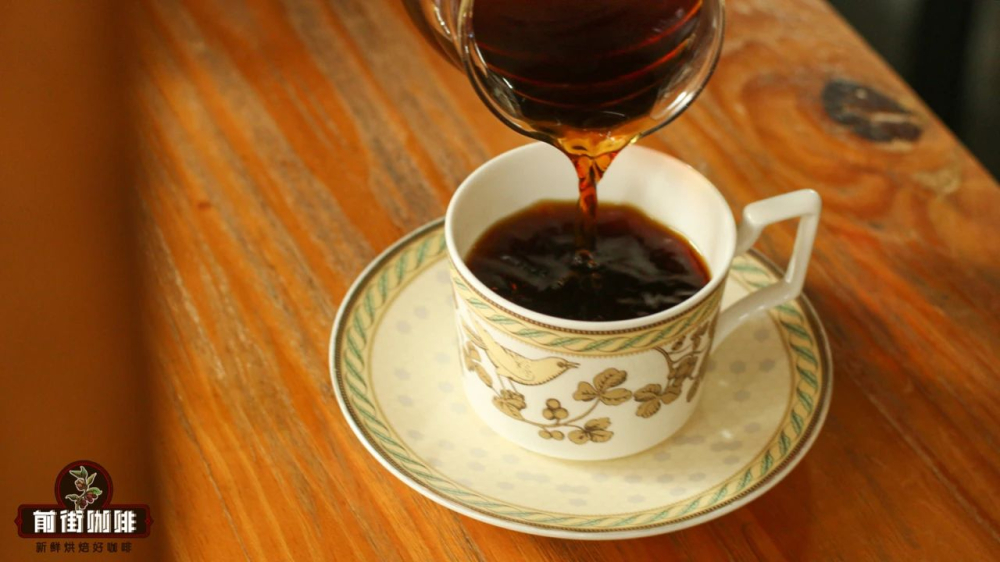
The finished decaf coffee typically features flavors such as dark chocolate, caramel, and nuts, with a smooth and mellow mouthfeel. It is suitable for drinkers who enjoy bold flavors but want to limit their caffeine intake. With appropriate roast levels and brewing techniques, decaf coffee can also deliver layers and aftertastes that are comparable to regular coffee, allowing you to enjoy the coffee experience while also taking care of your health and sleep quality.
In summary, decaf coffee is not only a great choice for reducing caffeine intake, but with the right beans and brewing method, it can also offer a rich and enjoyable flavor experience. Whether you’re doing it for health, sleep, or simply to try something different, specialty decaf coffee is worth a try. Remember to adjust your brewing parameters according to the characteristics of the beans you’re using, in order to fully unlock their potential and enjoy a satisfying cup of decaf pour over coffee.
The above content is compiled by CoffeeHunters, a coffee news website.

