








Introduction:Latte is often the first choice for many people when they begin exploring coffee. But did you know it’s actually a brilliant combination of espresso and steamed milk? This article delves into the definition of a latte, the golden ratio of coffee to milk, and explores how different coffee beans can influence the final flavor — helping you craft your own perfect latte.
Among the many coffee beverages, the latte is undoubtedly one of the most well-known milk-based coffees. This classic Italian drink is based on espresso, paired with steam-frothed milk, and crafted through precise proportioning. The charm of the latte lies in its ability to balance the intensity of coffee with the smoothness of milk, making it accessible even for those who don’t usually drink coffee.

Simply put, a latte is made by mixing espresso with steamed milk, and adjusting the proportions to achieve a variety of flavors. This combination not only softens the bold taste of espresso but also highlights the sweet texture of the milk. It’s worth noting that the flavor profile of a latte isn’t fixed — it varies depending on the quality of the espresso, the texture of the milk, and the ratio between the two.
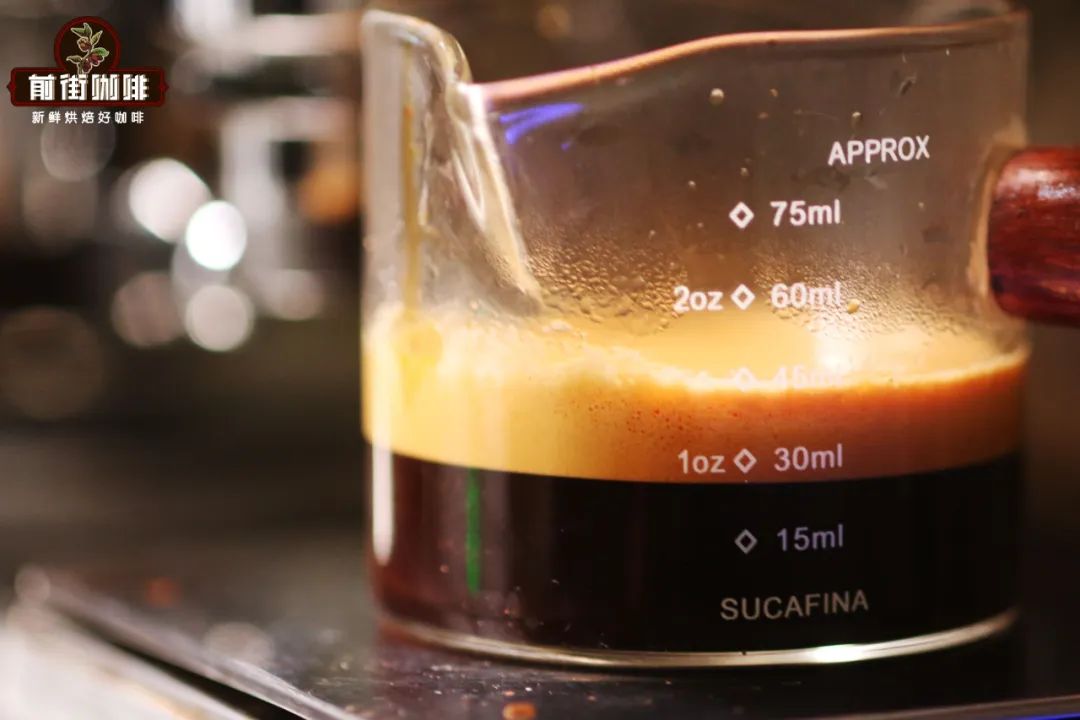
To make a satisfying latte, the key lies in mastering the golden ratio of coffee to milk. Generally, the recommended ratio range is between 1:5 and 1:8, but this can be adjusted according to the characteristics of the coffee beans used. For example, if using a commercial blend with strong flavors and noticeable bitterness, you can increase the milk ratio up to 1:8. In a 360ml cup, this would mean using about 40g of espresso with 320ml of steamed milk (including foam), which effectively balances the strong taste of the coffee.
On the other hand, if you opt for a more mellow blend with fruity or wine-like notes — such as one that combines Yirgacheffe and Honduran Sherry — then a 1:6 ratio is suggested, using 40g of espresso with 240ml of steamed milk. This helps highlight the harmony between milk and coffee, resulting in a rich chocolatey flavor.
For the increasingly popular Single Origin Espresso (SOE), which typically has a lighter roast and showcases the bean’s inherent flavors more clearly, special attention should be paid to the milk ratio when making a latte. A 1:5 ratio is recommended to prevent too much milk from masking the delicate fruity or floral qualities of the beans. This ratio retains the unique characteristics of the SOE while adding the smoothness of the milk.

In practice, apart from the ratio, the steaming temperature and texture of the milk are also crucial. The ideal temperature for steamed milk should be maintained between 60-65°C — too high a temperature can make the milk overly thick or cause burnt flavors. Additionally, the milk foam should have a fine and even texture, so it blends perfectly with the espresso and creates a silky mouthfeel.
In summary, the appeal of latte coffee lies in its high level of adjustability and adaptability. Whether you prefer a bold taste or a milder flavor, you can create the perfect latte tailored to your personal taste by adjusting your choice of coffee beans, the ratio of espresso to milk, and your steaming technique.
The above content is compiled by CoffeeHunters, a coffee news website.


