







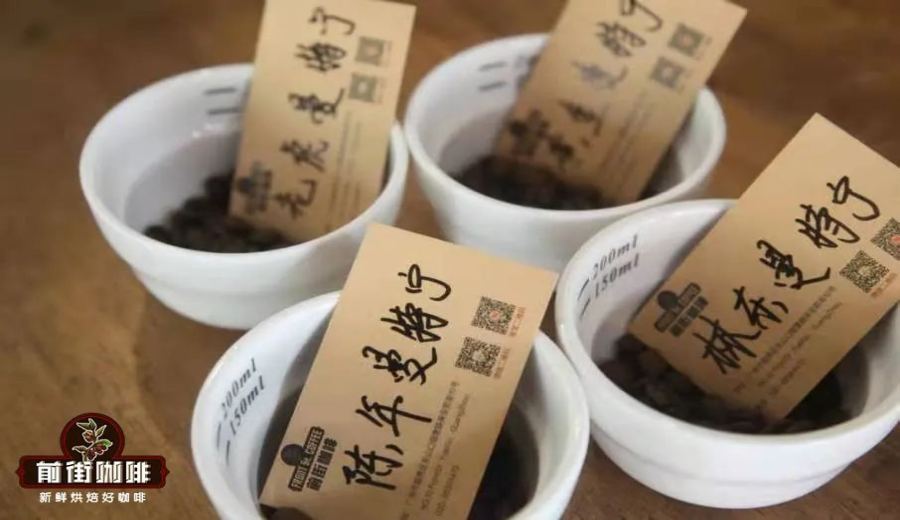
Introduction:Indonesian Sumatra Mandheling coffee is renowned for its rich, bold herbal and caramel aromas, but many beginners often end up with an unbalanced bitterness due to improper brewing. This article delves into the regional characteristics and processing differences of Lintong, Golden, Tiger, and aged Mandheling, and takes Golden Mandheling as an example to detail key parameters such as pour over filter choice,a 1:15 coffee-to-water ratio,grind size with 70% extraction through a #20 sieve, anda brewing water temperature of 87-88°C, along with a three-stage pouring technique, to help you avoid common pitfalls and brew a classic Sumatran cup that’s smooth and full-bodied.
Among the many dark-roasted coffees, Indonesian Sumatra Mandheling stands out with its unique herbal notes and intense caramel aroma, winning the hearts of many coffee enthusiasts. However, many first-timers are often put off by its apparent bitterness — which often stems from misunderstandings about the bean variety and brewing parameters. Mandheling is not a single coffee variety or place name, but rather a misheard transliteration of the local "Mandheling people." Today, it generally refers to Arabica coffee beans from Indonesia’s North Sumatra region, particularly those that reveal their full-bodied depth when dark roasted.
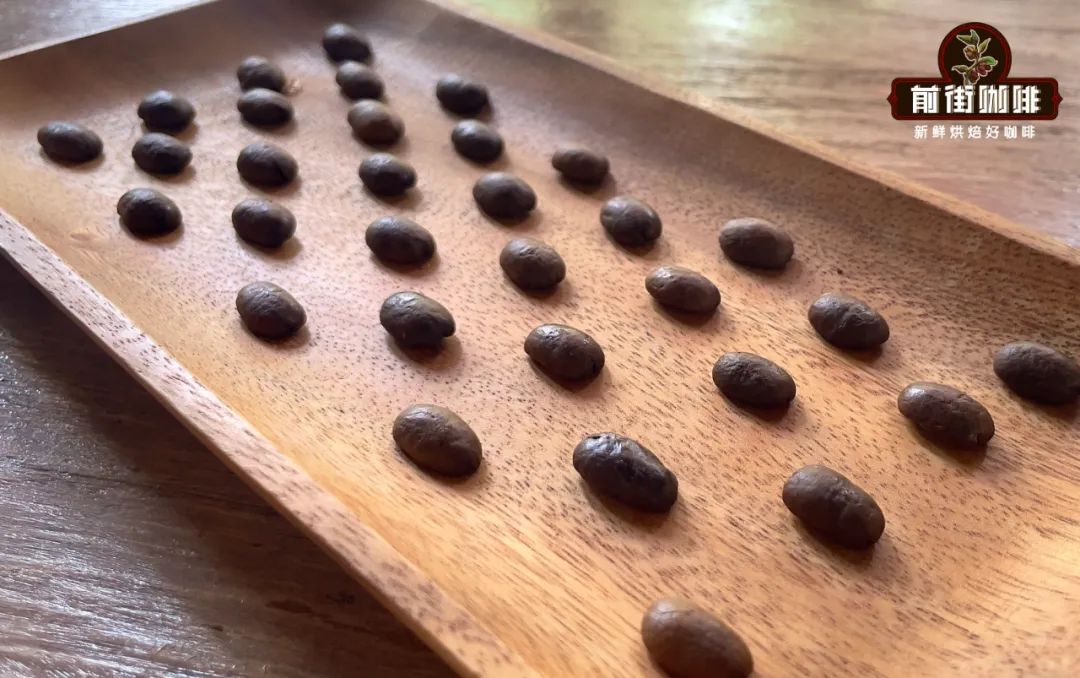
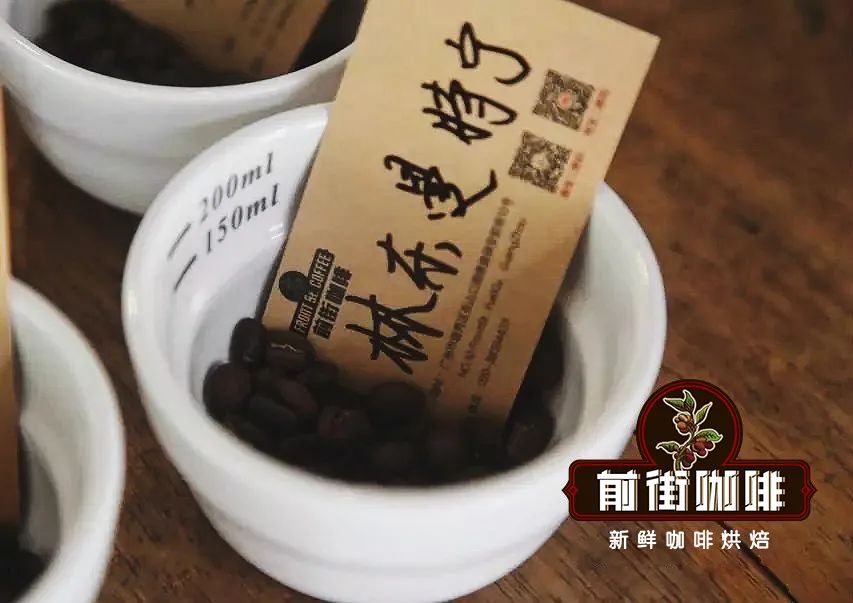
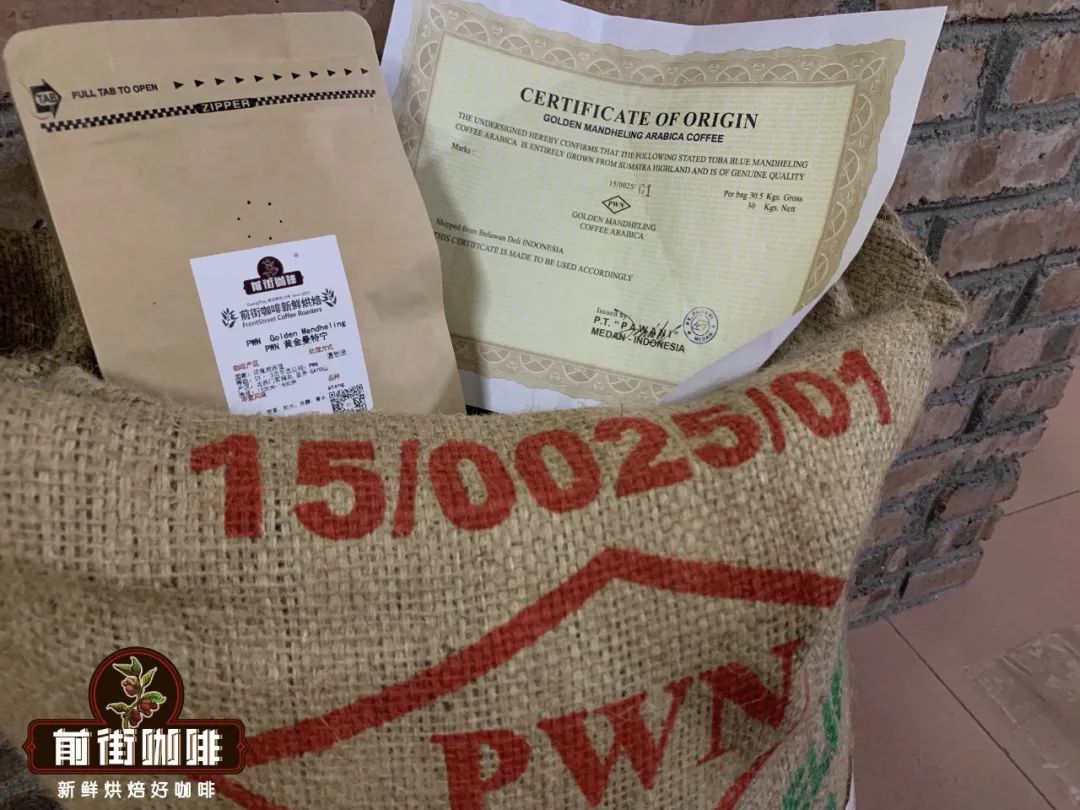
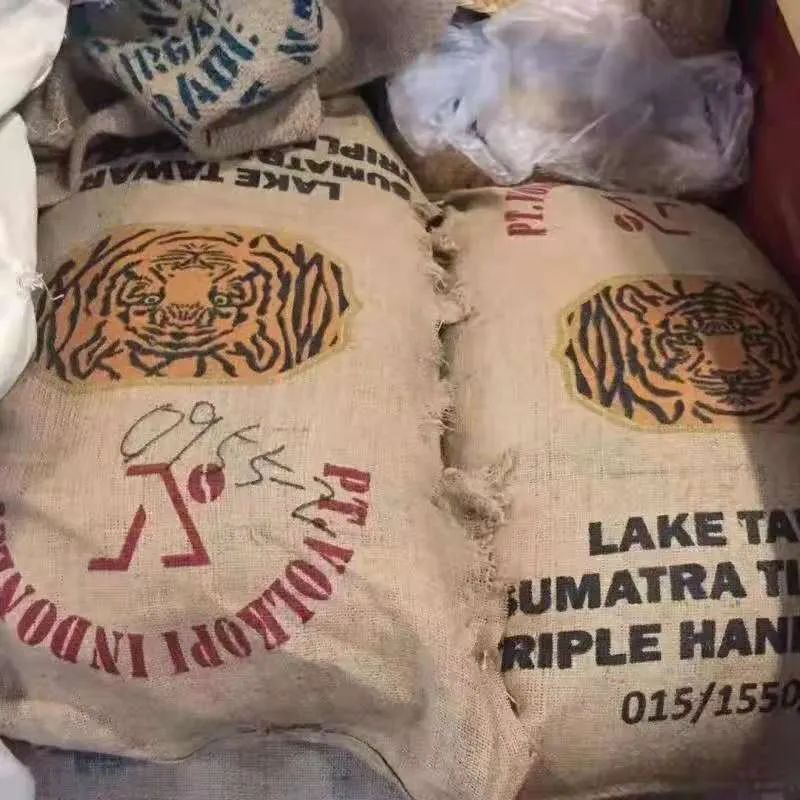
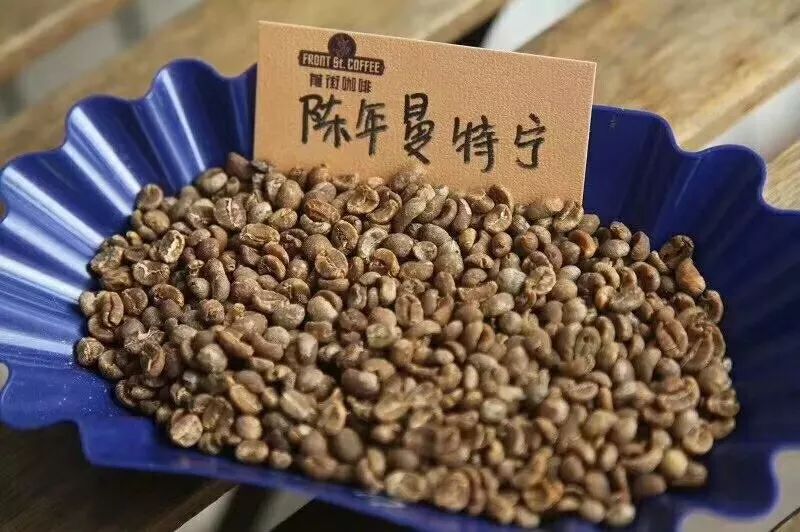
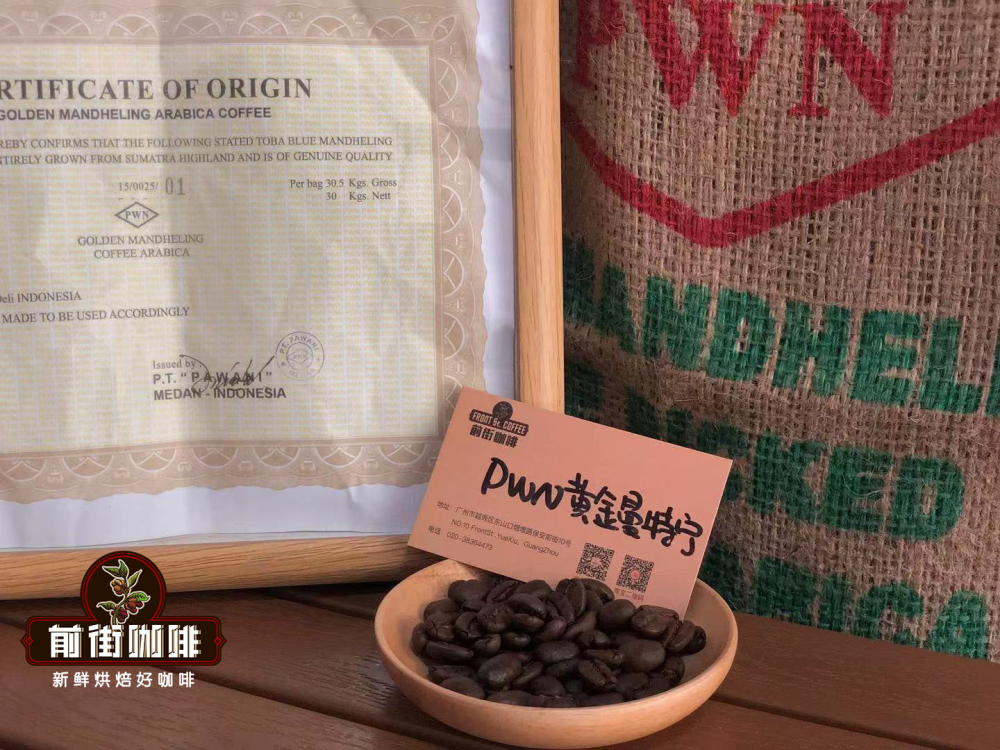
The market offers a variety of Mandheling options, with one brand’s menu featuring four classics: Lintong Mandheling, Golden Mandheling, Tiger Mandheling, and Aged Mandheling. Each has a distinct profile due to regional and processing differences. Lintong Mandheling comes from the Lintong region, classified as Indonesia’s highest grade G1, showcasing the foundational regional traits of Sumatra Mandheling. Golden Mandheling is a flagship product of Indonesia’s PWN Coffee Company, with each batch of green beans accompanied by official certification. It is grown on Gayo Mountain in Aceh, hand-sorted three times to remove defects, keeping only beans larger than 19 mesh, and is known for its high cleanliness and sweetness. Tiger Mandheling originates from Lake Tawar in Aceh Province, emphasizing a distinctive herbal aroma reminiscent of traditional Chinese medicine, and requires a defect rate below 4% for beans larger than seventeen mesh. Aged Mandheling undergoes 2–3 years of aging in a temperature-controlled warehouse, where acidity softens and caramel sweetness becomes more pronounced, resulting in a round, mellow mouthfeel akin to ripe pu-erh tea — ideal for those who prefer low-acidity profiles.
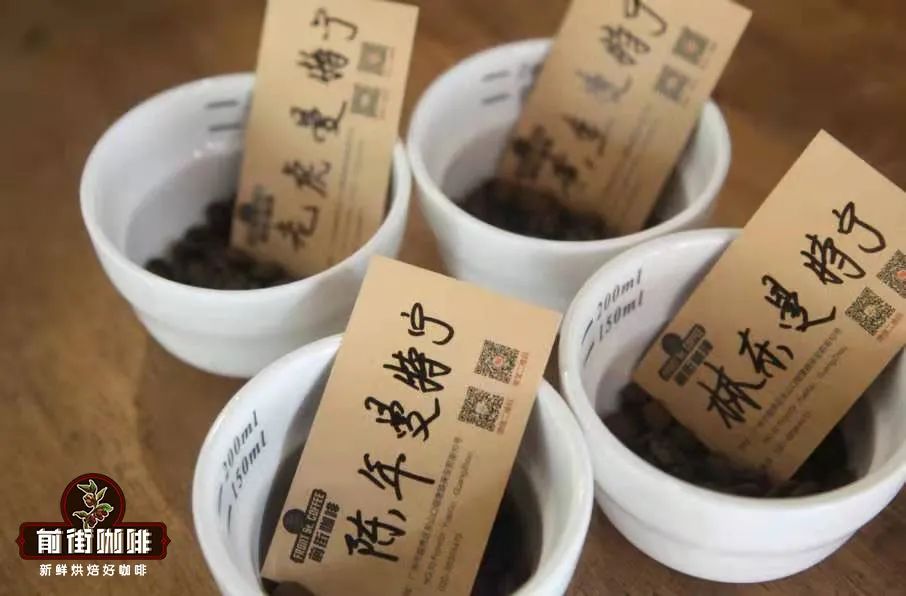
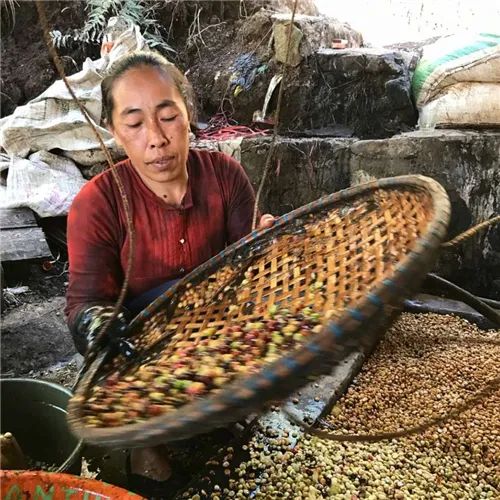
The common traits of these Mandhelings are inseparable from Indonesia’s unique “wet-hulled” processing method. Adapted to the region’s rainy and humid climate, this method involves initially washing the beans, then sun-drying them to a semi-dry state while still in their parchment, after which the husk is removed before further drying. This greatly shortens the drying time, effectively suppresses acidity, enhances body, and imparts the coffee with distinct caramel aromas and herbal freshness — forming the signature flavor backbone of Sumatra Mandheling.
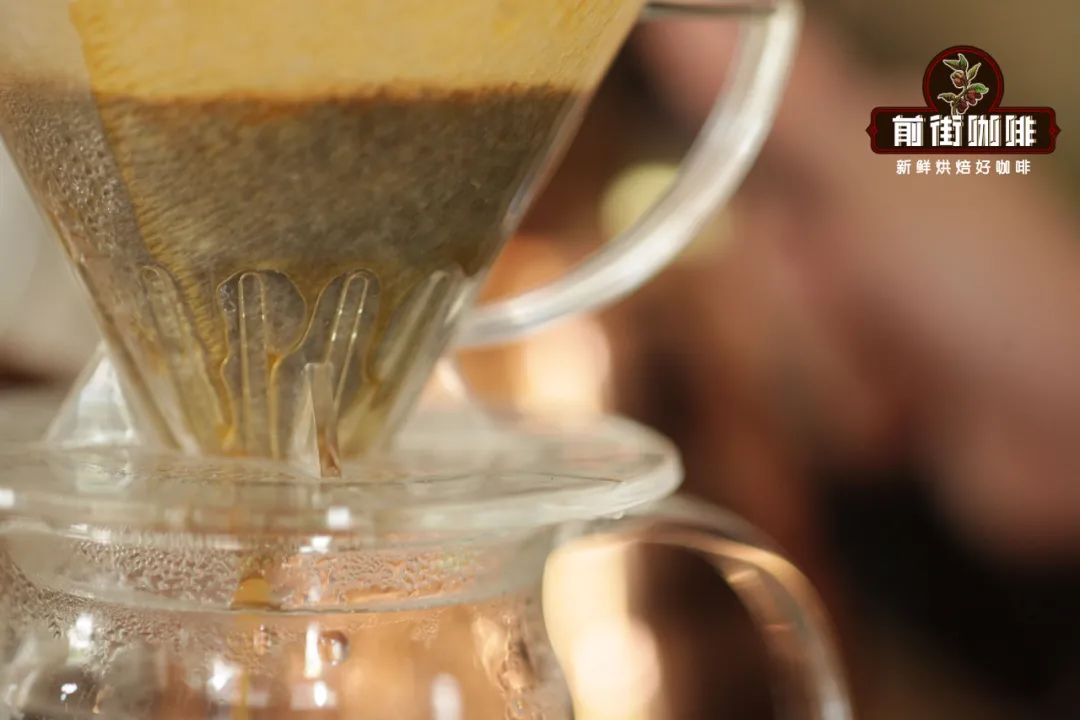
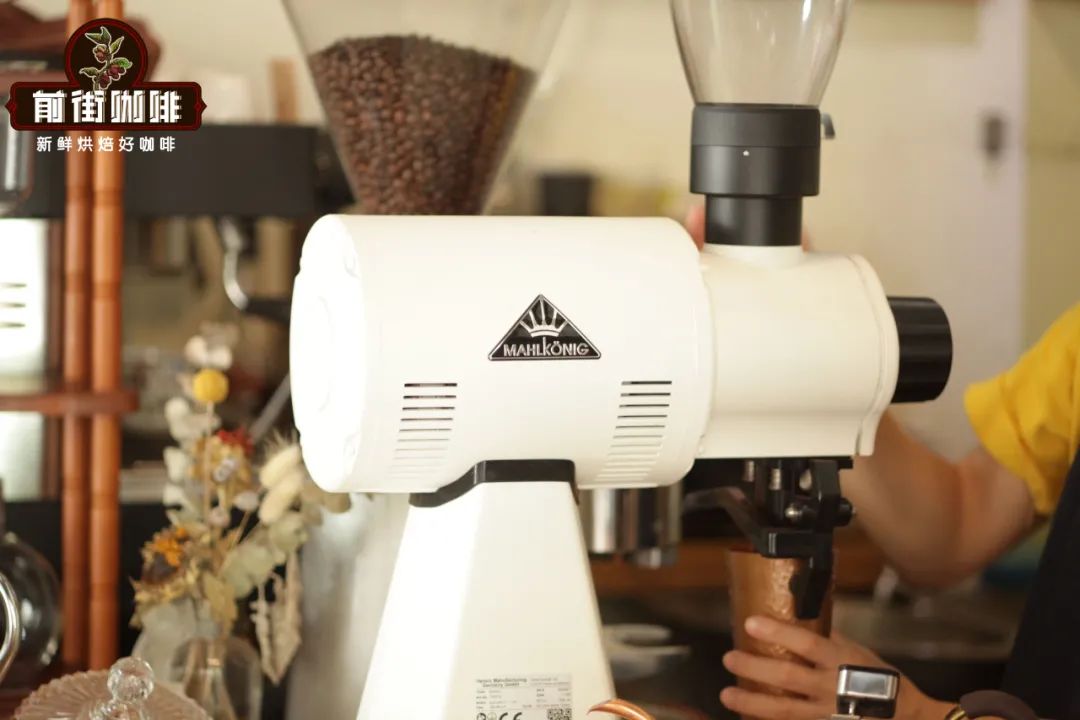
How can you brew a well-balanced Mandheling? The key lies in understanding its “full-bodied base + herbal sweetness” characteristics, and avoiding parameter mistakes that amplify bitterness. Take Golden Mandheling as an example: it’s recommended to use a Kono filter — its rib design extends from the bottom to the middle, with the upper half having smooth filter walls, allowing the paper to cling tightly to the cup and reduce bypass flow, thereby enhancing the body and mouthfeel.A coffee dose of 15g is suggested(suitable for 1–2 cup filter sizes; too much or too little may affect extraction stability),with a 1:15 coffee-to-water ratio(too high a concentration can cause discomfort; this ratio balances richness and drinkability), and a grind size of70% extraction through a #20 sieve(slightly coarser than lighter roasts, as dark roasts have looser structures — too fine may lead to burnt bitterness, too coarse may result in weak flavors).
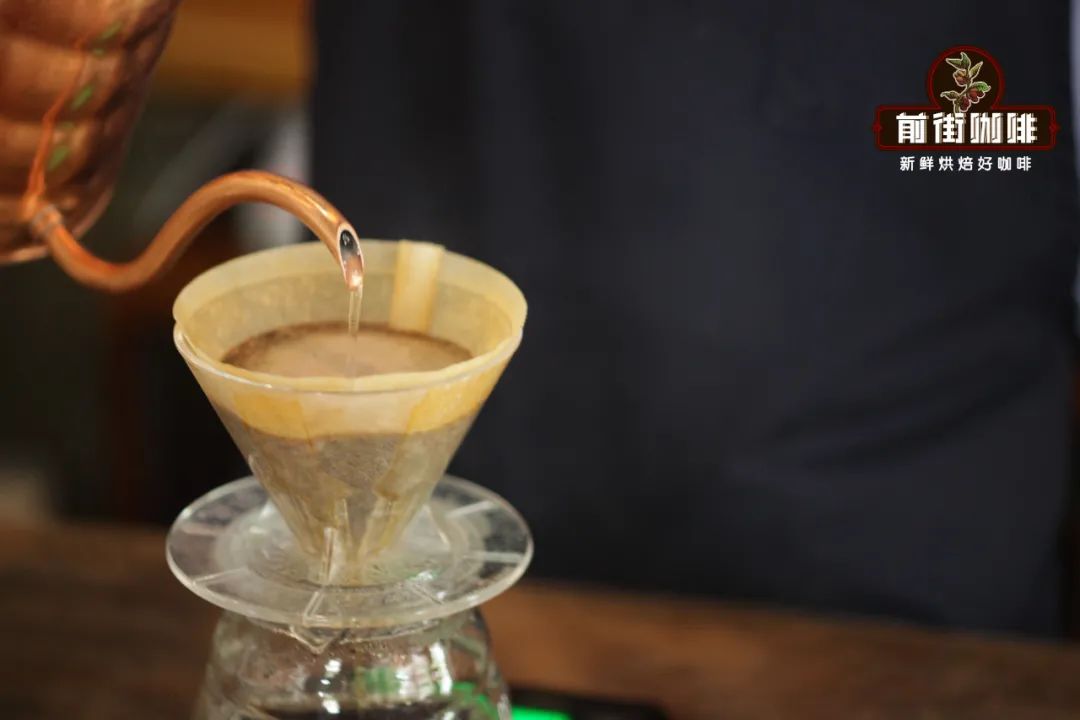
Water temperature is set to87-88°C87–88°C (too high can extract excessive bitter substances, too low can emphasize acidity and flatten the flavor layers). The recommended brewing technique is a three-stage pour: the first stage is a 30ml bloom to fully saturate the grounds and release gases, laying the foundation for subsequent extraction; the second stage adds 100ml to gradually bring out mid-palate flavors; and the final stage pours an additional 95ml to enhance sweetness and balance the overall profile. This process effectively highlights Golden Mandheling’s caramel sweetness, chocolatey tones, and distinctive herbal fragrance, preventing bitterness from dominating the flavor profile.
In summary, the charm of Mandheling lies in its rich, full-bodied depth and nuanced aromatic layers. With an understanding of regional traits, processing differences, and key brewing parameters, even beginners can brew a memorable cup of classic Sumatra. From filter selection to temperature control, every detail affects the final flavor — feel free to adjust based on the suggestions above to find your perfect brewing combination.
The above content is compiled by CoffeeHunters, a coffee news website.


