







Introduction:Kenyan coffee is renowned for its distinctive bright acidity and tomato-like flavor notes, making it a dream choice for many coffee enthusiasts when experimenting with pour over brewing. This article will delve into the characteristics of Kenyan beans, exploring everything from variety and processing methods to grading systems to uncover the reasons behind their unique flavors. It also provides professional-grade pour over parameters and steps to help you effortlessly extract its juice-like layers and crisp plum-like acidity.
With the rise of the specialty coffee trend, consumers are increasingly focusing on the regional characteristics and inherent flavors of coffee beans. Especially under the influence of the third wave of coffee, light roasting and origin traceability have become mainstream, and among them, Kenyan coffee stands out with its vibrant acidity, becoming a sweet-and-sour benchmark in the hearts of many pour over enthusiasts.
If you’re eager to experience a coffee as lively as juice, with distinct notes of small tomatoes and berries, Kenyan beans are definitely worth a try. However, to successfully extract its characteristic bright acidity and layered complexity, mastering the correct brewing techniques is crucial.

First, understanding the basic characteristics of Kenyan coffee is the foundation for successful brewing. Unlike other regions that often offer multiple bean options, most major producing countries typically provide more than two choices, but Kenya usually offers just one—AA. This is because Kenyan coffee exhibits highly consistent flavor profiles nationwide, almost becoming a signature representation of the country’s coffee.
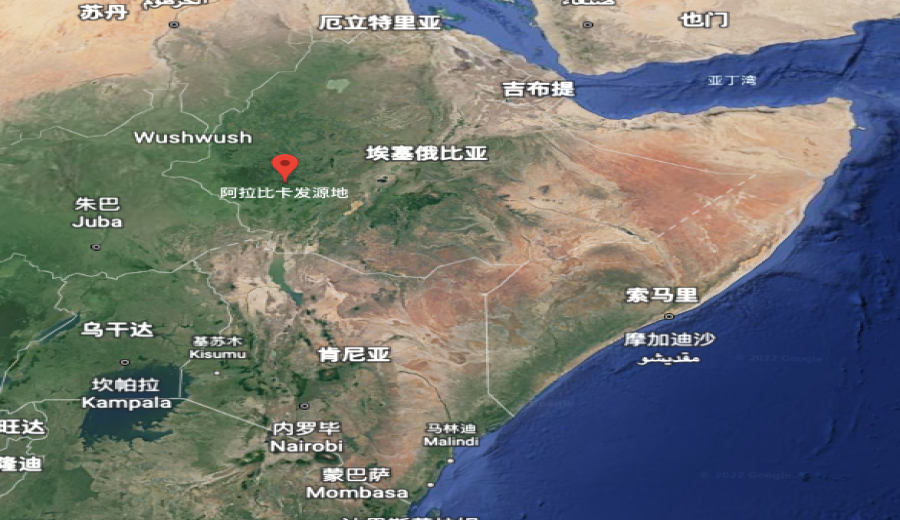
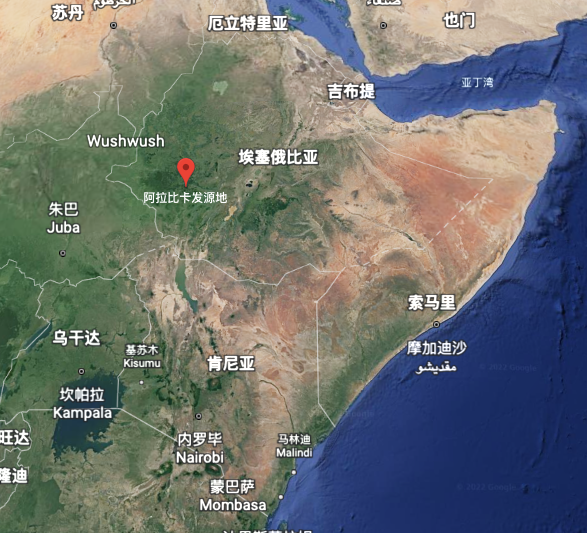
Observing the map, you’ll find that Kenya borders Ethiopia, known for its wild coffee, but Kenya’s coffee development history is relatively short, spanning only about 120 years since the early 20th century—similar to that of China’s Yunnan. However, the progression of its coffee industry has been truly unique.
As early as the 1930s, Kenya, through meticulous selection and cultivation by the Scott Laboratories, introduced the classic SL28 and SL34 varieties, which were then promoted for planting nationwide. These two varieties naturally possess rich berry acidity and have not only become the soul of Kenyan coffee but were later also adopted by some farms in Central America. For example, the winning coffee of last year’s COE competition in Costa Rica used both SL28 and Geisha.
To enhance disease and pest resistance, the Kenyan Coffee Research Institute introduced the Ruiru11 variety in 1985, a hybrid similar to Catimor, and it is planted in certain regions. However, based on cupping experiences, beans containing Ruiru11 tend to show slightly inferior sweetness and acidity, and occasionally exhibit off-flavors, once again proving the critical impact of variety on flavor.
The reason Kenyan coffee can present such bright and clear acidity lies largely in its unique K72 washed processing method. While standard washed processes typically require only 24 to 48 hours of fermentation, the Kenyan K72 process is divided into three stages: the first stage involves 24 hours of fermentation followed by mucilage removal, then two more rounds of 24-hour fermentation each, totaling 72 hours. This complex yet precise method not only stabilizes quality but also enhances the coffee’s sweet and lively acidic profile.
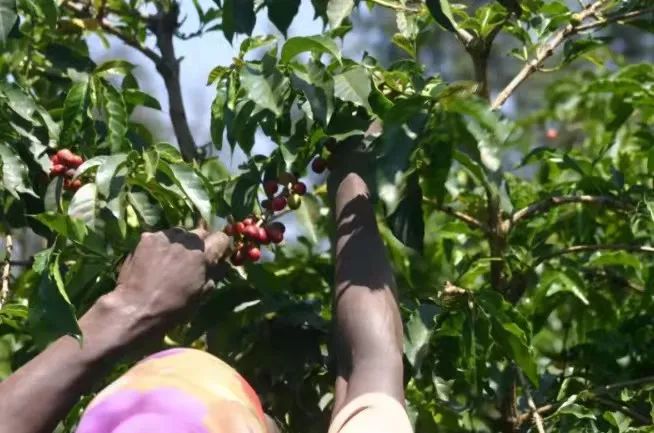
In addition, Kenya’s coffee bean grading system is another safeguard for its consistent quality. The country grades beans by size, with AA being the highest grade, followed by AB. Since selective breeding means that larger beans generally represent better quality and more intact structure—and are also more roast-friendly—even though different regions such as Nyeri, Kirinyaga, and Kiambu may have slight flavor variations, the overall profile still retains Kenyan coffee’s hallmark traits: bright acidity, tomato-like aroma, and berry tones.

Having understood the background above, we can then design the most suitable pour over approach for Kenyan beans. Grown at high altitudes and volcanic soils, along with superior varieties and refined processing, Kenyan beans feature intact bean structure, large particle size, and relatively high hardness. However, this can also lead to channeling or clogging during brewing.
To avoid this issue, it’s recommended to control the amount of fine particles during grinding. You can choose a high-quality grinder or use a sieve tool to filter out fines. An ideal grind size is around 75% passing through a standard #20 sieve, balancing flow rate and extraction evenness.
For water temperature, it is recommended to use93°Ca high temperature for brewing, which helps fully bring out the tomato and fruity sweetness of Kenyan beans, making the overall flavor profile more dimensional.

In terms of coffee-to-water ratio, it is recommended to use1:16, as this ratio perfectly showcases the solid body of Kenyan beans while maintaining balanced flavors. Even a 1:16 ratio won’t dilute its bright plum-like acidity and tomato berry layers, but instead makes the overall taste smoother and more harmonious.
Suggested coffee dosage should be adjusted according to the size of your filter: if using a small V60, it’s advised to use15 gramsof coffee grounds; for a large V60,25 gramsor more is recommended to ensure sufficient extraction and stable flow.

During the actual pouring process, it’s advisable to control the bed depth of the coffee grounds and avoid excessive wide circular pouring that could cause channeling or bottom clogging. In the initial phase, start by pouring30 millilitersof hot water fora 30-second bloomto activate the coffee grounds.
Then, for the second pour, add120 millilitersof water, pouring slowly in circles from the center outward until a golden foam forms on the surface, then gradually narrow the pour toward the center. At this point, the coffee bed height should lower to the level of the1/2short ribs of the filter.
Finally, for the third pour, add90 millilitersof water, pouring in small coin-sized circles. Once all the coffee liquid has dripped through, aim to complete the total extraction time withinaround 2 minutes (±10 seconds). This method effectively highlights the tomato aroma and sweet fruity notes of Kenyan beans while preserving a clear and vibrant plum-like acidity.


The above content is compiled by CoffeeHunters, a coffee news website.


