








Introduction:Gain an in-depth understanding of the fundamental differences between the world’s two most mainstream coffee bean varieties—Arabica and Robusta. From caffeine content and flavor profiles to suitable brewing methods, this article provides a detailed analysis of the characteristics of both beans, along with insights into their main producing regions and visual identification tips, helping you make smarter choices based on your preferences.
In the world of coffee, Arabica and Robusta are the two most common coffee bean varieties, yet many consumers still have only a vague understanding of their actual differences. Why is Arabica generally more favored in the market? These two types of beans differ significantly in terms of origin distribution, chemical composition, and ultimately, flavor performance. Next, we’ll take an in-depth look at their various characteristics to help you better understand every cup of coffee in your hand.
First, from a botanical classification perspective, Arabica belongs to the species of small-seeded coffee, while Robusta is categorized as medium-seeded. This physical size difference also indirectly influences their flavor expression and suitable growing environments. It’s worth mentioning that,Arabica contains only about 0.9%–1.2% caffeine, which is significantly lower than Robusta, but its fat and sugar content are approximately 60% and twice as high, respectively—key factors that contribute to its sweet fruity acidity and smooth mouthfeel.
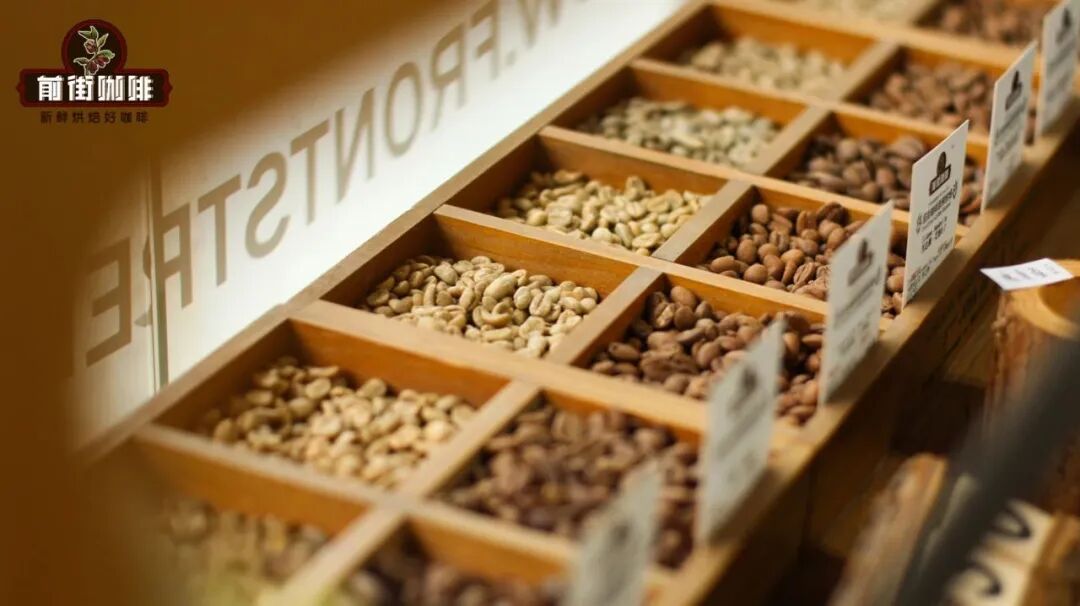
In contrast, Robusta has higher levels of caffeine, chlorogenic acid, and amino acids, resulting in a bolder, deeper, and more intense flavor profile. Common flavor descriptions include nutty notes such as walnut, hazelnut, and peanut, and it may even come with distinct cereal or earthy undertones. Due to its robust disease resistance and high caffeine content, Robusta is often used in instant coffee or espresso blends to enhance body and crema. For example, some commercial blends add about 10% Robusta to boost the intensity and crema layer of espresso.

From a plant physiology standpoint, chlorogenic acid is not only a precursor to flavor but also a natural insect repellent. Robusta, with its higher content, can grow in low-altitude areas and resist most pest invasions. In comparison, Arabica requires a cooler environment at higher altitudes to achieve its optimal flavor potential, but this also subjects it to harsher climate challenges and higher labor management costs. Arabica grown at high altitudes not only yields less but also has a longer maturation cycle—factors that collectively drive up its market value.

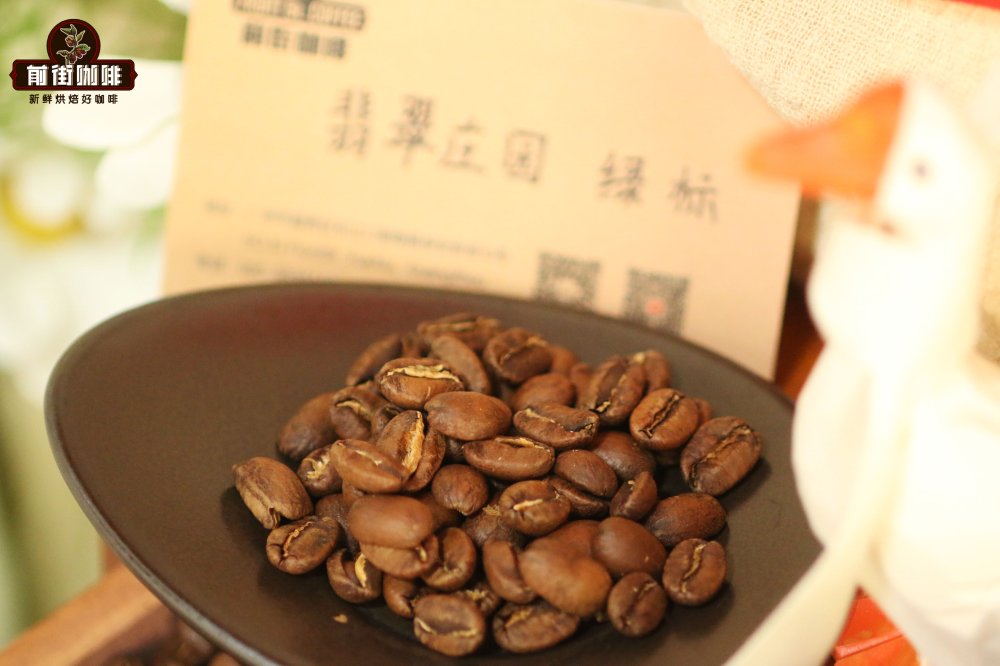
In terms of visual identification, Arabica coffee beans are slender and oval-shaped, with a prominent midline that curves in an "S" shape; Robusta beans, on the other hand, tend to be more rounded, with a midline that resembles a straight "1". Although shape differences at the green bean stage can aid in initial judgment, these distinctions become significantly less reliable after roasting due to bean expansion and deformation. It’s recommended to use a combination of other characteristics for a more comprehensive evaluation.
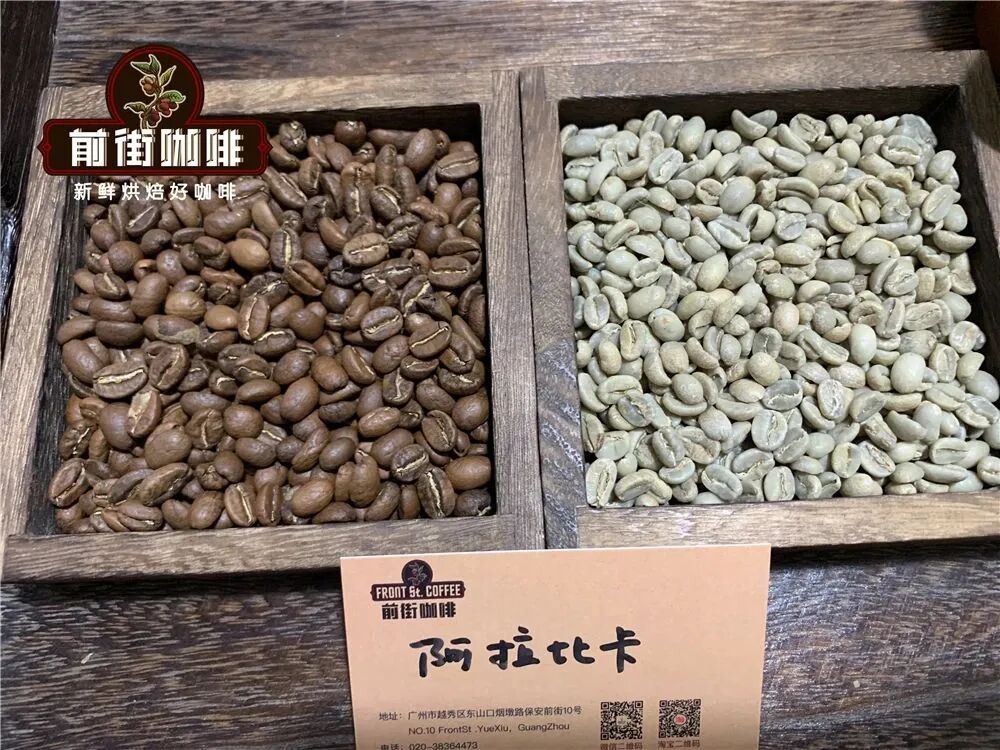
In terms of flavor performance, Arabica exhibits a high degree of diversity, ranging from fresh grassy notes to caramel sweetness in dark roasts. At medium to light roasts, it often releases bright fruity acidity and floral aromas, while dark roasts transform into rich caramel and chocolate tones. Its acidity is lively, the mouthfeel is smooth, and the aftertaste is long-lasting, making it suitable for various extraction methods such as pour over and drip. In contrast, Robusta is known for its bold body and intense bitterness, often accompanied by woody notes and a spicy aftertaste. It’s suitable for use in espresso blends to add complexity, though proportion control is essential to avoid overwhelming other flavors.

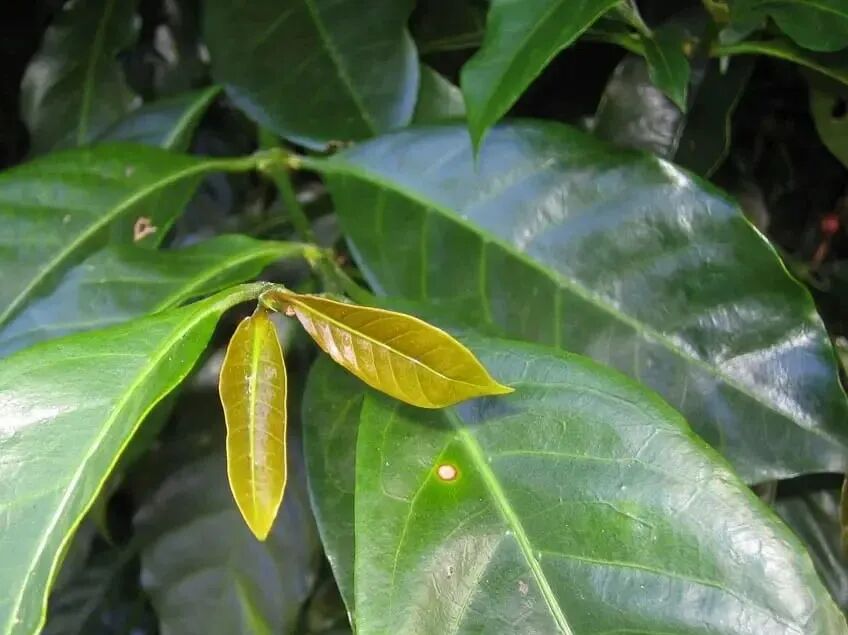
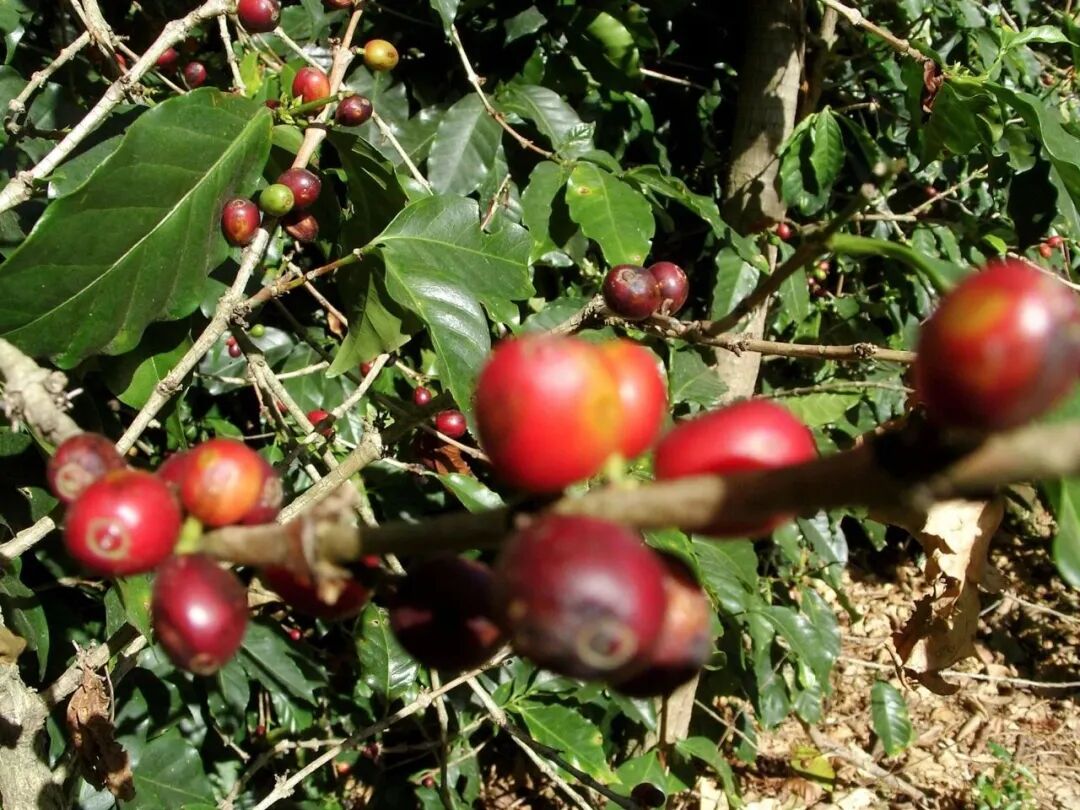
Looking further at the physiological traits of coffee plants, Arabica leaves are slender and oval-shaped, with plant heights of about 2–3 meters; Robusta, on the other hand, has broad, thick leaves and a tall tree form, capable of growing over 10 meters. This structural difference is also reflected in varietal diversity—Arabica has nearly three thousand derivative varieties, primarily originating from Ethiopia’s two main heirloom species: Typica and Bourbon. As these varieties migrated to different continents, they gradually adapted to various climates and soil conditions, evolving unique regional flavor expressions.
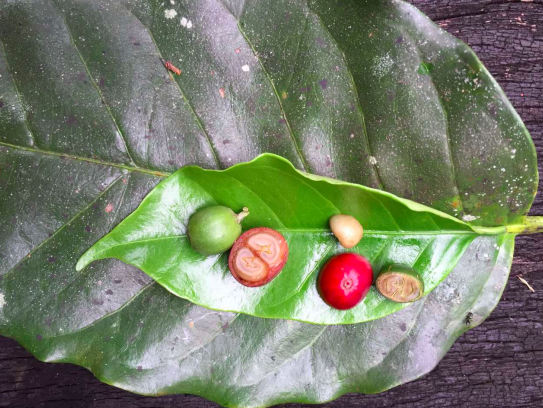
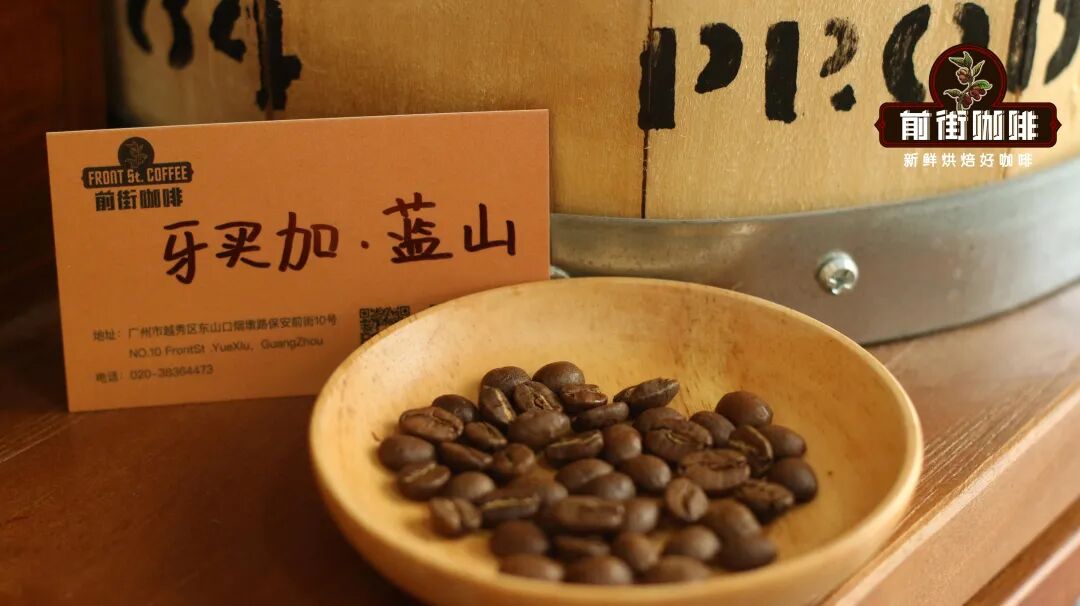
Take Typica, for example—this ancient variety, discovered in Ethiopia around the 15th–16th century, features tall coffee trees with bronze-colored top leaves and larger, egg-shaped beans. Its typical flavor profile includes bright citrus acidity and a sweet aftertaste, but it is susceptible to leaf rust and has relatively low yield. It is now mostly found in special high-altitude regions such as Jamaica Blue Mountain. Notably, Blue Mountain Typica has developed stronger disease resistance over time, coupled with the island’s unique microclimate, giving rise to its world-renowned refined flavor profile.
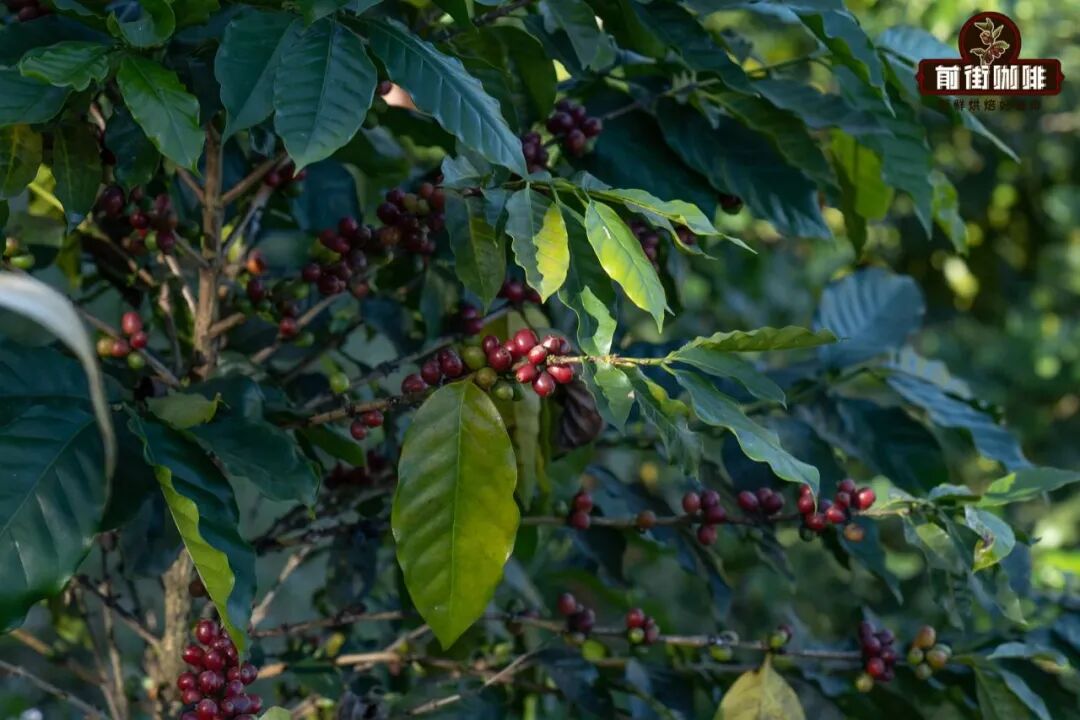
Another highly regarded variety is Panama Geisha, a mutation derived from Typica that is extremely demanding in its growing environment, requiring high altitude, shaded cultivation, and fertile soil. Its thin leaf system leads to lower photosynthesis efficiency, and its slow nutrient absorption results in scarce yield but exceptional flavor—common notes include rose floral aroma, citrus tones, and honey-like sweetness, making it a top-tier representative in the specialty coffee world. When tasted, high-quality Geisha often displays complex layers of flavor, from the initial floral and fruity notes to the gentle sweetness in the aftertaste, with surprises at every stage.
As for Ethiopia’s native heirloom varieties (often labeled as Heirloom), they harbor even richer genetic diversity. These commercially unselected varieties, found in regions like Yirgacheffe, are typically characterized by small, irregular beans and often present elegant floral and tropical fruit notes under medium to light roasting. Due to their vast gene pool and complex classification, local authorities use the general term “heirloom” to protect these precious genetic resources, offering coffee enthusiasts a unique window into exploring the extremes of flavor.

The above content is compiled by CoffeeHunters, a coffee news website.

