








Introduction:Cold brew coffee is extracted at low temperatures over an extended period, resulting in a smooth texture and low bitterness — perfect for coffee lovers who enjoy a refreshing flavor. This article explains the storage duration, flavor characteristics of cold brew, and recommends several single-origin coffee beans ideal for cold brewing. It also provides practical parameters and steps to help you easily enjoy professional-grade cold brew at home.
Cold Brew Coffeeis a brewing method where ground coffee is mixed with room temperature or cold water and left to steep for more than 12 hours. Compared to traditional hot brewed coffee, the cold extraction process significantly reduces acidity and bitterness due to the lower temperature, yielding a smoother, rounder mouthfeel. The flavor profile is dominated by fruity and sweet notes, which are very appealing.
However, because cold brew is not subjected to high-temperature sterilization, it can undergo slight fermentation if left for too long, altering its flavor. It is recommended to consume it within3 to 4 daysafter brewing to enjoy the best flavor. The image shows a basic overview of cold brew coffee.
Many people think that making cold brew is a complicated process, but in reality, mastering just a few key steps makes it quite simple. The basic procedure is: combine coffee grounds with cold water (or a mixture of water and ice) in a sealed container, place it in the fridge to steep for about12 to 24 hours,then filter out the grounds and enjoy. This method is similar in principle to ice drip coffee, but instead of dripping, cold brew relies on steeping, making it much more convenient. As shown in Figure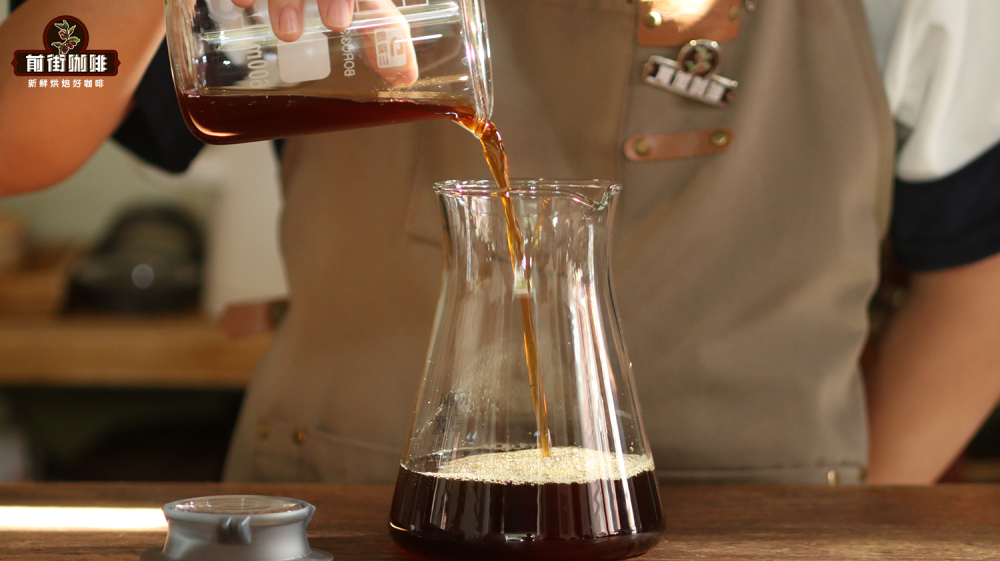 , the entire process is clear and straightforward.
Cold brew extraction mainly relies on the low-temperature environment, so only the smaller, more water-soluble molecules in coffee — such as certain fruit acids, floral notes, and sweet components — are dissolved. This is one reason why cold brew often showcases prominent fruity and berry tones, along with a soft mouthfeel.
If you want to try making cold brew yourself, selecting the right coffee beans is crucial. It’s recommended to prioritize beans processed usingwashed processingorspecialty processing methods (such as honey or anaerobic fermentation),as these beans typically have higher sweetness and clearer flavor profiles, better highlighting the unique charm of cold brew.
For example,Yirgacheffe Red Cherry(from Ethiopia, grown at 1850–2100 meters altitude, sun-dried, variety: Heirloom), features pronounced floral, citrus, and red berry aromas, with gentle acidity — making it very suitable for cold brew. Image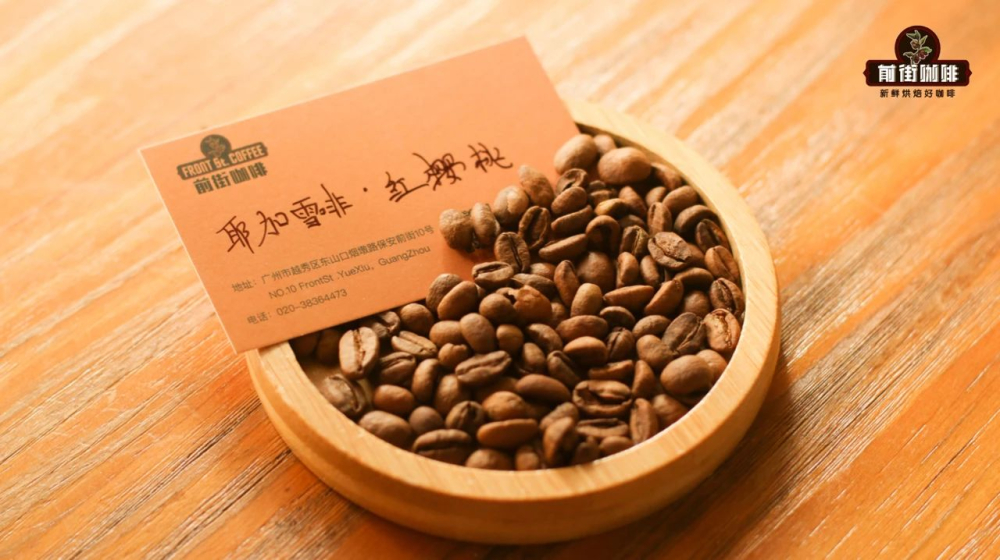 shows an illustration of this bean.
Another recommendation isCosta Rica Mozart(from Tarrazú, grown at 1500–1700 meters altitude, processed with raisin honey, varieties: Caturra & Catuaí). Its flavors include osmanthus, raisins, pineapple, and berries, with standout sweetness that adds multiple layers of fruity depth to your cold brew. Image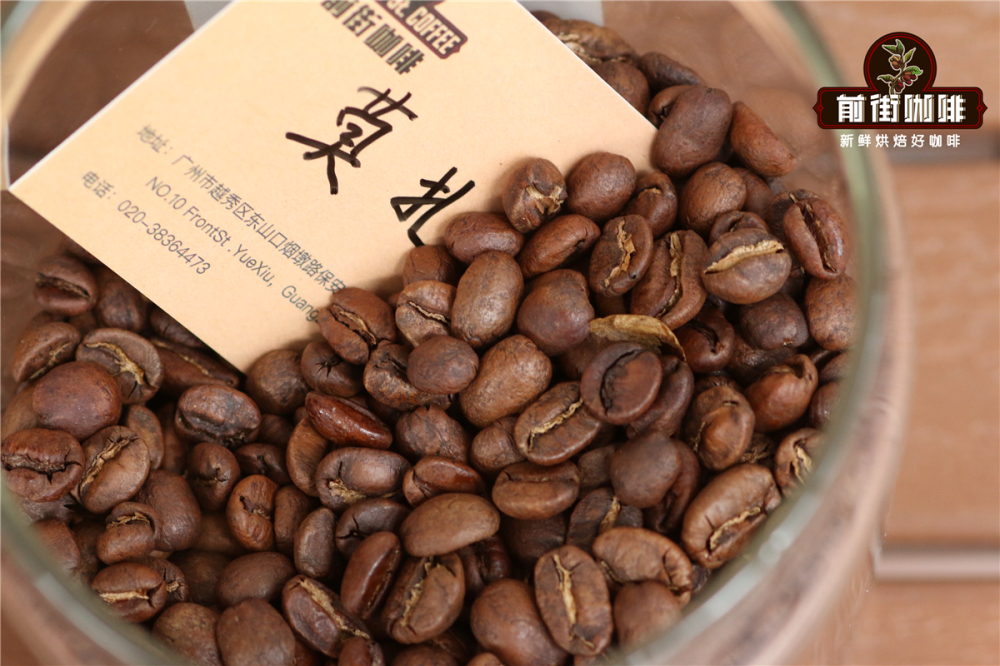 displays the appearance of this bean.
If you prefer bold fruitiness,Colombia Geisha(from Finca La Frontera, grown at 1700 meters, double anaerobic sun-dried) is also a great option. Its flavors include grape, passionfruit, citrus, apricot, and nuts. After cold brewing, its flavors are clear and layered. Image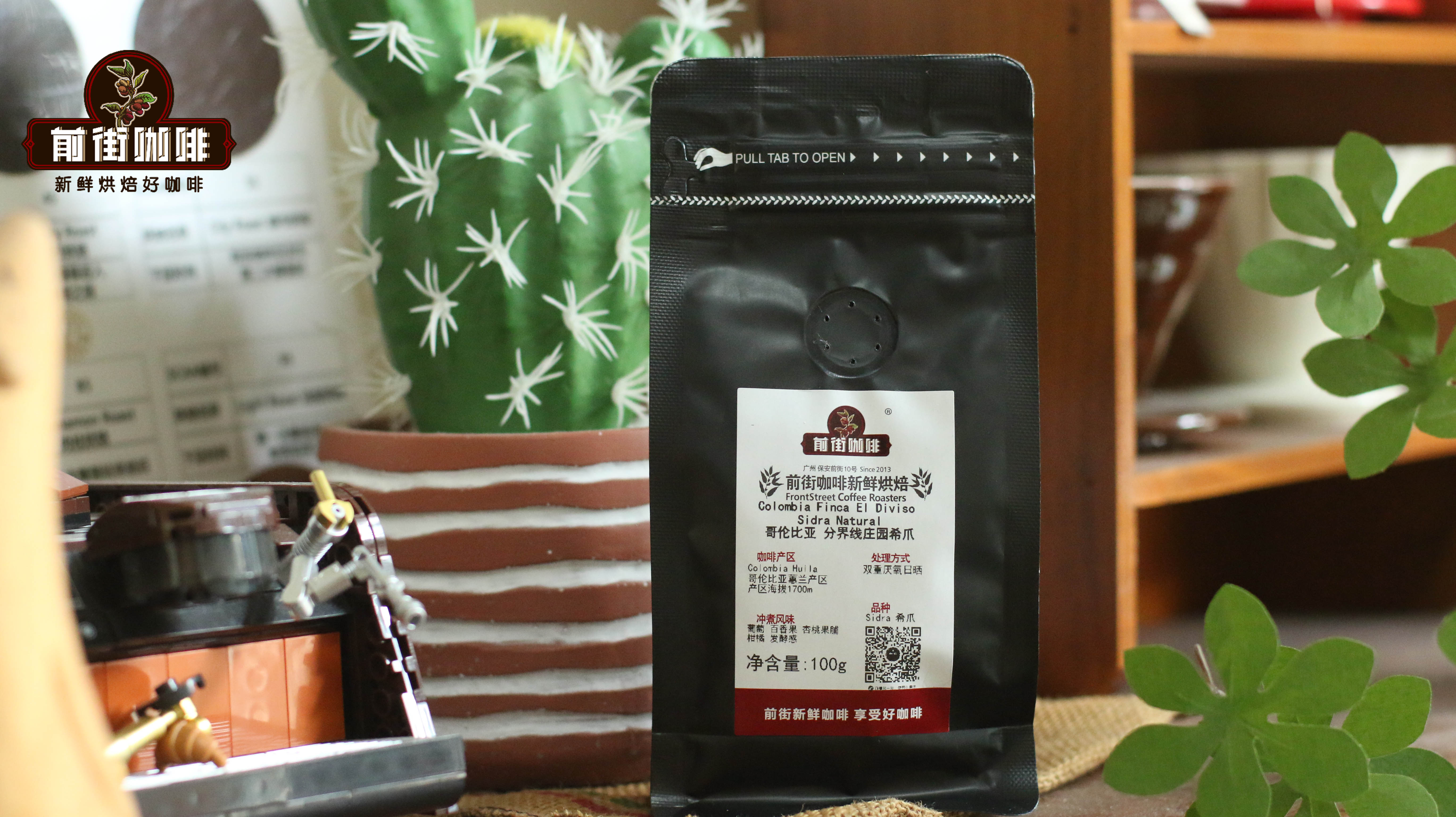 illustrates this bean.
Finally,Panama Flower Dance(from Boquete, grown at 1600–1650 meters, washed, varietal blend: 70% Gesha, Caturra, Catuaí) showcases white floral, citrus, orange, and tea-like notes. After cold brewing, its tea-like character becomes prominent — perfect for those who enjoy a refreshing taste. Image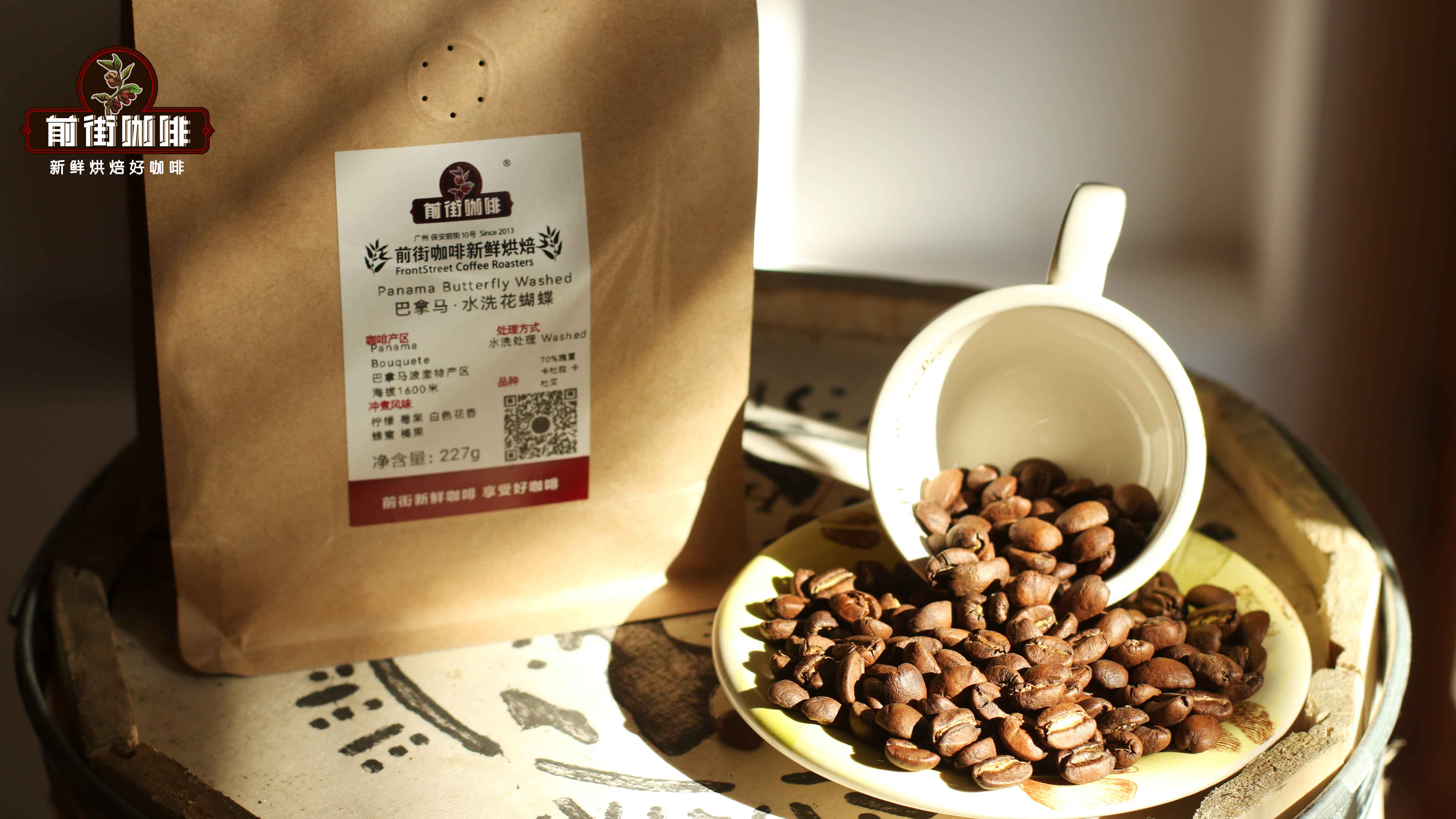 shows the appearance of this coffee bean.
In actual brewing, you can refer to the following parameters: using50 grams of coffee groundsas a base, mix with400 ml of room temperature water + 200 grams of ice (total 600 grams of ice water mixture), achieving a1:12specific coffee-to-water ratio.The coffee grounds should have an 85% passage rate through aNo. 20 sieve mesh, indicating medium-coarse grind size. Combine the coffee grounds with the ice water in a glass bottle, stir gently to mix evenly, then seal and refrigerate for12 to 24 hours.After filtering, it’s advised to let the coffee chill for another4 hoursto stabilize the flavors, resulting in a well-rounded, smooth, and enjoyable cold brew coffee. Image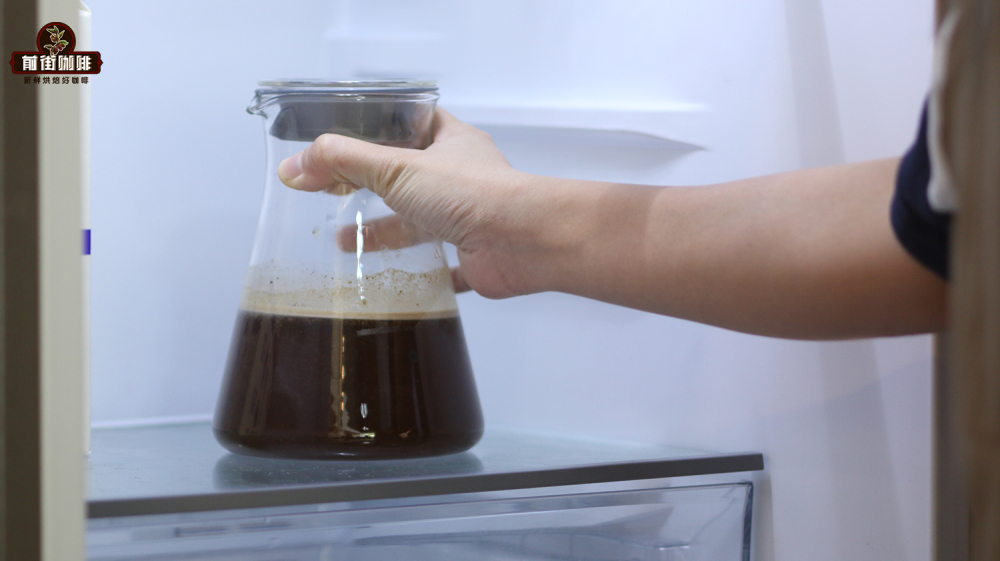 illustrates the cold brew process.
The above content is compiled by CoffeeHunters, a coffee news website.


