








Introduction:Want to understand how professional baristas precisely describe the vast array of coffee flavors using the flavor wheel? This article delves into the structure of the SCA standard coffee taster’s flavor wheel, guiding you from the four basic taste profiles—sweet, sour, salty, and bitter—to nuanced flavor categories such as floral, fruity, nutty, and spicy. It also explains the key differences between light-to-medium and dark roasts. Additionally, it introduces representative coffee varieties and their distinctive flavor characteristics, helping beginners develop a systematic ability to identify flavors. It's a practical guide for getting started with pour over and coffee tasting.
Many coffee enthusiasts often wonder how professional baristas can distinguish subtle flavors in a cup of coffee—such as citrus, berries, caramel, or even floral notes. This isn’t just about long-term training; it also relies on a systematic tool—the coffee taster’s flavor wheel developed by the SCA (Specialty Coffee Association). This “flavor dictionary” covers both common and potential aromas and tastes found in specialty coffee, serving as an indispensable professional reference during cupping and evaluation. It effectively helps baristas identify the strengths and weaknesses of a coffee bean’s performance and serves as a crucial basis for adjusting roast profiles and developing flavors.
What is coffee flavor? The overall perception of coffee comes from the four basic tastes—sour, sweet, bitter, and salty—and is closely related to the degree of roasting. Generally speaking,light-to-medium roastsare dominated by low-molecular-weight, highly polar acidic and sweet compounds. These compounds are highly water-soluble and tend to be extracted early in the brewing process. In contrast,bitterness and saltinessinvolve larger, less polar molecules, which are usually released later in the extraction. If the roast is improper or the beans are of poor quality, even light-to-medium roasts may produce unpleasant bitter or salty off-flavors. Dark roasts, on the other hand, are dominated by high-molecular-weight bitter and salty compounds, but when well-controlled, they can also deliver an “intense yet not astringent, mellow and smooth” premium experience.
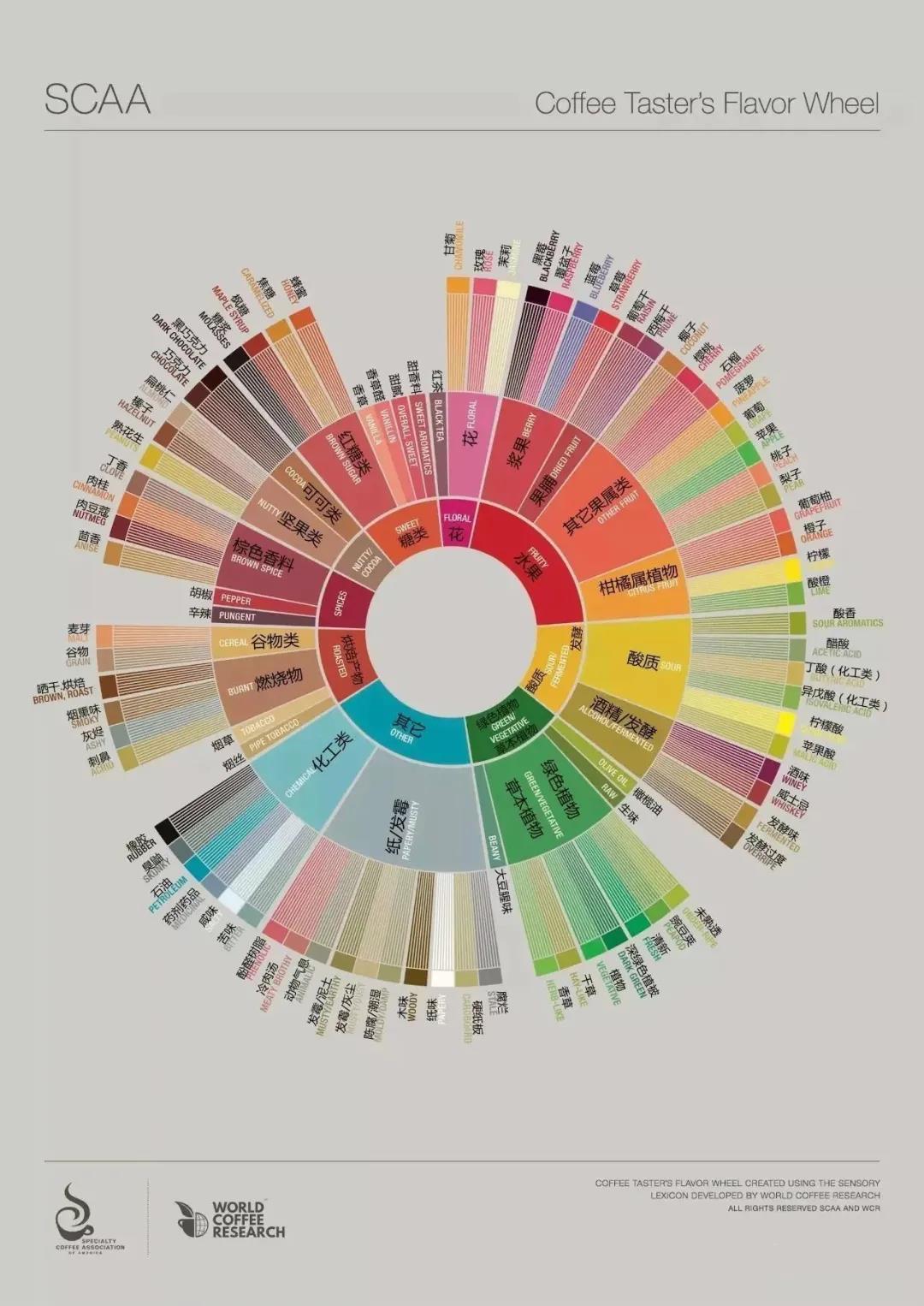
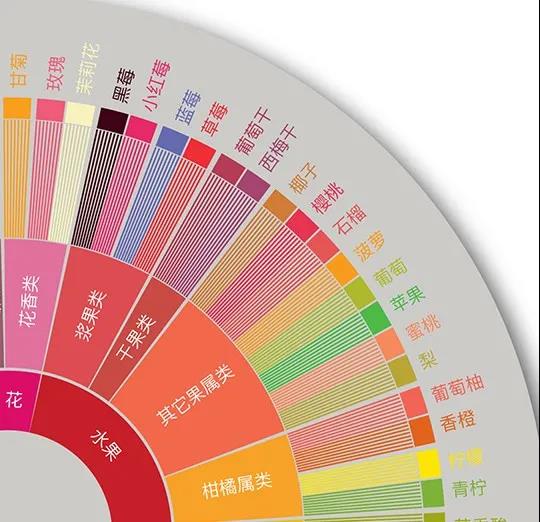
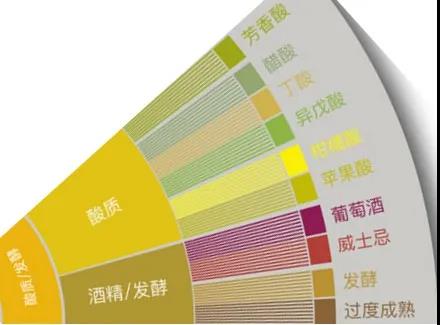
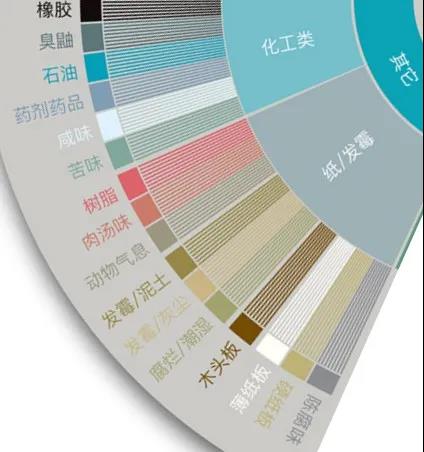
The flavor wheel not only helps us understand this distribution of tastes but also further breaks down diverse flavor profiles. From the complete SCA coffee taster’s flavor wheel, we can see that flavors are categorized into four main groups: sour, sweet, bitter, and salty. Each of these taste profiles branches into rich subcategories—for example, citric acid and malic acid commonly found in the sour spectrum, caramel and honey in the sweet spectrum, trigonelline and chlorogenic acid lactones in the bitter spectrum, and inorganic salts in the salty spectrum that might indicate stale coffee. Such a systematic classification allows us to more accurately describe and remember the unique character of each coffee.
Let’s start withthe sour spectrum.Sourness is one of the most prominent features of light-to-medium roasted coffee, originating from organic acids in the coffee beans, such as phenolic acids, aliphatic acids, and amino acids—especially acetic and lactic acids produced during sucrose degradation. These acidic compounds gradually accumulate during light-to-medium roasting, especially in high-altitude (above 1300 meters) washed beans. However, excessive or unbalanced acidity may stem from defective beans or improper roasting, so the “texture” and “layering” of the acidity are the key points of evaluation.
Next isthe bitter spectrum.Coffee bitterness can be divided into smooth and harsh types: the former includes naturally occurring trace bitterness like caffeine and trigonelline, while the latter often comes from lactone compounds produced by chlorogenic acid degradation, or rough bitterness and astringency from defective beans and carbonized particles. Dark roasts often exhibit this kind of harsh bitterness, but with precise control of heat and time, it’s possible to achieve a premium dark roast flavor that is intense yet not bitter, smooth and sweet on the finish.
The sweet spectrummay not be directly tasted in black coffee, but when the beans themselves have a high sugar content, the sweetness can still shine through the layers of acidity and bitterness. Especially during the caramelization reactions in the medium roast stage, aromas such as toffee, caramel, and honey often become the stars of the coffee’s aftertaste. The sweet-and-sour interplay common in light-to-medium roasts also achieves an excellent balance between fruit acidity and sugar, forming what is called the “acid-sweet shock” layering effect.
The salty spectrumis often masked by sweetness and sourness, but when coffee loses freshness and organic acids and sugars are fully oxidized, saltiness may emerge, serving as one of the indicators of flavor staleness. In addition, the dry distillation reactions during dark roasting may also produce flavors reminiscent of wood or herbs. These flavors are subjective—some enthusiasts particularly appreciate this unique “depth” texture.

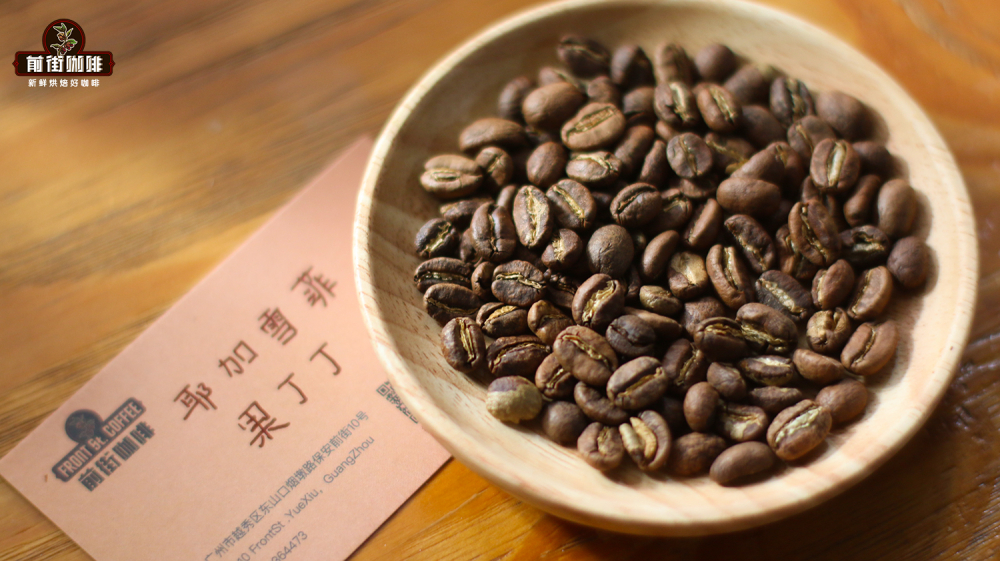
After gaining a deeper understanding of the flavor wheel, we can categorize common flavor descriptions into several major types, including floral (e.g., rose, jasmine), fruity (e.g., citrus, berries), nutty and cocoa (e.g., roasted almonds, dark chocolate), as well as spicy and fermented aromas. For example,Yirgacheffe Kochere washedoften exhibits bright lemon and citrus acidity, with a honeyed aftertaste; whereasBrazilian Queen Estate coffee beansare known for their nutty and chocolatey aromas, with a balanced and smooth mouthfeel. In addition, dark roast beans such as Honduran Sherry may present complex flavors of whiskey, berries, and dark chocolate, with a long-lasting and layered finish.
To train yourself to discern these subtle flavors, it’s recommended to build a “flavor memory bank” in daily life: carefully taste fruits, flowers, and spices, record their aromatic and taste characteristics, and then make associations with the descriptions in the flavor wheel. Although commercial aroma kits can provide standardized training, memories built from real-life experiences are often more comprehensive and profound. By consistently smelling, tasting, recording, and comparing, your coffee sensory skills will gradually improve, allowing you to further enjoy the endless pleasures of pour over and tasting.









The above content is compiled by CoffeeHunters, a coffee news website.


