








Introduction:The taste of coffee is inseparable from temperature, and the flavor profile experienced can vary greatly at different temperatures. This article delves into the flavor transitions of coffee from hot to cold, analyzes the ideal drinking temperature ranges for pour over and espresso, and explains why reheating may affect the drinking experience. Mastering these details allows you to more fully enjoy the unique charm of each cup of coffee.
Temperature has a profound impact on the taste experience of coffee— the same cup of coffee can present a completely different flavor profile at different temperatures. Whether it’s a rich espresso or a delicate pour over, mastering the appropriate drinking temperature is essential to fully appreciate its layered changes.
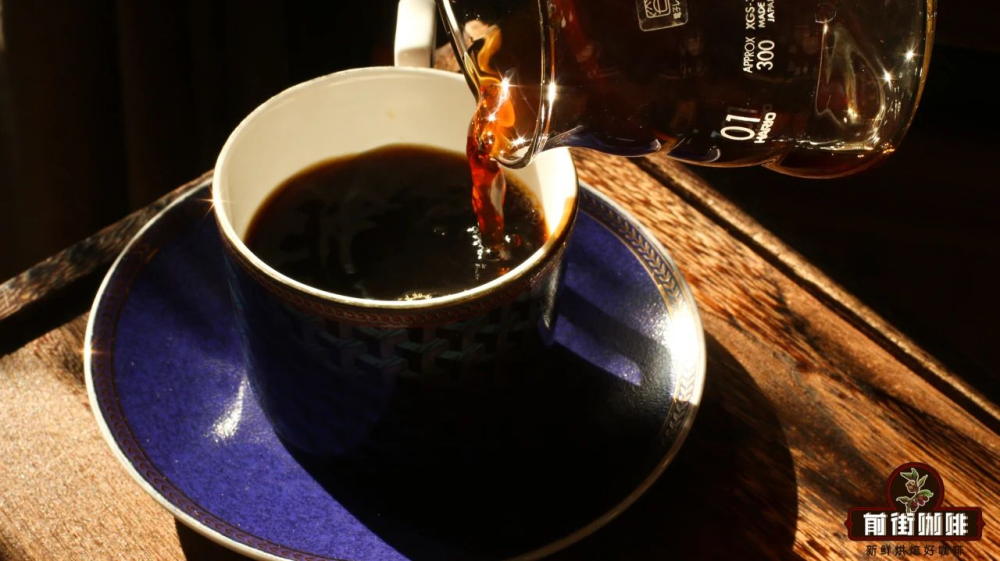
Temperature is one of the key factors influencing flavor perception, which can be clearly felt even in carbonated beverages. For example, cola taken straight from the fridge produces a sharp, carbonic burst in the mouth that contrasts sharply with the flat sweetness when consumed at room temperature. The same applies to coffee—temperature changes directly affect aroma release and taste sensitivity.

Based on experience, the optimal drinking temperature range for coffee is approximately 50–60°C. At this range, it avoids scalding while fully showcasing the aroma. The hot stage emphasizes aroma and temperature sensation, the warm stage highlights flavor layers, and the cold stage tests the intrinsic quality and technical processing of the coffee. Research indicates that human taste buds are most sensitive at 20°C–35°C, with flavor discrimination ability significantly enhanced near body temperature.

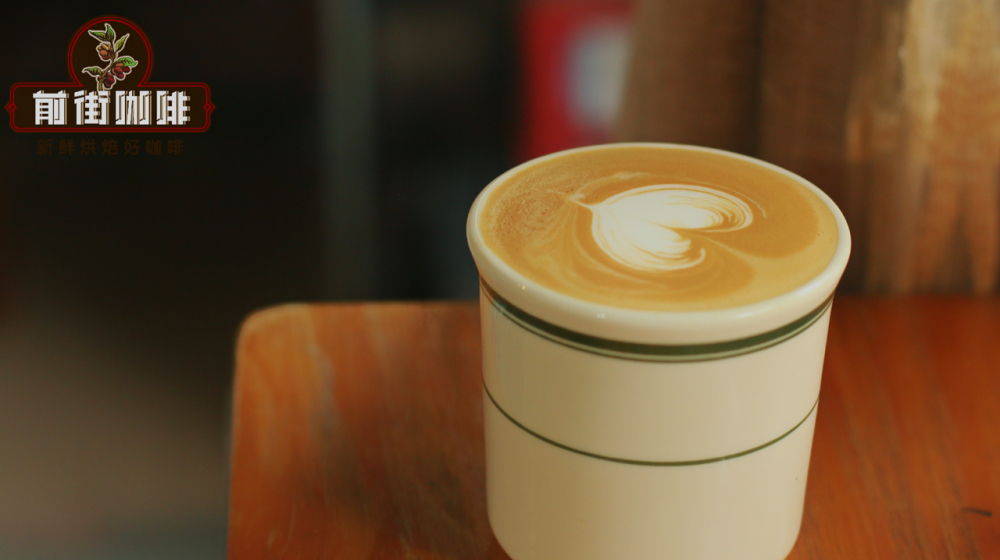
Milk-based coffee drinks such as cappuccino, latte, and flat white typically have milk heated to 55°C–62°C during preparation. This temperature range maximizes the sweetness of the milk and achieves an ideal balance with the coffee. It is recommended to keep the drinking temperature no lower than 45°C, and ideally consume within 10 minutes. If left too long, the fats and proteins in the milk may deteriorate due to temperature fluctuations, leading to a prominent milkiness that masks the original coffee aroma and significantly diminishes the overall taste.
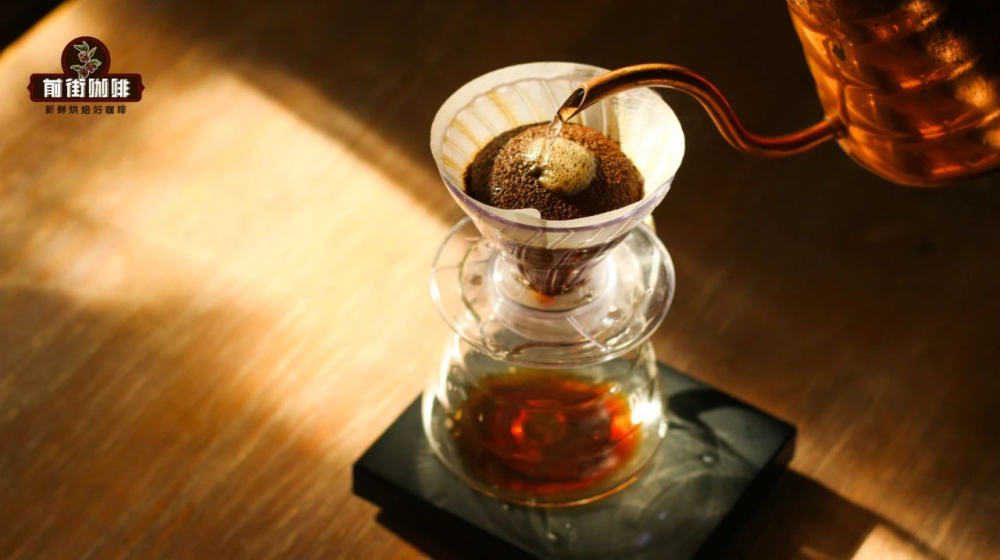
The brewing water temperature for pour over coffee is generally set between 88°C–92°C, with the actual brewed coffee liquid temperature being around 65°C–75°C. The water temperature gradually decreases during brewing, so it is recommended to control the brewing water temperature within the 87°C–93°C range. Note that lighter roasted beans suit higher temperatures, whereas darker roasts require lower temperatures. Water temperatures exceeding 95°C can easily extract excessive burnt and bitter substances, while temperatures below 85°C may result in under-extraction, affecting flavor completeness.

Practical test data shows that in a 26°C room environment, coffee brewed with 92°C water will cool to around 65°C after about two minutes. At this point, you can first take a subtle sniff of the coffee’s aroma, then take a small sip, allowing the coffee liquid to evenly contact the tongue to feel the balance of acidity, sweetness, and bitterness along with its rich texture, and finally swallow to appreciate the aftertaste. At different temperatures, coffee may exhibit diverse expressions such as fruitiness, floral notes, herbal tones, or nutty flavors.
Regarding whether cooled coffee can be reheated, it is generally not recommended. The heating process can destroy the original flavor structure of the coffee, leading to a deterioration in taste. If the coffee has cooled to room temperature, it is suggested to directly enjoy the transformed acidity after cooling—it may sometimes highlight sweetness and reveal different flavor dimensions.

Research from the University of Texas in the United States shows that subjects generally consider 58°C (about 136°F) to be the most suitable drinking temperature for coffee. If you prefer a richer layering of flavors, you can wait until the temperature drops to 50°C–55°C, at which point flavor details become more pronounced, especially suitable for flavor-forward beans such as Yirgacheffe. However, note that tannic acids released during cooling may make the coffee more acidic, and overly low temperatures may render the acidity sharp and unpleasant.
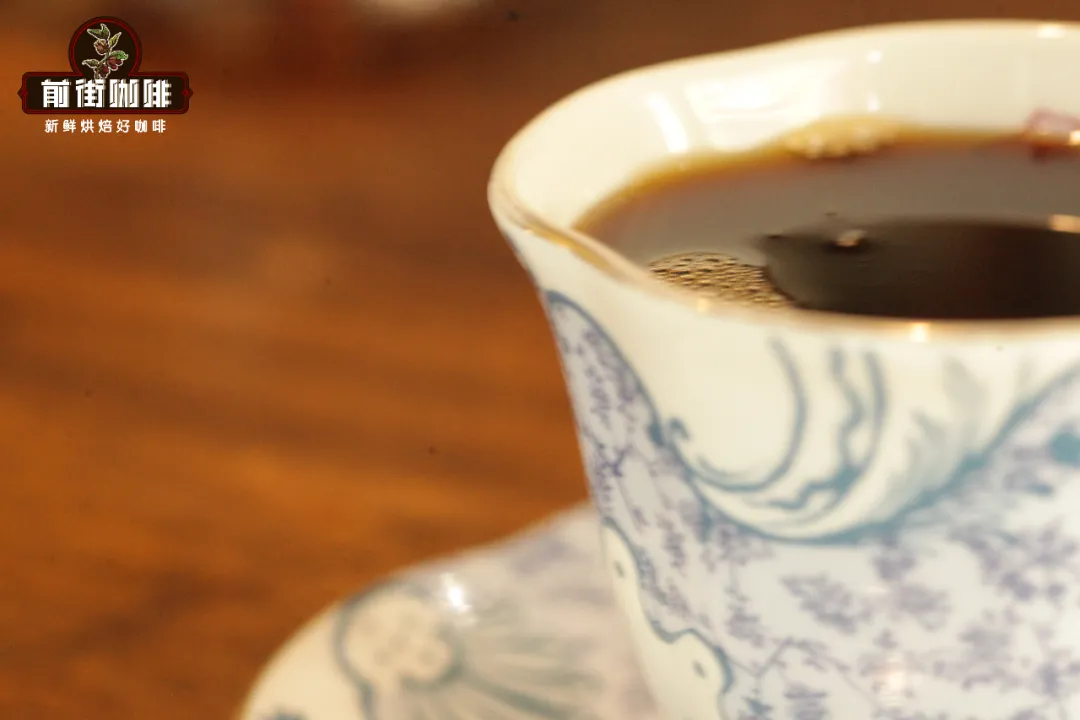
To improve the taste of cooled coffee, you can try adding ice cubes—the low temperature can suppress the expression of some undesirable flavors. Whether hot or iced, grasping the optimal drinking moment is key to fully experiencing the essence of coffee.
In summary, the true meaning of "drinking while hot" lies in experiencing the flavor evolution of coffee from high to low temperatures, rather than rushing to finish it in one go. By observing the changes in taste at different temperatures, you can better appreciate the unique character of each coffee—this is the deeper joy of coffee tasting.

The above content is compiled by CoffeeHunters, a coffee news website.


