








Introduction:The processing method of coffee beans is one of the core factors that influence flavor. Sun-dried (natural) and washed are the two most common traditional techniques. This article delves into the step-by-step differences between the two methods—from drying time, fermentation levels to final flavor profiles—to explain why washed beans taste clean and bright, while sun-dried beans offer a rich and layered cup. It also provides practical brewing parameters and flavor comparisons to help you choose the right process based on your taste preference.
Recently, many coffee enthusiasts have noticed that翡翠庄园·钻石山 (Feicui Estate · Diamond Mountain) is available in both sun-dried and washed versions on the market, sparking plenty of discussion: "What’s the difference between the sun-dried and washed versions of beans from the same Diamond Mountain region?" In fact, these two processing methods not only differ greatly in technique but also yield distinctly different flavor profiles. This article takes翡翠庄园·钻石山 as an example to comprehensively analyze the differences between sun-dried and washed processes—from processing steps and fermentation characteristics to actual brewing performance.
Let’s start withthe processing workflow.The sun-dried process can be considered the most traditional method, and its steps are relatively simple. After harvesting, the coffee cherries are spread out directly on drying beds or the ground, and gradually dehydrated through sun exposure. This process requires close monitoring of moisture content and typically lasts more than two weeks, until the pulp and parchment layers are completely dry and hardened. Finally, a hulling machine removes the outer layers, leaving the green coffee beans inside. The most distinctive feature of this technique is that it retains the entire fruit flesh and mucilage, allowing natural fermentation during the drying period, which imparts a richer fruity aroma and complexity to the coffee.
In contrast,the washed process involves more complex steps..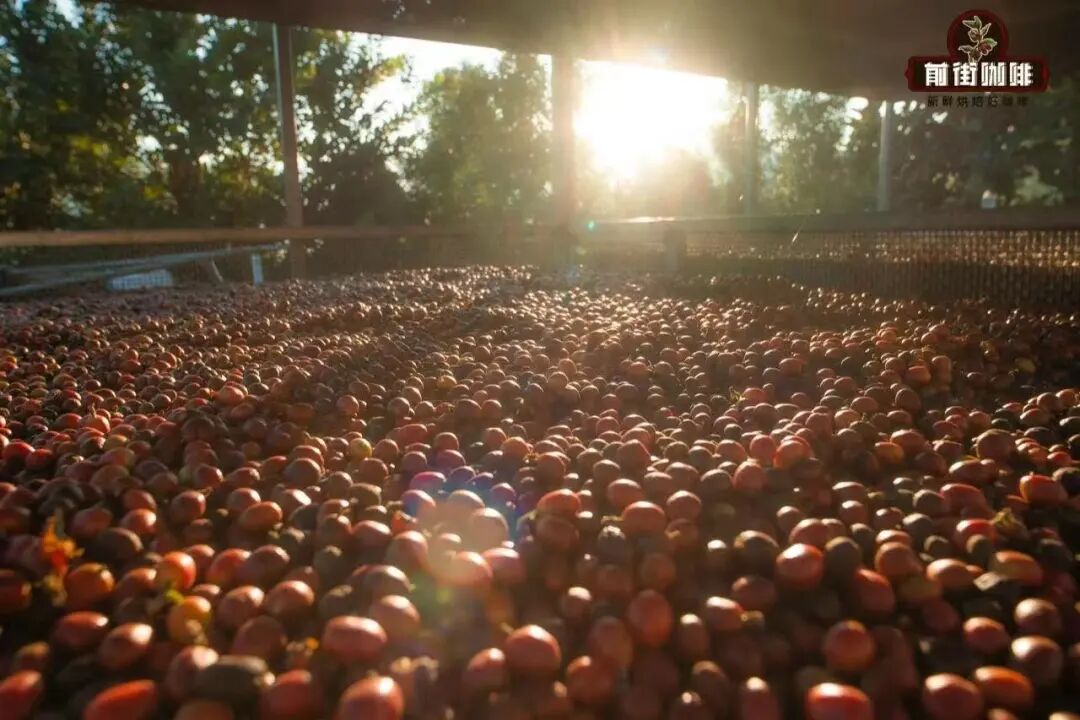 First, the coffee cherries are soaked in water, where unripe or defective beans are screened out using buoyancy principles. Then, a pulper removes the outer fruit flesh, exposing the beans covered in mucilage. These beans then enter a fermentation tank, where microorganisms break down the slippery mucilage layer. This stage requires strict control of water temperature and time to avoid over-fermentation and off-flavors. After the mucilage is removed, the beans are rinsed with clean water and finally moved to a drying area for about 10–14 days of sun drying. The advantage of the washed method is that it allows precise control over fermentation levels, resulting in a cleaner, brighter acidity and more straightforward flavor.
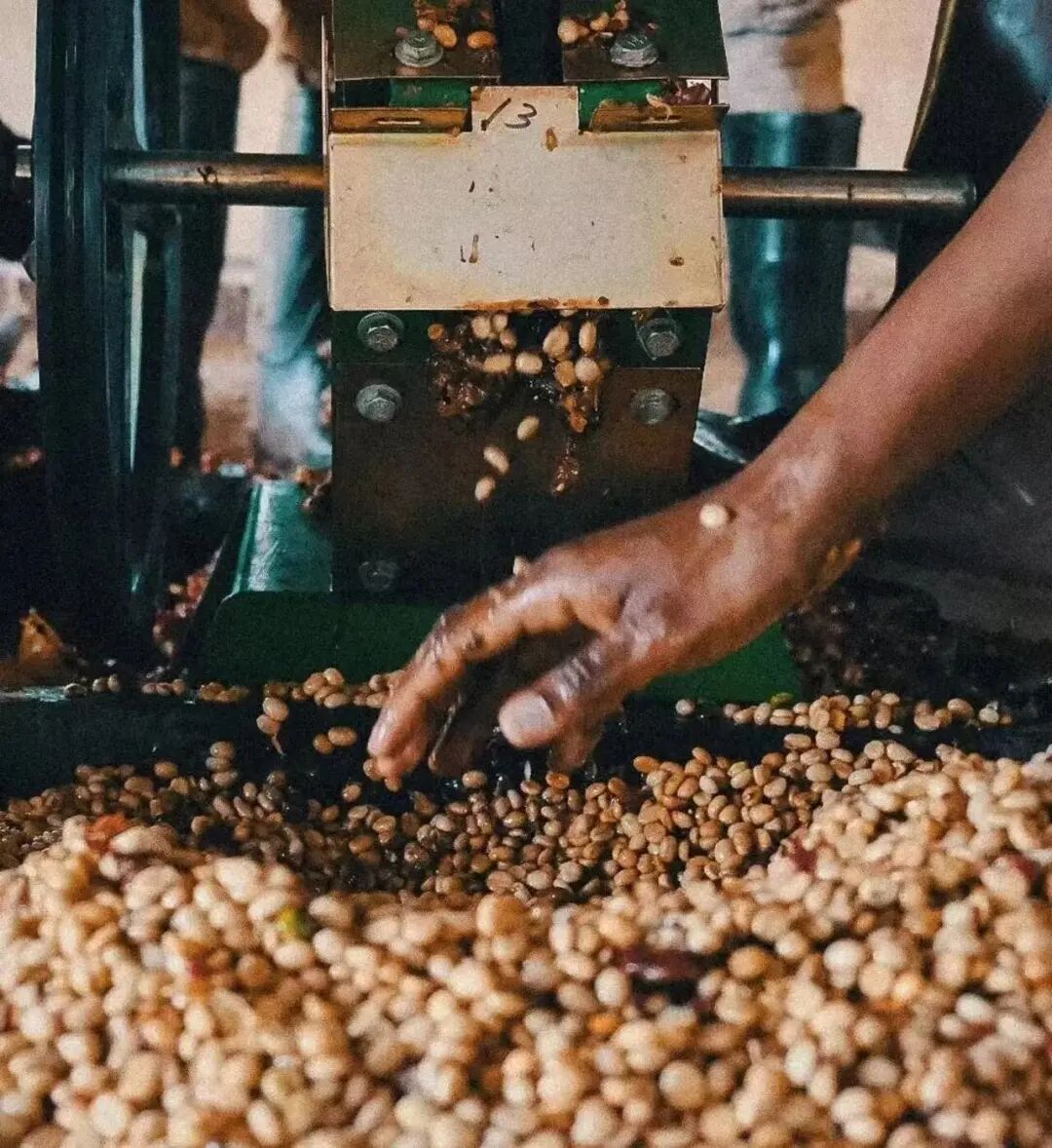 From the differences in processing techniques, it’s clear that the washed method, by removing the fruit flesh and mucilage early on, significantly shortens the overall drying time and results in lower fermentation levels. Meanwhile, the sun-dried method allows the mucilage to decompose slowly under the sun, leading to more thorough fermentation—this is the key reason for the divergence in their flavor profiles. So how do they actually taste? We conducted a comparative test using the same roast level of翡翠庄园·钻石山.
Brewing parameters were set as follows: 15g of coffee, grind size equivalent to EK43 at setting 10 (80% passing through a #20 sieve, similar to fine sugar), brew ratio 1:15, water temperature 92°C, using a V60 dripper with a three-pour extraction method, for a total brew time of around 2 minutes. The results showed that the sun-dried version had a more three-dimensional flavor profile—upon tasting, you’re greeted with bright notes of citrus, persimmon, and berries. The mid-palate reveals a honey-like creamy body, and the finish carries hints of cocoa and gently fermented sweetness. As the cup cools, the sweetness becomes even more pronounced, with excellent overall balance.
The washed version, on the other hand, showcases a completely different character: The first sip reveals crisp acidity reminiscent of grapefruit and lemon, accompanied by delicate floral notes, with a silky smooth and clean mouthfeel. The finish transitions into a green tea-like elegance and a hint of cocoa bitterness, delivering the classic combination of "bright acidity + refreshing fruitiness," much like sipping a premium fruit-infused green tea.
Why is the difference so pronounced? The sun-dried process retains the complete fruit flesh and mucilage layers. During drying, sugars continue to ferment, not only lengthening the process (usually taking 2–3 weeks) but also generating multi-layered flavor compounds. The prolonged sun exposure also facilitates unique enzymatic reactions, forming distinctive fermented aromas. In contrast, the washed method removes the mucilage early, significantly reducing fermentation time (about 24–72 hours), thus highlighting the intrinsic qualities of the coffee bean itself. The resulting acidity is sharper and clearer, with a relatively simpler flavor profile.
It’s worth noting, that although both are medium-light roasts, the washed version often has more pronounced acidity. This is related to the roasting strategy—to emphasize its fruity and floral characteristics, washed beans are usually roasted slightly lighter. In fact, the degree of roasting has a far greater impact on acidity than the processing method itself: the deeper the roast, the stronger the caramelization, and the acidity will be balanced by sweetness and bitterness; conversely, lighter roasts preserve more organic acids, making the coffee taste more "vibrant."
In summary, the sun-dried and washed processing methods each have their own aesthetic appeal. The former is ideal for those who enjoy complex fruit aromas and a fuller body, while the latter caters to those seeking clean, bright acidity and a refreshing flavor. We recommend choosing based on your daily taste preferences: opt for the bright acidity of washed beans when you need a morning pick-me-up, and savor the sweet complexity of sun-dried beans in the afternoon. Most importantly, understanding the principles behind these techniques will help you more accurately select the coffee experience that suits your personal taste.


The above content is compiled by CoffeeHunters, a coffee news website.

