







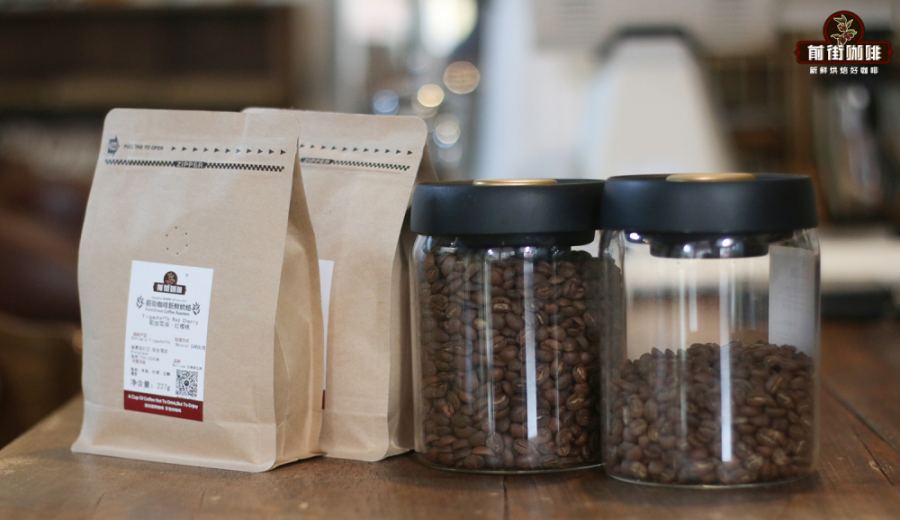
Introduction:When first getting into pour over coffee, many people often feel puzzled about choosing coffee beans. This article delves into the characteristics of classic beans from major producing regions such as Africa, Asia, and the Americas—from Ethiopia’s Yirgacheffe to Panama’s Geisha—detailing the flavor profiles of each region and the recommended brewing methods. It also provides practical reference points for water temperature, grind size, and coffee-to-water ratio, helping readers develop their own pour over flavor preferences.
A common issue many beginners face when starting with pour over coffee is: which coffee bean should I choose? There is a wide variety of beans on the market, with differences in origin, variety, processing method, and roast level, often leaving newcomers unsure where to begin. In fact, by mastering the flavor characteristics and basic brewing parameters of the major coffee regions, you can quickly find beans that suit your personal taste.
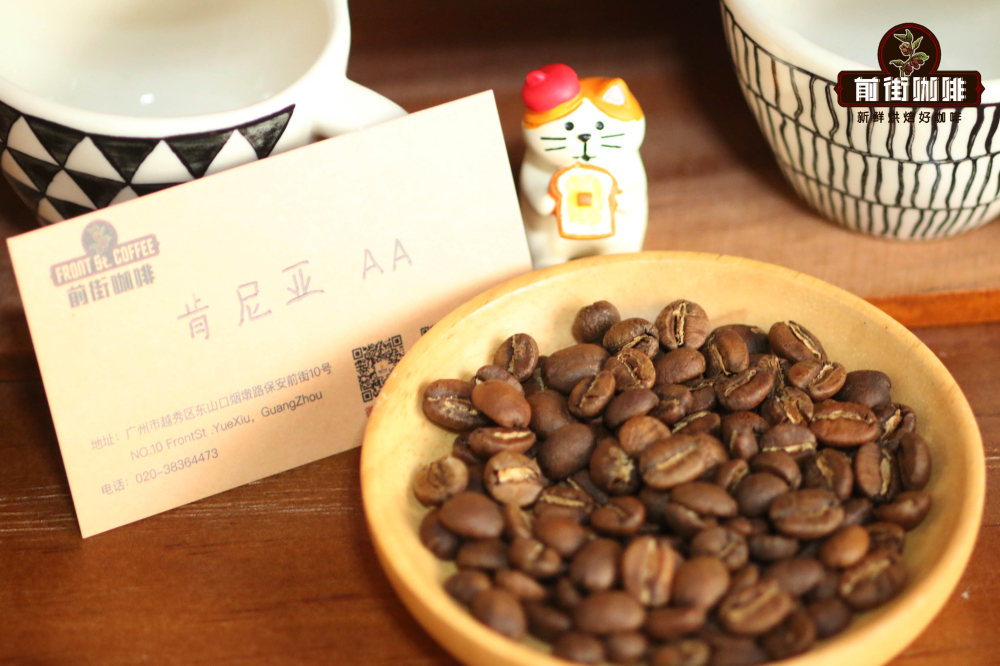
[Africa Region]Represented by Ethiopia Yirgacheffe, this">classic washed coffeefeatures bright citrus acidity, delicate floral notes, and a tea-like body, with its unique refined flavors shaped by the high-altitude environment of 2000–2100 meters above sea level. Kenyan coffee, on the other hand, is known for its SL28 and SL34 varieties,">processed using the K72 washed method, giving it intense blackberry acidity and rich layers, making it ideal for drinkers who enjoy pronounced fruit acids.
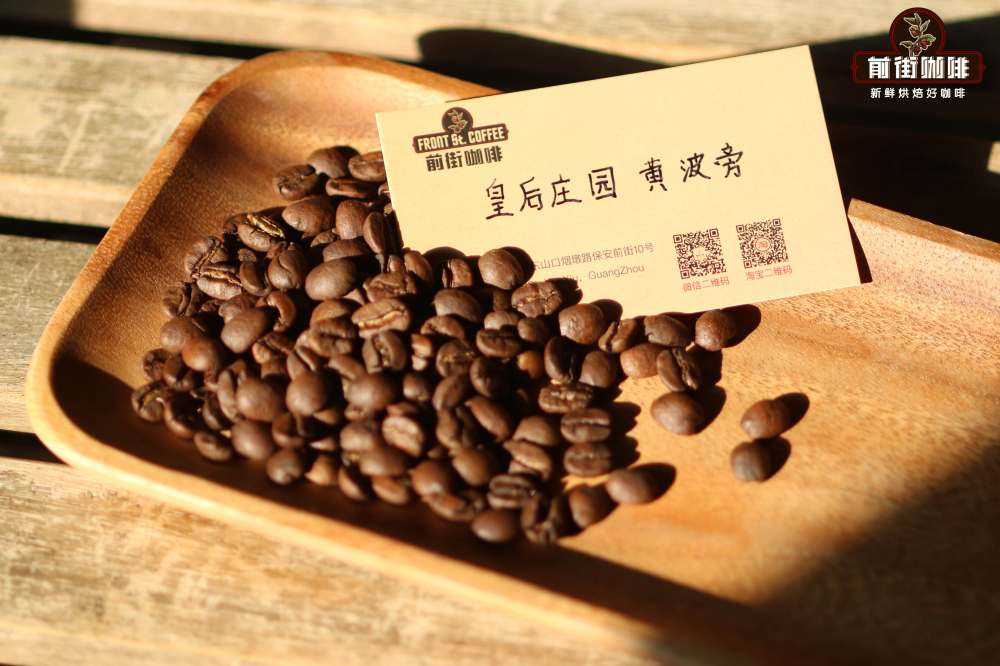
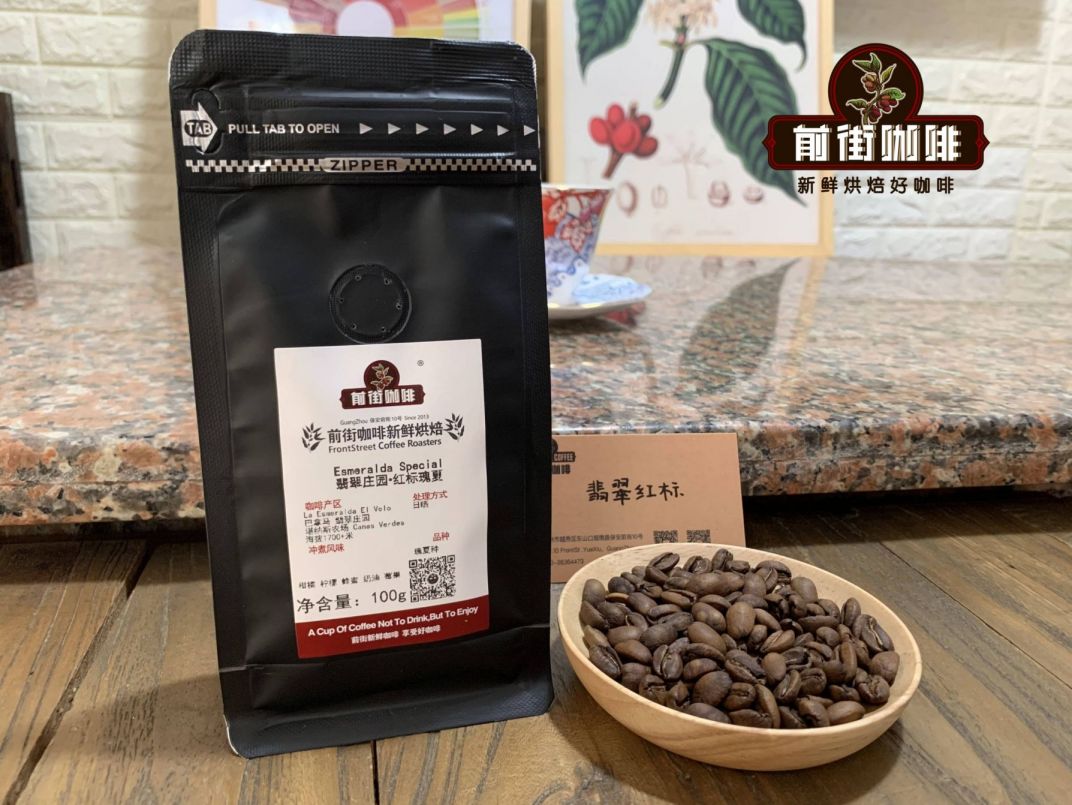
[Americas Region]Brazilian coffee is known for being low in acidity and full-bodied,">the Queen Estate Yellow Bourbon, with its natural (sun-dried) process, offers nutty and caramel sweetness, making it suitable for beginners who prefer less intense acidity. Panamanian Geisha coffee represents the other end of the spectrum,">the Emerald Estate Red Label Geisha, grown in high-altitude conditions, showcases complex aromas of jasmine, honey, and berries.
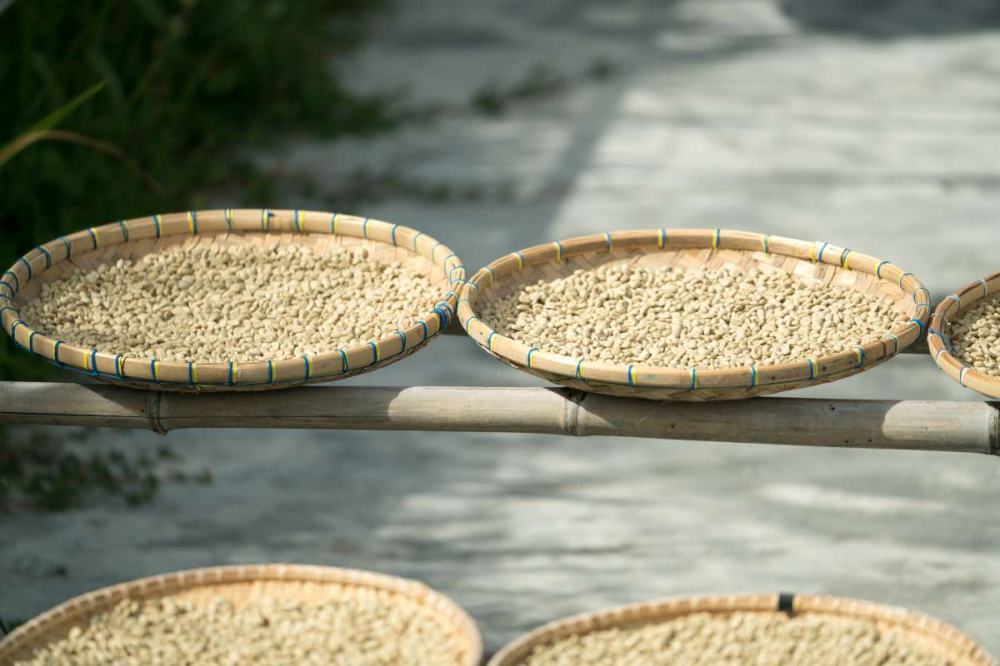
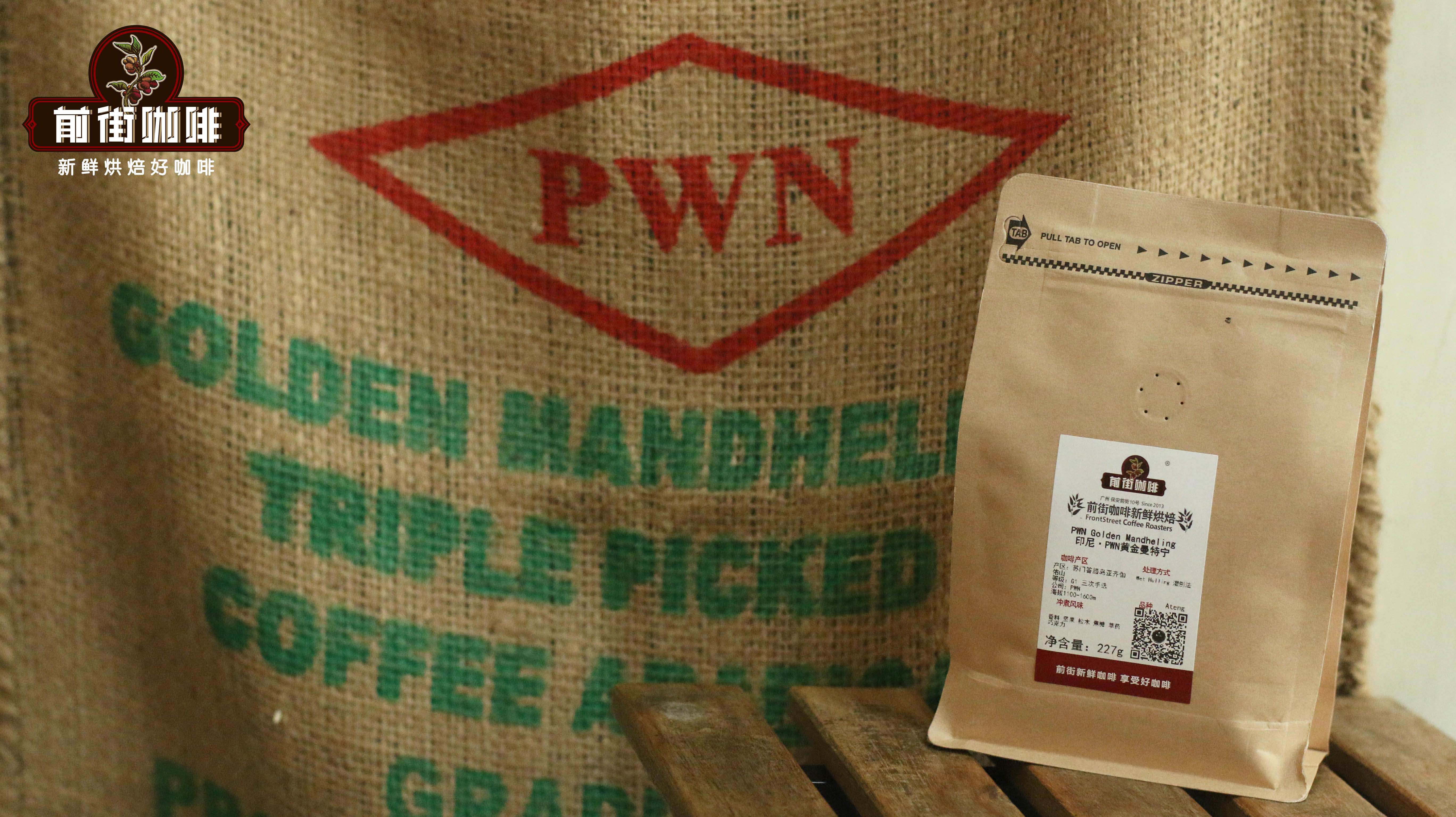
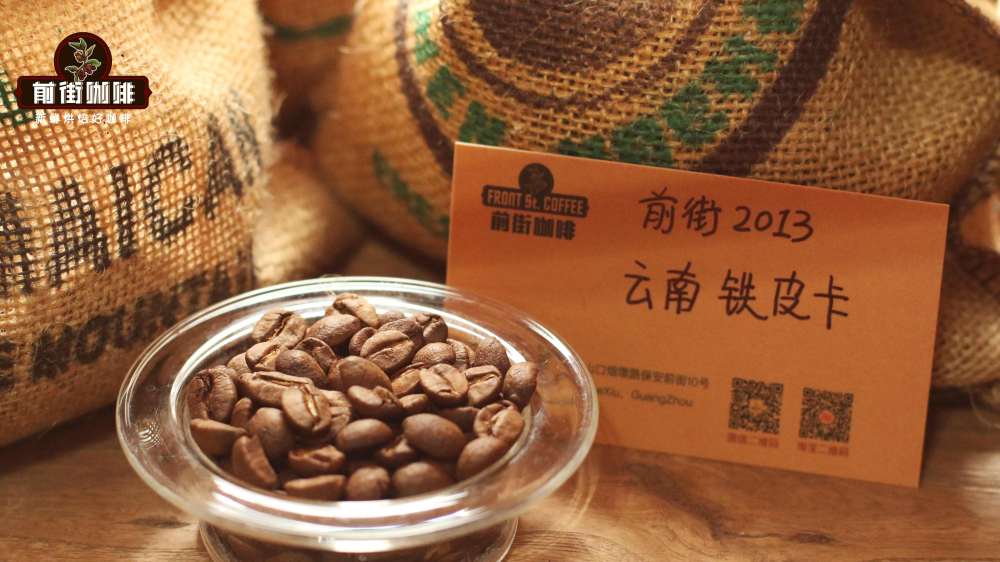
[Asia Region]Indonesia’s Sumatra region produces">Lintong Mandheling, which uses the unique wet-hulled process to create a low-acid, thick-bodied cup with herbal and spicy characteristics. China’s Yunnan region mainly features">Typica variety, processed via sun-drying to bring out a mellow profile of berries and brown sugar, with steadily improving quality in recent years.
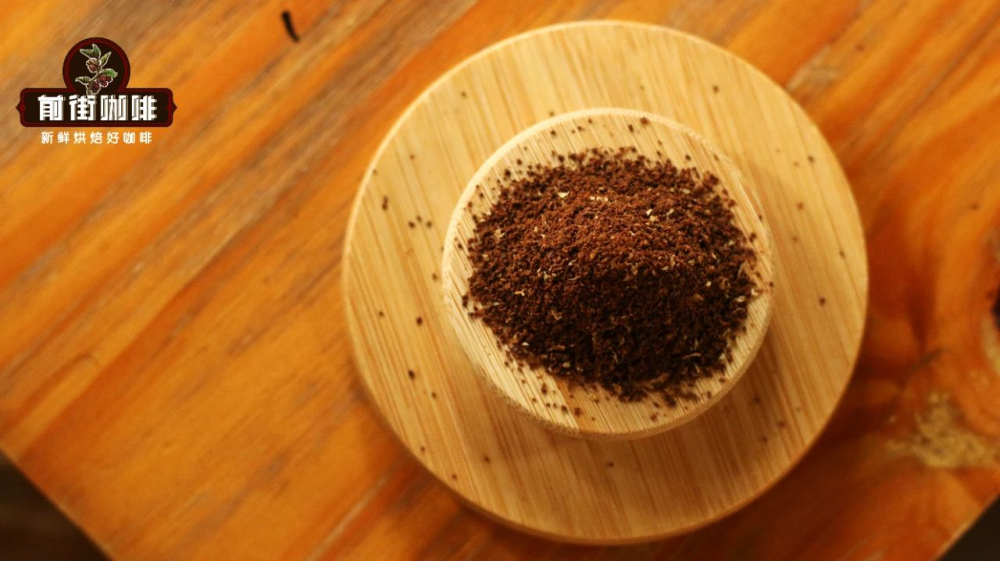
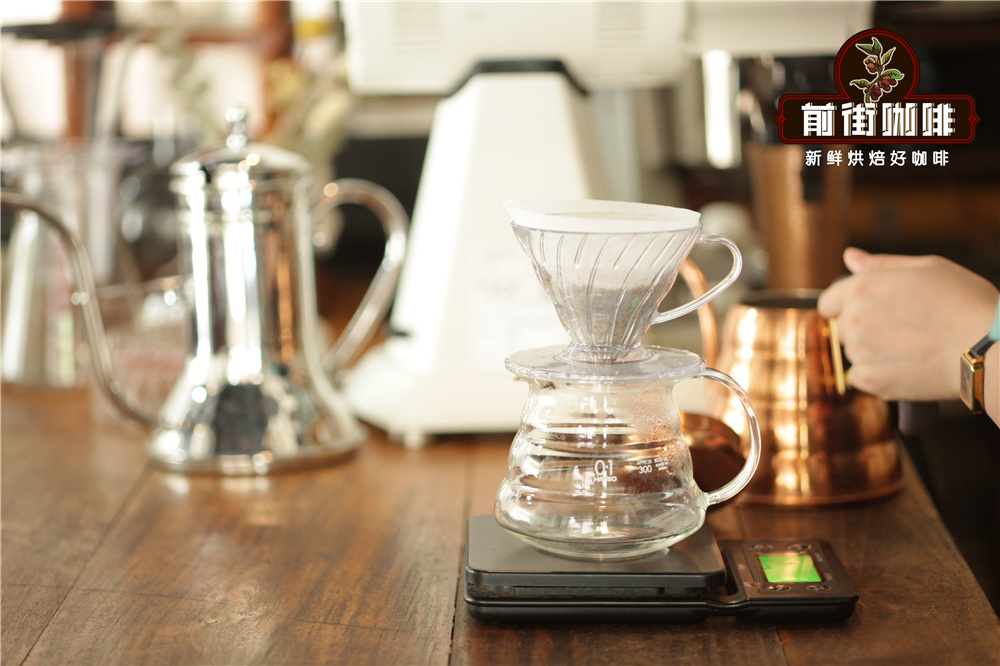
When selecting pour over coffee beans, it's important to also consider">water quality managementand brewing parameters. It is recommended to use filtered or mineral water, with water temperature controlled between 85–93°C. Grind size should aim for 70–80% extraction through a #20 sieve, and the coffee-to-water ratio is recommended at 1:15 to 1:16. Different beans from different regions may also suit different filter cones—lighter roasts are recommended for V60, while darker roasts can opt for the Kono cone for a fuller mouthfeel.
It’s particularly worth noting that">filter cone designcan significantly affect extraction results. Trapezoidal cones tend to have slower flow rates, which can build up a richer body but may lead to bitterness; conical cones have faster flow rates resulting in a cleaner, brighter cup. When actually brewing, it’s suggested to start with medium-light roasts to practice, gradually building the ability to discern flavors from different regions, and keeping records of each brew’s parameters and sensory experience to slowly refine your personal pour over flavor database.

The above content is compiled by CoffeeHunters, a coffee news website.

