







Introduction:Many coffee enthusiasts find the flavors of espresso blends captivating and are tempted to brew them using the pour over method. However, espresso beans are typically roasted darker, and using standard pour over parameters can easily lead to over-extraction. This article provides an in-depth analysis on how to adjust water temperature, grind size, and brewing techniques according to roast profiles, allowing you to achieve balanced and rich pour over coffee even with dark roasts like Strawberry Sugar Espresso, complete with tested parameters and tips.
Many coffee lovers have encountered this situation: after trying a certain espresso blend and being amazed by its flavor profile, they wonder, "Can I brew this espresso bean using the pour over method?" The answer is yes — although espresso beans are designed primarily for espresso machines, any coffee bean can showcase its unique characteristics through different brewing methods. The key lies in understanding the difference between “can be brewed” and “tastes good,” especially for darker roasted espresso beans, where brewing parameters must be adjusted to avoid over-extraction.
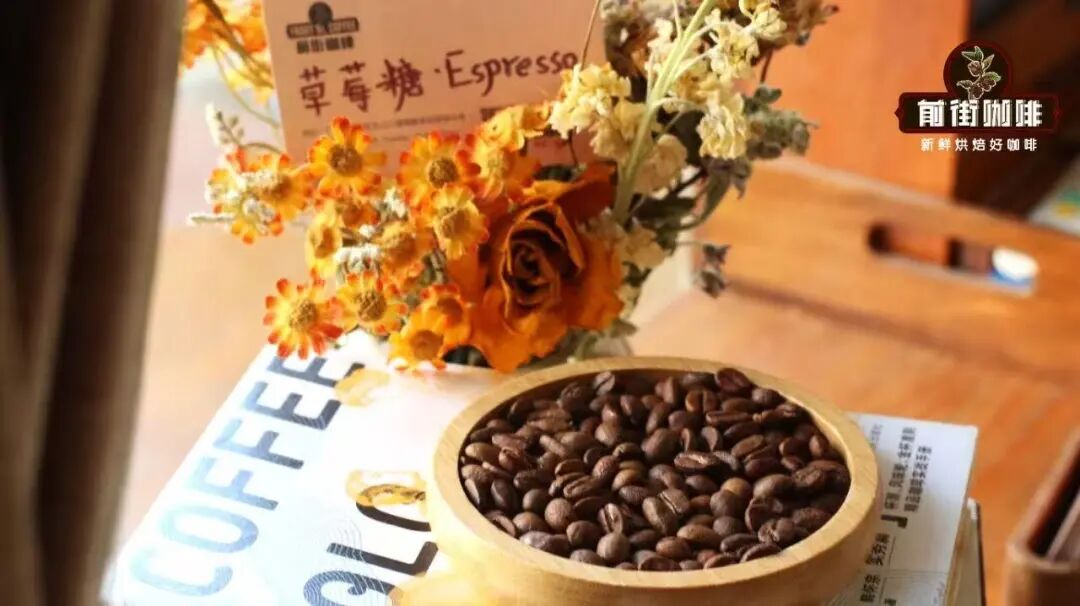
Generally speaking, commercial espresso beans (whether single-origin or blends) are roasted darker than those intended for pour over or French press. This difference mainly stems from the intended use of espresso: when coffee is paired with milk to make drinks like lattes or cappuccinos, a darker roast brings out sufficient caramel aroma and a rich body, preventing the flavors from being diluted by the large amount of milk. Especially for espresso shots, which are highly concentrated, lighter roasts may release too much acidity, potentially resulting in unpleasant sharp sour notes in the intense extraction, negatively affecting the drinking experience.
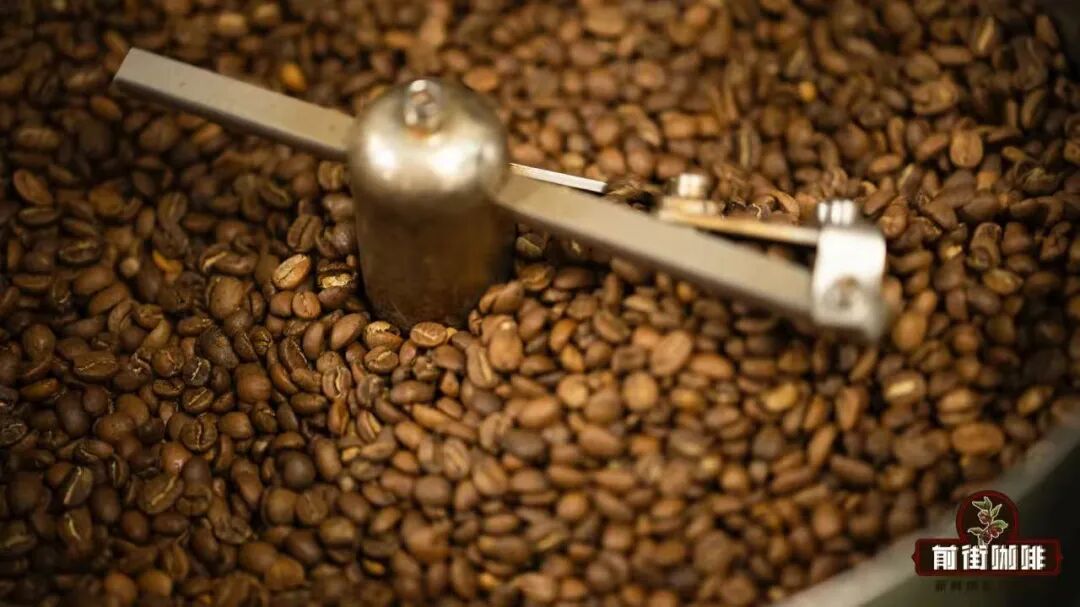
The advantage of dark roasts lies in balancing acidity and bitterness while enhancing roasted and sweet notes. During the roasting process, the fiber structure of the coffee bean changes, enabling it to withstand higher temperature extraction without releasing excessive acidic substances, while also developing warm tones like chocolate and caramel. These qualities complement the sweetness of milk. Therefore, whether it's a blend or a single-origin bean, if it’s planned for espresso extraction, roasters usually opt for a medium-dark to dark roast profile to ensure the coffee retains a clear flavor profile even when mixed with milk.
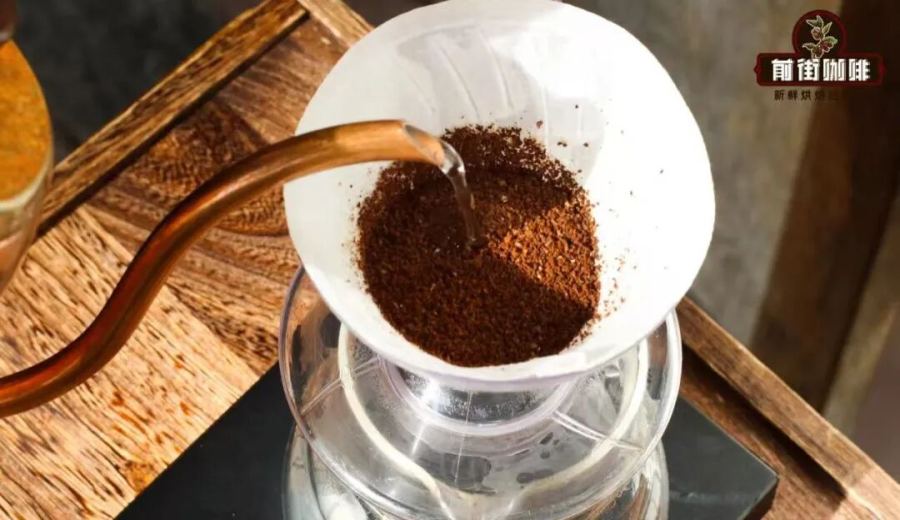
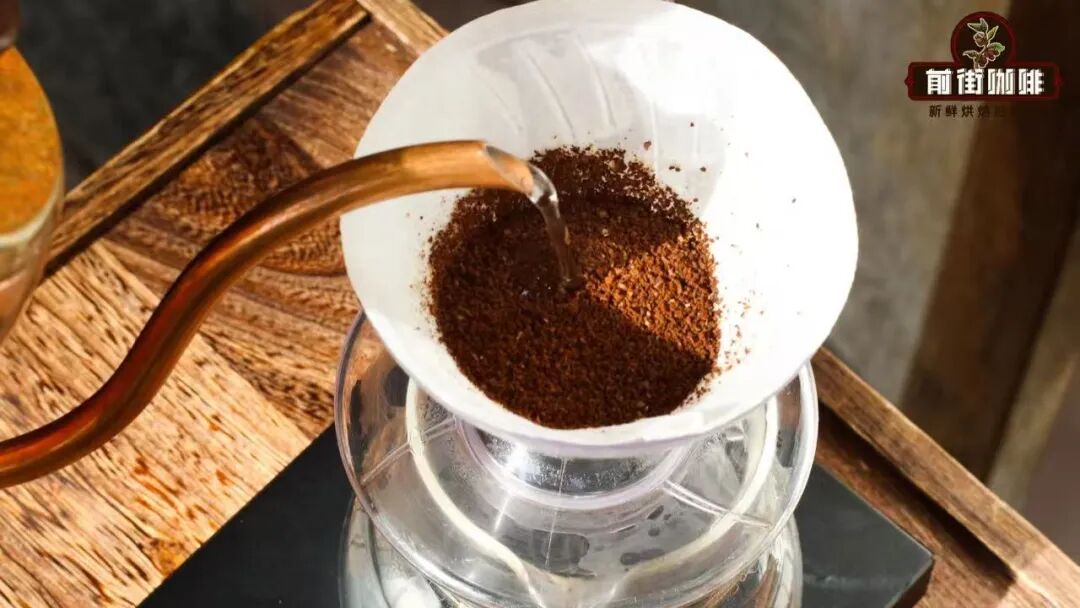
If you want to brew espresso beans using the pour over method and achieve good results, your primary task is to adjust the parameters based on roast level. Taking a common medium-dark roast espresso blend as an example, it is recommended to control the water temperature within88~90°Ca specific range, use a slightly coarser grind than usual pour over (such as a 20-mesh sieve70%~75%sieve passing rate), maintain a1:15brew ratio, and adopt a three-stage pouring method to extend the brewing time to2 minutes. This combination can effectively reduce the risk of over-extraction, making the rich texture and sweetness of dark roast beans more pronounced.
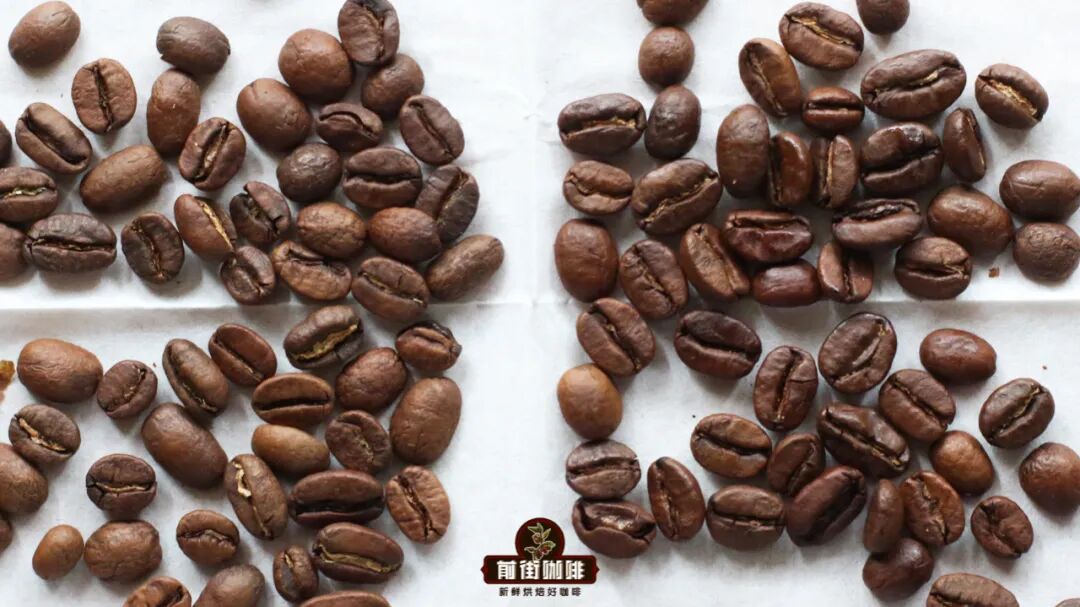
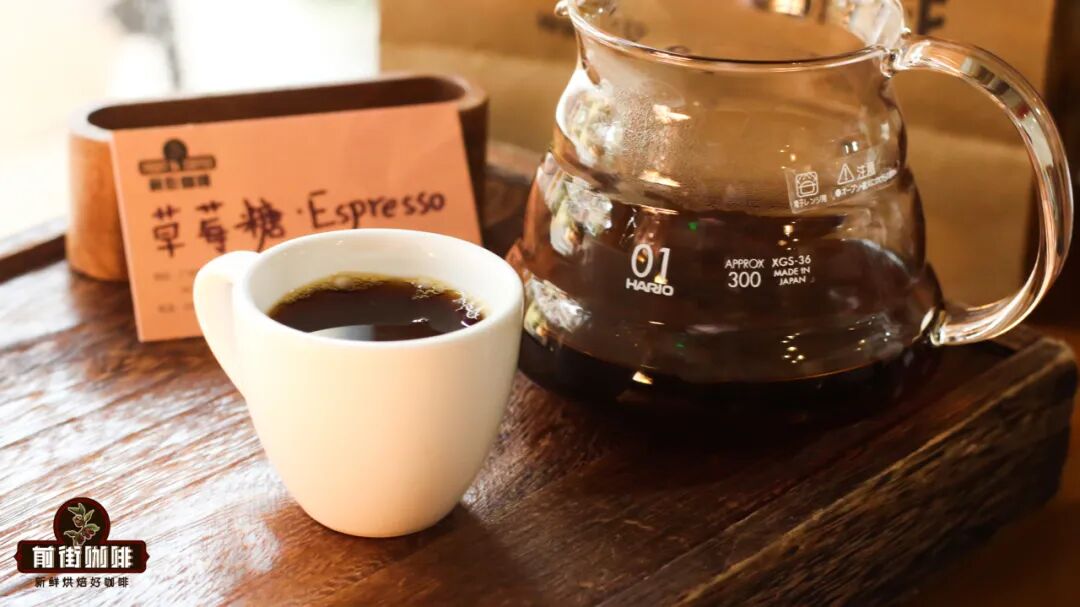
Practical tests show that the same blend (for example, a brand’s Strawberry Sugar Espresso) performs significantly differently under varying parameters. When usingwater temperatures between 88–90°C, a coarse grind with a 70%–75% sieve passing rate, and a 1:15 brew ratioin a three-stage pour over, it can bring out a rich foundation of cream and chocolate, accompanied by the fresh fruity notes of strawberry and blueberry, with a long-lasting aftertaste and a balanced acidity and bitterness. If a high temperature (e.g., 92°C) or a fine grind is mistakenly used, it may release excessive astringency and off-flavors.
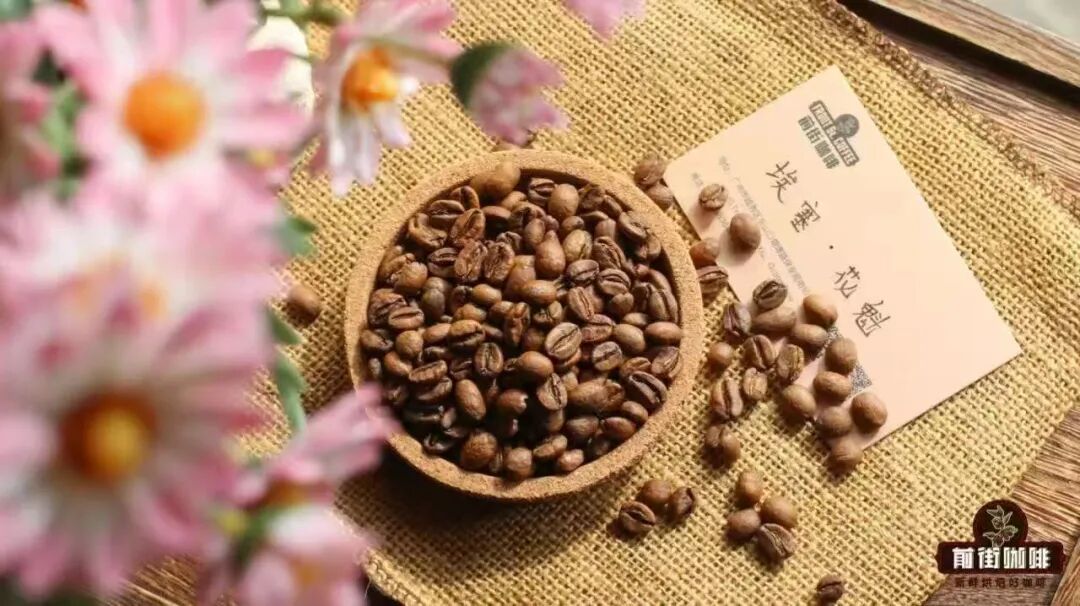
For medium-roast espresso single-origin beans (such as a medium-roast version of a brand’s Ethiopian Huikui), it is recommended to further fine-tune the parameters: reduce the water temperature to90°C, adjust the grind to a coarser setting of70%~75%(previously a 20-mesh sieve at 75%–80% needs correction), while maintaining the 1:15 brew ratio and 2-minute brewing time. This combination highlights the solid mouthfeel brought by the roast, with flavors shifting toward layers of chocolate and caramel, while still retaining some fruit notes, and the aftertaste is more lingering than that of lighter roasts.
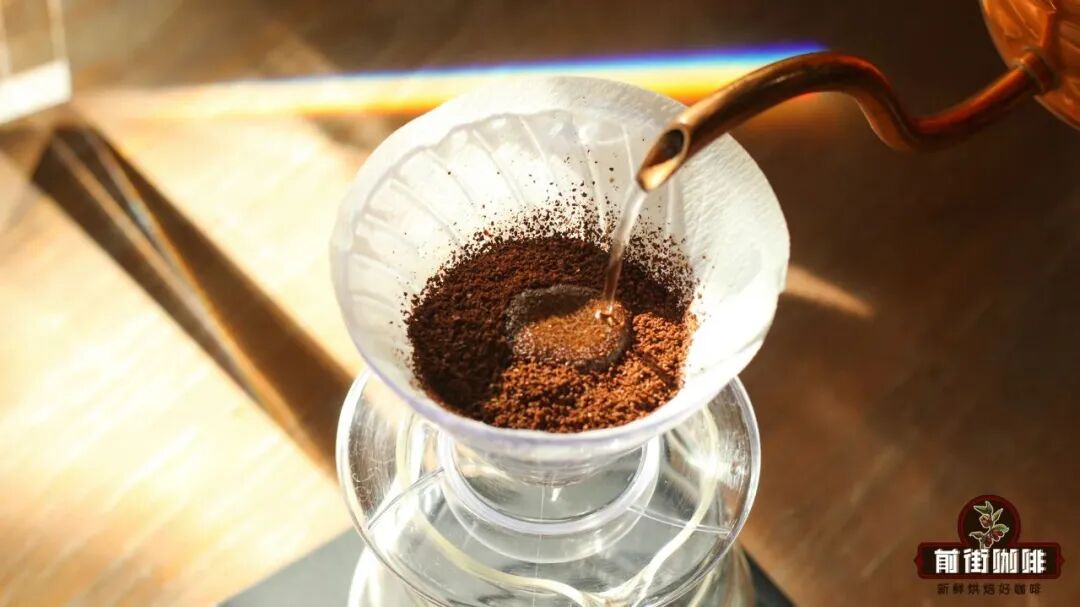
It’s worth noting that light roast beans (such as a light-roast version of a brand’s Ethiopian Huikui) and dark roast beans require completely different parameter settings. Light roast beans are denser and have more active acidity; they require a higher water temperature (92°C), a finer grind (20-mesh sieve at 75%–80% sieve passing rate), and a 1:15 brew ratio. Through a three-stage pouring method within2 minutes, it fully extracts berry, citrus, and oolong tea notes, presenting a clean, bright, and well-balanced acidity and sweetness. Applying these parameters to medium-dark roast beans will inevitably result in over-extraction and bitterness.

During operation, special attention should be paid to visually judging grind size: a 70%–75% sieve passing rate means about three-quarters of the coffee grounds can pass through a 20-mesh sieve, with the remaining particles being coarser, which can effectively reduce the surface area in contact with water, thereby controlling the extraction rate. It is recommended to use an electronic scale and timer to precisely manage the brew ratio and time, and observe the dripping speed — the ideal state should be a steady and continuous flow, avoiding being too fast (under-extracted) or too slow (over-extracted).
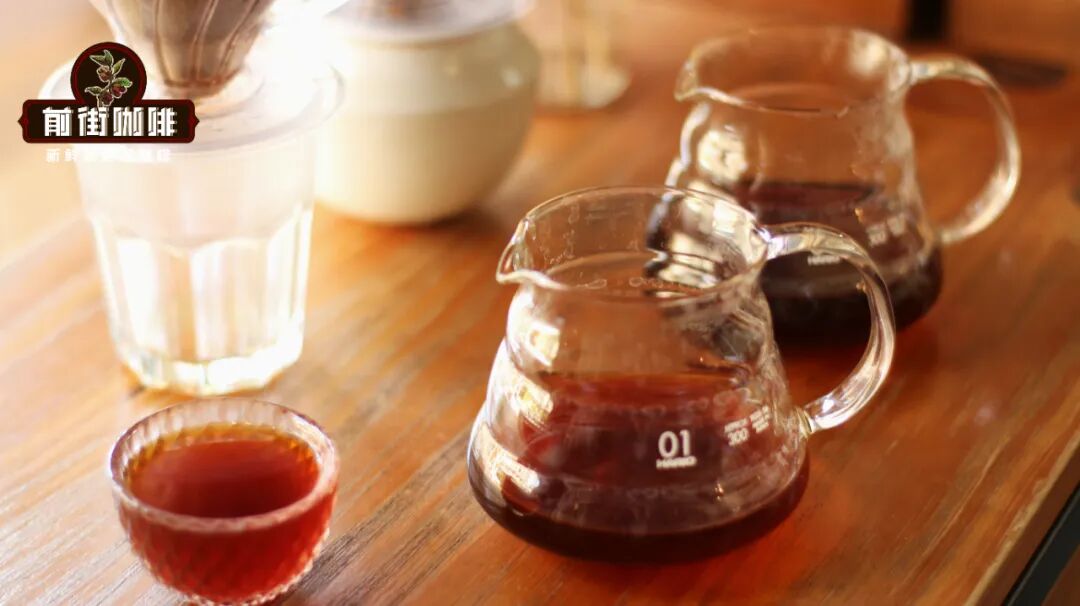
If you encounter extremely dark roasted espresso beans (such as very dark roasts close to French roast), in addition to adjusting the grind to a coarser level of20-mesh sieve at 60%–70%sieve passing rate, it’s even more necessary to reduce the water temperature to86~88°Ca specific range to prevent high temperatures from intensifying the release of off-flavors. Such beans usually have intense flavors but relatively simple layers, making them suitable for users who prefer a strong taste. It is recommended to pair them with milk-based beverages or enjoy them directly to appreciate their caramel and smoky characteristics.
The above content is compiled by CoffeeHunters, a coffee news website.

