







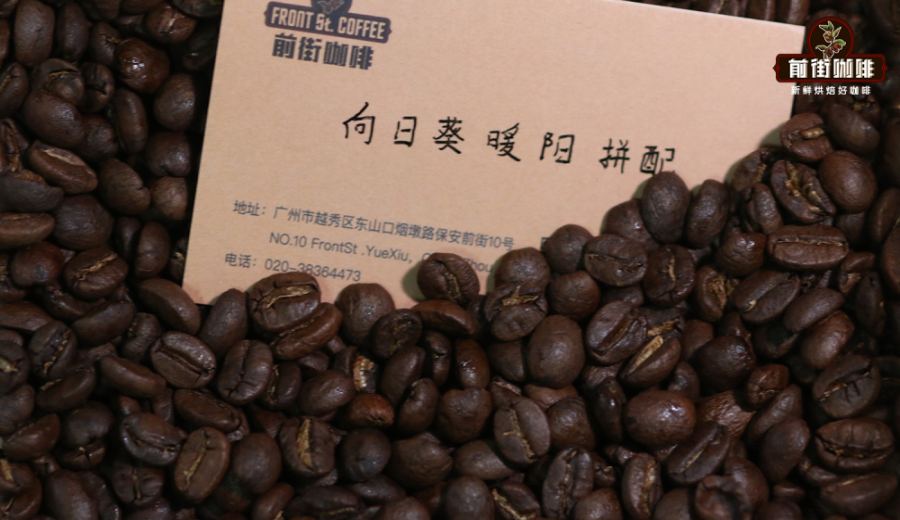
Introduction:SOE (Single Origin Espresso) has gained increasing popularity among coffee enthusiasts in recent years, but many still have questions about its flavor characteristics, how it differs from traditional blends, and whether it is truly “premium.” This article provides an in-depth analysis of the definition, roasting characteristics, extraction essentials, and flavor profile of SOE espresso, while also comparing its pros and cons with regular espresso blends. Practical extraction parameters and common FAQs are included to help you better understand this distinctly flavorful type of coffee.
With the widespread popularity of espresso, Single Origin Espresso (SOE) has gradually attracted market attention. More and more consumers are asking questions such as: “Can I choose a specific bean variety for espresso?” or “Is there an SOE espresso option available?” These inquiries reflect a growing demand for more personalized coffee flavor experiences.
What is SOE coffee?
SOE, short for “Single Origin Espresso,” refers to espresso made using coffee beans from a single origin or region. For example, if espresso is extracted using beans from Ethiopia’s Yirgacheffe region, it is considered an SOE. However, not all single-origin beans are suitable for SOE production, as the high-pressure extraction environment of an espresso machine tends to amplify the inherent flavor characteristics of the beans, which can sometimes result in overly sharp or unbalanced flavors.
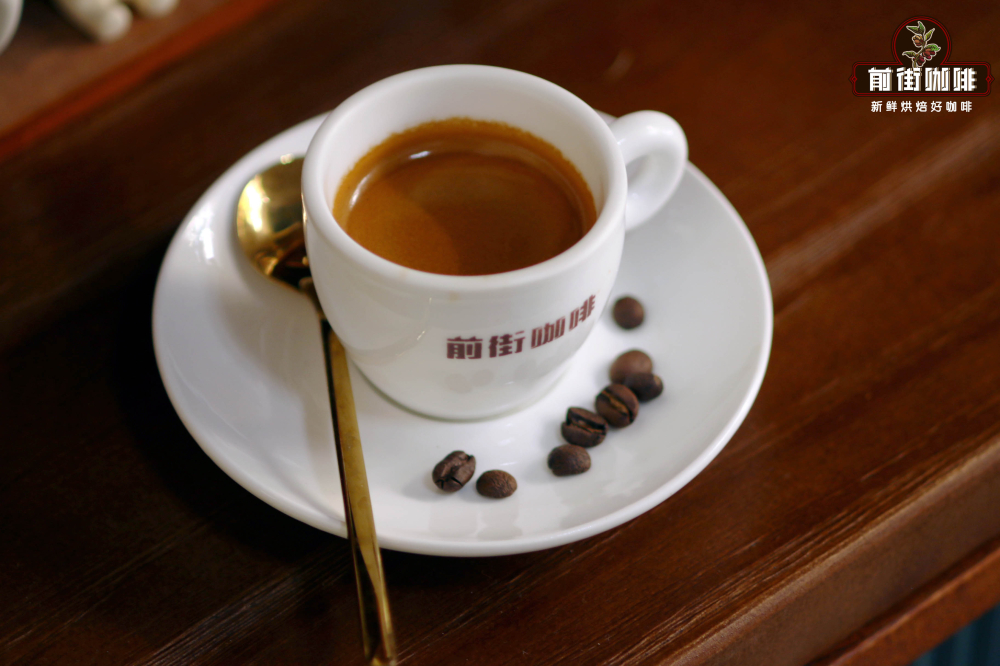
For instance, Yirgacheffe beans often exhibit bright citrus and lemon notes, which can become particularly pronounced when extracted with an espresso machine; whereas Indonesian Mandheling beans, with their herbal and earthy flavors, may taste heavy and burnt when brewed under high pressure. As a result, SOE coffee places higher demands on bean selection, roast level, and extraction techniques.
Roasting Differences Between SOE and Regular Espresso Blends
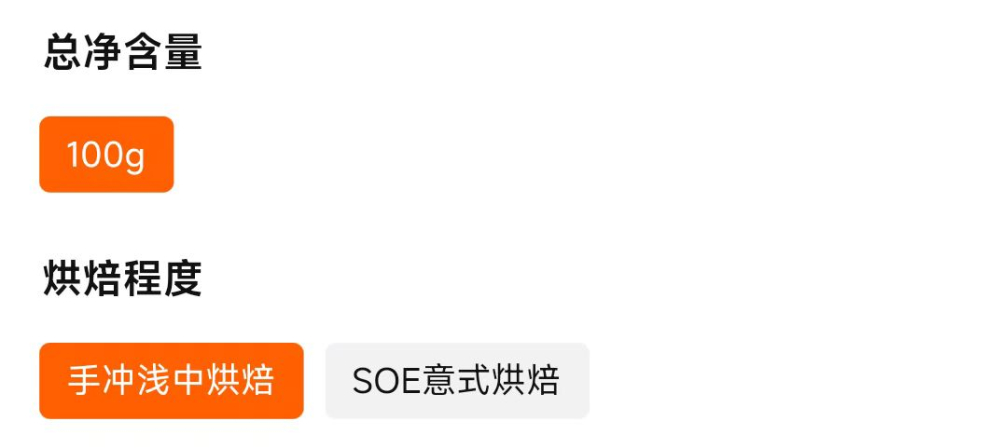
In terms of roasting style, SOE also differs from commonly used pour over single-origin beans. Light-roast beans that are typically suitable for pour over usually need to be adjusted to a medium-dark roast when used in an espresso machine, in order to avoid channeling and improve extraction stability. Conversely, beans that are too lightly roasted may suffer from uneven extraction due to insufficient water absorption under high pressure, negatively affecting the overall flavor.
Flavor Characteristics and Challenges of SOE Coffee
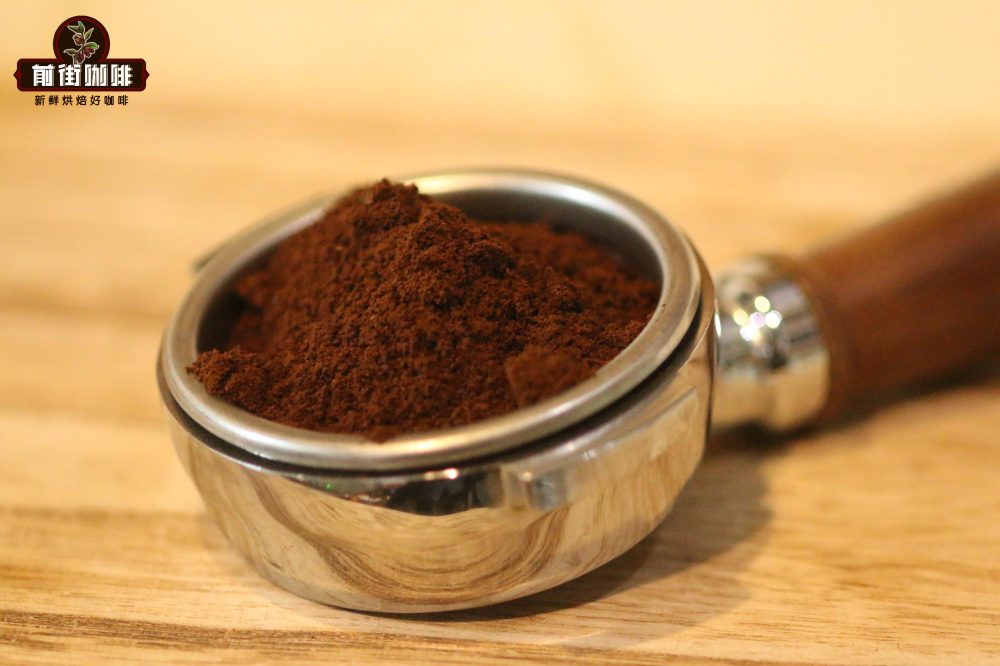
The flavor profile of SOE espresso is generally clearer than that of traditional dark-roast espresso blends, but it also demands greater precision in roasting and extraction. Because the characteristics of a single origin are more pronounced, roasting too dark can easily mask regional traits, while roasting too light may result in excessive acidity, leading to flavor imbalance and increased extraction difficulty. Additionally, SOE requires relatively higher barista skills, as parameters such as grind size, tamping pressure, and extraction time often need to be fine-tuned according to different beans.
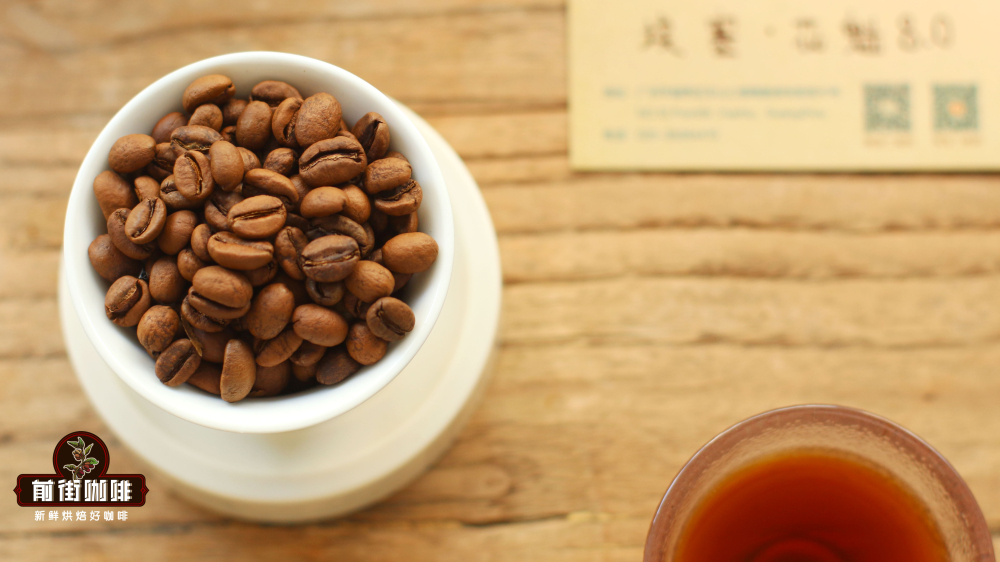
Since single-origin beans may exhibit subtle flavor variations between harvests due to factors such as weather, processing methods, or harvesting conditions, SOE coffee can be more challenging to maintain in terms of consistency. This is one of the reasons why some cafés choose not to offer SOE. However, when handled skillfully, SOE can showcase richly layered and representative regional flavors.
Advantages and Disadvantages of SOE Coffee
The greatest strength of SOE lies in its pure and well-defined flavors, which can vividly highlight the unique characteristics of a single origin—making it easier to identify its source and processing style compared to regular blends. However, its downside is its high sensitivity to roasting and extraction conditions; even minor deviations can amplify the beans’ flaws, resulting in subpar flavors.
Moreover, due to potential flavor variations between different batches of beans, the consistency of SOE output is generally not as reliable as that of carefully crafted espresso blends. Therefore, if you prioritize a consistent drinking experience, blends may be a more practical choice.
SOE Extraction Parameters and Practical Advice
Generally, the recommended extraction parameters for SOE espresso are: 20g of coffee grounds, 35g of espresso yield, with an extraction time of about 27 seconds. A grind setting around 1.9 on the Galileo grinder is a good reference. These parameters help balance flavor intensity and extraction evenness, highlighting citrus, berry, and fermented aromas, with bright acidity yet good body.
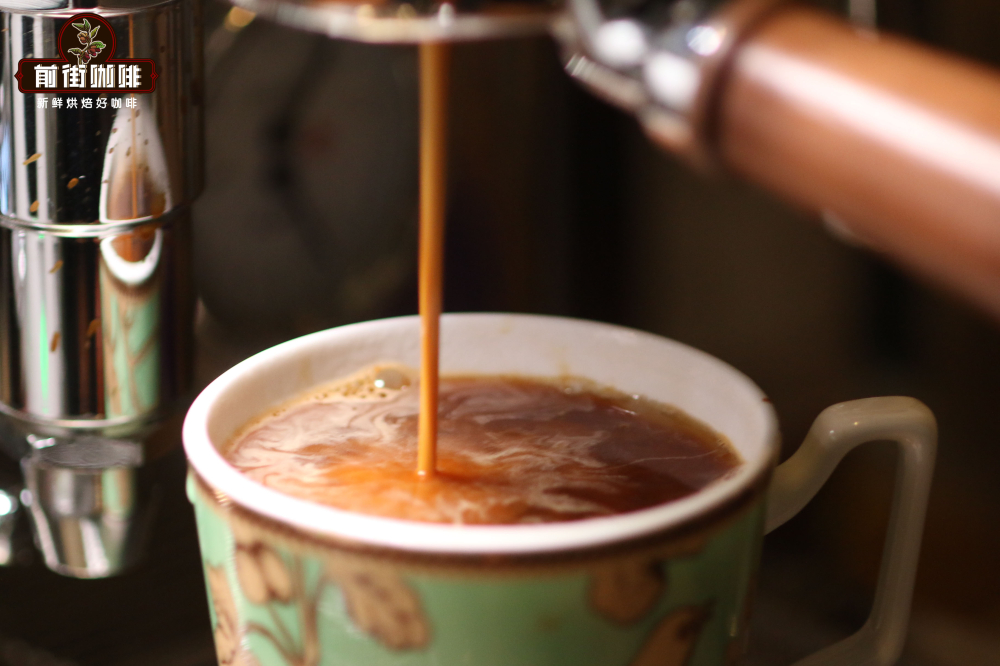
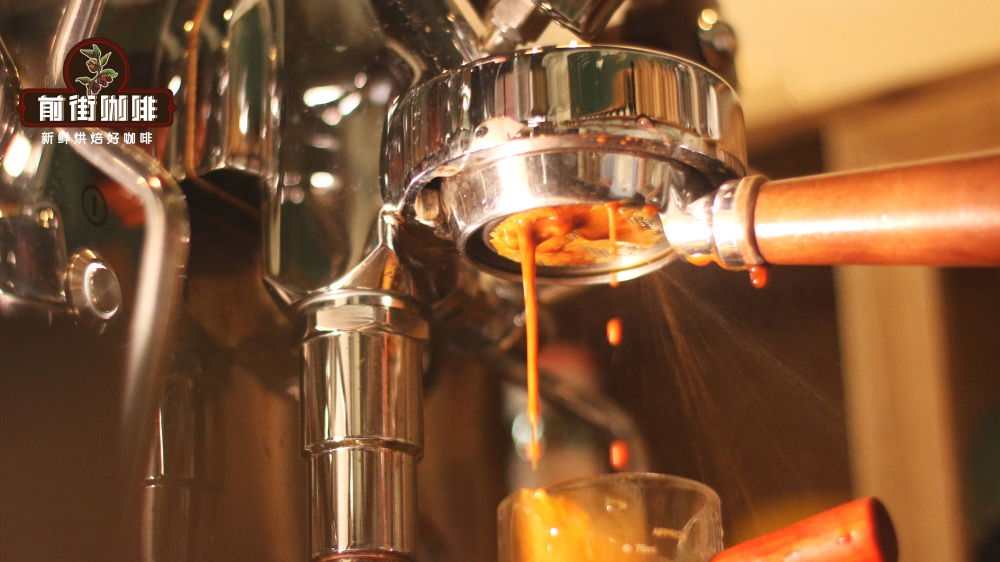
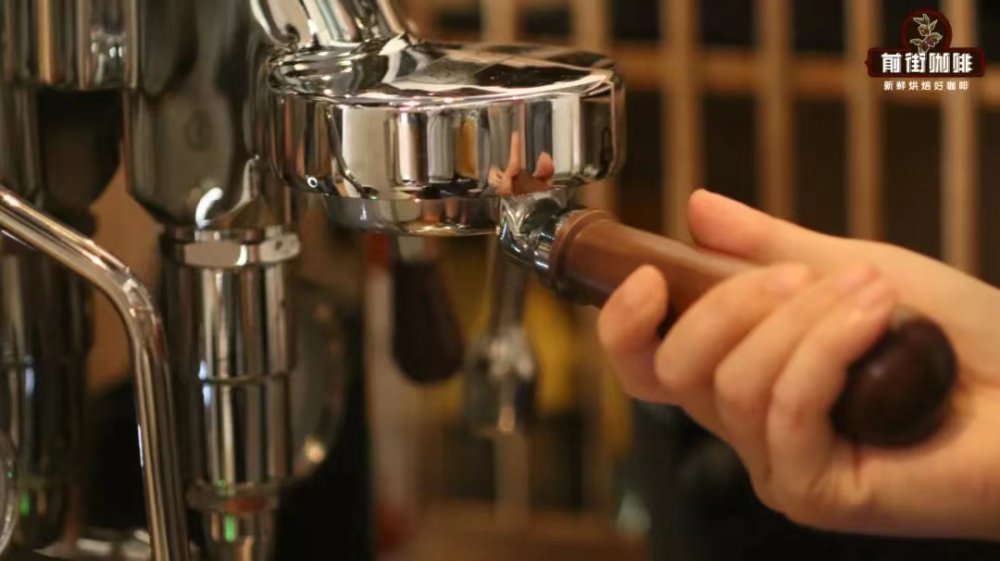
If you’re trying to make SOE at home, it’s important to choose medium-dark roasted beans suitable for high-pressure extraction, and avoid using overly bright light-roast beans to reduce issues like excessive acidity or uneven extraction. Additionally, the evenness of tamping and the pressure applied during tamping can significantly impact the final flavor outcome.
Summary of the Differences Between SOE and Blended Coffee
In short, SOE coffee stands out with its single-origin characteristics and clear flavor layers, making it ideal for consumers seeking a more personalized flavor experience. On the other hand, espresso blends achieve a more stable and balanced taste through the complementary combination of multiple beans, and are commonly used for milk-based drinks like lattes and cappuccinos. Both have their strengths and weaknesses, and consumers can choose based on personal preferences and drinking scenarios.
The above content is compiled by CoffeeHunters, a coffee news website.

