







Introduction:Want to learn what makes coffee from Ethiopia’s Limu region unique? This specialty coffee zone on the western side of the country, though not as famous as Yirgacheffe, excels in washed processing and is known for its distinctive grassy aroma and black sugar sweetness. This article takes you deep into the flavor profile, processing differences, and market positioning of Limu coffee, along with practical pour over brewing tips to help you better appreciate this relatively rare Ethiopian bean in Asia.
After exploring the bright acidity and floral notes of Yirgacheffe and Sidamo, we turn our attention to the Limu region in western Ethiopia — a niche specialty coffee zone famed for its washed processing and primarily serving the European and American markets. Though less circulated in Asia, its coffee possesses an unmistakable individuality, especially appealing to enthusiasts who enjoy clear fruit acidity paired with special sweet notes.
The Limu region is situated at moderately high altitudes, where climate conditions and soil environments shape a flavor direction distinctly different from the eastern zones. Coffee here is mainly processed via washed, natural, and semi-washed methods, among whichWashed Limuis particularly favored by buyers in Europe and America, and is second only to Yirgacheffe in international market acclaim. Compared to the floral and citrus notes of Sidamo, Limu presents a more restrained profile, yet carries a rare grassy aroma and a distinct black sugar sweetness, with bright and layered acidity.

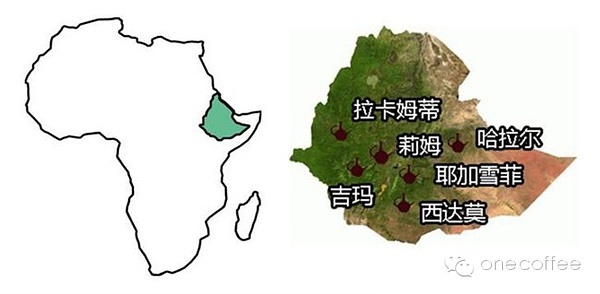
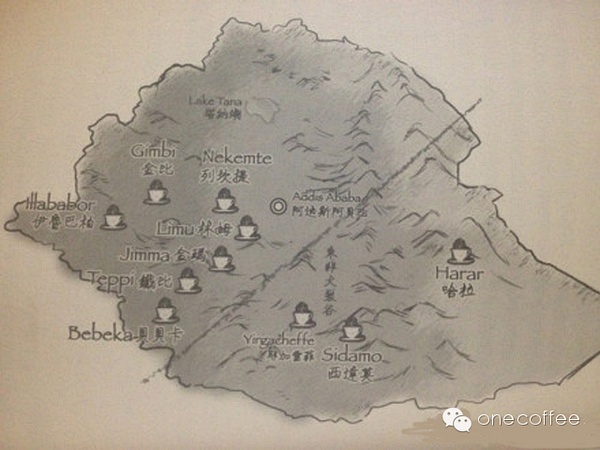
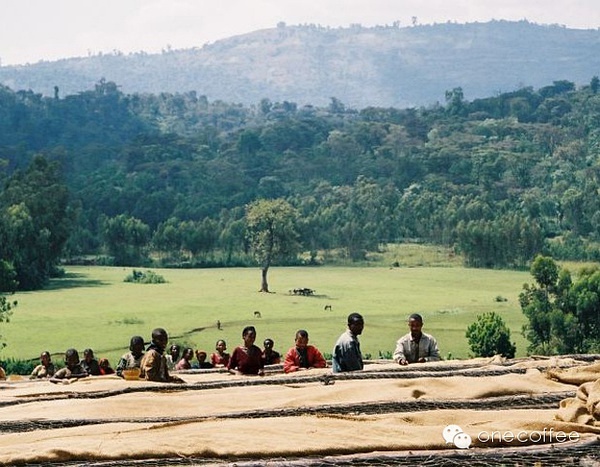
Geographically, Ethiopia’s coffee regions are divided by the East African Rift Valley, resulting in markedly different microclimates and ecosystems. Limu lies in the west, surrounded by forested mountains, where coffee trees mostly grow in semi-forest and plantation environments. Compared to the high-density, human-managed plantations in the east, the varieties here are closer to a naturally evolved state. Although overall flavor complexity may be slightly inferior to that of the more renowned eastern zones, Limu still holds its own in the global specialty coffee market thanks to its unique processing techniques and regional characteristics.
In cupping evaluations, Limu coffees typically exhibit medium body, with brightness and vibrancy in acidity. Common flavor descriptors include grass, lemon peel, black sugar, and subtle hints of spice. This combination of flavors allows it to maintain good balance even when paired with milk, making it a base bean favored by many European roasters for crafting specialty milk coffees.
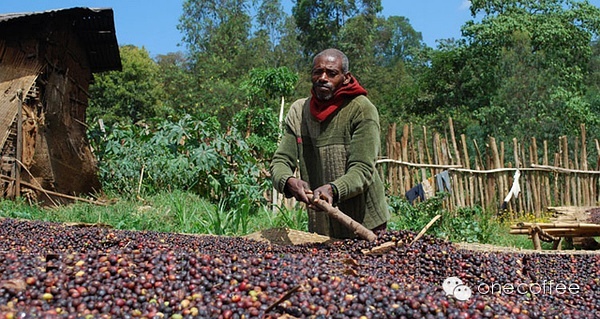
In terms of processing methods, the Limu region employs washed, natural, and semi-washed techniques, among which washed beans are the most stable and consistent in quality, and also the main exported product to Europe and America.Washed LimuWhen meticulously processed, often retains clear fruit acidity and a clean finish, while sun-dried versions of Limu can showcase more intense fruitiness and fermentation layers, though care should be taken regarding the impact of defective bean ratios on flavor. For coffee lovers wishing to explore different processing styles, Limu offers a choice that is both distinctive and experimental.
If you’re planning to brew coffee from the Limu region at home, we recommend using a medium-light to medium roast to highlight its bright acidity and unique herbal notes. Suggested pour over parameters are:Coffee-to-water ratio of 1:15~1:16, water temperature90~92°C, using medium-fine grind (similar to granulated sugar), and employing a multi-pour extraction method (such as three pours) to balance flavor release. These settings help bring out the layered profile of Limu coffee and reduce unwanted astringency from over-extraction.
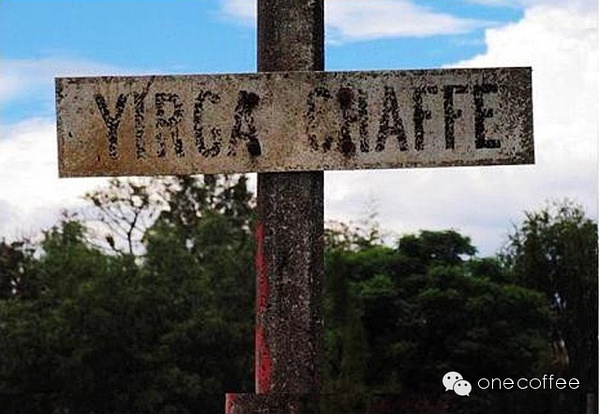
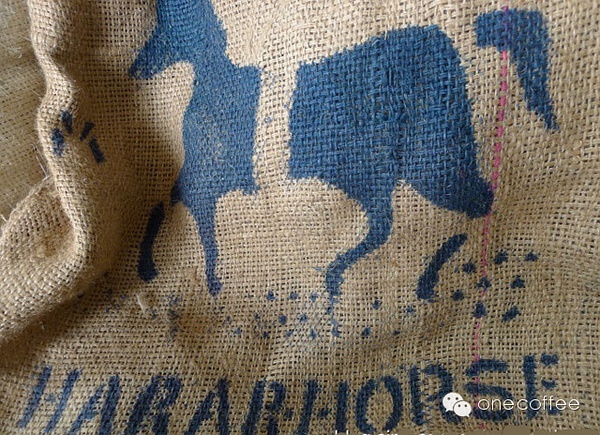
Besides Limu, Ethiopia has nine other major producing regions, including the famed pour over haven Yirgacheffe, Sidamo, and the bold-flavored Harrar. Each region, due to differences in geography, processing techniques, and varieties, produces coffee beans with uniquely varied profiles. For those new to coffee exploration, understanding the characteristics and grading systems of these regions (such as Yirgacheffe’s G1~G5 grades) can help you make more precise choices when purchasing.
In summary, although not as widely known as Yirgacheffe, the coffee from the Limu region, with its unique grassy aroma, black sugar sweetness, and stable washed quality, is well worth adding to your coffee tasting list. Whether you’re a coffee connoisseur seeking regional distinction or a pour over enthusiast hoping to expand your flavor experience, Limu offers a different kind of taste journey. The next time you come across coffee beans from Ethiopia’s Limu region, give them a chance and savor the unique charm from the highlands.

The above content is compiled by CoffeeHunters, a coffee news website.


