







Introduction:Understanding the key changes in coffee beans from post-roasting to pre-extraction, and mastering the degassing time and optimal flavor window for different roast levels, allows you to brew richly crema-ed and balanced coffee at home. This article explains the principles of aging coffee, the flavor characteristics at each stage, and provides practical extraction parameters and storage tips to help you elevate the quality of every cup.
As soon as coffee beans leave the roaster, their internal aromatic compounds and carbon dioxide begin to change continuously. Home coffee machines rely on stable water flow and pressure for extraction, making them highly sensitive to the gas content within the beans. Freshly roasted beans contain a large amount of carbon dioxide; if not properly degassed before brewing, the water flow can become uneven, leading to unstable extraction and a rough flavor profile.
The so-called "aging" process is actually allowing the coffee beans to naturally release excess gases through the one-way degassing valve on the packaging. Over time, as internal gases are gradually expelled, the bean's pore structure also expands, helping hot water dissolve flavor compounds more effectively. For home espresso machines, providing sufficient degassing time results in more consistent and enjoyable final extractions—especially in terms of crema thickness and overall flavor.
Coffee beans of different roast levels vary slightly in their degassing speed and the time required to reach their ideal flavor. Darker roasts, due to their looser structure, degas more quickly and typically show rich cocoa and roasted nut notes afterfive to seven daysof roasting. In contrast, medium to light roasts have a denser texture and slower aromatic release, and are recommended to rest forseven to twelve daysbefore their acidity and sweetness reach a more balanced and layered state.
If you prefer a milk coffee with a full body and low acidity, a well-known roasting brand’s Black Cocoa blend is a great choice. After proper aging, this blend emits aromas of dark chocolate, roasted almonds, and baked grains, with fine and velvety crema. When using a home semi-automatic espresso machine, it is recommended to use93℃water temperature,18gcoffee grounds, and employsingle-stage continuous pressureover27 secondsto extract36mla shot of espresso, then add180mlhot milk to create a sweet and smooth latte.
The "optimal flavor window" of coffee beans refers to the period when flavors are most vibrant and aromatic compounds are released most intensely. For espresso machines, thetwo to four weeksfollowing the initial degassing phase is the golden period for balanced flavor release. Espresso brewed during this time features a thick and persistent crema, fully highlighting caramel and nutty aromas. Whether enjoyed straight or diluted into an americano, it delivers a rounded and smooth mouthfeel.
For users who prefer a balanced flavor and versatility across brewing methods, a specialty coffee brand’s signature blend is a highly adaptable option. This blend combines notes of nuts, caramel, and soft cocoa, and remains stable and enjoyable after opening. When using a drip coffee maker, it is recommended to use91℃water temperature,20gcoffee grounds, with a total water volume of320ml, and set the total extraction time to2 minutes and 40 seconds, employing a pulse pouring technique—first wetting the coffee bed,40mlthen steadily pouring280ml—to brew a balanced and sweet black coffee.
If you enjoy bright and lively fruity flavors, a specialty coffee brand’s Strawberry Candy beans offer an unexpectedly vibrant taste. These beans feature sweet fruitiness reminiscent of strawberry taffy and a refreshing juiciness, making them ideal for iced americano or light milk coffees. When using an espresso machine to brew a single-origin shot, it is recommended to set the water temperature to90℃, use18.5ggrounds, and extract the coffee within25 secondsto produce38mlthe coffee liquid, then add150mlice water and ice cubes. The result is a drink that immediately delivers gentle fruitiness and a sweet aftertaste.
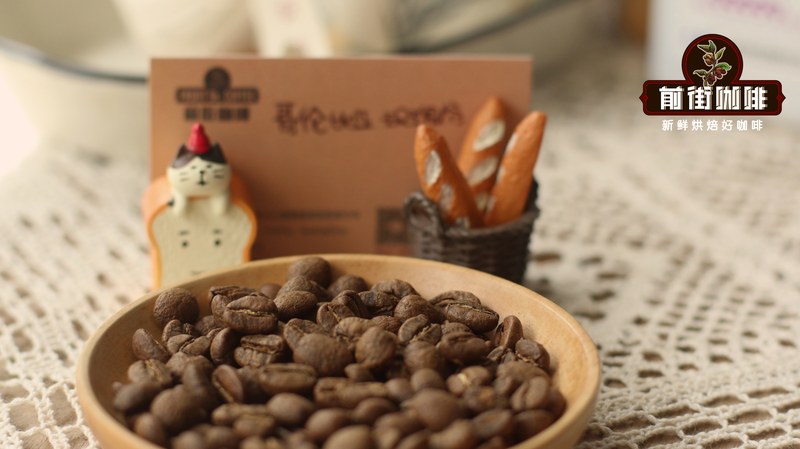
When selecting beans for daily use, it is advisable to plan your purchase quantity based on your consumption frequency. If you only drink one single shot per day, choosing a200g to 250gsmall pack ensures you finish it within the one to two week flavor peak. If buying multiple packs, consider a staggered unsealing strategy—allowing each pack to fully degas before use. This not only maintains the freshness and aroma of each cup but also helps establish your own drinking rhythm.
Additionally, how you store coffee beans after opening greatly affects flavor longevity. After opening, try to expel excess air from the packaging, tighten the seal, and store the beans in a cool, dark, and dry cabinet. Generally, there’s no need to refrigerate coffee beans, as humid environments can negatively impact quality. Simply keeping them sealed at room temperature effectively slows oxidation, allowing opened beans to maintain bright, clean aromas and rich crema fortwo to three weeks.
Mastering the patterns of gas release and flavor evolution in coffee beans not only maximizes the performance of your home coffee machine but also, through proper storage and precise adjustment of extraction parameters, enables every cup to showcase rich aromas, balanced acidity and sweetness, and a silky mouthfeel—enhancing both the enjoyment and quality of your daily coffee ritual.
The above content is compiled by CoffeeHunters, a coffee news website.

