







Introduction:Understanding the degassing characteristics and storage essentials of espresso beans allows you to grasp the optimal extraction timing, fully releasing the aroma and complexity of the coffee. This article delves into when beans of different roast levels reach their peak flavor, and provides practical extraction parameters and preservation tips so you can brew balanced and rich espresso at home.
Espresso extraction relies on high pressure and rapid discharge. Freshly roasted coffee beans contain a large amount of carbon dioxide. If ground without proper degassing, it can easily produce coarse foam, preventing water from evenly penetrating the coffee grounds and affecting overall extraction quality. Mastering the degassing rhythm of coffee beans not only optimizes extraction but also allows the aromatic compounds in each cup of coffee to be released more stably.
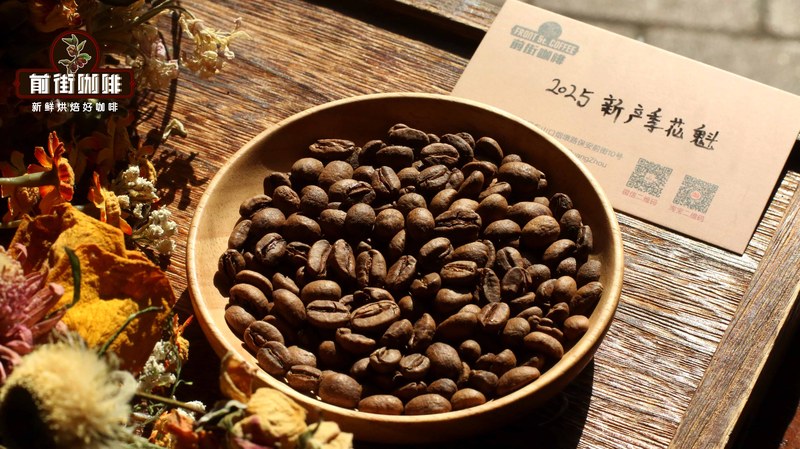
Generally speaking, the darker the roast, the more porous the cellular structure becomes during roasting, resulting in relatively faster degassing. It is recommended to start enjoying medium to dark roasted beans about seven to fourteen days after roasting. During this period, carbon dioxide inside the beans is gradually released, while flavor compounds reach a more balanced and relaxed state, with fine oils and a smooth mouthfeel.
Taking a classic blend as an example, its flavor profile is dominated by nuts, roasted cocoa, and caramel, with rich crema and noticeable sweetness. When such beans have rested for about ten days post-roast and enter the optimal drinking window, using an espresso machine to extract with a suggested water temperature of around 93°C, 20 grams of coffee grounds, and a steady, continuous pressure to yield 40 milliliters of espresso liquid, with a total extraction time of around 28 seconds, can fully showcase the round and full-bodied nut and cocoa notes.
Once the coffee enters its prime tasting period, the intensity of the espresso’s flavor is sufficient to perfectly complement the sweetness of milk. Using a double shot of espresso paired with 200 milliliters of finely textured hot milk not only highlights the harmony of caramel sweetness and creamy milk, but also leaves a distinct dark chocolate aftertaste. This rich expression is typically most stable between two weeks to a month post-roast, making it ideal for morning milk-based coffee.
For those who prefer the flavor of single-origin espresso, consider trying the Brazilian Queen Estate beans. These beans offer flavors of almond, gentle cocoa, and sweet brown sugar, with a mild and delicate acidity. After about eight to ten days of resting, internal gas pressure stabilizes and the flavor profile becomes clearer, making them suitable for both single-origin espresso and various pressure-based extraction methods.
When using a semi-automatic coffee machine at home, it is recommended to use 18 grams of coffee grounds, set the water temperature to 91°C, begin with a three-second low-pressure pre-infusion, then steadily increase pressure for extraction, aiming for a total extraction time of about 26 seconds to produce 36 milliliters of coffee. The resulting espresso has a smooth mouthfeel, with prominent nutty and toasted grain sweetness, and a refreshing caramel aftertaste.
For coffee enthusiasts who enjoy deep, intense flavors, Indonesian Golden Mandheling is an excellent choice. This dark roast bean exhibits robust herbal notes, deep dark chocolate, and a heavy, rich body, with very mild acidity. Due to the active degassing process from dark roasting, it is recommended to rest the beans for ten to twelve days before use. By then, the bitter and charred notes diminish, while woody tones and spicy sweetness become more pronounced, and the crema appears thick and velvety.
In addition to espresso, this Mandheling is also well-suited for filter brewing methods such as pour over, which can highlight its rich layers. It is recommended to use 15 grams of coffee grounds, a water temperature of around 88°C, and a total water volume of 225 milliliters, with a total extraction time of around 2 minutes and 5 seconds. A three-stage pouring method can be used: first pour 30 milliliters for a 30-second bloom, then steadily circle-pour 100 milliliters, wait until the liquid level drops halfway, then pour the remaining 95 milliliters to fully bring out the mellow flavors of dark chocolate and herbs.
Once coffee beans are opened, the key to maintaining freshness lies in blocking oxygen, light, and moisture. It is recommended to continue using the original packaging that includes a one-way degassing valve. After each use, expel excess air from the bag and seal it tightly with a clip. Store in a cool, dark, and dry cabinet, avoiding the refrigerator, as common condensation inside can accelerate aroma loss.
Planning your coffee purchases and consumption rhythm reasonably ensures you always enjoy coffee at its best flavor stage. It is advised to select an appropriate weight based on your household's actual consumption, and it is recommended to finish the coffee within three to four weeks after opening. By mastering the degassing window and correct storage details, every pack of espresso beans can fully express its intended aroma and sweetness in the cup, delivering you the purest coffee experience.
The above content is compiled by CoffeeHunters, a coffee news website.

