








Introduction:Sun-dried processed coffee beans often exhibit bright berry, tropical fruit, and floral aromas, but these characteristics may not fully emerge right after opening the bag. The degassing phase post-roasting, bean variety traits, and brewing methods all influence the optimal flavor window. This article will guide you through the proper drinking timeline for sun-dried beans—from unboxing to peak flavor—and provide practical pour over timing suggestions, storage tips, and methods for assessing bean condition, helping you enjoy the most balanced fruitiness and sweetness.
Many pour over enthusiasts are especially drawn to sun-dried beans, which often exude intense berry, tropical fruit, floral notes, and even a hint of fermented sweetness right out of the bag. However, these enticing aromas don’t necessarily mean the beans are at their ideal brewing state.
Freshly roasted coffee beans continue to release large amounts of carbon dioxide internally. Brewing them immediately can prevent hot water from evenly penetrating the coffee grounds, leading to uneven extraction—often resulting in overly sharp aromas, scattered acidity, or unclear sweetness. Therefore, understanding when sun-dried beans reach their “drinkable prime” is crucial for enjoying their full flavor profile.
The roast date on the packaging is the best reference for planning your drinking schedule. The so-called “best-by period” is actually a gradual process of flavor evolution: in the first few days, the aromas may be more vibrant and bold, but over time, sweetness and textural layers gradually emerge, eventually leveling off. With proper storage, even after the “peak period,” the beans can still deliver a satisfying flavor experience—the focus simply shifts from pronounced aromatics to a softer, rounder profile.
The term “resting” (or “degassing”) refers to allowing the coffee beans to complete sufficient degassing and internal flavor integration before opening the bag. Generally, light-roasted sun-dried beans—due to their higher density and tighter structure—require a longer stabilization period than medium-to-dark roasts. Beginners might start by using theseven to fourteen dayswindow as an observation period, and begin tasting from the seventh day. If the aromas feel too sharp, or if the coffee grounds don’t expand evenly during extraction, consider waiting another two or three days before trying again. This approach is usually more effective than simply increasing the water temperature.
Of course, each bean’s unique characteristics and your brewing equipment will also affect the ideal timing. Light-roast sun-dried beans typically showcase their captivating floral and fruity aromas along with pleasant sweetness betweenten days and three weeksafter roasting. If you’re leaning toward a medium roast or planning to use the beans for espresso, thenfive to ten daysmay already yield a fairly complete flavor profile. If you’re using an espresso machine, it’s advisable to wait until the puck stabilizes and the flow rate normalizes before fine-tuning the grind size—that way, your adjustments will be more accurate.
For example, certain Ethiopian sun-dried beans may initially emit bright citrus-like aromas right after opening, but as degassing completes, the apricot sweetness and tea-like finish become more integrated and cohesive. These beans are best tried aroundabout a week after roasting,and you can compare their performance in hot and slightly cooled states to find your preferred extraction temperature and timing.
If you prefer rich, complex fruitiness, keep an eye out for sun-dried Geisha beans with distinct notes of orange blossom, guava, apricot, and berry compote. When under-rested, these beans may seem “crowded” in aroma. It’s recommended to let them rest forabout two weeksbefore pouring, and try tasting them as both hot and warm beverages—this helps you better appreciate the evolving layers. Also, brewing smaller portions each time can help avoid wasting beans.
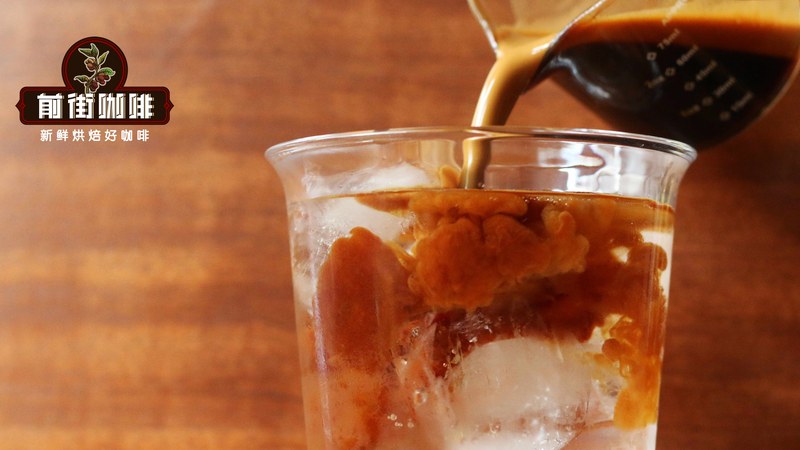
Additionally, sun-dried beans with refreshing notes like passionfruit, blueberry, or grape are particularly well-suited for cold pour over or cold drip methods, which amplify their overall coolness and juiciness. These beans are usually ready for sampling aroundabout ten days after roasting.If the aromas still feel somewhat dispersed, give them a few more days. To get the best iced coffee experience, it’s best to finish the beans withintwo to three weeksof opening the bag.
How you open the bag also greatly affects its shelf life. When unopened, the original packaging—with its one-way degassing valve—already provides decent preservation, as long as it’s kept in a cool, dry, and dark place. Once opened, gently squeeze out excess air, then press the seal tightly closed. If the original packaging isn’t easily resealable, transfer the beans to an airtight, opaque container. That said, there’s no need to open it frequently to sniff the aroma, as each opening accelerates oxygen exposure and degrades freshness.
When purchasing, also consider your consumption frequency to choose an appropriate package size. Buying a large bag if you only brew one cup per day might result in the later batches tasting dull compared to the fresh ones. Dividing the beans into smaller portions or opting for smaller packages ensures that each opening happens when the beans are in better condition. Also, ground coffee loses aroma faster than whole beans, so it’s best to grind just before brewing to extend its fragrance lifespan.
If you’ve bought multiple bags at once, consider freezing the portions you won’t use immediately. Divide the beans into single or multiple serving sizes, pack them into thick, sealed bags, thoroughly remove air, and seal completely before placing them in the freezer. When taking them out, allow the entire package to return to room temperature before opening to prevent condensation on the beans. For the bag you’re actively using, store it in a cool, room-temperature place to avoid temperature fluctuations and moisture interference.
Finally, to determine whether a sun-dried bean has reached the stage that suits your taste, rely not just on time but also on actual brewing feedback. If the aromas feel overly sharp or the coffee grounds expand excessively, it likely needs more rest. Conversely, if the aromas have noticeably faded or the sweetness seems lacking, it could be due to improper storage or prolonged storage after grinding. Try keeping a simple log of each opening date, brew date, and tasting notes—after a few tries, you’ll develop your own “bean-drinking rhythm,” ensuring the sun-dried beans’ fruity aromas, sweetness, and aftertaste all shine at just the right moment.
The above content is compiled by CoffeeHunters, a coffee news website.

