







Introduction:Yirgacheffe SOE is renowned for its distinctive floral aroma and fruity acidity, but did you know these flavor characteristics can change over time and with different processing methods? This article delves into the flavor evolution from post-roast to pre-brewing, teaching you how to adjust brewing strategies based on resting time and master the optimal drinking rhythm so that every cup presents an ideal balance of citrus, berries, and sweetness.
Many people’s first impression of Yirgacheffe SOE is its bright aroma and lively fruit acidity, but in truth, the flavors of this coffee continue to evolve from the moment it’s roasted until it reaches your cup. Freshly roasted beans are full of carbon dioxide, and brewing them immediately not only prevents full aroma release but can also result in sharp acidity, channeling effects, or excessive foam. Therefore, to fully appreciate the floral notes, fruit acidity, and layers of sweetness in Yirgacheffe SOE, it’s essential to consider the purchase date, resting time, and how quickly you open the bag.
When examining the packaging, it’s recommended to prioritize the “roast date” over vague labels like “freshly roasted.” For lightly roasted Yirgacheffe SOE, it’s generally advised to choose beans roasted about a week prior—this leaves enough time for adjustment and maturation once you receive them. If you brew immediately upon receipt, observe whether the aroma is overly intense or if the brew surface is excessively turbulent, then decide whether to let it rest for a few more days. If there’s no roast date indicated on the package at all, it becomes difficult to determine which stage of flavor development the beans are in.
The so-called “best-before period” doesn’t mean the coffee suddenly turns bad on a specific date—it refers to a range of time during which flavor performance is relatively ideal. During this window, the beans gradually release internal carbon dioxide, causing initially diffuse floral notes to become more concentrated, acidity to shift from sharp to gentle, and sweetness to become increasingly prominent. However, the speed of this process is influenced by factors such as roast level, packaging seal, bean density, and storage environment. Thus, it’s best to treat dates as reference points, while actual tasting experience remains the most accurate basis for judgment.
Generally speaking, Yirgacheffe light-roasted SOE can be taste-tested around the seventh day after roasting. If you prefer pour over or cold drip methods, it’s suggested to observe flavor changes within one to two weeks. For espresso use, a longer resting time is typically required—about ten days to three weeks tends to yield more stable extraction results. In the beginning, brew once a day or every other day, noting the aroma, acidity, and aftertaste each time. When you notice the cup’s flavor transitioning from noticeably sharp to soft and rounded, that’s often your personal ideal drinking stage.
Take “Yirgacheffe Gu Ding Ding” as an example—when brewed at higher temperatures, this bean easily showcases clear citrus tones and floral notes, but when the temperature is slightly lowered, a berry-like sweetness emerges, followed by a refreshing green-tea-like finish. If you find the acidity a bit tight right after opening the bag, consider letting it rest a few more days; once the aroma becomes more condensed, try using a shorter cold brew or room-temperature pour over to better perceive the layered flavor changes.
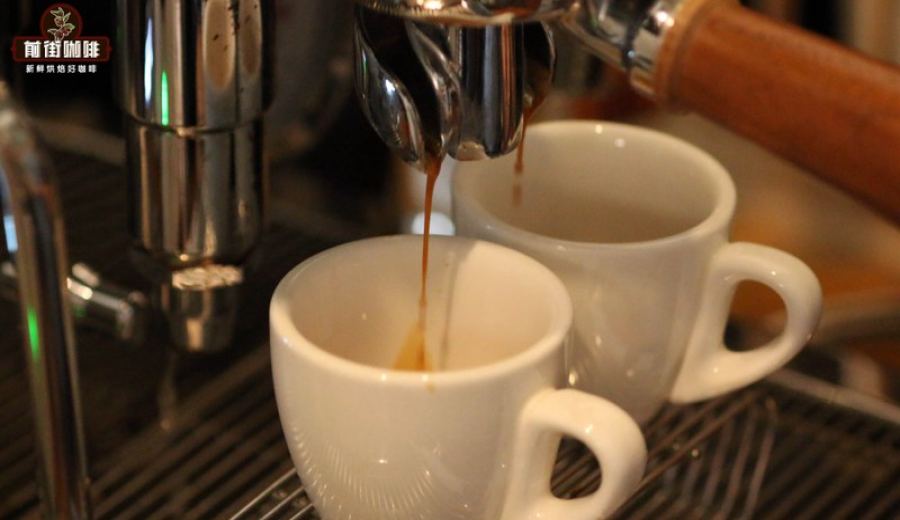
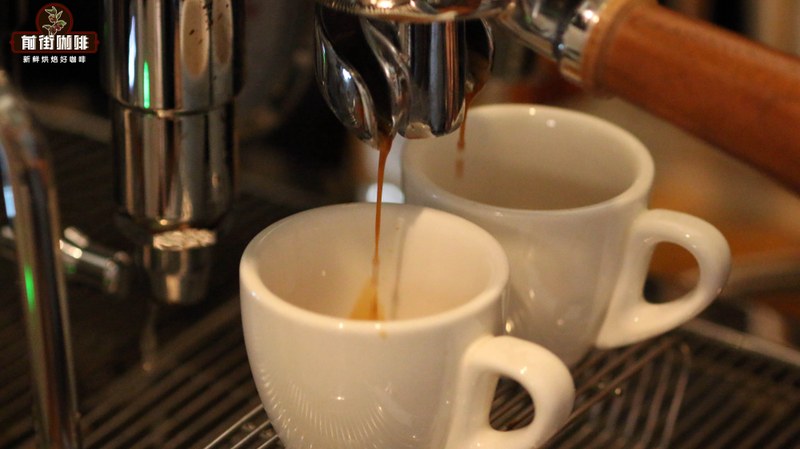
If your main purpose is making SOE espresso, then the bean resting schedule should be adjusted according to the machine’s actual performance rather than time alone. If you notice fast puck drainage, pale crema color, and overly sharp flavors, it likely means the beans are still in a high degassing phase. In this case, it’s recommended to rest them a few more days and fine-tune the grind size again—this usually helps achieve more stable flow rate control. When the extraction yields clear citrus and berry aromas along with noticeable sweetness, you can also add a small amount of ice to make an iced americano, preserving the aroma while lowering the drinking temperature, making it ideal for summer.
Another bean worth referencing is “Panama Emerald Estate Red Label Geisha,” whose aroma leans toward elegant notes of jasmine, bergamot, and citrus. It has a delicate taste on the palate, and when cooled, reveals a soft aroma reminiscent of black tea. Beans with such flavor profiles are also recommended to be rested for a while before slow sipping—you don’t need to rush for an intense first impression. When you notice the aroma shifting from scattered to clearly focused, that’s usually the best time for a refined tasting experience.
Regarding storage after opening, the key is to minimize exposure to air, heat, moisture, and light. It’s advisable to store the beans in a sealed bag with a one-way degassing valve, pressing out excess air and sealing it tightly after each use, then keeping it in a cool, dry cabinet. If using a transparent container, avoid placing it near windows or in direct sunlight, as light and temperature fluctuations can accelerate flavor degradation. Additionally, coffee beans should not be stored near stoves, ovens, or damp sinks.
Moreover, the package size also affects freshness management. If you only drink one cup per day, it’s better to choose a small package with two to three weeks’ worth of beans, as it’s easier to maintain aroma compared to larger packages. After opening, note the date and observe the performance changes over the first few brews. If you buy a large package, it’s recommended to divide it into several smaller portions on the day of opening, keeping unused parts sealed and only taking out the portion you’re about to brew each time—this avoids repeated air exposure and flavor loss.
As for refrigeration, for daily-drinking coffee beans, the fridge isn’t actually a necessary storage environment. The humidity, odors, and temperature fluctuations inside a refrigerator can actually accelerate bean deterioration. If you really need to extend shelf life, you can pre-portion the beans by usage amount, ensure they are dry, then seal and freeze them. When taking them out, allow the entire package to come to room temperature before opening to avoid condensation directly contacting the beans. However, for a pack of Yirgacheffe SOE expected to be consumed within a few weeks, as long as it’s stored in a cool, dry cabinet and properly sealed, it can usually maintain good freshness.
In summary, drinking Yirgacheffe SOE doesn’t mean you have to rush for “great taste right after opening.” It’s recommended to start with small amounts, observe the changes in aroma and taste at different stages, and find the optimal drinking moment where acidity and sweetness are balanced and the aroma is concentrated. Choosing beans with a clear roast date and suitable package size allows you to more calmly explore each Yirgacheffe SOE’s unique flavor window and enjoy the subtle nuances in both pour over and espresso.
The above content is compiled by CoffeeHunters, a coffee news website.

