







Introduction:Do the coffee beans you bring home never quite deliver the flavors you expected? The key lies in mastering the “flavor window” after roasting. This article will guide you through how to estimate the optimal drinking time based on the roast date, explain the different resting needs for light, medium, and dark roasts, and offer practical storage tips and tracking methods. Master these points, and you’ll enjoy the most captivating aromas and layers in your pour over coffee without breaking the bank.
The value of a bag of coffee beans depends not only on its origin and variety, but also closely on the time from roasting to brewing. Drinking it too early may result in suppressed aromas due to residual carbon dioxide inside the beans, while keeping it too long can cause the once-vivid floral and fruity notes to fade. To achieve both great taste and good value for money, the first step is learning to interpret the date information on the packaging and planning an appropriate drinking schedule based on the beans’ characteristics.
 The roast date printed on the packaging is actually more informative than the vague “freshly roasted” label. After leaving the roaster, coffee beans continue to release carbon dioxide—a process known as “degassing”—which directly affects their performance during brewing. Freshly roasted beans often taste harsh, lack aromatic focus, or feel empty in the cup. Only by knowing the exact roast date can you determine which stage the beans are currently in.
There’s no one-size-fits-all rule for how long beans need to rest. Generally speaking, lighter roasts with higher density require more time to release gases and benefit from patience; light to medium roast beans ideal for pour over usually enter their prime drinking window around the seventh day after roasting; medium to dark roasts and beyond, on the other hand, often reach a balanced flavor state more quickly. Rather than obsessing over exact days, it’s more accurate to judge by actual brewing experience.
The “best-by period” for pour over coffee refers to the stage when flavor characteristics are at their richest and most balanced—not a sudden expiration date. Most beans exhibit more harmonious floral notes, fruit acidity, sweetness, and aftertaste within 7 to 30 days after roasting, though actual results can vary depending on packaging, roast level, and bean variety. While they remain drinkable beyond this range, the aromas may become more subdued, so paying closer attention to brewing details becomes essential.
A cost-effective buying strategy isn’t about hoarding large quantities, but selecting an appropriate package size based on your daily consumption. If you usually drink just one cup a day, opt for a 200g pack and aim to finish it within 3 to 4 weeks after opening. For lower consumption rates, consider dividing the beans into smaller portions for storage. This way, you maintain the integrity of the beans’ aroma without having to adjust your drinking habits just to finish a large pack.
The environment after opening is crucial—air, moisture, direct sunlight, and temperature fluctuations can all accelerate flavor degradation. Store your coffee beans in a dark, dry, and temperature-stable spot, using sealed bags or containers with one-way degassing valves. Always reseal quickly after each use to minimize repeated air exposure. There’s no need to open the container frequently just to smell the aroma, as each opening lets some of it escape.
 If you’ve bought freshly roasted beans, consider keeping them in their original packaging for a few days before portioning them according to your actual usage. When dividing, avoid packing the beans too tightly, and don’t repeatedly take the whole pack in and out of the fridge. The moisture and odors in a refrigerated environment can easily seep into the beans. Only freeze small, unopened, and well-sealed portions if you plan for long-term storage, and use them directly after taking them out—avoid repeated thawing which can affect quality.
For example, a certain coffee brand’s Geisha from La Finca El Gra her estate may initially present rich, jam-like aromas right after roasting. After a few days of resting, delicate notes of orange blossom, guava, and apricot gradually become more distinct. This bean is perfect for slow observation via pour over—try brewing it two to three days apart to compare differences in aroma, sweetness, and aftertaste, and you’ll get a more intuitive sense of its maturation process.
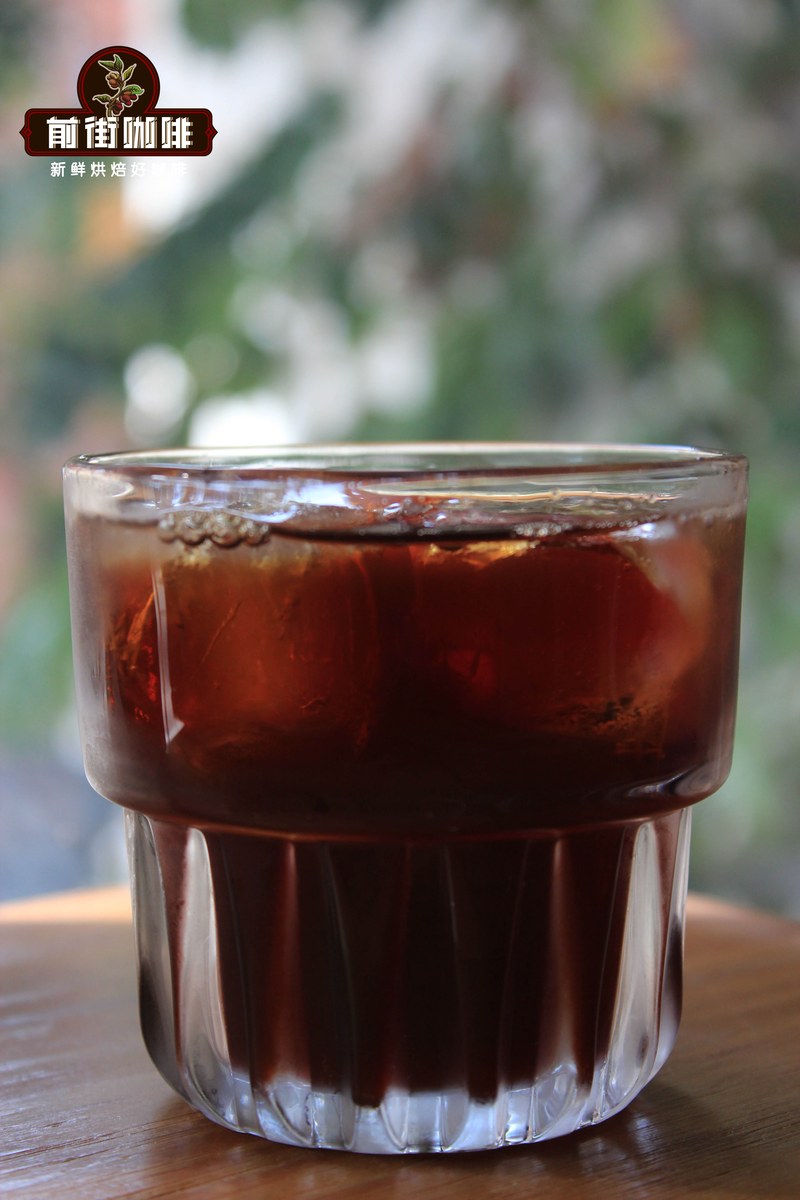
If you prefer a bright, juicy profile, a certain coffee brand’s Colombian Sidra is a great choice. Its passionfruit, blueberry, and grape aromas are lively at their best and retain clear fruit tones even when cooled. It’s recommended to start tasting around a week after roasting. If it feels a bit intense at first, wait a little longer. Brewing methods like iced pour over, cold drip, or single-origin (SOE) can further highlight its refreshing characteristics.
A certain coffee brand’s Panama Esmeralda Red Label Geisha requires a more patient drinking timeline. Its aromas gradually unfold layers of jasmine, citrus peel, and bergamot, with an aftertaste that carries the smoothness of black tea. It’s suggested to start recording your brew results around ten days post-roast, then brew every few days to observe changes. To fully experience the nuances of this bean, choosing a smaller package and enjoying it in stages often preserves its refined flavors better than long-term storage.
To determine whether a pack of beans is at its peak, observe three key changes: whether the aroma transitions from single-dimensional to rich and clear, whether the mouthfeel softens from sharp to rounded, and whether the aftertaste maintains complexity after swallowing. Try to keep brewing parameters consistent and compare results every few days for more reliable conclusions. Remember, pay attention to the roast date when buying, observe actual performance when drinking, and you’ll truly turn your budget into a consistently enjoyable flavor experience.
The above content is compiled by CoffeeHunters, a coffee news website.

