







Introduction:To enjoy a cup of coffee with soft acidity and a sweet aftertaste, it's not just about choosing the right beans—you also need to master the optimal drinking window after opening the bag. This article delves into the degassing and flavor development cycles of coffee beans at different roast levels, teaching you how to determine when the beans have reached their peak flavor, along with practical storage and brewing tips. This way, you can consistently brew richly layered, sweet-finishing coffee at home.
To sip a coffee where the acidity isn't overly dominant and the finish has a natural sweetness, bean selection shouldn’t rely solely on the flavor descriptions on the package. You should also pay attention to the roast date and your own consumption frequency. Freshly roasted coffee beans still release carbon dioxide upon leaving the factory—aromas and sweetness haven’t fully developed yet—so brewing them immediately often results in less rounded flavors.
The so-called “best-by” period for coffee beans is actually different from the expiration date printed on the packaging. The expiration date mainly concerns food safety, whereas the best-by period refers to when the coffee’s aroma, sweetness, and complexity are most harmonious. For most roasted beans, the flavors may not be fully integrated in the first one or two days after opening. After adequate degassing, the taste typically transitions from initially sharp and loose to smoother and more balanced.
Different roast levels require varying amounts of time for degassing and maturation.Light Roast Beansusually need seven to fourteen days of degassing time for the floral and fruity aromas to naturally meld with the sweetness;Medium Roast Beansgenerally reach a more balanced state in about five to ten days; as forDark Roast Beans, due to faster degassing, you can usually start observing flavor changes within three to seven days. The above timeframes are only for reference—the actual experience can also be influenced by factors such as package size, roasting method, and storage environment.
To determine if the beans have reached a drinkable stage, try brewing and tasting them with the same method for several consecutive days. If you only taste strong acidity and the aromas seem scattered, it usually means the flavors are not yet stable. On the other hand, if the acidity becomes softer, the sweetness lingers longer, and there’s a clean sweetness or dried fruit-like aftertaste after swallowing, that’s often a sign of optimal drinking time. If obvious woody or muted notes appear, or the aromas dissipate quickly, it likely indicates the beans are starting to decline.
Therefore, aiming for low-acidity and sweet-finishing flavors doesn’t mean you have to let the coffee beans sit for too long. Over time, bright aromas may weaken and the sweetness may become thin. A more practical approach is to decide the purchase quantity based on your weekly consumption: if you drink one cup per day, opt for smaller packages and try to finish them within two to four weeks after opening. If you consume coffee less frequently, consider dividing the beans into smaller portions to reduce repeated exposure to air.
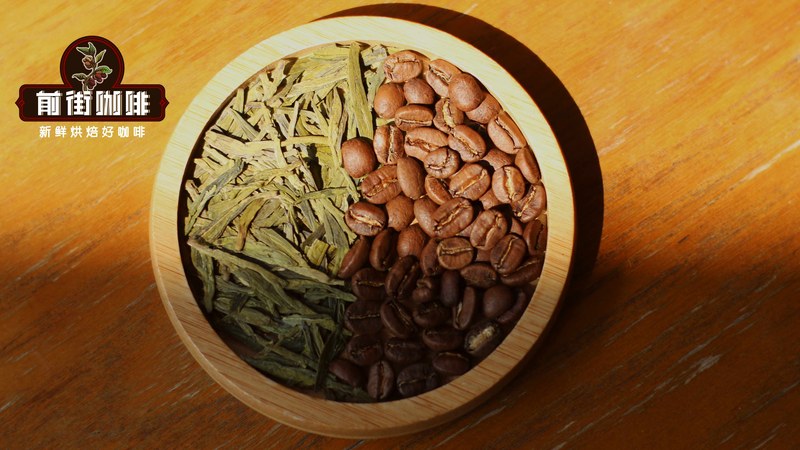
Taking a few common sweet-finishing coffees as examples can provide a more intuitive understanding of how different beans evolve over time. For instance, a certain brand’s Yirgacheffe Guji Dingding initially exhibits pronounced citrus and berry notes. After several days of degassing, the floral aromas become gentler, and the aftertaste gradually reveals a clean sweetness reminiscent of green tea and fruit sugar. This bean is ideal for pour over around ten days post-roast. If the acidity still feels too prominent, you might try cold brew—low-temperature brewing can make the overall flavor smoother.
A certain brand’s Ethiopian Huakui boasts relatively vibrant aromas, with tropical fruits, strawberries, and passionfruit notes standing out when first opened. It’s recommended to wait about a week after opening before tasting, when the sweetness tends to become more consistent. Consumers who prefer lower acidity can try ice pour over or cold brew—lower temperatures help suppress some acidity while preserving rich fruitiness. For hot drinks, it’s better to wait until the flavor profile stabilizes further.
A certain brand’s Kenyan Little Tomato is characterized by its vivid juiciness, with aftertastes of ripe tomato, dark plum, and syrup. Although its acidity is relatively bright and it’s not a typical low-acid bean, it’s a great choice for those seeking a clear sweet finish without overly sharp acidity. It’s suggested to wait about a week after opening, once the acid-sweet balance becomes more harmonious, and brew using hot pour over. As the temperature drops, the sweetness will become even more pronounced.
Storage methods have a direct impact on a coffee bean’s best-by period. It’s recommended to keep whole beans in sealed bags with one-way degassing valves or in opaque, airtight containers, and store them in a cool, dry cabinet with minimal temperature fluctuations. Avoid placing coffee beans near the stove, by windows, or on refrigerator doors for extended periods, as heat, light, and moisture can accelerate aroma loss and cause the beans to absorb odors from nearby foods.
After opening the bag, you can divide the beans according to your weekly consumption plan, only opening the portion you’ll use soon while keeping the rest sealed. Don’t leave the package open for long when taking beans out, and avoid shaking the container frequently. The best practice is to weigh the beans right before grinding to minimize their exposure to air. If freezing is necessary, use small, fully sealed portions, and allow the package to return to room temperature before opening to prevent condensation from affecting the beans’ flavor.

When selecting coffee beans that emphasize sweet finish and balanced acidity, consider the roast date, package specifications, and the time you plan to finish them. Once you bring them home, give the beans enough time to degas, and observe flavor changes through a few days of cupping to find your preferred drinking time. Rather than blindly chasing the freshness of just-roasted beans or the aged state of beans kept too long, following the beans’ own rhythm for opening and brewing allows you to enjoy fresh, layered flavors in every daily cup.
The above content is compiled by CoffeeHunters, a coffee news website.

