







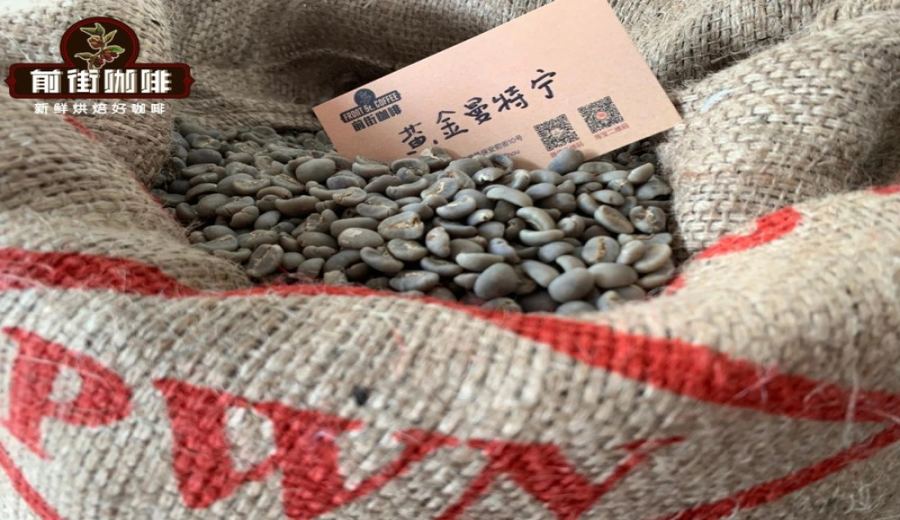
Introduction:To truly taste the most captivating sweetness in coffee beans, it’s not just about choosing the right origin or processing method. Factors such as roast date, degassing stage, and storage methods all have a significant impact. This article will guide you through the flavor timeline of coffee beans from roasting to after opening, teaching you how to grasp the optimal drinking window so that sweetness transforms from a mere description into a tangible taste experience.
If you want to enjoy a cup of coffee with distinct sweetness, selecting based solely on flavor notes like fruit, caramel, or honey on the package isn’t enough. You should also pay attention to the roast date, packaging type, and your own drinking pace. From the moment the coffee is roasted, it begins a series of gas release and flavor transformation processes that affect the final taste in your cup.
Many people mistakenly believe that the packaging date is the key factor, but actually,the roast dateis the core indicator for judging coffee freshness. Freshly roasted beans contain a large amount of carbon dioxide. Brewing them immediately can lead to unstable flow and suppressed aromas due to the expanding gases. Even if there is sweetness, it may come across as sharp and disjointed, failing to present a well-rounded flavor profile.
This process of allowing coffee beans to naturally release gases is what we call “resting” or “aging.” Lighter roasts and denser beans, due to their tighter structure, typically require a longer time to release internal gases. In contrast, darker roasts have a looser structure and degas more quickly. Generally speaking,most home-use pour over beans reach their optimal drinking window between the seventh and fourteenth day after roasting,but actual performance may vary depending on bean variety and brewing method.
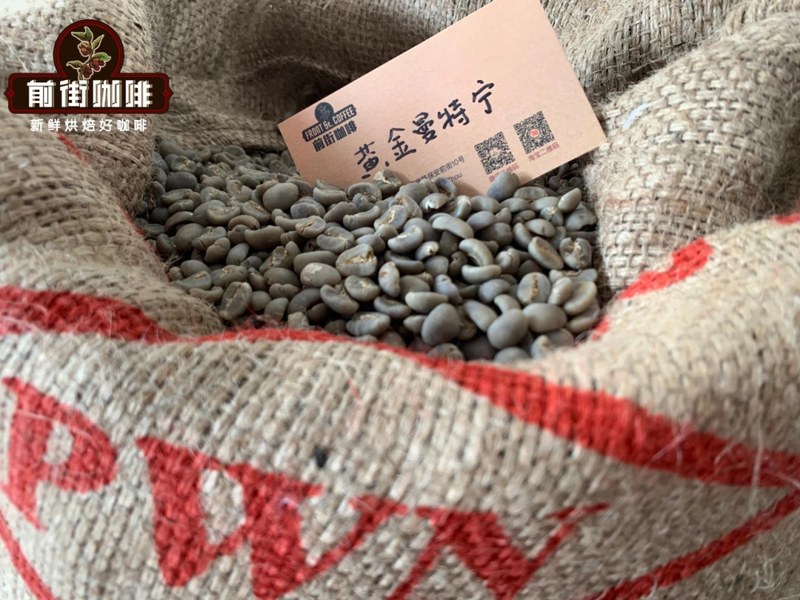
If you prefer bright floral notes and juicy, vibrant sweetness, it’s recommended to wait until the degassing is more complete before trying the coffee. For example, some naturally processed beans may have overly intense aromas in the early stages of roasting. After a few days, the orange blossom and ripe fruit aromas blend more harmoniously, and the jam-like quality becomes smoother—especially suited for appreciating their transformation through the pour over method.
It’s important to note that longer resting time isn’t always better. Once the main degassing phase is complete, the coffee enters a flavor showcase period, but the aroma and sweetness will gradually decline afterward. It’s advisable to observe your own taste feedback: if a particular bean tastes sweet without being cloying, with balanced aromas and a smooth aftertaste on the 10th day, then that time point is your personal “golden window of enjoyment.” If it still feels overly sharp, wait another 2–3 days rather than sticking rigidly to a fixed number of days.
To determine whether the beans have reached an ideal drinking stage, observe three details: whether the dry aroma shifts from dull to clear, whether the coffee bed no longer expands abnormally during brewing, and whether the acidity transitions from sharp to a softer, fruitier sensation. Sweetness often doesn’t appear alone but is presented alongside balanced acidity, sustained aroma, and a lingering aftertaste after swallowing.
Those who enjoy bright fruity and fresh flavors are advised to drink the first few cups soon after opening. Beans with tropical fruit, berry, and grape notes—such as those suitable for iced pour over or cold drip—can retain more lively juiciness and sweet-tart contrast if consumed within one to two weeks after reaching the optimal drinking period.
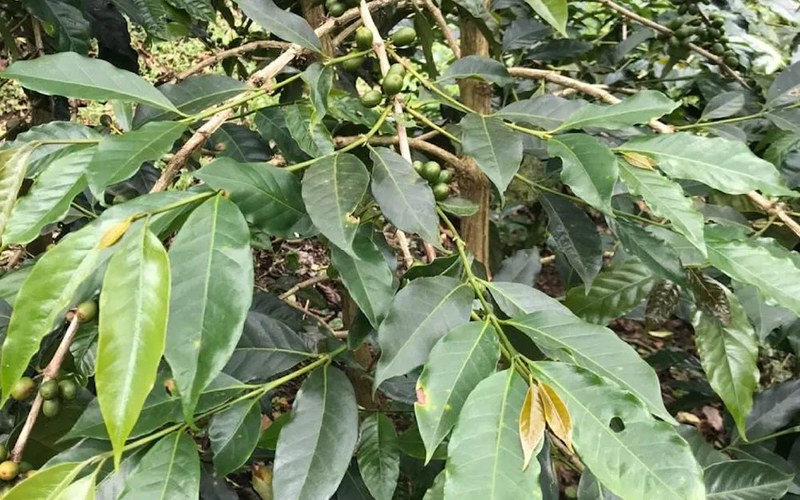
For beans with more delicate aromas, storage methods are especially crucial. After opening, you can divide the beans into portions for about one week’s use and store them in light-proof, dry, and temperature-stable airtight containers. Seal the container immediately after each use to minimize air exposure, which helps maintain flavor stability. If you purchase a larger batch at once, consider portioning and sealing the beans while they’re in peak condition, then storing them in a cool, dark place at room temperature. For long-term storage, refrigeration or freezing is recommended, but allow the entire package to return to room temperature before opening to avoid condensation affecting quality. Additionally, avoid frequently opening the same package, and don’t treat frequent temperature changes as a normal storage practice.
Before purchasing, it’s also wise to evaluate your daily coffee consumption habits. If you only drink one cup per day, opting for a smaller package that you can finish within two weeks allows you to enjoy the coffee during its peak sweetness. If you drink less frequently, consider portioned packaging to prevent flavor loss caused by prolonged air exposure. Keep a record of the roast date, opening date, and the time points when you found the coffee most enjoyable. After gaining some experience, you’ll be able to establish your own rhythm for buying and drinking coffee.
In summary, coffee beans with strong sweetness are not limited to any one flavor profile, nor do they exist only at the moment of roasting completion. By understanding the roast date, allowing appropriate degassing time, and combining proper portioning and storage techniques, you’ll find it more practical than blindly chasing a fixed number of days. Only by enjoying the beans at their optimal state can the sweet sensation described truly materialize in your cup.
The above content is compiled by CoffeeHunters, a coffee news website.

