







Introduction:Coffee beans with berry notes often exhibit significant flavor variations due to differences in freshness and resting (degassing) periods. This article delves into the optimal time to enjoy berry-flavored coffee, when its delicate acidity, sweet aftertaste, and layered complexity can be best appreciated. It also provides practical advice on resting and pour over brewing to help you find the ideal drinking window — useful whether you’re a beginner exploring light roasts or an advanced home brewer.
Berry-flavored coffee beans are commonly found among light to medium roasted beans from African origins or certain specialty single-origin lots. They are characterized by bright acidity, wine-like notes, and juicy aftertastes. However, many people find that upon receiving freshly roasted berry-profile beans, the flavors don’t quite meet expectations: while the aroma may be intense, the taste can turn out thin, overly sharp, or even carry noticeable smoky or roasty undertones.
This is because freshly roasted beans contain a high amount of carbon dioxide internally. These gases can affect extraction consistency and often cause acidity to stand out too prominently, preventing balance with sweetness and body. As time passes and the beans release their internal gases, acidity and sweetness gradually soften, revealing more complete berry characteristics such as fruity, floral notes, and refined layers of aftertaste.
Therefore, when selecting berry-flavored coffee beans, in addition to referring to the flavor descriptors on the packaging, you should also pay attention tothe roast dateand the appropriate time to start drinking. It's advisable to treat the "roast date" as the starting point of freshness, while the "optimal drinking window" is a relatively flexible phase — not fixed to a specific date, but varying depending on bean variety, roast level, and storage method.
Generally speaking,light-roasted and high-density beans release gas more slowly, requiring a longer resting period to fully develop their flavors. Typically, it’s recommended to wait at least 7–10 days. On the other hand,darker-roasted beans or those with looser bean structure, because they degas more quickly, may reach their ideal drinking stage in about 5–7 days. However, these are just guidelines; actual tasting may require fine-tuning based on real conditions.
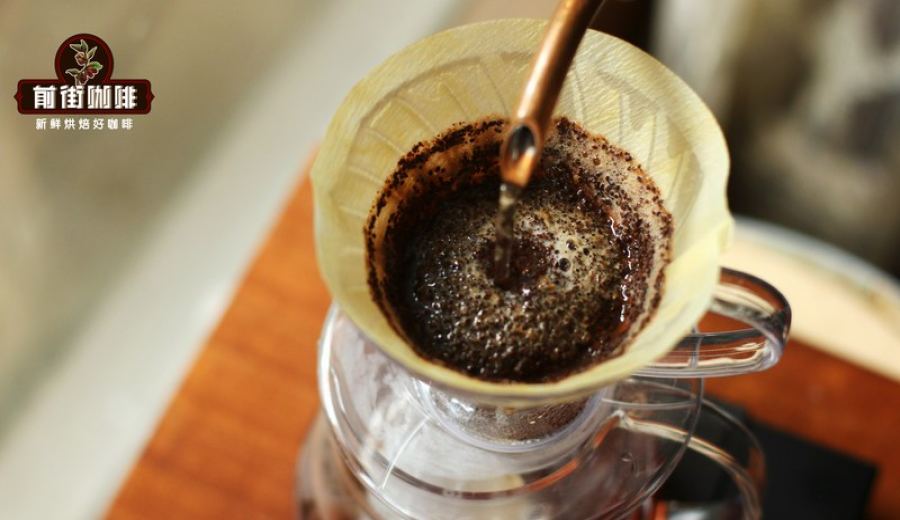
If you primarily use the pour over method, for light-roasted beans with prominent berry flavors, it’s suggested to start tasting aroundthe seventh day after roasting. Initially, observe whether the aroma remains too sharp, or if the acidity is overly prominent and lacks support. If the acidity feels like it lingers only on the tip of the tongue or the aroma is overpowering, consider letting it rest for another 2–3 days. When you notice that the fruit acidity and sweetness are balanced upon entry, and that clear fruity aromas and aftertastes linger on the palate after swallowing, that’s usually the optimal flavor window for that particular bean.
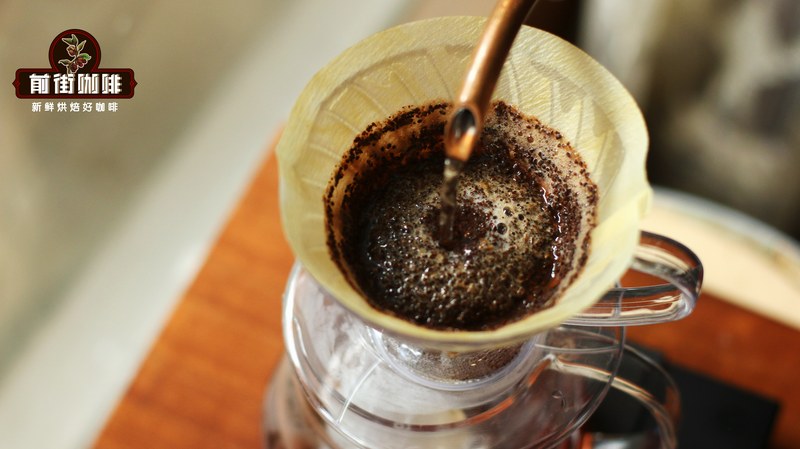
Take commonly used Kenyan beans in pour over brewing as an example. Some batches may initially show very bright citrus or vibrant fruit acidity, which, over time and with proper resting, gradually reveals complex berry layers such as those reminiscent of cherry tomatoes or dark plums, accompanied by rich sweetness and a syrupy-smooth body. If you prefer crisp and lively fruit acidity, you can start trying them about a week after roasting; if you desire a rounder, fuller mouthfeel, you might wait a few more days before brewing.
As for certain high-aroma-density naturally processed Geisha beans — such as some batches from high-altitude Ethiopian estates — they often feature composite berry and floral notes like orange blossom, guava, apricot, and even strawberry jam. Such beans generally do not need to be consumed immediately upon opening.It’s recommended to let them rest for about ten days, during which the aroma will transition from initially intense and bold to a softer, more nuanced floral-fruit profile. During pour over brewing, try tasting multiple times to better observe the evolution of aroma and flavor.

During the resting period, it is advised toavoid frequently opening the coffee bean package, as each time you open the bag, oxygen enters and accelerates aroma loss and oxidation. You can pre-portion your weekly consumption amount intoresealable bags with one-way degassing valvesin advance. When dividing, avoid leaving too much air inside or pressing the beans too hard to prevent damage or unnecessary chipping.
Once opened, whole beans should be stored in acool, dry, and darkplace, such as a cabinet with stable room temperature. Avoid placing them near heat sources like stoves, microwaves, or sinks, and do not refrigerate them, as temperature fluctuations can cause condensation, affecting bean quality. Always seal the bag tightly after each use to preserve aroma.
If you purchase coffee beans at a slow consumption rate, it’s a good idea to divide large packages into several smaller portions, keeping only the amount you plan to use soon. This way, you’re always using fresher, smaller quantities, which helps maintain aroma and flavor. If you buy beans in bulk, you might also consider freezing some in properly portioned and sealed bags. Be sure thatthe packaging is well-sealed, and allow the beans to fully return to room temperature before grinding and brewing, to prevent surface condensation from compromising extraction quality.
How can you tell if berry-flavored coffee beans have reached their optimal drinking period? A simple method is to brew three consecutive times using the same extraction parameters, and observe the following changes: does the dry aroma present clear berry or fruity notes? Is the acidity upon tasting sharp and monotonous, or balanced with sweetness and layers? After cooling, does the aftertaste remain clean, lingering, and fruity? If you find the flavor transitioning from thin to multidimensional, with more apparent acid-sweet balance, then the beans have entered their peak flavor period.
Finally, you might also experiment with adjusting brew water temperature to further explore the expression of berry flavors. For instance, beans featuring notes of orange, ripe apricot, and tea-like finish can first showcase their aroma layers when brewed hot. Then, try lowering the temperature to observe subtle changes in sweetness and acidity. No matter which berry-toned coffee bean you choose, mastering the roast date, proper resting time, and optimal brew timing will help make the berry flavors in your cup clearer, more stable, and richer in variation.
The above content is compiled by CoffeeHunters, a coffee news website.

