







Introduction:Want every cup of coffee to showcase its best flavors? The extraction performance of coffee beans is closely related to their "flavor window." From the degassing period right after roasting to the peak of aroma, each stage affects the taste. This article will guide you through the optimal drinking timing, resting techniques, and storage methods for rich-bodied coffee beans. Whether you’re a pour over or espresso enthusiast, you’ll find your own golden drinking point.
The so-called rich flavor does not fully emerge the moment the coffee beans come out of the roaster. In fact, freshly roasted beans continue to release carbon dioxide, and their internal aromas, sweetness, and mouthfeel gradually develop over time. Brewing too early can easily result in a noticeable gasiness, while when the beans reach the ideal drinking stage, flavors such as nuts, cocoa, and caramel harmonize, presenting a more rounded and layered profile.
Observing the roast date of coffee beans is more effective for gauging flavor performance than simply looking at the expiration date on the package. The so-called "best-by" period refers to the time when the flavors are most vibrant, especially for medium to dark roasted rich-bodied beans, which typically enter their ideal drinking window about a week after roasting and maintain good sweetness and body for several weeks thereafter.
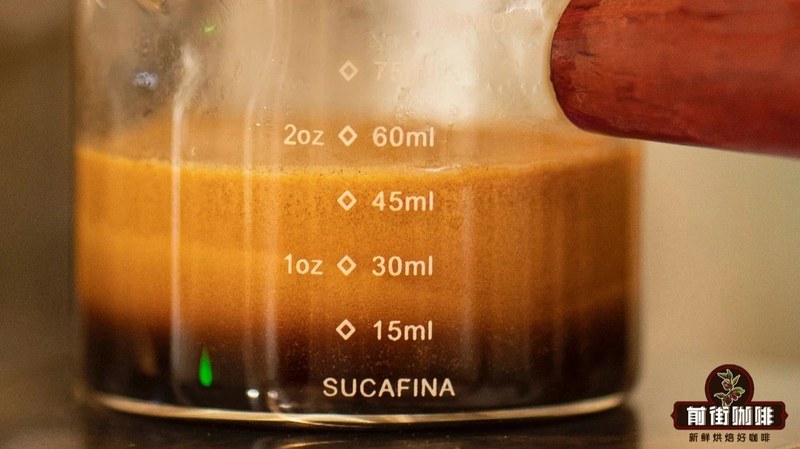
The so-called "resting" (养豆) essentially means giving the coffee beans enough time to release the internally stored carbon dioxide—but it’s not the case that the longer they are stored, the better. For common pour over use, medium or medium-dark roasted beans are recommended to be tried starting five to seven days after roasting. For espresso or moka pot use, where brewing pressure is higher, it’s advisable to wait about ten to fourteen days until the beans stabilize, then adjust grind size and parameters for easier achievement of an ideal extraction. As for dark roasted beans, because they release gas more quickly, they may sometimes be ready to drink in just three to seven days.
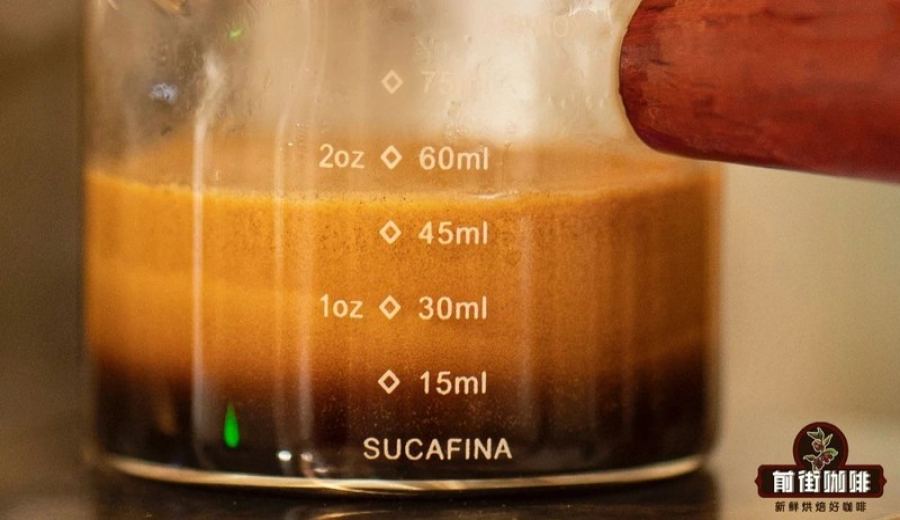
How can you tell if coffee beans have entered their ideal drinking period? The most intuitive way is to observe the flow rate during brewing and the resulting taste. Newly opened beans often show drastic puck expansion and unstable water flow, and the cup may carry a slight bubbly sensation or overly prominent woody and bitter notes. After a few days, the aromas become more focused, sweetness becomes clearer, and elements that might have previously interfered with the main flavors tend to balance out, making the cocoa and nut tones more prominent.
When selecting coffee beans, it is recommended to first confirm whether the packaging clearly indicates the roast date, single-pack weight, and whether it is equipped with a degassing valve. Adjust your purchase quantity based on your personal consumption frequency. For example, consumers who drink one cup per day may opt for smaller packages to ensure the beans are consumed within two to three weeks. For families with multiple users, although larger packages can be chosen, it’s still best to minimize air exposure after opening to maintain optimal flavor. A clear roast date helps you plan the best drinking time for each pack.
Taking a well-known brand’s Brazilian Queen Estate beans as an example, this bean is excellent for observing how rich flavors change over time. If brewed using a pour over method, it’s recommended to start tasting around one week after roasting, when the cup often features soft nutty aromas and a caramel-like sweetness. If left for a few more days, the mouthfeel tends to become even more rounded, and the cocoa character becomes more cohesive. For moka pot or espresso machine use, it’s suggested to delay your first tasting, as the espresso’s body and intensity are usually easier to control.
If you prefer making espresso or milk coffee, a classic blend from a well-known brand is one of the easier choices for managing your drinking schedule. After degassing is complete, the flavors of nuts, cocoa, and caramel become more integrated. It is recommended to start using these beans about ten days after roasting, and then fine-tune the grind size according to your machine’s extraction performance. Even when milk is added, the coffee still retains a solid sweetness without being completely overshadowed by the milk aroma.
For coffee lovers who enjoy a bold, dark-chocolate-like richness, you may want to pay attention to a dark cocoa blend from a well-known brand. This blend has low acidity, and in the early stages of roasting, it may carry a relatively strong smoky note. It is recommended to wait about a week before tasting, when the dark chocolate and roasted nut tones become smoother. For Americano preparation, it is advised to reduce the dilution ratio, while for milk coffee, a higher concentration of coffee liquid can be used to make the sweet and bitter profiles clearer.
In terms of storage, unopened coffee beans should be kept in a cool, dry, and dark place, away from stoves, windows, and humid environments. After opening the bag, any excess air inside should be expelled before tightly resealing the bag. If the original packaging has poor sealing, transfer the beans to an opaque, airtight container for storage, but avoid frequent opening to prevent the beans from absorbing surrounding odors. It’s particularly important to note that coffee beans easily absorb the smells of spices, tea, or cleaning agents, so the storage environment should remain pure and free from interference.
If you purchase a small amount and can finish it in a short period, refrigeration is generally unnecessary. But if you buy a large quantity of coffee beans at once, it is recommended to pre-portion them according to your weekly usage to minimize repeated air exposure of the whole package. For long-term storage, divide the beans into single or several-day serving sizes, seal them, and place them in the freezer. When taking them out, keep the outer packaging intact and allow them to return to room temperature before opening to avoid condensation affecting the bean quality. Grinding only the required amount each time helps preserve the most complete aromatic expression.
It is recommended that you create a simple drinking log for your coffee beans: after opening the bag, brew once and record the aroma, sweetness, and mouthfeel. Try again in two or three days and compare the differences. Through this small experiment, you can not only identify your favorite drinking time point but also help determine the rhythm for future purchases and openings. Remember, a rich and captivating cup of coffee is not just about the bean variety name or flavor description—it is the combined result of roast time, resting period, and storage method that brings you closer to the ideal taste with every sip.
The above content is compiled by CoffeeHunters, a coffee news website.

