







Introduction:Did you know? The flavor of coffee beans is not static—it evolves over time. From the moment they are roasted, coffee beans begin releasing carbon dioxide and adjusting their aroma until they reach the optimal state for brewing. This article will take you on an in-depth journey to understand how to plan your consumption based on roast dates, master the best drinking windows for pour over and espresso, and learn how to properly store opened coffee beans so that every cup delivers its best possible flavor.
The true flavor journey of coffee beans begins the moment they leave the roaster. Right after roasting, the beans are still full of carbon dioxide, and their aromatic compounds have not yet fully stabilized. For beginners, rather than focusing solely on the flashy flavor descriptions on the packaging, it’s better to first understand the roast date and then schedule an appropriate resting period based on your personal drinking habits—this way, you can experience the most authentic side of the coffee.
First, it's important to clarify a common misconception: the packaging date is not the same as the roast date. Many consumers assume that the date printed on the bag is the time the beans were roasted, but in reality, it’s often just the date the bag was sealed. The real key that influences the coffee bean’s drinking rhythm isthe exact roast completion time. When purchasing, it’s recommended to choose products that clearly indicate the roast date, and to confirm whether they come in packaging with a one-way degassing valve—only then can you accurately estimate the resting time upon arrival and plan your consumption progress after opening.
The so-called “resting” or “aging” process is actually allowing the coffee beans to naturally release residual carbon dioxide, but longer storage does not necessarily mean better. Freshly roasted beans often result in scattered aromas, overly sharp acidity, or a loose mouthfeel when brewed. After an appropriate resting period, the aroma becomes more concentrated, and the sweetness and texture are easier to express. This resting time varies depending onthe roast level, the inherent structure of the beans, and the packaging method.
For home pour over beginners, considering the period ofabout five to ten daysafter roasting as an observation window is a good starting point. Lighter roasted beans usually need more time for floral and fruity acidity to balance out; in contrast, medium roasted beans often reach a smoother stage more quickly. This time range isn’t absolute—if during brewing you notice clear aromas and no longer feel any harshness upon drinking, you can start consuming steadily and record your impressions as a reference.
If using an espresso machine, the degassing process has an even more noticeable impact on extraction performance. Using freshly roasted beans too early may lead to unstable flow rates from the puck, overly fast crema expansion, and flavors that may seem thin or insubstantial. It’s generally advised to let the beans rest longer and first test the grind settings with a small amount. As time passes, if you notice changes in flow behavior, you only need to fine-tune the grind size slightly to match the evolving state of the beans.
Freshness doesn’t solely refer to the state right after roasting. A coffee bean’s aroma is gradually released over time, after which the flavor curve gradually flattens. For pour over coffee, beans can typically maintain good performance withintwo to six weeksafter roasting, but the actual drinking window also depends on the seal of the packaging and the storage environment. The best way to judge is still by tasting: Are the aromas still vivid and distinguishable? Is the sweetness fully present? Does the finish have any noticeable stale notes?
When it comes to purchase quantity, it’s advisable to decide based on your individual drinking frequency. If you’re a coffee enthusiast who only drinks one cup per day, a smaller package is more suitable to ensure you can finish it within a few weeks. For families with multiple drinkers, larger packages might be considered. Buying in bulk all at once won’t keep all the beans equally fresh. It’s recommended to store unopened beans separately from those currently being consumed so that your drinking rhythm can remain more relaxed and orderly.
Take the “Yirgacheffe Guodingding” as an example—this light roasted bean is perfect for observing freshness changes. When it first enters the ideal drinking phase, the cup often reveals bright citrus aromas, followed by a gradual merging of berry tones and floral notes. Once the coffee cools slightly, a tea-like finish becomes more pronounced. This bean is not only great for pour over, but also well-suited for cold brew, which softens the originally vibrant acidity. It’s suggested to enjoy it over several days to compare the flavor differences across stages.
For coffee lovers who enjoy delicate floral notes, consider trying the “Panama Emerald Estate Red Label Geisha.” When this bean reaches its optimal state, it often presents complex aromas of white flowers, citrus peel, and black tea, along with a very light mouthfeel. It’s recommended to enjoy it via pour over in stages—first experiencing the aroma when hot, then waiting for it to cool to observe changes in sweetness. If the beans haven’t rested enough, there’s no need to rush to judgment; try again the next day to sense the flavor evolution.
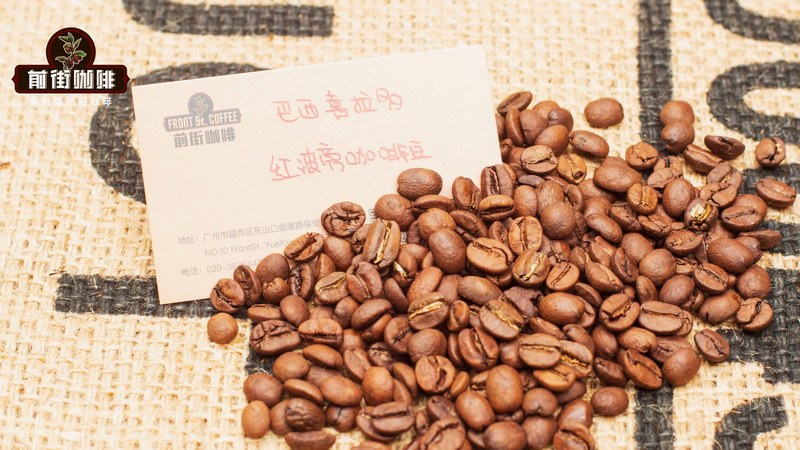
The key to storing opened beans is reducing the four main factors: oxygen, heat, moisture, and light. After each use, promptly expel excess air from the bag, seal it tightly, and store it in a cool, dry cupboard. Transparent glass jars, window sills, or locations near the stove are unsuitable for long-term coffee bean storage. If using a sealed jar, choose one whose capacity closely matches the remaining amount of beans to avoid leaving too much air inside, which accelerates oxidation.
When taking beans, keep your hands and scoop dry, and avoid frequently pouring the whole package into other containers. If your home environment is hot and humid, you can store unopened small packages in a shaded area and open them one by one according to your planned consumption. For those with a clear habit of repackaging, freezing is an option—but only use highly barrier-sealed bags. Be sure to let the package return to room temperature before opening to reduce the impact of condensation on coffee flavor.
In summary, selecting coffee beans and enjoying their flavors can form a simple rhythm: buy in small quantities, check the roast date, allow an appropriate resting period, then brew continuously while observing flavor changes. It’s recommended to record daily notes on aroma, acid-sweet balance, mouthfeel, and aftertaste, which will help you gradually understand which stage of flavor characteristics you prefer in your beans. Remember, freshness isn’t just a label—it’s the entire timeline and care process from when the beans leave the roastery until they finally reach your cup.
The above content is compiled by CoffeeHunters, a coffee news website.

