







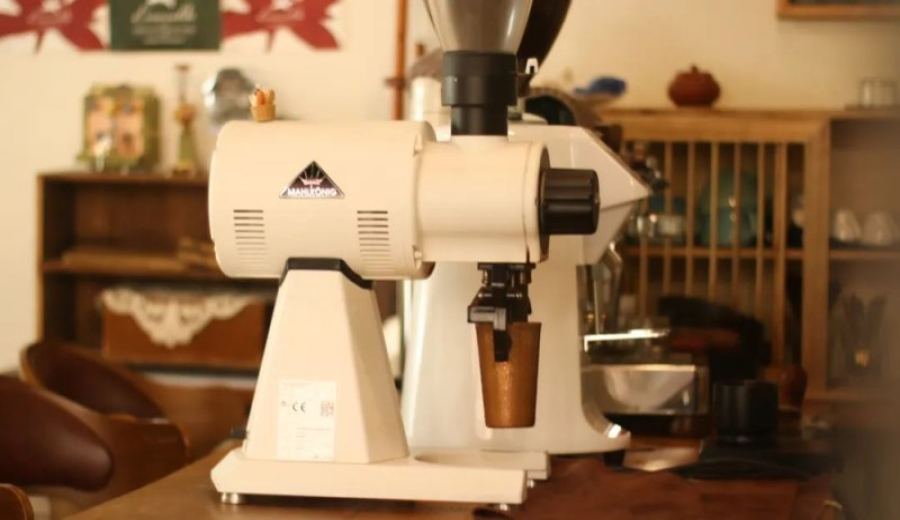
Introduction:When brewing coffee with a Moka pot, the freshness of the beans and how they are stored have a significant impact on flavor performance. This article will guide you on how to achieve the best balance in medium to dark roasted coffee beans through proper resting time, while also delving into the stages of flavor development, storage essentials, and practical selection tips to help you find your own golden drinking window.
Coffee brewed with a Moka pot offers both the intense body of espresso and the inherent aromatic layers of the beans. However, the freshness of the beans greatly affects this concentrated flavor profile: using overly fresh coffee may result in noticeable bubbling sensations and harsh, astringent notes; conversely, when stored properly, flavors such as nuts, cocoa, and caramel gradually harmonize, leading to a smoother mouthfeel and a more stable finish.
After roasting, coffee beans continuously release carbon dioxide—a phenomenon known as “degassing.” Since the extraction pressure of a Moka pot is relatively low, using freshly roasted beans may cause gases to interfere with the speed at which water passes through the coffee grounds, resulting in uneven extraction, inconsistent flow, and difficulty in fully expressing the aroma. For medium to dark roasted beans suitable for Moka pot use, it is recommended to let the beans rest for five to ten days before brewing, which helps achieve a more balanced flavor profile.
The so-called “optimal drinking period” refers to the stage when a coffee bean’s flavor performance is at its best, rather than a sudden expiration date. In the first few days after roasting, the coffee may carry smoky, grainy roughness or a sharp acidity; after about one to three weeks of maturation, sweetness, body, and aroma usually become more harmonious. As time goes on, although the aroma may gradually fade, proper storage still allows you to adjust concentration and heat to find a brewing method that suits your taste.
When selecting coffee beans for Moka pot use, it is recommended to prioritize the roasting date over generic expiration dates. You can estimate an appropriate purchase quantity based on your weekly actual consumption: for example, those who use one Moka pot per day might opt for a package size that can be consumed within two to three weeks to better maintain flavor consistency; occasional drinkers, on the other hand, are advised to buy smaller packages to avoid prolonged exposure of the beans to air after opening.
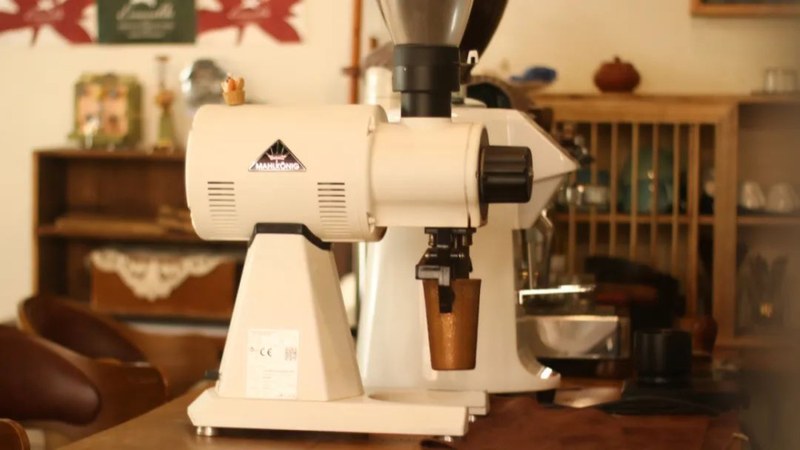
If you wish to observe how coffee bean flavors change over time, you might choose a representative bean variety like this one. At the beginning of its optimal drinking phase, the cup often exudes pronounced aromas of roasted nuts and dark cocoa; in the following days, caramel-like sweetness gradually emerges and becomes more distinct. When extracted as a black coffee using a Moka pot, the mouthfeel is focused and rounded; adding a small amount of hot milk can also preserve the inherent rich texture of the coffee.
For users who prefer a softer acidity and stable mouthfeel, this particular bean is worth noting. When brewed with a Moka pot, it does not overly emphasize bold fruit acids but instead presents a clean, refreshing aroma paired with gentle sweetness. When rested for the right amount of time, it is smooth and pleasant when served warm, and even when slightly cooled, it retains a rounded mouthfeel—making it ideal for direct morning enjoyment or for preparing a light-style black coffee by adding water.
For those who frequently use a Moka pot to make milk coffee, it is recommended to use this blend when the beans have reached a more mature stage. The blend’s dark chocolate, roasted nut, and rich sweetness profiles are clearly expressed under the high-concentration extraction of the Moka pot, and even when milk is added, the coffee flavor remains distinct. This bean can be tried after about a week of resting, and the drinking pace can be adjusted afterward according to actual changes in aroma and mouthfeel.
The key to storing opened beans lies in minimizing exposure to air, heat, light, and moisture. It is recommended to store whole beans in their original packaging or in an airtight container, placed in a cool, dry cabinet, taking out only the amount needed for the day and sealing the container promptly. Avoid keeping coffee beans in transparent containers, near stoves, or by windows—areas prone to light and heat—as well as frequent opening of the container, which can accelerate aroma loss.
If a package of beans is expected to take more than three to four weeks to finish, consider pre-dividing and storing them before opening. They can still be kept at room temperature for the short term, but for long-term storage, it is advisable to place them in the freezer. When freezing, be sure to use moisture-proof, sealed bags and divide them into portions for one to two weeks’ use. Allow the entire pack to return to room temperature before grinding, to avoid condensation affecting bean quality. Note that coffee beans that are frequently thawed and refrozen generally have less stable flavors compared to those that are properly portioned and stored.
Establishing your own coffee bean drinking rhythm can also start with observing flavor changes. In the initial stage, pay attention to whether the aroma still carries a noticeable degassing gas feel; in the middle stage, observe whether sweetness and body naturally connect; by the later stage, overall performance may gradually become more subdued. Before each use, smell the aroma of the beans, then perform pour over or Moka pot extraction with a similar coffee-to-water ratio, and taste for several consecutive days for comparison—this will help you more accurately identify your preferred flavor window.
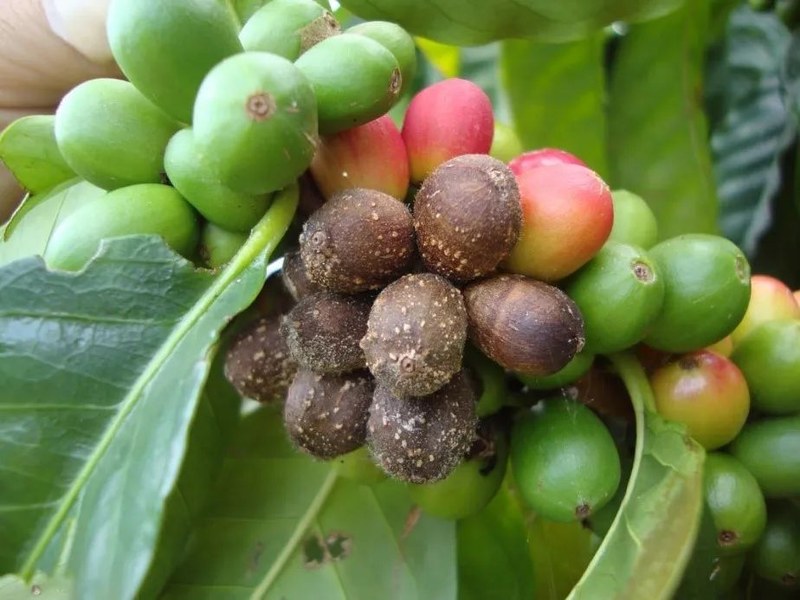
In summary, premium coffee beans used for Moka pot brewing do not require immediate brewing right after roasting, nor should any specific date be regarded as an absolute standard. By mastering the roasting date, purchasing according to actual consumption, giving the beans appropriate resting time, and using good sealing, light-avoiding, and portioning techniques to extend aroma life, you can make the process of selecting and enjoying beans more relaxed and purposeful.
The above content is compiled by CoffeeHunters, a coffee news website.

