







Introduction:To brew medium to dark roasted beans with a moka pot and bring out their most captivating chocolate, caramel, and roasty aromas, choosing the right roast date and knowing the optimal drinking window is key. This article will teach you from which day after roasting it’s best to start drinking, how to determine when the beans have stabilized, as well as drinking recommendations and storage tips for different flavor blends—ensuring every cup is rich in layers and lingering finish.
Using a moka pot to extract medium to dark roasted coffee beans is most fascinating because it concentrates cocoa, caramel, and deep-roast aromas, delivering a bold and full-bodied mouthfeel. However, these characteristics don’t fully emerge right after roasting. When the beans are still actively degassing, the extracted coffee may flow too quickly and the aroma may seem scattered; but if left too long, the flavors can become muted and lose their vibrancy. Therefore, aside from selecting your preferred flavor profile, you should also adjust based on the roast date and your own drinking pace.
The “best before” date printed on the packaging usually refers to the period when the flavor is at its most vibrant, not an expiration after which the beans are no longer safe to drink. In fact, even after that date, the beans are still safe for consumption, although the aroma intensity, sweetness, and aftertaste may gradually diminish. It’s recommended to prioritize a clear roast date when purchasing, and make a comprehensive judgment based on the packaging method, rather than solely chasing freshly roasted batches.
For well-sealed medium to dark roasted beans, it is generally recommended to start tasting from the 4th to the 7th day after roasting. During this period, you can usually experience richer aromas and a fuller body. Especially for beans that are roasted darker and show more obvious surface oils, the degassing process is typically faster, so the optimal drinking window may come slightly earlier. However, the actual best drinking time can still be influenced by roasting techniques, packaging materials, and storage temperature, so there's no need to treat any particular day as an absolute standard.
Observing the extraction performance of the moka pot is also a good way to judge whether the beans have reached an ideal state. If the grind size and heat settings remain unchanged, but the coffee frequently produces bubbling, with the aroma being intense yet the taste loose or thin, it’s advisable to let the beans rest for another one or two days. When the flow becomes more stable and consistent, and the hot brew achieves a balance between bitterness and sweetness—even retaining nutty or caramel-like aftertastes after cooling—it usually indicates a stage suitable for continuous enjoyment.
This Black Cocoa blend is a great choice for those who love intense flavors. Brewing it with a moka pot can fully bring out aromas reminiscent of bittersweet chocolate sauce, roasted hazelnuts, and caramel syrup. This blend has a thick and substantial mouthfeel when consumed straight, and can still retain distinct coffee characteristics even when mixed with hot milk. It is recommended to start enjoying it as soon as the degassing stabilizes, and to maintain a certain frequency of consumption within two weeks of opening the bag to better appreciate its rich sweetness.
If you prefer a low-acid profile without the coffee being overly heavy, this coffee from Papua New Guinea’s Paradise Bird is a solid option. When brewed with a moka pot, this bean often exhibits aromas of roasted almonds, cane sugar, and soft woody notes, with a smooth and rounded mouthfeel that remains pleasant even when slightly cooled. It’s suitable for enjoying as pure black hot coffee, or with a small amount of hot water to adjust concentration. Compared to oilier dark roasts, its optimal drinking window can be slightly more flexible.
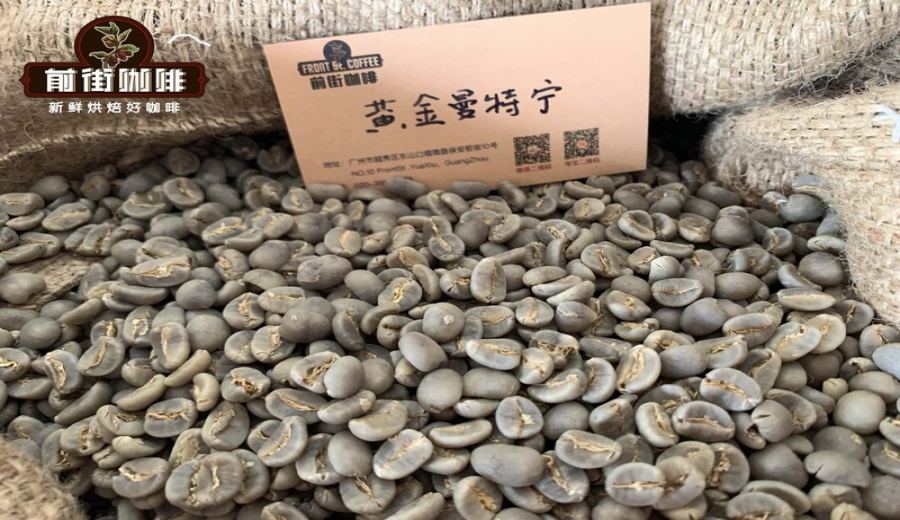
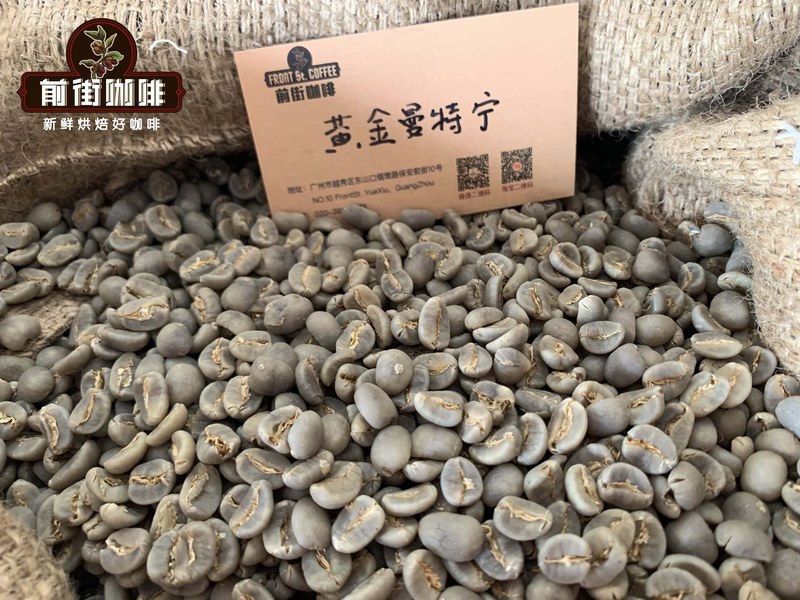
For those who enjoy a strong and lingering finish, this Indonesian Golden Mandheling is a great pick. The moka pot enhances its aromas of cocoa nibs, spice plants, and dark syrup, delivering a noticeable weightiness in the mouth. Since this style of roast changes relatively quickly, it’s recommended to consume it continuously within a short time after opening. Even when paired with a small amount of milk, its full body remains undiluted, maintaining a stable flavor profile.
When purchasing coffee beans, it’s recommended to decide on the package size based on your actual weekly consumption. For example, using 16 to 20 grams of coffee per brew and making one cup per day, a 200g pack can last for about ten days, offering a more relaxed pace. If you only brew two or three times a week, a smaller package helps better preserve the aroma. Be aware that if multiple bags are opened at home simultaneously, each bag’s exposure to air increases, making flavor changes harder to control.
When restocking, it’s advisable to prepare a new bag when you have about three or four servings of the current coffee left, and keep the new beans unopened until they reach the optimal drinking stage. This way, when the old beans run out, the new ones will just be entering their prime, avoiding excess stockpiling. When selecting, you might choose products roasted just a few days ago—they usually have already entered a stable phase, and you can then continue calculating the optimal drinking window based on the actual roast date upon receipt.
After opening, it’s recommended to keep the coffee beans in their original packaging (which should have a one-way degassing valve). After each use, gently press out excess air, seal the bag tightly, and store in a cool, dry place away from heat sources. Avoid frequently transferring beans to wide-mouth transparent containers to reduce exposure to air and light. Additionally, storing whole beans and grinding them just before brewing helps delay aroma loss more effectively than pre-ground coffee.
If a bag of beans is expected to take over three or four weeks to finish, once the flavor has stabilized, you can portion them according to single-use amounts and store them frozen. When taking them out, keep the packaging sealed and allow them to return to room temperature before opening to minimize condensation. Once thawed, the beans should be consumed as planned to avoid repeated freezing and thawing. By establishing a consistent rhythm from roast date, opening date, to daily usage, the medium to dark roast aromas in your moka pot can be presented more fully and clearly.
The above content is compiled by CoffeeHunters, a coffee news website.

