








Introduction:Many people assume that the fresher the coffee beans, the better. However, right after roasting, beans are filled with carbon dioxide, which can actually hinder extraction and negatively impact flavor expression. This article will guide you through understanding how to manage the flavor profile of commercial coffee beans from the roast date to sealed storage. It covers changes during the resting period, recommended degassing times, techniques for determining when the beans are ready, as well as selection and storage tips for beans used for different purposes — helping you enjoy the optimal flavor from the moment you open the bag until it's all used up.
Quite a few people mistakenly believe that coffee beans are at their peak flavor right out of the roaster. In reality, freshly roasted beans contain a large amount of carbon dioxide. When making espresso, this can cause uneven water absorption in the coffee puck. Although the surface may look glossy and oily, the cup may taste loose or lack cohesion. These gases need time to slowly dissipate, allowing flavors such as nuts, cocoa, or caramel to gradually integrate, resulting in a more complete and balanced flavor profile. Therefore, when selecting commercial coffee beans, don’t just look at the expiration date. Instead, consider the roast date, the time you open the bag, and the timeline for when you plan to finish drinking it.
Shelf Life vs. Flavor Window: Shelf life focuses on food safety, indicating how long the beans remain safe to consume; whereas the flavor window refers to the golden period when aroma and taste reach their peak. When purchasing, it’s recommended to check the packaging for theroast daterather than simply looking at the expiration date. Additionally, confirming whether the packaging includes aone-way degassing valveand if the seal is tight can help prolong the best flavor period. Some retailers provide suggested resting periods, which are very useful references because factors like bean variety, roast level, and packaging methods all affect how quickly the beans release gas.
The so-called "degassing" process is essentially allowing the coffee beans enough time to release carbon dioxide and for internal flavors to harmonize. There is no fixed formula that applies to all beans. Generally speaking,medium-to-dark roast espresso blendscan be tried for extraction starting from the fifth to the tenth day after roasting; while relativelylighter-roasted espresso beansmay require more time, especially in higher ambient temperatures where the degassing and flavor integration process can occur more quickly. It’s recommended to use a similar recipe to brew once a day for two to three consecutive days. If the extraction performance is stable and the flavors are well-balanced, it usually indicates that the beans have entered a suitable drinking window.
How can you tell if the beans are still releasing a significant amount of gas? You can observe the extraction feedback: if the espresso tends to spray, the flow rate is unstable, or the aroma is diffuse but lacks sweetness, it’s advisable to let the beans rest for another one or two days before trying again. Also, although the blooming stage in pour over brewing may show noticeable bubbling — indicating that there’s still a lot of gas inside the beans — this doesn’t mean the flavor layers have fully developed. Remember,actual taste experience is more important than visual or flow rate indicators, as that’s how you can truly grasp the flavor window of the beans.
If you mainly make milk coffee or prefer rich and thick Americanos, you might consider a well-known coffee brand’s Black Cocoa blend. This bean’s flavor profile is dominated by bittersweet chocolate, roasted hazelnuts, and a syrupy thick texture, with acidity being relatively subdued. Once it has rested and extraction stabilizes, short espressos can deliver a solid sweetness and bitterness, and even when diluted with water, they retain distinct roasty aromas. When paired with milk, it becomes similar to a cocoa-nutty drink, making it highly suitable for scenarios where the bag is opened and consumed frequently.
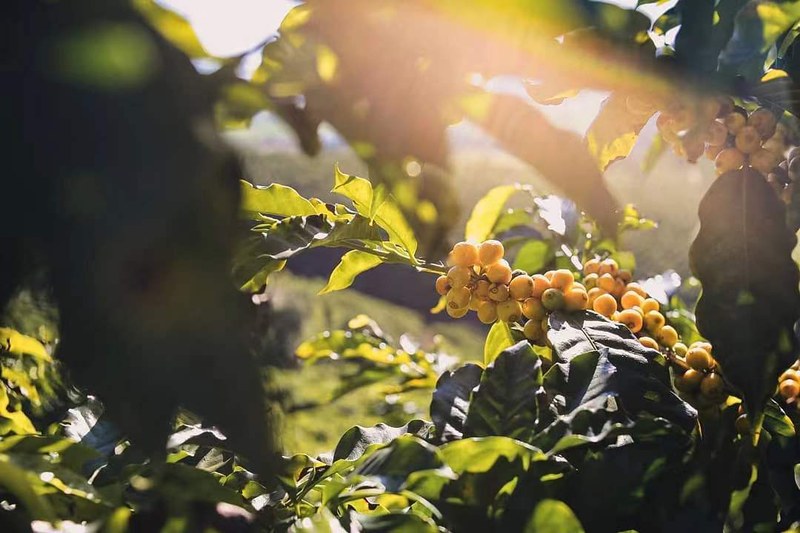
If you hope a single bag of beans can cater to both black coffee and milk coffee needs, you might want to look out for a specialty coffee brand’s blend. This bean uses South American beans as the base, offering a round mouthfeel and highlighting layers of ripe nuts, toffee, and soft cocoa. The transition between sweet and bitter is quite smooth. When it is at the peak of its flavor, try sipping the espresso straight first to evaluate it, then decide whether to dilute it with water or add milk. As the opening time extends, you can adjust the grind slightly finer to stabilize the flow rate and extend the sweetness.
When choosing coffee beans, consider yourweekly coffee consumptionas a way to screen options. If your daily routine mainly involves milk coffee and your usage is consistent, blends like Black Cocoa — which offer stable flavor and are suitable for long-term drinking — would be a better choice. If you often switch between black coffee and milk coffee, specialty blends provide greater flexibility and flavor variety. For lower consumption frequencies, it’s recommended to choose smaller packages and concentrate your drinking when the beans are at their flavor peak. For shops with higher usage, adopting a batch-opening method helps maintain a stable baseline for each cup compared to opening multiple bags at once.
After opening, the key to preservation isminimizing exposure to oxygen, heat, moisture, and light. It’s recommended to keep the beans in their original packaging, squeeze out excess air, and seal them tightly, then store them in a cool cupboard. This approach is generally more stable than frequently transferring the beans into clear glass jars. Use a dry measuring spoon when taking beans out, and avoid leaving the bag opening exposed for long periods. Unless your environment is particularly hot, there’s no need to refrigerate the beans during short-term, room-temperature consumption, as temperature fluctuations can cause condensation or absorption of odors.
If you purchase a large-capacity package and plan to consume it over several weeks, you can consider dividing and freezing the beans when they’re at their best. Package each use or daily portion into small sealed bags, squeezing out as much air as possible, and label them with the roast date and the repackaging date. When using, take out the whole package, let it return to room temperature, and then open and grind it. Already defrosted portions can be scheduled based on near-term usage. This approach reduces temperature fluctuations and maintains more consistent flavor across different stages.
Also worth noting,the bean hopper of an espresso machine, while convenient for access, is not suitable for long-term bean storage. Light, machine heat, and air exposure can all accelerate the loss of aroma. For home use, it’s recommended to only load the amount of beans needed for the day. For shop operations, beans can be replenished according to half-day to one-day output. Before refilling, remember to clean residual oils and coffee grounds from the bean hopper and grinder inlet. This makes it easier to control the ratio of new and old beans, and you’ll also be able to more clearly perceive the flow rate changes brought by different roast dates when adjusting the burr settings.
Finally, regarding purchasing quantity, you can work backward from your daily cup count: for example, using 18 grams of coffee beans per cup, two cups per day, would require about 500 grams over two weeks, plus a small reserve for dialing in. A practical coffee bean management rhythm should be: observe the beans’ changes after roasting, concentrate consumption during the optimal extraction window, maintain good sealing after opening, and slightly adjust grind settings as the aroma gradually fades. With this process, whether for commercial or personal use, every pack of coffee beans can deliver clear and satisfying flavor from the first cup to the last.
The above content is compiled by CoffeeHunters, a coffee news website.

