








Introduction:Want to enjoy a cup of coffee with rich crema and layered aromas? Relying solely on the word “rich” on the packaging isn’t enough. Every step—from the roast date to how you store it after opening—affects the final extraction. This article dives deep into how coffee flavors evolve at different stages, teaches you how to pinpoint the best time to drink it, and shares practical storage and brewing tips so that every cup reaches its ideal state.
The richness of a coffee’s crema often determines your first impression. A fine, velvety crema not only enhances texture but also locks in more aroma. However, the degree of oiliness on the bean surface isn’t the only indicator of flavor depth. The degassing process after roasting, the timing of grinding, and even the number of days since opening the bag can all significantly influence aroma and mouthfeel. If you’re drawn to nutty, cacao, and caramel notes, the key is to align the roast date with your drinking pace—this is more practical than simply chasing exaggerated claims of “intensity” on the package.
The so-called “best-by period” doesn’t mean the coffee becomes undrinkable after a certain date. Instead, it refers to the time window when aroma, sweetness, and extraction performance are relatively at their peak. Freshly roasted beans contain a lot of carbon dioxide, which interferes with even water penetration through the coffee grounds, resulting in extraction where foam may be abundant but aromas feel scattered. Allowing a few days for the beans to naturally degas usually transforms the initially inflated sensation into a more cohesive and mellow sweetness.
When choosing coffee beans, it’s recommended to confirm the roast date clearly and check if the packaging has a one-way degassing valve and is tightly sealed. Generally, medium to medium-dark roasted beans degas more quickly, so there’s no need to adhere strictly to a fixed waiting period. Starting from the fifth day after roasting, try small amounts. If you notice unstable flow during extraction or continual expansion of the coffee bed, it’s wise to wait another two or three days. Once the aromas begin to unfold and the balance between sweetness and bitterness becomes more harmonious, you’ve entered a stable drinking phase.
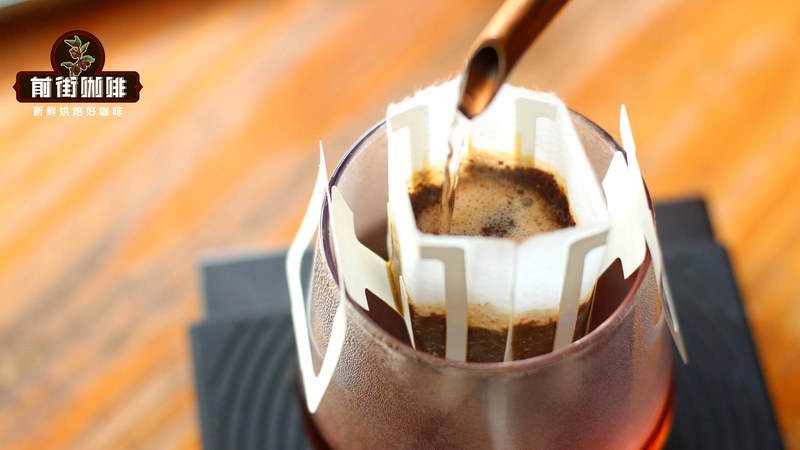
The aging (or “resting”) process should be completed within the original packaging, stored in a cool, dry, and odor-free environment—there’s no need to open the bag frequently to promote degassing. For medium-roasted beans suitable for pour over, noticeable flavor changes can typically be observed within five to ten days after roasting. For beans used in espresso, it’s advisable to delay tasting slightly to between seven and fourteen days. Darker roasts, due to their looser structure, may develop faster, so the roast date is only a reference—the actual extraction flow rate and aroma in the cup are the real indicators.
If you’re aiming for a smooth crema without overly strong roasty notes, look for beans with flavors of roasted nuts, cocoa powder, and caramel. These beans usually have gentle acidity, and after a few days of aging, their sweetness becomes more concentrated. They yield a silky and balanced mouthfeel when brewed via pour over, and produce a richer body when used for espresso or with a moka pot. It’s recommended to start with small test brews after opening the bag, identify the days when the aromas are most vibrant, and then adjust consumption based on usage rate.
For coffee lovers who frequently enjoy lattes or espresso, it’s recommended to designate nutty, cacao, and caramel-toned blend beans as the main ones to drink after opening. During their stable phase, these beans produce coffee liquid with sufficient body, maintaining a clear flavor profile even when paired with milk. Once they reach stability, you can record variables such as grind size, flow rate, and flavor changes over several days, and make fine adjustments to grind fineness accordingly to compensate for the impact of gas reduction during storage on extraction.
If you prefer low-acidity and deeply flavored coffee, prioritize dark roast beans. Due to their higher roast level, these beans typically exhibit more pronounced degassing, and their flavor evolution is faster after opening. After a moderate resting period, herbal notes, the bittersweetness of dark chocolate, and a full-bodied mouthfeel become more integrated. When using a moka pot or brewing Americano, it’s advisable to buy in small quantities multiple times to ensure each pack is finished while the aroma is still at its peak.
When planning purchase quantity, estimate based on your daily coffee powder usage. For example, if you use 15 grams per day, you’ll consume about 210 grams in two weeks—choosing a 200–250 gram pack will more fully cover the main flavor stage. If you open two packs of beans at home, assign them different purposes and stagger the opening dates to avoid both entering the flavor decline phase simultaneously. This not only allows you to compare the characteristics of different beans but also prevents last-minute rushes in brewing frequency when supplies run low, making your overall coffee routine more relaxed.
After opening, if there are no special needs, it’s recommended to keep the beans in their original packaging: after each use, gently press out excess air, clean the bag opening, seal it tightly, and store it in a light-proof cabinet. High temperature, humidity, direct sunlight, and kitchen spice odors can accelerate aroma loss. If using transparent containers, ensure they are kept away from light. Try to keep the beans in whole form until just before brewing. For large-capacity containers that are opened frequently, consider dividing them into smaller portions to reduce the volume of beans exposed to air each time.
If you don’t plan to finish the beans within three to four weeks, you can portion and freeze them while they’re still in good flavor condition. It’s advised to seal each portion according to one or two brews’ worth, and take them out directly for grinding or allow them to come to room temperature before opening. The key is to avoid repeated condensation contacting the beans, which can affect quality. Compared to the refrigerator, where temperatures fluctuate greatly and odors are easily absorbed, freezing in portions is a better preservation option. Lastly, don’t forget to label the packaging with roast date, tasting date, and opening date, so every bag of rich-crema coffee has a clear and stress-free drinking schedule.
The above content is compiled by CoffeeHunters, a coffee news website.

