







Introduction:Did you know that from the moment blend coffee beans are roasted until they are opened and brewed, they require a “resting period”? Many people assume that the fresher the beans, the better—but in reality, the expression of aroma and flavor complexity is closely related to how much time has passed since roasting. This article will help you master the optimal drinking window for blends, understand how to identify the golden stage based on roast date, resting time, and brewing method, and learn how to store them properly so that every sip is rich with layers.
Freshly roasted coffee beans do not necessarily mean they will deliver the best flavors right away. Beans straight out of the roaster still contain a significant amount of carbon dioxide, which is rapidly released during brewing. This can prevent water from evenly penetrating the coffee grounds. Although the aroma might seem intense, the sweetness and subtle flavor layers are often not yet fully developed. Therefore, when selecting a blend, don’t just go for “the fresher the better”—instead, plan holistically based on the roast date, your intended opening time, and your drinking schedule.
The so-called “optimal flavor window” refers to the period when the coffee beans exhibit their most complete and balanced flavor profile—not a sudden loss of aroma after a specific date. This golden period is influenced by packaging methods, roast level, storage temperature, and how often the bag is opened. While using aluminum bags with a one-way degassing valve helps release internal gases and reduces oxygen intake, it doesn’t permanently lock in all aromatic compounds, nor can it replace proper resting time.
Each blend requires a different resting time, and it’s recommended to adjust flexibly based on roast depth rather than applying a fixed number of days. Generally speaking, medium-light to medium-roasted blends are best observed starting from the 7th to the 14th day after roasting; medium-dark or dark roasts, due to faster gas release, can typically be tried after about 3 to 7 days. If you’re making espresso, consider letting the beans rest a few more days, which helps stabilize the flow rate during extraction and results in a more even crema. Additionally, higher ambient temperatures can accelerate bean maturation, so pay extra attention.
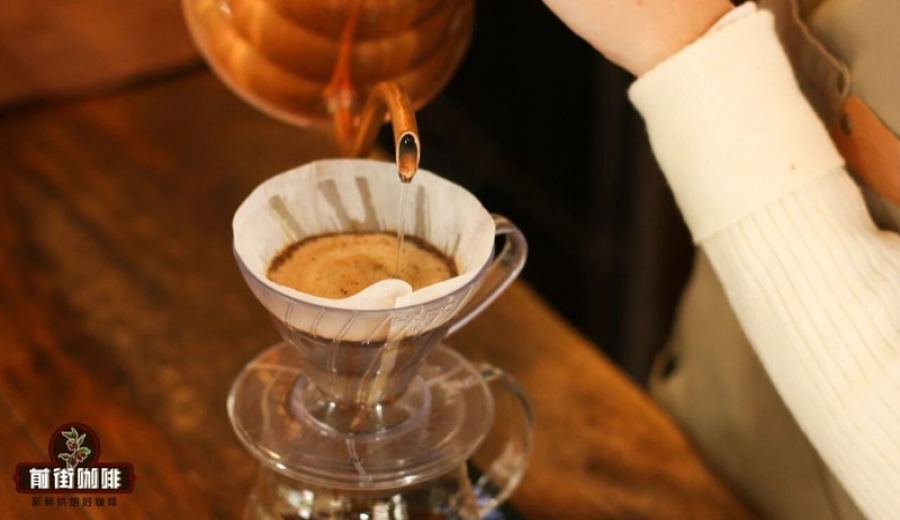
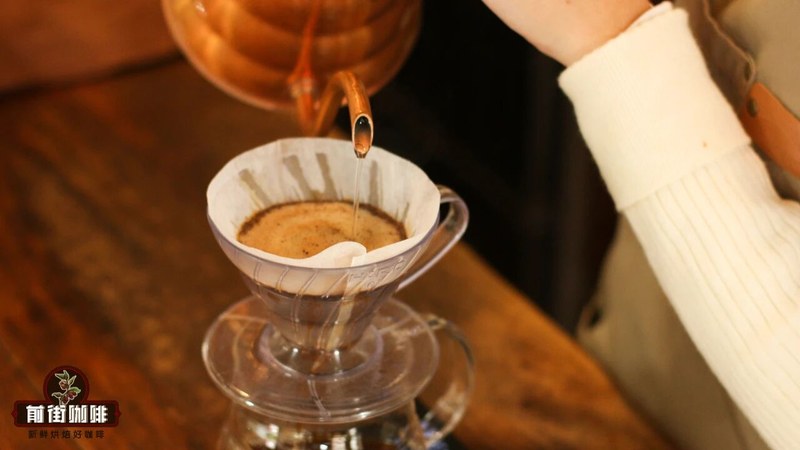
To determine whether a blend has reached a drinkable stage, observe both the brewing process and the cup profile. For example, with pour over, if the coffee bed continues to swell vigorously and release a lot of bubbles after pouring water, it usually means internal gases haven’t dissipated yet. Similarly, with espresso machines, if the flow rate is unstable or the crema is rough and loose, it’s advisable to wait a few more days. When you notice the aroma transitioning from a single intense note to distinct layers, the sweetness becomes clear, and the aftertaste more expansive, you’ve entered the golden window of flavor expression.
When purchasing blends, it’s advisable to choose a package size that fits your drinking frequency. For instance, if you use around 15–20 grams per day, a 200-gram pack will yield roughly ten cups; however, if you only brew two or three times a week, opting for a smaller package ensures you finish it during its peak flavor period. Opening multiple packs at the same time causes each to be repeatedly exposed to air, so it’s best to clarify which blend you’ll be drinking mainly first, then plan the opening times for the others.
If you want to more clearly observe how flavors evolve over time, you can select some representative blends for monitoring. For example, some blends, after sufficient resting, offer a warm aroma of roasted nuts upon tasting, followed by a bright caramel sweetness, and conclude with a soft cocoa aftertaste. Especially when making espresso, the texture becomes more cohesive, and the balance between sweetness and bitterness becomes easier to manage once diluted with water. It’s recommended to record changes in aroma, sweetness, and aftertaste during the first two weeks after opening to help identify your favorite stage.
If you prefer milk coffee or often use a moka pot, look for blends with a distinct roasted nut character. These beans often carry a round caramel flavor mid-palate, and the cocoa aftertaste remains clear even after milk is added. In the fresher stage, they are well-suited for short espresso shots with concentrated aroma; after a period of resting, the extraction performs more calmly, and when used for lattes or flat whites, they demonstrate better integration and mouthfeel.
Post-opening storage focuses on blocking out oxygen, moisture, high temperatures, and light. After each use, gently press down on the bag to reduce excess air, securely seal the original packaging’s valve, and store it in a cool, dry cabinet. Avoid transferring beans to transparent display jars, and don’t place them near stoves, windows, or heat-emitting appliances. If using a bean hopper, refill with just a two- or three-day supply; this helps maintain freshness better than leaving the whole pack in the machine long-term.
If you’ve bought a large package and don’t expect to finish it within a few weeks, you can divide the beans into several smaller portions shortly after receiving them—while the bag hasn’t been opened too many times—and store each portion in an airtight zip-lock bag or container with as much air removed as possible. Each portion should correspond to one or two brews. Before grinding, allow frozen beans to return to room temperature while keeping them sealed, which helps reduce condensation affecting extraction. As for beans that have already been opened multiple times, it’s recommended to consume them as soon as possible to enjoy their remaining flavors.
It’s worth noting that even after entering the optimal flavor window, the flavor of a blend will still change slowly over time. In the early days after opening, due to higher internal gas content, you can slightly extend the blooming time to aid in gas release. As time goes on and aroma diminishes or extraction speed increases, consider slightly adjusting the grind finer or raising the extraction yield slightly to maintain balance. After each adjustment, record the date, grind setting, and cup profile. Through a few trials, you’ll be able to grasp the flavor evolution pattern of that particular blend.
In summary, the drinking rhythm for a bag of blend coffee should start with confirming the roast date upon receipt, then allowing it to rest until the appropriate stage, followed by opening and storing according to weekly usage. When the flavor peaks, try more pure coffee to savor the details of its sweetness and aftertaste; when the aroma becomes softer, shift to milk coffee or cold drinks to enjoy different flavor presentations. When purchase quantity, resting time, and daily brewing frequency are well coordinated, you’ll fully experience the rich evolution of a blend from opening to the very last cup.
The above content is compiled by CoffeeHunters, a coffee news website.

