







Introduction:Did you know? Whether the aroma of a latte can penetrate through the milk depends not only on the coffee bean variety but is also closely related to the "unsealing timing" after roasting. This article delves into the optimal drinking stages of three classic latte beans — from medium-dark roasts to fruity profiles — teaching you how to grasp each bean’s degassing period, extraction performance, and flavor evolution, along with practical storage and grinding advice. That way, you can brew well-balanced, rich milk coffee at home.
When using coffee beans to make lattes, allowing the aroma to shine through the milk layer depends not just on the beans’ inherent characteristics, but also on the number of days post-roasting. Freshly roasted beans are in a phase of intense carbon dioxide release. Brewing espresso at this stage may result in unstable flow rates or rough crema. On the other hand, if left too long, the originally rich notes of nuts, caramel, or fruit will gradually fade. Only by mastering the “golden window” after roasting can you bring out the best sweetness and overall harmony in your milk coffee.
Many consumers focus solely on the “best-before date” printed on the packaging when selecting coffee beans, but in reality, the “roast date” is far more important. This date helps you determine whether the beans are at their peak flavor. It’s worth noting that unopened coffee beans with a one-way degassing valve can better preserve aromas by slowing down scent loss. However, once opened, exposure to oxygen accelerates oxidation. We recommend adjusting your unsealing frequency based on how often you drink coffee, to fully enjoy the beans at their best.
The so-called “resting” of coffee beans isn’t just about mechanically waiting for a set number of days — it’s about letting the internal carbon dioxide release gradually and stabilize. For espresso, medium-dark roasted beans are recommended to be tried between the 5th and 8th day after roasting; medium roasts can wait 7 to 12 days; and lighter roasted espresso beans typically require 10 to 18 days of aging. That said, these timeframes are just guidelines — actual conditions vary based on ambient temperature, packaging methods, and roast development. It’s best to rely on actual cupping results.
How do you know when the beans have reached an ideal drinking stage? Try brewing two to three times in a row. If you notice excessive bubbling during extraction, unstable flow, and flavors that are noticeably harsh or overly sharp, it usually means the beans need a few more days of aging. Conversely, when the flow becomes smooth, the aroma transitions from sharp to soft and expansive, and the milk brings out clear sweetness, those are signs that the beans have entered their main drinking period. Observing and tasting in real time is more accurate than simply going by the calendar.
If you prefer traditional chocolate-toned lattes, try the “Dark Cocoa Blend.” In milk, this blend delivers rich bitter-sweet cocoa, roasted nuts, and full-bodied sweetness, making it especially suitable for slightly milkier hot lattes. We suggest starting extraction tests around the 5th to 9th day after roasting. Once the flavors stabilize, focus on drinking them around the two-week mark to maintain harmony between bold taste and aromatic coherence.
For those who enjoy a smoother, rounder latte experience, the “Brazilian Queen Estate” is another excellent option. Its flavor profile highlights ripe nuts, milk chocolate, and subtle caramel, with a mild acidity that doesn’t stand out even in milk. We recommend opening the bag and testing between the 7th and 12th day after roasting. Using less milk can better highlight its caramel aftertaste, making it great for both Flat Whites and smaller lattes.
Fond of fruity lattes? Then the “Strawberry Candy Coffee Beans” are worth a try. When combined with milk, these beans release a sweet berry aroma reminiscent of strawberry taffy, offering a cup feel that’s lighter than traditional nut-forward profiles. As an aroma-driven bean, it benefits from a few extra days of degassing — about 10 to 15 days before trying. Additionally, avoid overheating the milk or overfilling your cup, as that could mask its delicate aromatic notes.

When buying coffee beans, it’s also wise to plan quantities according to your drinking habits. For example, with a home semi-automatic espresso machine, if you use 18 grams of beans per cup, a 250-gram bag can yield roughly thirteen cups. If you drink one cup per day, you’ll usually finish the bag in less than two weeks. We recommend estimating based on your weekly consumption, ensuring that a newly opened bag reaches its peak just as the previous one is running out. This way, you can steadily enjoy the vibrant aromas of freshly roasted beans.
Once opened, coffee beans can continue to be stored in their original packaging if it has a one-way degassing valve and a good seal. After each use, gently press the bag to expel excess air, seal it tightly, and store it in a cool, dry, and dark place — away from stoves, windows, and heat-emitting appliances. Also, if you’re using a semi-automatic coffee machine, only put in the amount needed for the day or the next in the bean hopper, and keep the rest sealed in the bag to minimize flavor impact from repeated heat exposure.
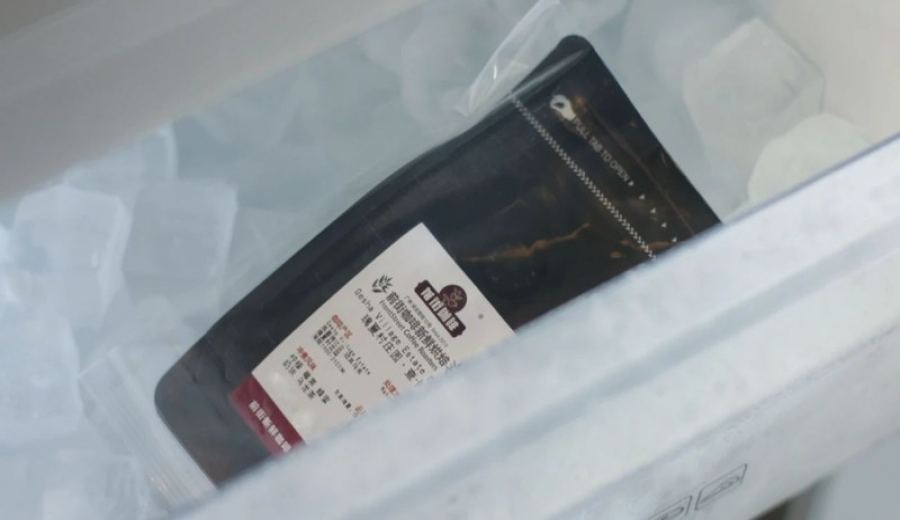
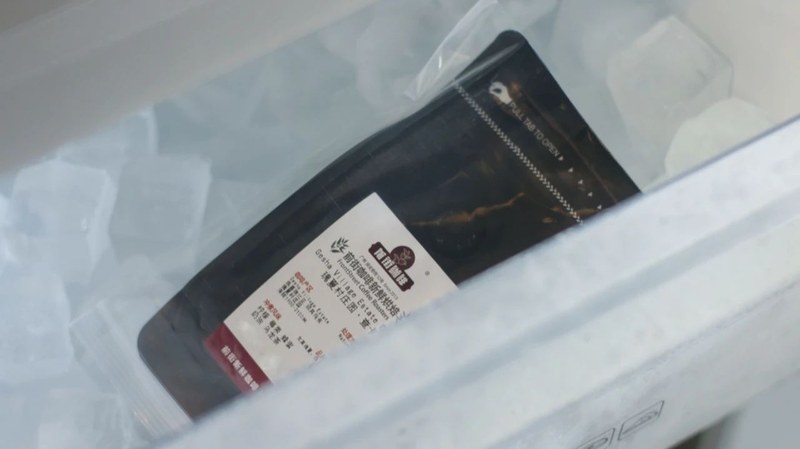
Additionally, it’s not recommended to store coffee beans in the refrigerator for extended periods, as frequent temperature changes can cause condensation, and the beans might absorb odors from other foods. If you buy a large quantity and plan to consume it within three to four weeks, you can divide the beans into small, well-sealed portions (based on three to five uses) after opening, and freeze them as soon as possible. When taking them out, keep them sealed until they return to room temperature, then open and grind. Avoid refreezing after thawing to maintain the best flavor.
Finally, remember to grind your beans right before brewing — once ground, aroma dissipates much faster. Each time you open a new bag, jot down the roast date, unsealing date, and the flavors you perceive. Through several consecutive tastings, you’ll identify the “sweet spot” that works best for your brewing setup. Whether you’re drawn to the bold richness of dark cocoa, the rounded fullness of Brazilian Queen, or the bright fruitiness of strawberry candy, mastering the right unsealing and storage rhythm will let your latte consistently showcase the unique character of each bean.
The above content is compiled by CoffeeHunters, a coffee news website.

